
Edwardian Two Tier Stand
An edwardian two tier stand brings practical double-level surface space to a room, combining period charm with everyday utility.
Edwardian Two Tier Stand
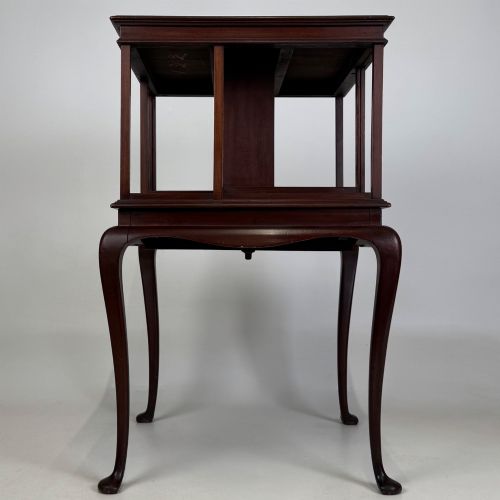
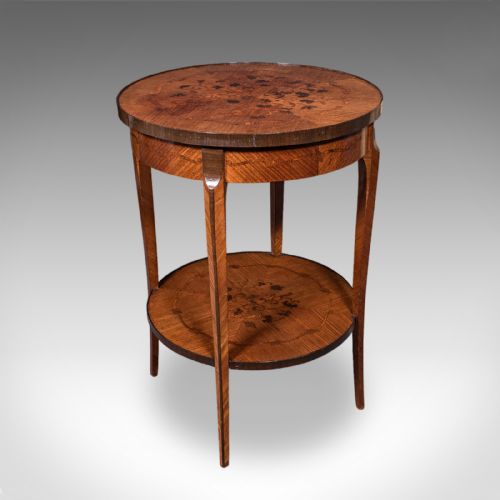
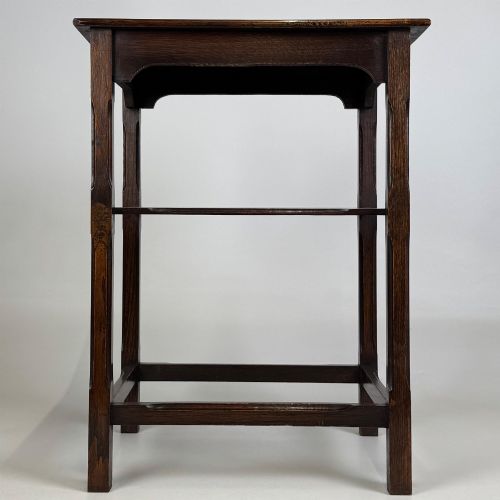
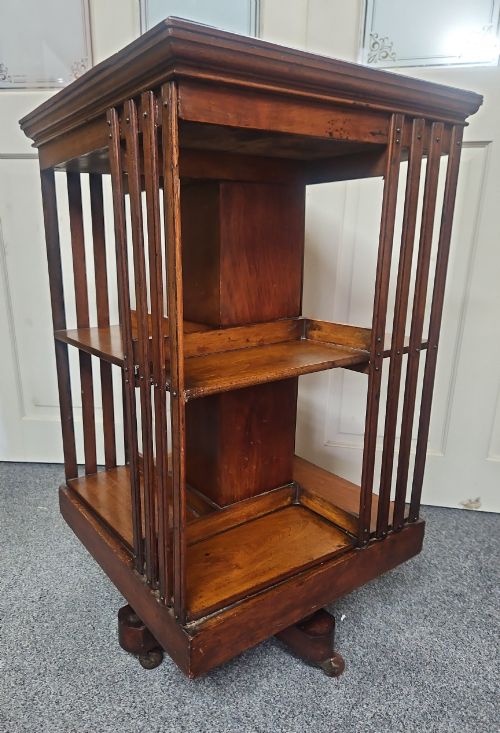
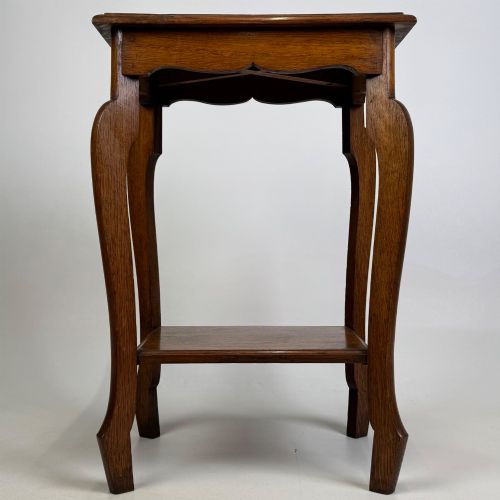
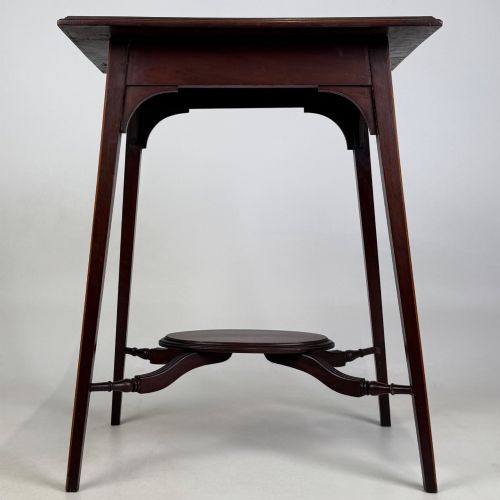
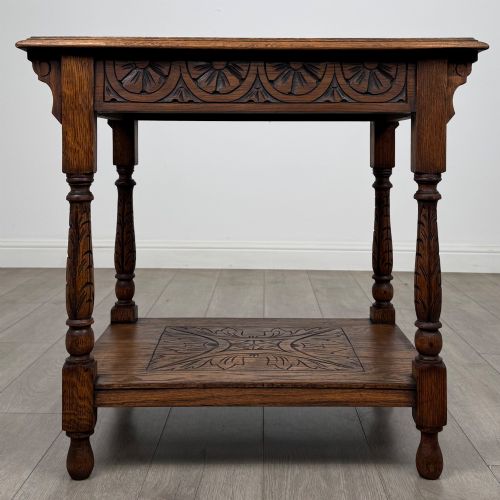
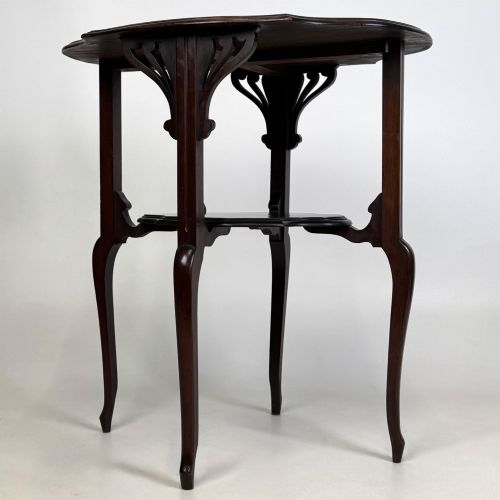
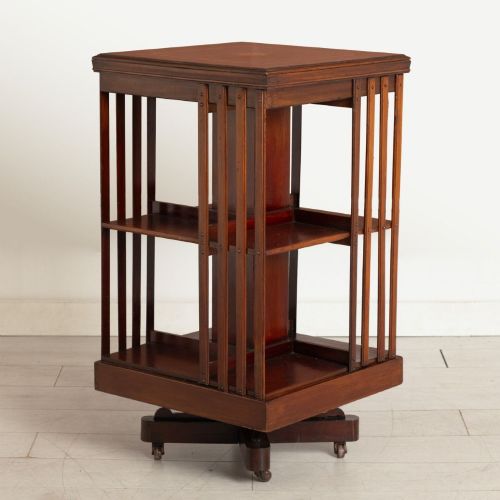
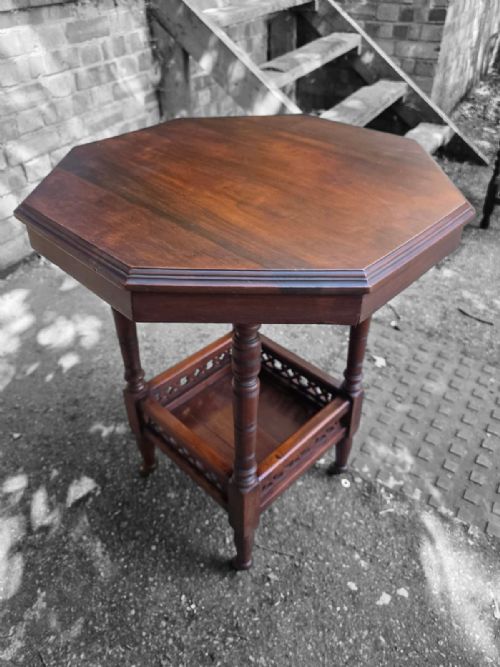
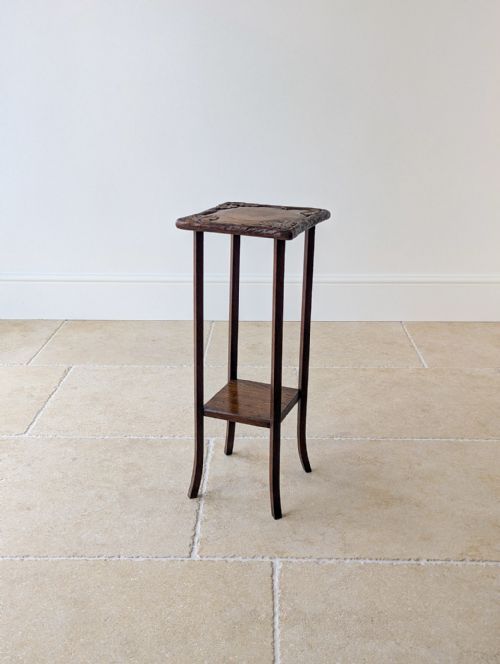
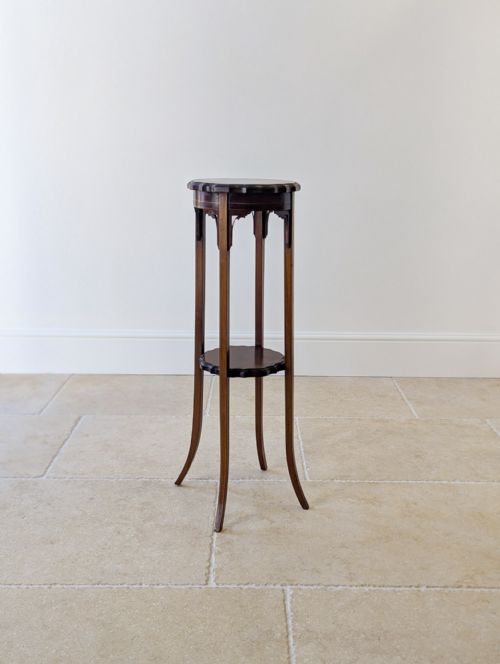
An edwardian two tier stand primarily takes the form of occasional tables, plant stands, and cake stands built with dual levels. These pieces originate predominantly from the Edwardian period, alongside related examples from the Victorian and Georgian eras.
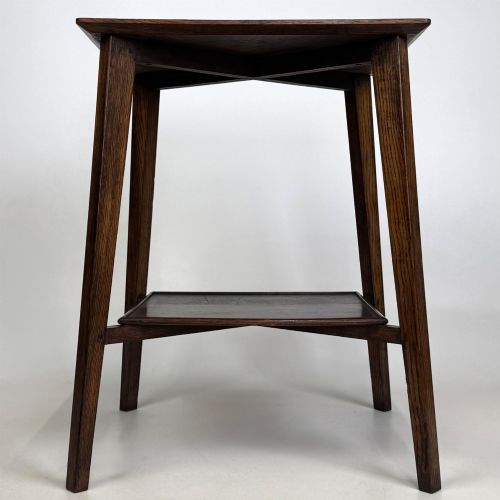
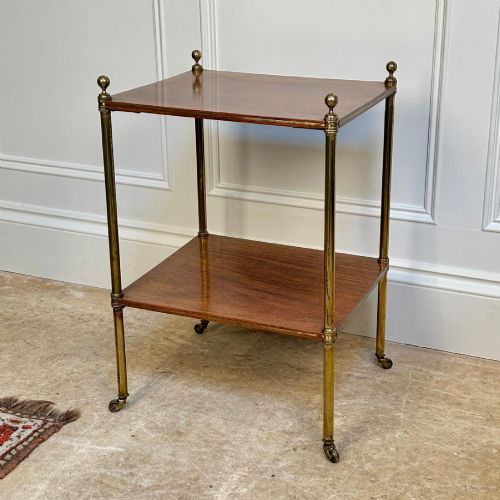
Makers constructed these stands from woods such as mahogany and oak, frequently incorporating satinwood and boxwood inlay or brass details. The lower tier provides additional display or storage space beneath the main surface.
Common variations include square, round, and heart-shaped tops designed to function as lamp tables, plant pedestals, or afternoon tea stands. They reflect the domestic habits and interior tastes of the early twentieth century.
Materials and construction
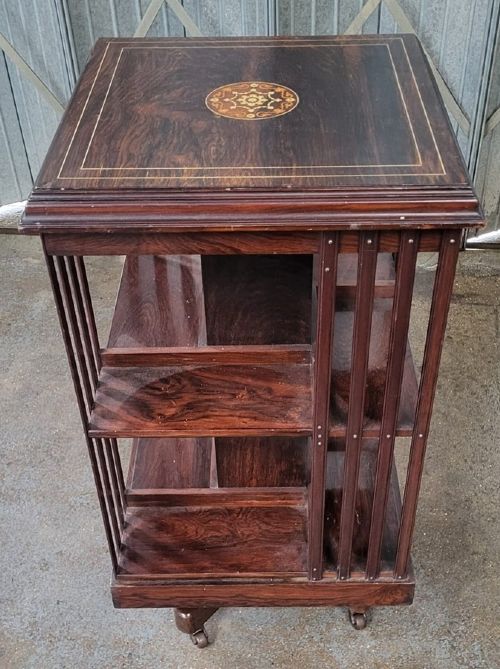
Cabinet makers utilised solid timbers and veneers like mahogany, oak, and rosewood for the structural frames and shelves. Selected pieces feature contrasting satinwood and boxwood inlay arranged in geometric or floral motifs.
Metal elements such as brass handles, brackets, and cast iron components appear on specific variants for reinforcement or decoration. Joinery techniques from the period ensure stability across both upper and lower tiers.
The listings show materials spanning mahogany, oak, brass, satinwood inlay, iron, cast iron, satinwood, and boxwood inlay.
Indicators of quality
Quality rests on the selection of timber figures, such as flame mahogany or quarter-sawn oak, and the precision of any inlaid banding. Finer examples display crisp carving and tight joinery that maintains rigidity across both tiers.
Simpler models rely on plain timber surfaces and straightforward turned supports without decorative stringing or pierced galleries. The integration of secondary materials like brass or specialised tiles elevates the standard of manufacture.
Liberty and Co·Liberty of London
The Edwardian Two Tier Stand Glossary
- Edwardian
- Pertaining to the reign of King Edward VII, spanning from 1901 to 1910, though the style extends slightly either side. Furniture from this era often lighter in proportion than preceding Victorian designs.
- Inlay
- A technique where pieces of contrasting material, such as satinwood or boxwood, are fitted into a recess flush with the wood surface. This creates decorative patterns and borders.
- Occasional table
- A small, movable table designed for specific, intermittent use in a room rather than permanent dining or writing. Examples include lamp tables and tea stands.
- Torchere
- A tall stand or pedestal originally intended to hold a candle or torch, later adapted for lamps or plant displays. These frequently feature slender columns and multi-tier configurations.
Edwardian Two Tier Stand: Frequently Asked Questions
How were two tier stands used originally?
Households utilised these stands for serving afternoon tea, holding lamps, or displaying decorative plants and porcelain figures. The secondary lower shelf provided extra capacity for books or cups.
Over time, owners adapted them to various rooms as portable surfaces positioned beside seating or in corners.
What woods are most common?
Mahogany and oak appear most frequently in surviving examples, often paired with lighter contrasting veneers for inlay work. Rosewood also occurs on select decorative pieces.
These timbers matched the prevalent interior woodwork of the period.
How do I distinguish Edwardian from Victorian furniture?
Edwardian pieces generally exhibit lighter proportions, brighter wood tones, and subtle inlay inspired by eighteenth-century Sheraton designs. Victorian furniture tends to feature heavier construction and darker finishes.
Arts and Crafts examples from both eras prioritize visible construction and simpler forms.
Where should I place a two tier stand in a modern home?
These stands fit well beside armchairs or sofas as lamp tables where the lower tier holds magazines or small items. They also serve as plant pedestals in hallway corners or living spaces.
Their compact footprint allows them to occupy narrow wall spaces without cluttering a room.