
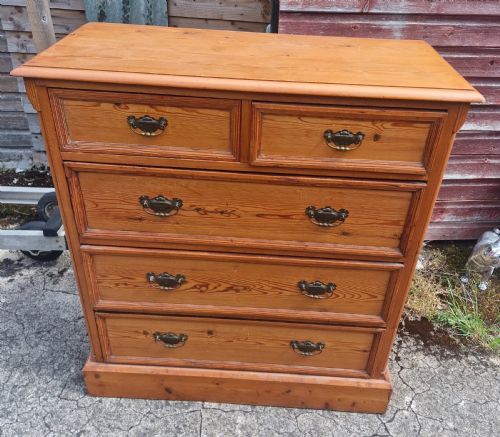


Edwardian Two Over Two
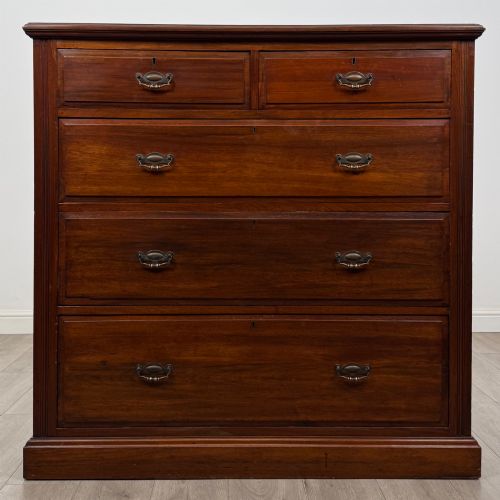
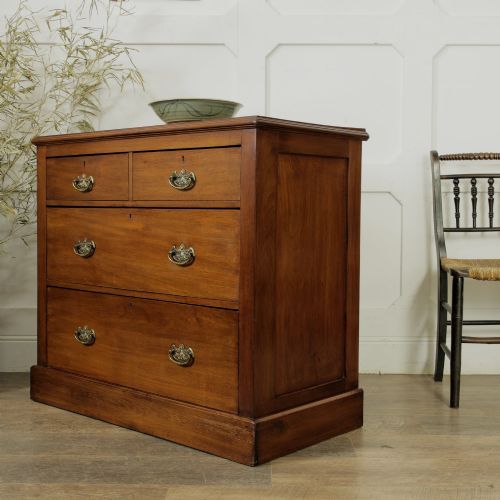
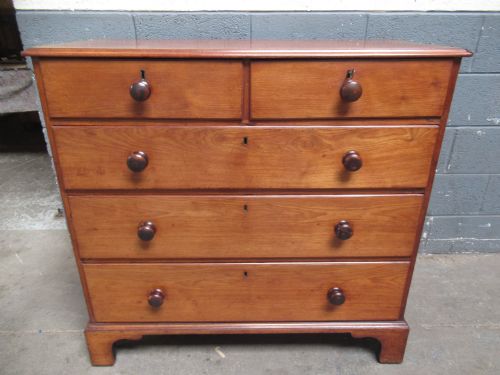
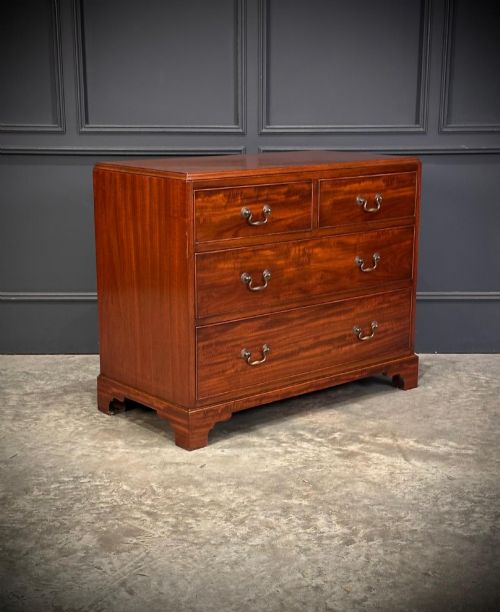
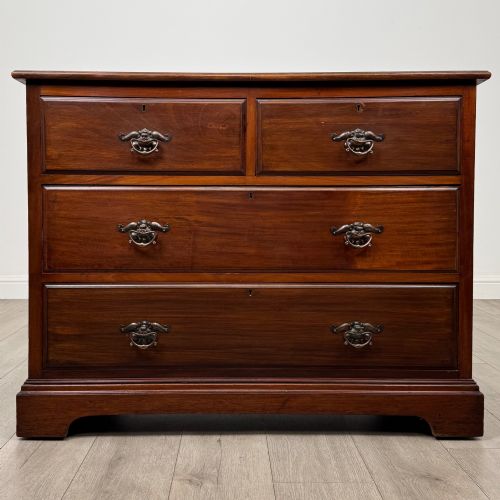
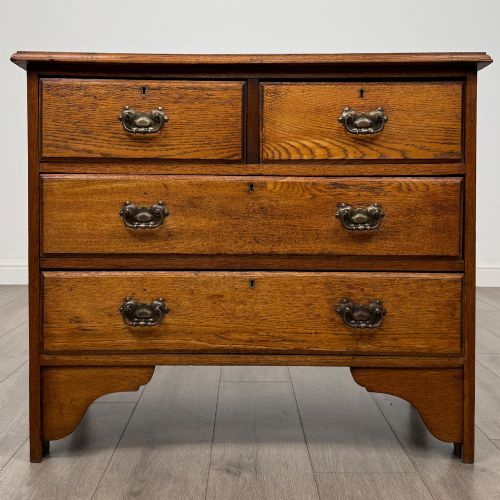
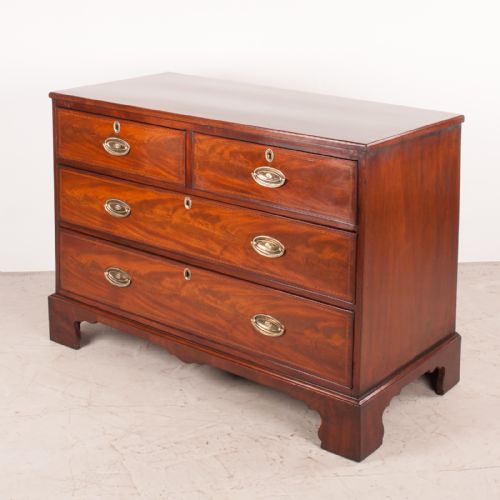
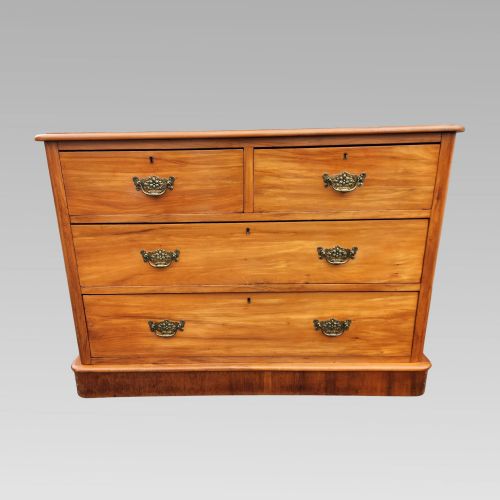
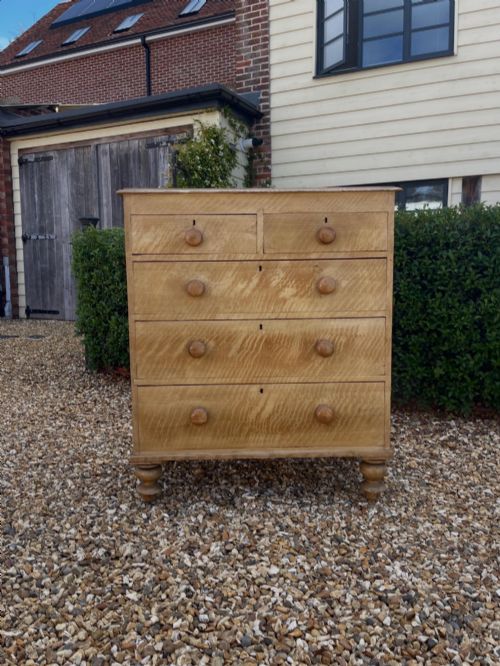
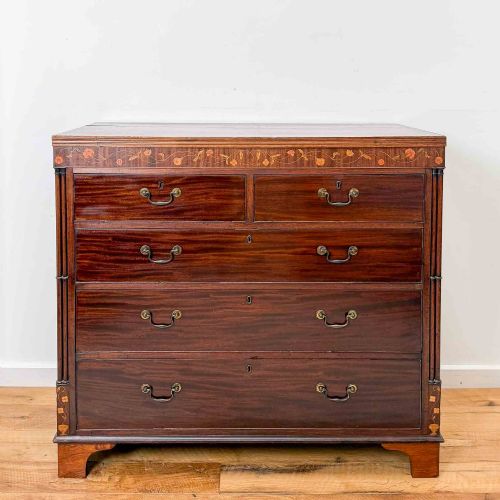
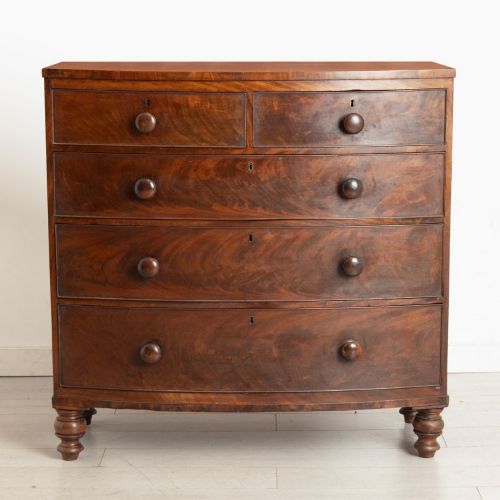
An edwardian two over two drawer chest provides generous bedroom storage through two small upper drawers above two larger ones, bringing balanced proportions to period interiors.
Edwardian Two Over Two
When searching for an edwardian two over two, collectors examine storage furniture designed with a balanced facade of two smaller drawers positioned above two wider ones. This particular configuration appears on pieces originating across the Edwardian period, alongside Victorian, nineteenth-century, and twentieth-century examples.
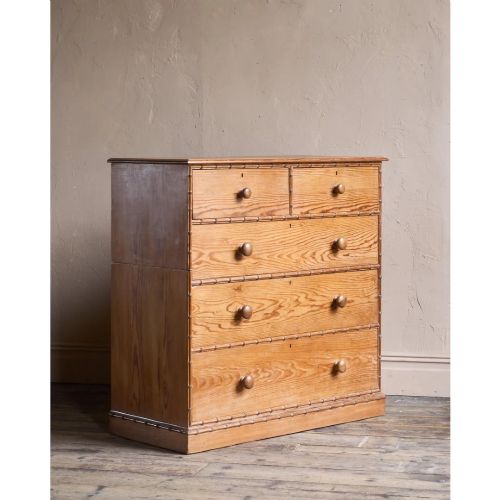
The pieces listed on this page encompass chests of drawers in mahogany, satinwood, oak, pine, and walnut, frequently showing styles that range from Edwardian and Victorian to Arts and Crafts. While the archive reveals related mirrors and tables, the current selection focuses squarely on substantial drawer units built for domestic utility.
Materials and Construction
Cabinet makers constructed these chests using durable hardwoods such as mahogany, walnut, and oak, alongside softer timbers like pine for internal framework and secondary sections. Timber selection dictated the structural integrity and finish of each piece, with dense hardwoods allowing for precise drawer joints and smooth operation.
Decorative surface treatments frequently include satinwood veneers, floral inlay details in contrasting boxwood, and faux bamboo or gilt elements. Workshops relied on traditional joinery techniques to house the multiple drawers securely within the carcass, ensuring stability across both compact and large formats.
Current listings feature pieces built from mahogany, oak, pine, satinwood, and walnut, spanning the Victorian and Edwardian periods.
Evaluating Quality and Craftsmanship
Quality reveals itself in the careful selection of timber figures, such as flame mahogany or figured walnut, and the precision of inlaid details. Superior examples maintain original handles, intact drawer linings, and clean internal timber without significant replacement parts.
The refinement of the drawer arrangement and the crispness of edge mouldings separate standard utilitarian pieces from workshop items of higher ambition. Structural soundness in the carcase and smooth drawer runners determine the long-term utility of each chest.
Howard and Sons·Harris Lebus·Morison and Co
The Edwardian Two Over Two Glossary
- Edwardian
- Relating to the period spanning the reign of King Edward VII from 1901 to 1910, often extended to encompass furniture made from the late 1890s to the outbreak of the First World War. This era favoured lighter woods and refined inlay work compared to heavy Victorian designs.
- Inlay
- A decorative technique where pieces of contrasting timber, such as boxwood or satinwood, are inserted into recessed sections of the primary wood surface. This creates flat ornamental patterns and floral motifs across the drawer fronts.
- Satinwood
- A hard, durable timber with a natural golden sheen and smooth texture, frequently utilised for fine veneer work during the Edwardian period. It provides a bright surface contrasted by darker banding.
- Carcase
- The main structural body or framework of a piece of furniture, excluding the drawers, doors, and feet. A solid carcase ensures the chest maintains its square alignment over decades of use.
- Bow front
- A convex curved front facade on a chest of drawers, requiring specialised joinery to shape the timber drawer fronts and frame to a gentle arc.
Edwardian Two Over Two: Frequently Asked Questions
How do I date an Edwardian chest?
Dating an Edwardian chest involves examining the timber species, construction methods, and decorative motifs characteristic of the period between 1901 and 1910. Lighter woods like satinwood and delicate floral inlay often point toward this specific era.
Checking the secondary timbers inside the drawers and the style of the brass hardware helps confirm whether the piece originates from the Edwardian years or earlier Victorian decades.
Where were these chests used?
These chests served primarily as bedroom storage furniture for garments, linens, and personal accessories in domestic homes. Their practical proportions allowed them to fit comfortably against bedroom walls without dominating the floor space.
Over time, owners also placed them in hallways, dressing rooms, and living spaces to provide accessible surface space and concealed storage.
How do I care for antique wood?
Caring for antique wood requires maintaining stable room humidity and avoiding direct placement near heat sources or bright sunlight. Regular dusting with a soft, dry cloth preserves the polished surface without building up chemical residues.
Occasional applications of appropriate wax feed the timber and protect historical finishes without altering the natural patina developed over the centuries.