
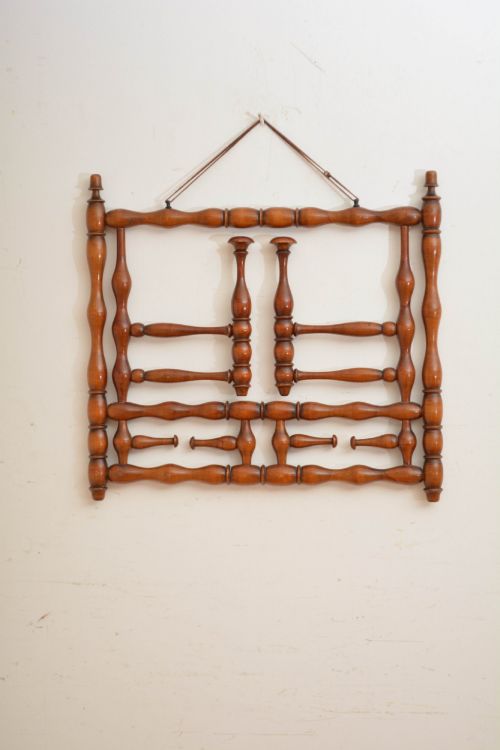


Edwardian Turned Wood Rack
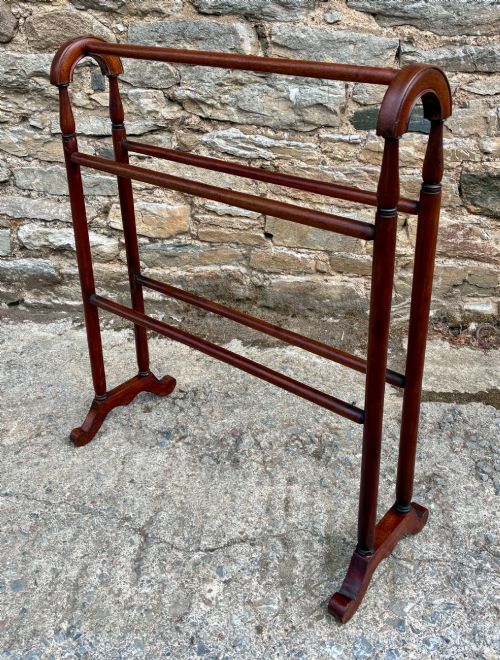
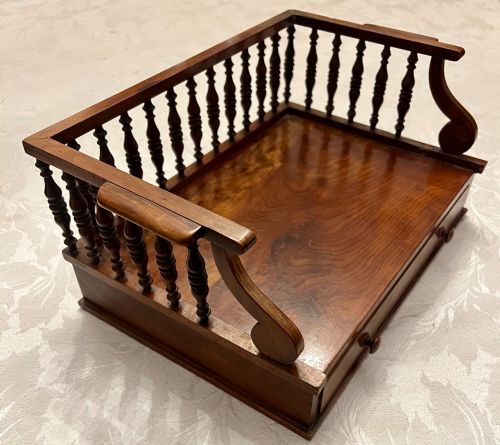
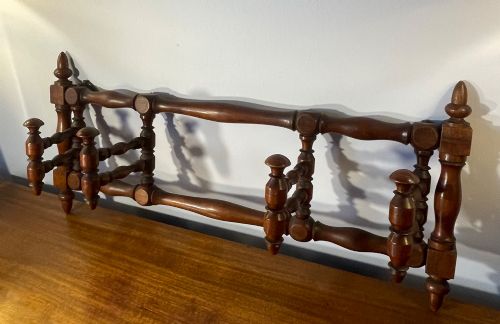
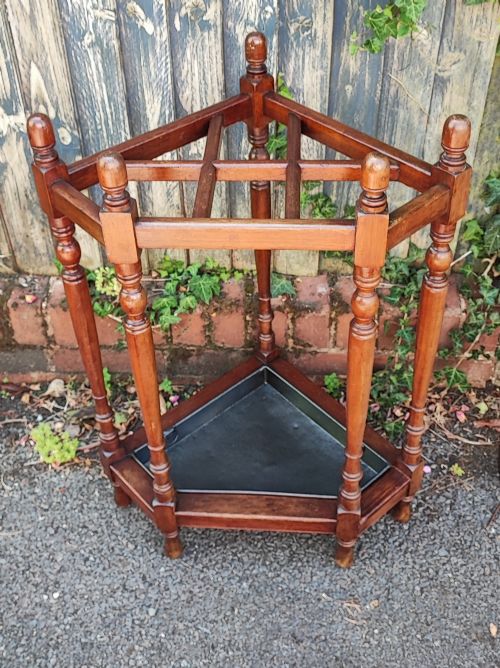
These Edwardian turned wood rack pieces are practical hall furniture designed to hold coats, hats and sticks, bringing domestic utility and solid timber construction to an interior.
Edwardian Turned Wood Rack
When you search for an Edwardian turned wood rack, you encounter hall furniture and utility pieces primarily shaped from mahogany, ash, and beech. The selection spans the Victorian era and the turn of the twentieth century, alongside specific items from eighteen seventy and eighteen eighty.
The forms on this page include wall-mounted coat racks, corner stick stands, umbrella stands, and luggage stands. Towel rails and tiered shelving units also appear within the wider group of turned wood items.
Most examples lean towards functional domestic designs in mahogany or ash. Turnings define the legs and uprights, giving these practical items their characteristic profile.
How they were made
Turning lathes produced the cylindrical legs and uprights seen on luggage racks and umbrella stands. Joinery methods relied on sturdy framing to bear the weight of coats, luggage, and heavy walking sticks.
Several pieces arrive complete with their original castors, ready to roll across the hall floor after more than a century.
What varies in quality
Quality rests on the choice of timber and the precision of the turning work. Dense mahogany and substantial ash show greater durability than softer woods, while crisp turning details elevate the appearance of uprights and feet.
Original elements such as brass castors or matching hooks distinguish superior items from standard utility pieces. The weight and solidity of the frame determine how well the rack performs its domestic function.
The Edwardian Turned Wood Rack Glossary
- Turned wood
- Timber shaped on a lathe to create symmetrical, rounded profiles. This technique appears on the legs and uprights of stands and racks.
- Bentwood
- Wood softened by steam and bent into curved shapes. This method creates the frames for specific coat stands in the collection.
- Luggage stand
- A low folding or rigid platform used in bedrooms or halls for holding travel bags. These pieces often feature slatted tops and turned supports.
- Whatnot
- A multi-tiered open shelving unit designed for display. These pieces use turned supports between the shelves.
Edwardian Turned Wood Rack: Frequently Asked Questions
What is an Edwardian turned wood rack used for?
These pieces served practical roles in hallways and bedrooms, holding outdoor garments, hats, and walking sticks.
They provided organised storage for household items before built-in closets became standard in domestic architecture.
How do I identify an Edwardian piece?
Edwardian items date from the early twentieth century and often feature lighter mahogany or ash timbers compared to heavier mid-Victorian pieces.
The turning styles and joinery methods reflect the manufacturing standards typical of the nineteen hundreds.
Are bentwood stands durable?
Bentwood relies on steam-formed timber to achieve curved structural lines without traditional joinery.
This technique creates surprisingly resilient frames that support the weight of heavy coats and umbrellas.
Where should I place a luggage stand?
Luggage stands work well in guest bedrooms as functional surfaces for bags or as spare display tables.
Their sturdy timber construction and turned feet suit traditional hallway and bedroom interiors.