


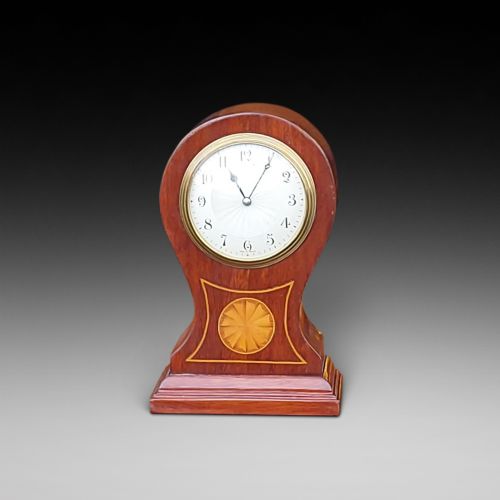

Edwardian Timekeeper Clock
These edwardian timekeeper clock examples range from carriage clocks to mahogany mantel designs, offering functional timekeeping rooted in early twentieth-century craftsmanship.

Edwardian Timekeeper Clock
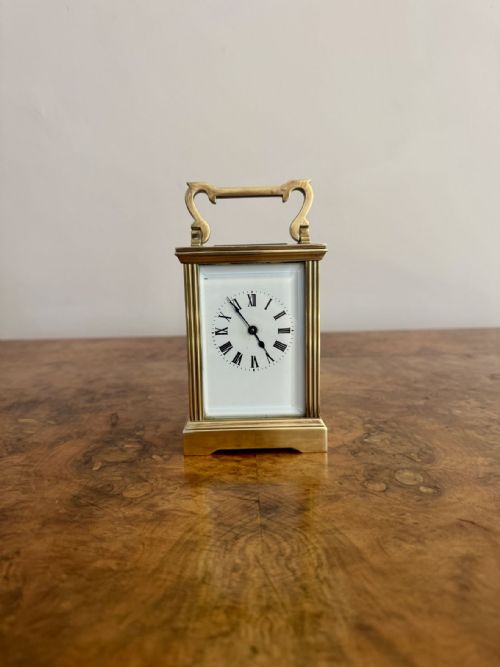
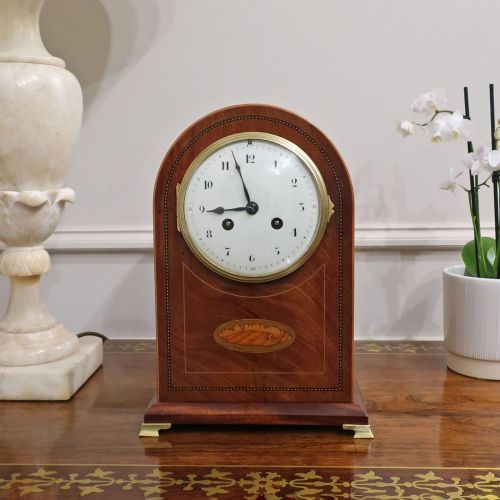
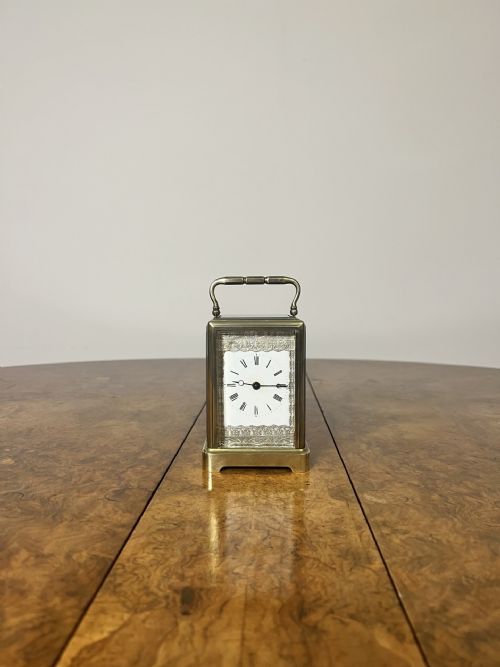
An edwardian timekeeper clock encompasses a variety of domestic timepieces, most frequently appearing on this page as mahogany mantel clocks and brass carriage clocks. These objects served functional purposes in period homes, functioning as reliable timekeepers in domestic rooms.
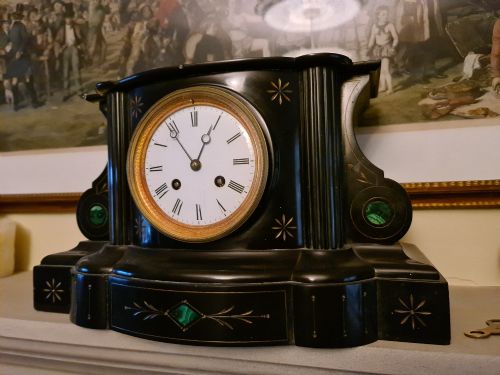
The selection includes pieces spanning the Edwardian period, Victorian era, and into the Art Deco years of the 1930s. Buyers will encounter wall clocks, desk clocks, and striking mantel pieces alongside portable carriage formats.
Mantel clocks dominate the offering, often constructed from mahogany and frequently decorated with inlaid details. Carriage clocks provide a smaller, portable alternative housed in brass cases with glass panels.
Factors of quality
The standard of an edwardian timekeeper clock rests upon the refinement of its case materials and the intricacy of its decoration. Pieces featuring detailed satinwood inlay or fully restored repeating movements occupy the higher tier of the range.
Object forms include standard mantel clocks, wall clocks, desk clocks, drop dial clocks, and portable carriage clocks.
J Batson & Son·W. Burton·Dent of London·Goldsmiths
The Edwardian Timekeeper Clock Glossary
- Carriage clock
- A small, portable spring-driven clock designed for travel, typically housed in a brass frame with glass panels. These pieces often feature swinging handles on top.
- Fusee
- A conical pulley used in older clock mechanisms to maintain even tension on the gear train as the mainspring unwinds. This device assists in keeping time accurate.
- Inlay
- A decorative technique where contrasting woods or materials are inserted into recessed portions of a base surface. Mahogany mantel clocks frequently employ this method for visual effect.
- Repeating clock
- A timepiece equipped with a mechanism that can strike the hours and quarters upon demand when a lever or button is pressed. This function added convenience before electric lighting was common.
- Mantel clock
- A clock designed to sit upon the shelf or mantelpiece above a fireplace. These domestic objects often feature wooden cases made from mahogany or walnut.
Edwardian Timekeeper Clock: Frequently Asked Questions
How do I wind a carriage clock?
Most carriage clocks use a key inserted into the winding square on the backplate. Turn the key gently until resistance is felt.
Avoid over-winding the mainspring, as this can damage the internal mechanism. Consult the specific movement type before applying tension.
Where should I place a mantel clock?
Mantel clocks suit stable horizontal surfaces such as sideboards, shelves, or traditional fireplace mantels. Ensure the location avoids excessive dampness or direct heat.
Level placement is essential for pendulum or balance wheel mechanisms to beat evenly. A tilted surface will cause the clock to stop keeping time correctly.
What is a fusee movement?
A fusee is a conical pulley connected to the mainspring by a chain or cord. It compensates for the decreasing power of the spring as it unwinds.
This mechanical arrangement provides steady force to the gear train throughout the running period. It is commonly found in better quality British clocks from the nineteenth and early twentieth centuries.
How do I tell an Edwardian clock from a Victorian one?
Edwardian clocks often display lighter woods, simpler inlaid patterns, and influences from the Belle Epoque or early Art Nouveau styles. Victorian examples tend to use heavier timber frames and more ornate ornamentation.
Examination of the maker's mark, dial construction, and wood choice helps clarify the production era. Many listings provide approximate dates based on these stylistic indicators.