

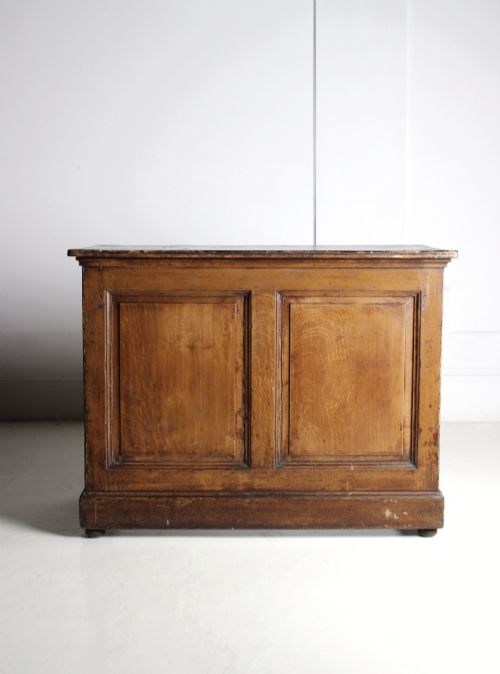
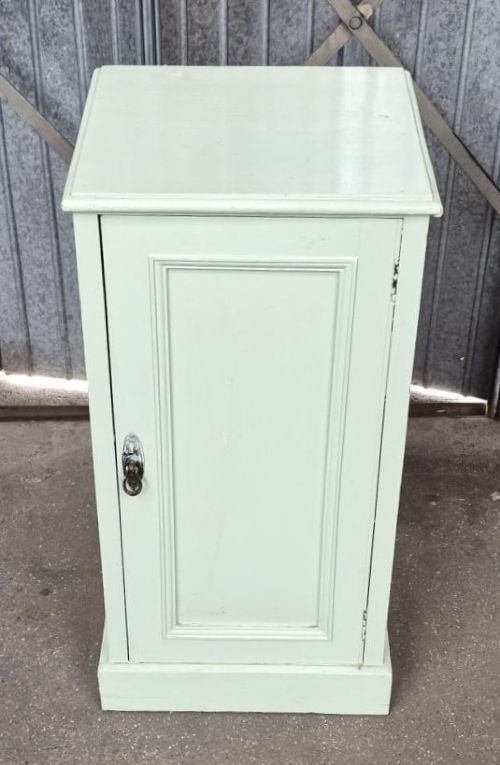
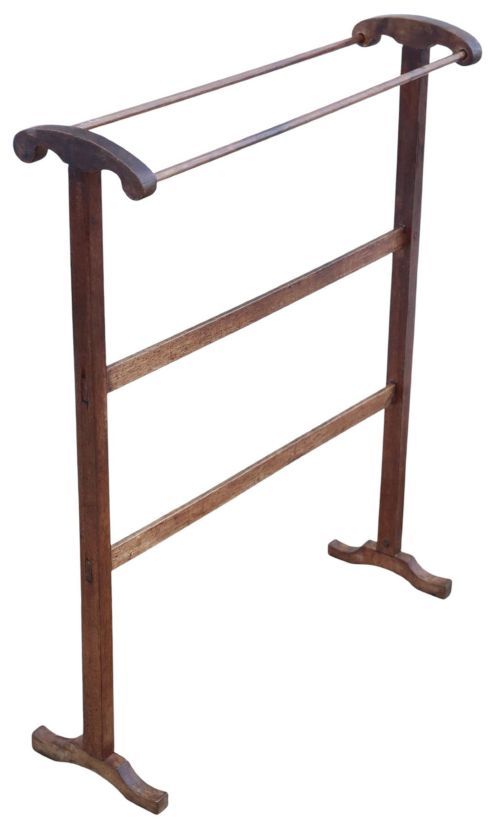
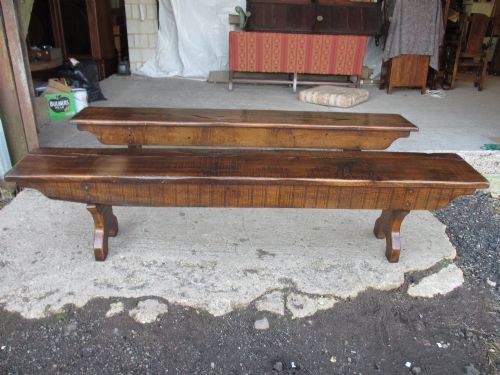

Edwardian Timber Furniture
Edwardian timber furniture brings together mahogany, oak and walnut pieces from the turn of the twentieth century that ground a room with practical utility and domestic craftsmanship.
Edwardian Timber Furniture
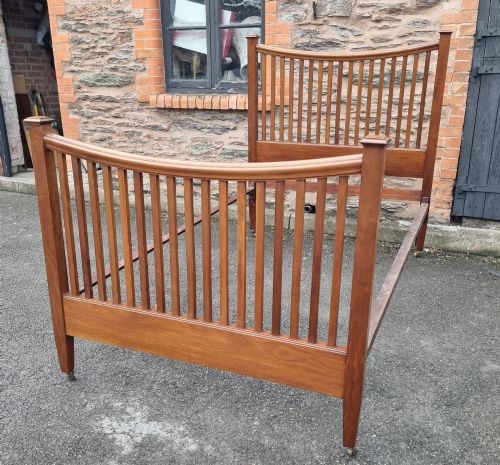
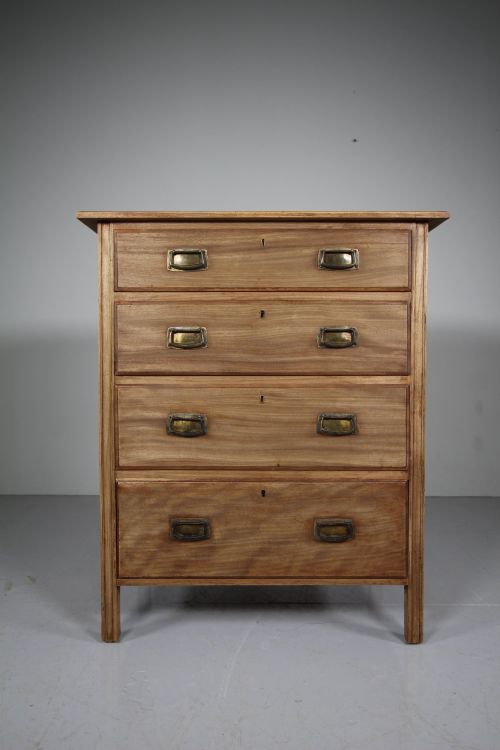
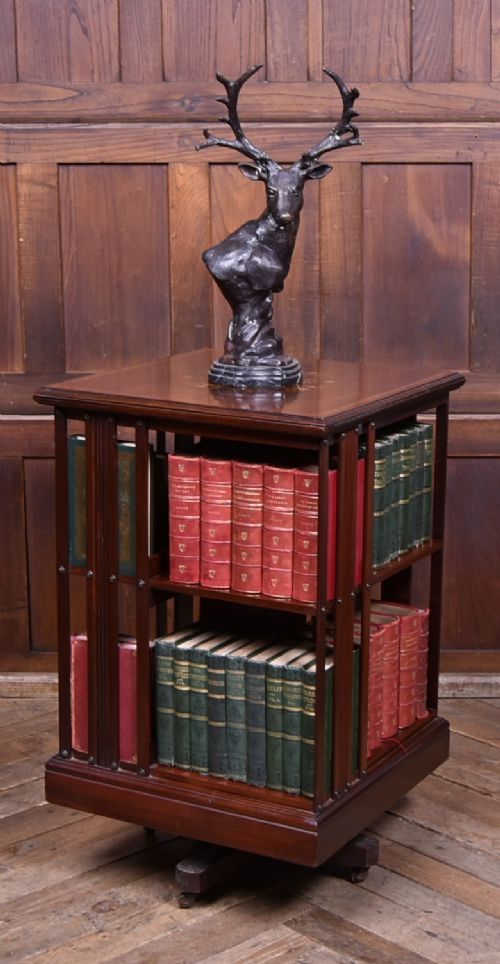
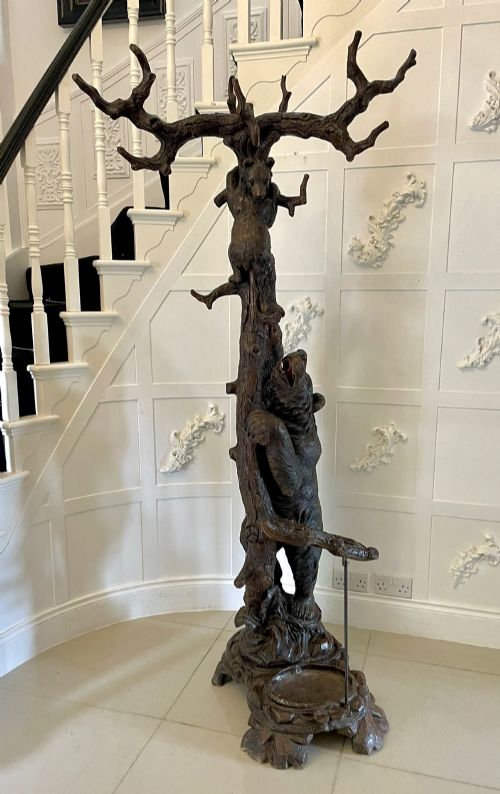
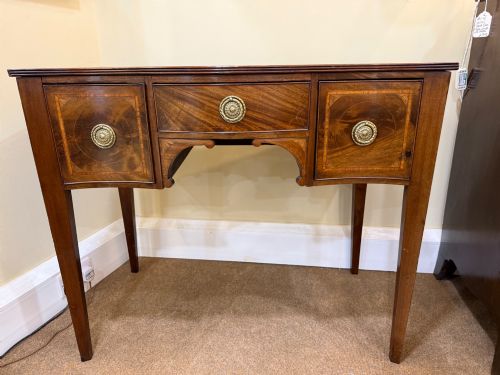
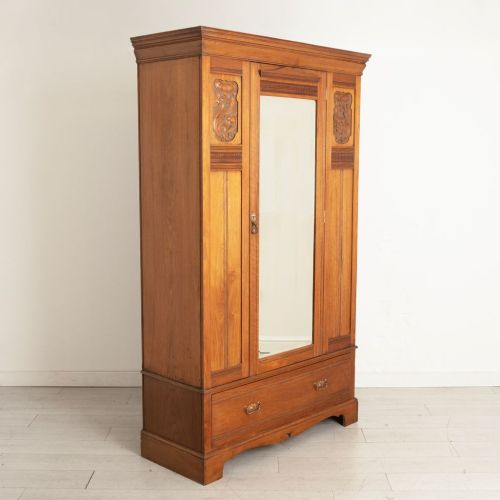
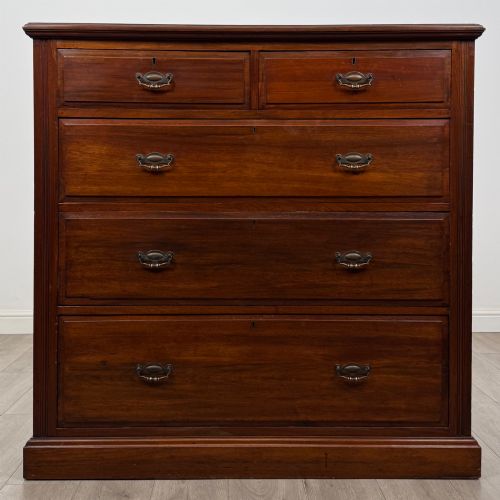
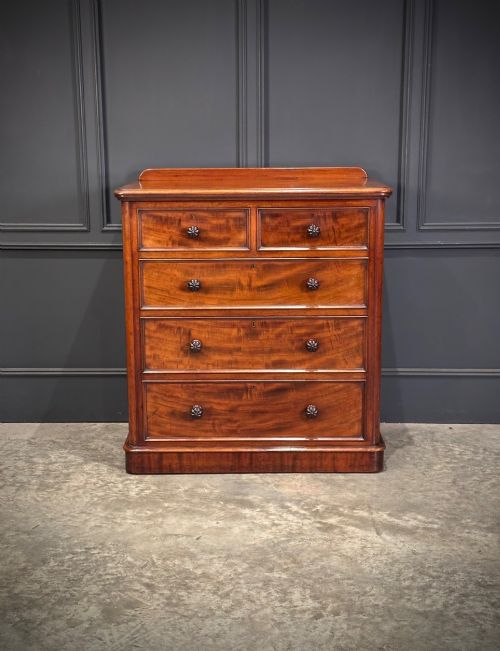
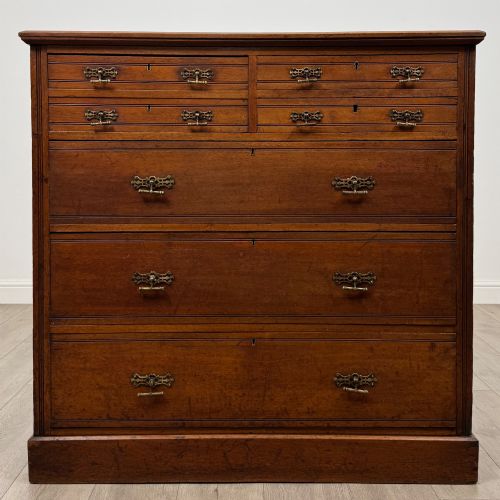
Edwardian timber furniture encompasses domestic wooden items produced around the early twentieth century alongside adjacent Victorian and revival periods. Buyers encounter practical forms such as chests of drawers, desks, bookcases, hall stands, cabinets and benches.
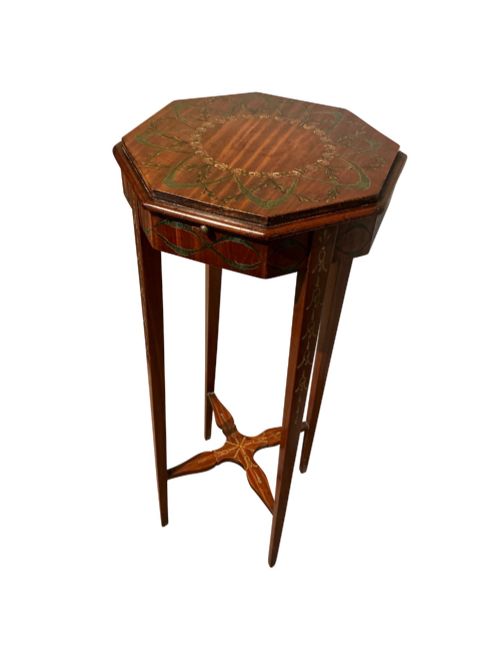
The material palette spans mahogany, oak, walnut and satinwood, frequently paired with brass and glass details. Pieces range from straightforward bedroom storage to elaborate carved hall stands and inlaid display cabinets.
How they were made
Cabinet makers utilised solid hardwoods and fine veneers, building structural carcases in oak and mahogany while applying decorative satinwood or walnut surfaces. Joinery relied on traditional methods including dovetailing for drawers and mortise and tenon joints for frames.
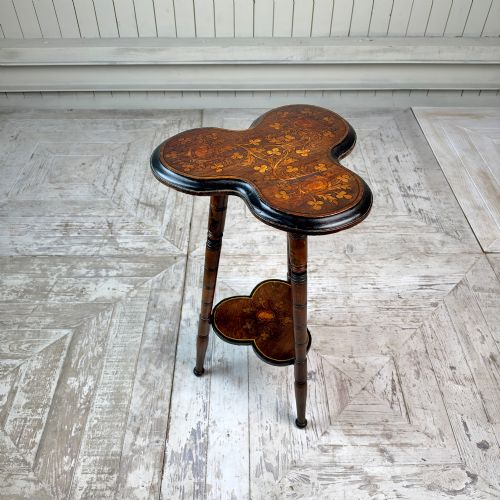
Surface treatments involved hand-waxing, polishing or painting, occasionally incorporating applied carvings, turned elements and brass hardware. Certain workshop pieces also featured bentwood techniques or inlaid stringing to create contrast.
Edwardian Timber Furniture Retail Price Guide 2026
Typical asking prices for edwardian timber furniture among the pieces listed under this phrase on Sellingantiques today, from the lower quarter to the upper quarter. They describe what is for sale here now, not the wider market.
Current listings feature items spanning the 1880s through to the 1930s, constructed primarily in mahogany, oak and walnut.
What varies in quality
Quality depends on the selection of timber grain, the precision of the joinery and the integrity of the original hardware. Finer examples display matched veneer panels, carefully hand-cut dovetails and well-executed carving rather than mechanical shortcuts.
Maker attribution and documented provenance separate standard utility items from exhibition-grade commissions. Pieces bearing stamps or labels from recognised workshops retain distinct construction traits that elevate their standing.
Shapland and Petter·Jas Shoolbred·Trollope and Sons·Whytock and Reid·Waring and Gillows·Heals
The Edwardian Timber Furniture Glossary
- Dovetail
- A traditional wood joint formed by interlocking wedge-shaped fingers. This construction secures drawer corners and frame structures against lateral pull.
- Satinwood
- A durable hardwood yielding a lustrous yellowish grain. Cabinet makers utilised it for decorative veneers and fine inlaid furniture.
- Campaign furniture
- Portable wooden items built in sections with recessed brass fittings for military transport. These pieces dismantled easily for travel.
- Bergere
- An upholstered wooden armchair featuring woven cane panels on the back and sides. The technique provides light, flexible support.
- Inlay
- A decorative method where contrasting timber, shell or metal pieces are fitted flush into a carved recess. It defines geometric and floral patterns on cabinet fronts.
Edwardian Timber Furniture: Frequently Asked Questions
What defines Edwardian furniture styles?
Edwardian furniture draws upon lighter proportions than preceding Victorian designs, often incorporating Sheraton Revival influences alongside Arts and Crafts simplicity.
Makers favoured clean lines, satinwood inlay and practical forms suited to middle-class homes.
How do I identify mahogany timber?
Mahogany exhibits a deep reddish-brown tone that darkens with age and exposure to light. The grain ranges from straight patterns to rich, swirling figures.
It provides durability and stability for heavy case pieces and dining furniture.
Where were hall stands placed?
Hall stands stood in entranceways and lobbies to receive hats, coats, umbrellas and walking sticks upon arrival. They frequently incorporated mirrors, brass hooks and small glove drawers.
Oak and walnut remained popular woods for these large structural items.
How should I care for antique wood?
Antique timber benefits from gentle dusting with a dry cloth and occasional application of traditional beeswax. Avoid placing wooden items near direct heat sources or strong sunlight.
Proper humidity prevents the wood and veneer from drying out and cracking.