


Edwardian Timber Desk
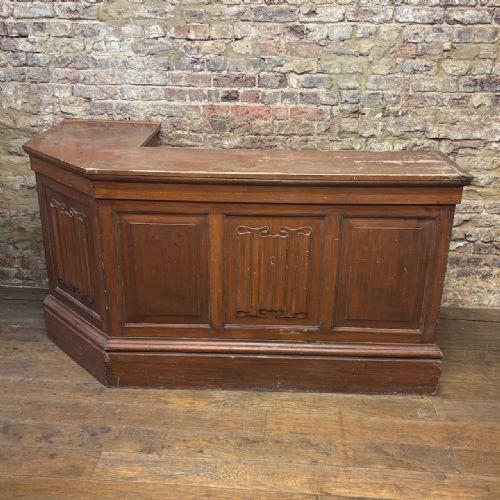
An edwardian timber desk offers sturdy writing surfaces and period character, prized by collectors for genuine mahogany and oak construction.
Edwardian Timber Desk
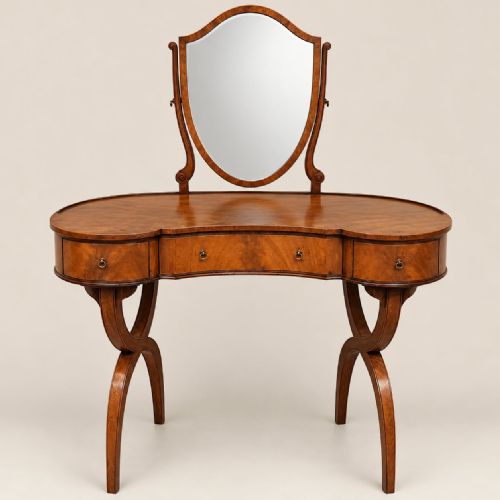
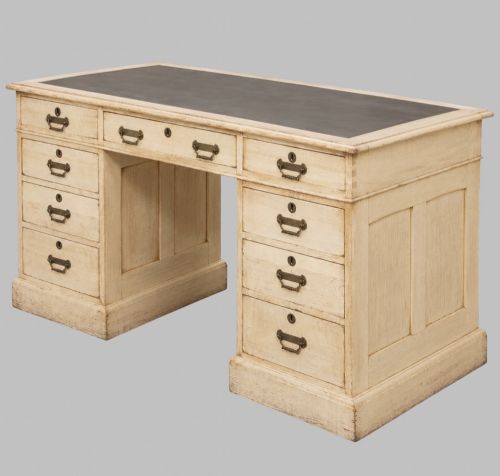
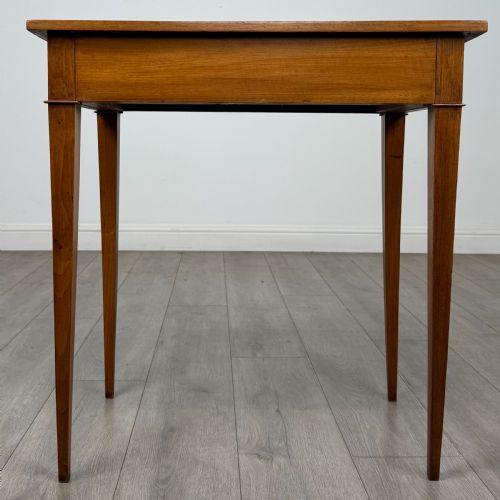
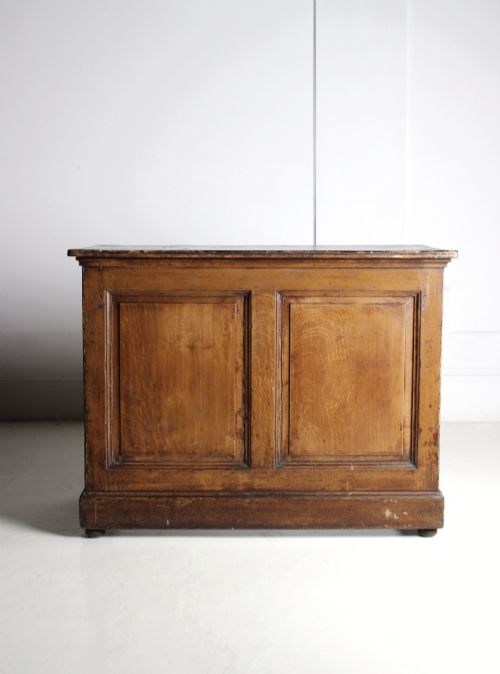
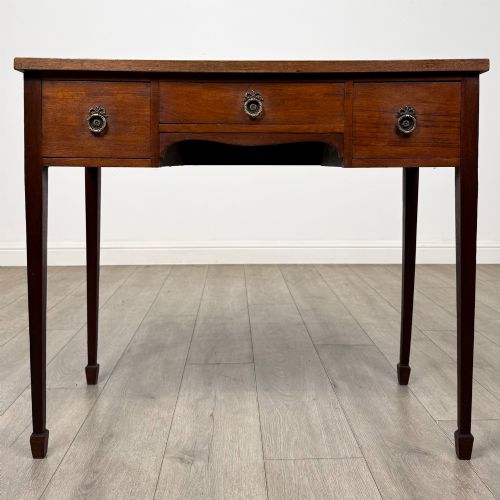
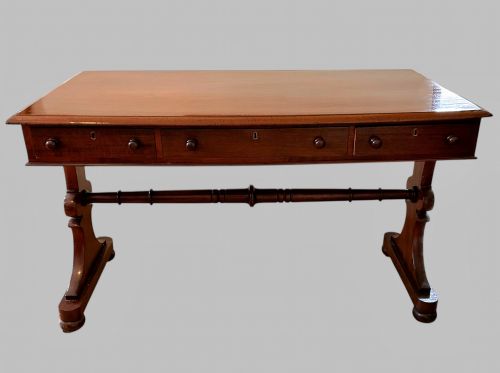
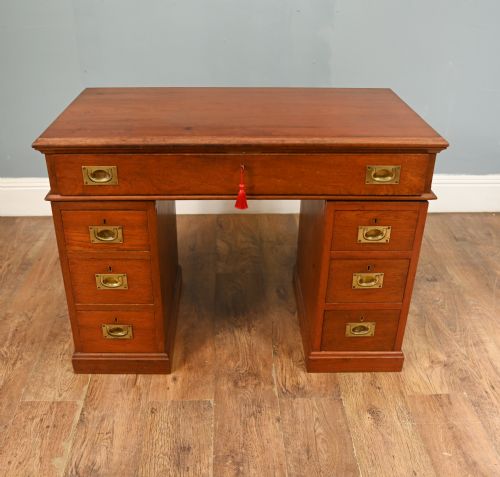
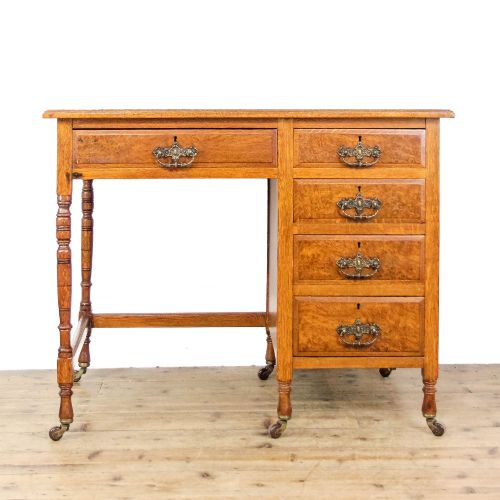
When searching for an edwardian timber desk, buyers encounter workspace furniture dating primarily from the early twentieth century alongside related Victorian and nineteenth-century examples. The selection includes writing tables, pedestal desks, and kneehole forms built for domestic and professional studies.
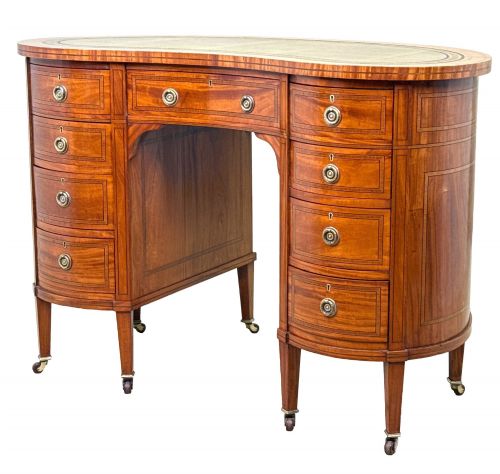
Most pieces on this page utilise rich timbers such as mahogany, oak, and satinwood, occasionally featuring inlay or leather writing inserts. These tables range from compact writing desks to large pedestal partners desks designed for central room placement.
Originating largely from British workshops of the period, these desks display functional drawers and traditional joinery. Buyers frequently find smaller writing tables alongside substantial pedestal formats matching the search phrase.
What varies in quality
Quality differences stem from the selection of timber and the precision of the cabinetmaker's joinery. Desks built with dense, figured mahogany or quarter-sawn oak sit at the upper end of the range.
Edwardian Timber Desk Retail Price Guide 2026
Typical asking prices for edwardian timber desk among the pieces listed under this phrase on Sellingantiques today, from the lower quarter to the upper quarter. They describe what is for sale here now, not the wider market.
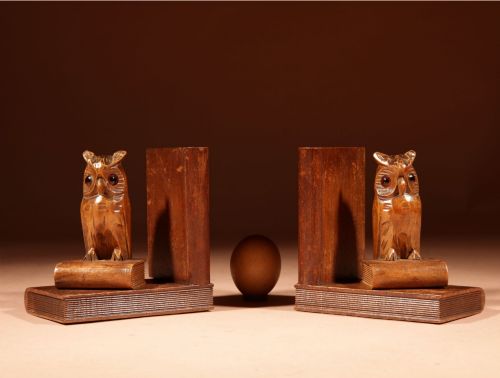
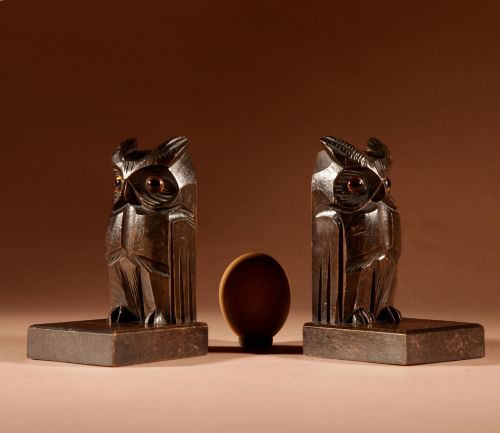
Several items showcase whimsical hand-carved Black Forest animal motifs, including scholarly owls serving as bookends and dogs holding inkwells.
Trollope & sons
The Edwardian Timber Desk Glossary
- Pedestal desk
- A freestanding desk comprising two supporting pedestals of drawers with a central connecting writing surface. This form provides substantial storage and a finished back for placement in the middle of a room.
- Satinwood
- A hard, durable timber with a characteristic golden-yellow sheen used extensively for fine veneers and stringing inlay on Edwardian furniture. It catches the light and adds brightness to writing surfaces.
- Kneehole desk
- A desk featuring a central recess for the user's legs, flanked by banks of drawers on both sides. This layout maximises storage capacity while maintaining a compact footprint.
- Dovetail joint
- A traditional interlocking woodworking joint utilised in drawer construction to ensure lasting strength. Fine examples show tight, numerous pins cut by hand.
Edwardian Timber Desk: Frequently Asked Questions
How do I identify an Edwardian desk?
Edwardian desks typically date from 1901 to 1910 and often feature lighter timbers, subtle inlay work, and refined proportions inspired by earlier Georgian revivals.
Examine the secondary woods inside the drawers and the style of construction to confirm the period against Victorian or later pieces.
What is a kneehole desk?
A kneehole desk is a form with a central space for seating, flanked by one or two banks of drawers. They provide ample storage without taking up excessive floor space in a study.
Larger versions may include cupboards behind the pedestals for additional security.
How should I care for a mahogany desk?
Keep timber desks away from direct sunlight and heat sources to prevent the wood from drying out or warping. Regular dusting with a soft cloth and occasional application of quality wax preserves the finish.
Avoid using silicone-based polishes that can damage antique surfaces over time.
Are these desks suitable for daily work?
Many period desks function well for modern writing and laptop use, provided the writing height matches your chair. Pedestal and partner desks offer generous surface area and drawer space for daily organisation.
Check the internal drawer dimensions if you require specific storage for modern stationery or electronics.