




Edwardian Tea Service
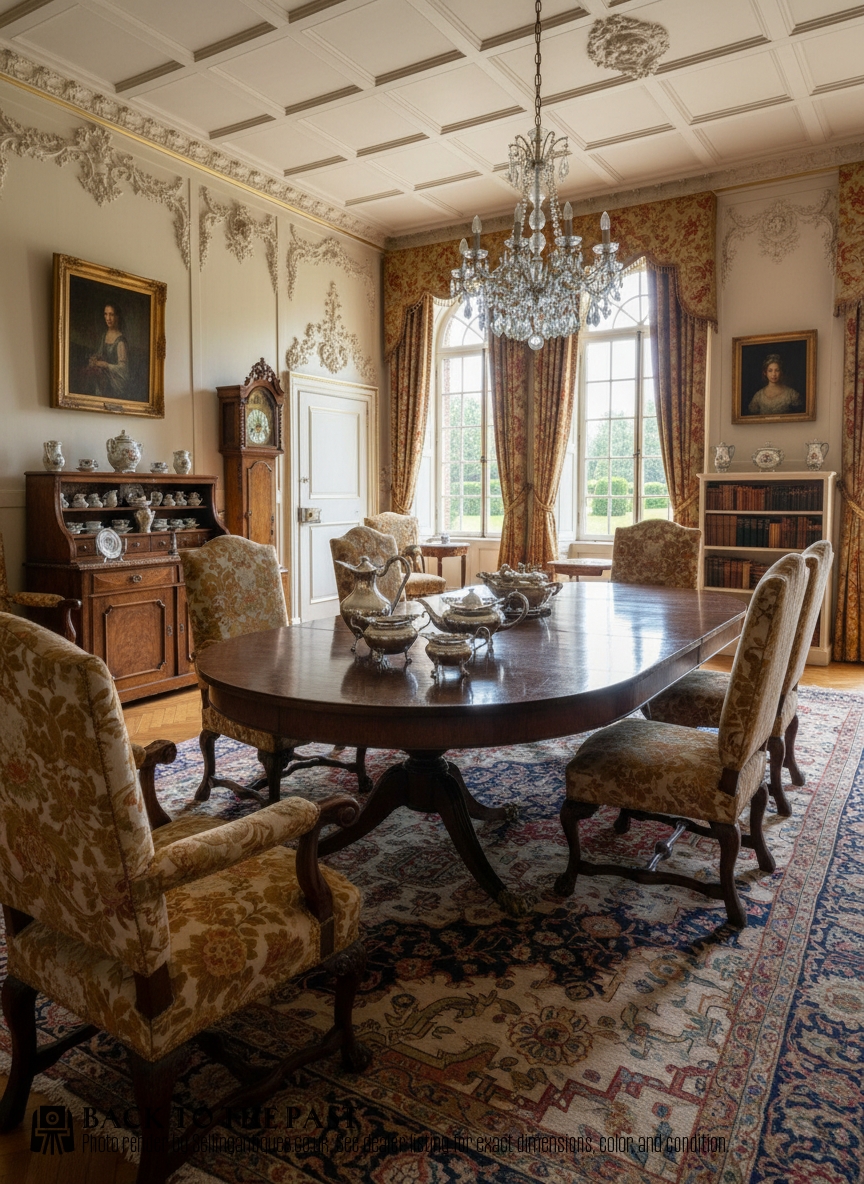
An Edwardian tea service brings the formal hospitality of the early twentieth century directly to the modern table.
Edwardian Tea Service
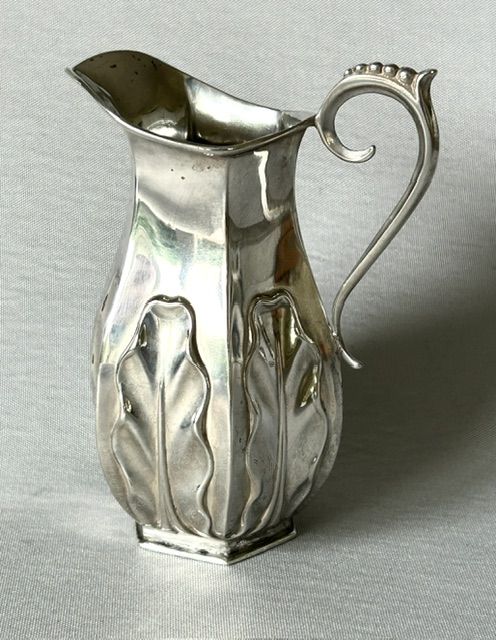
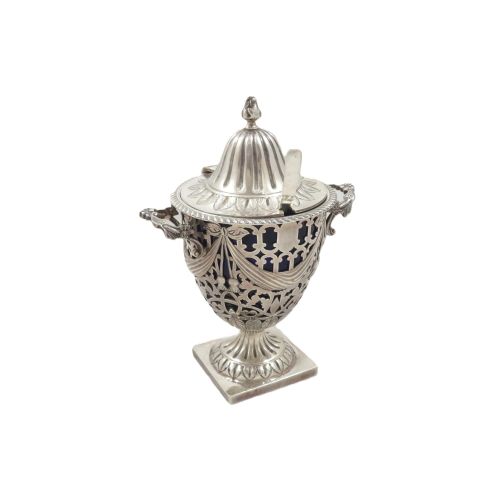
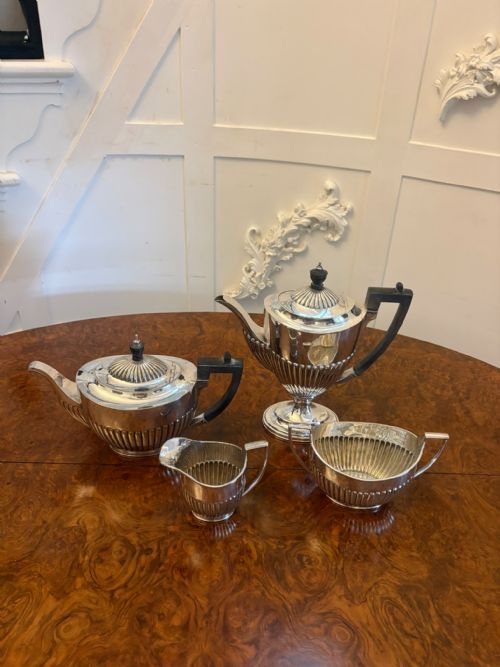
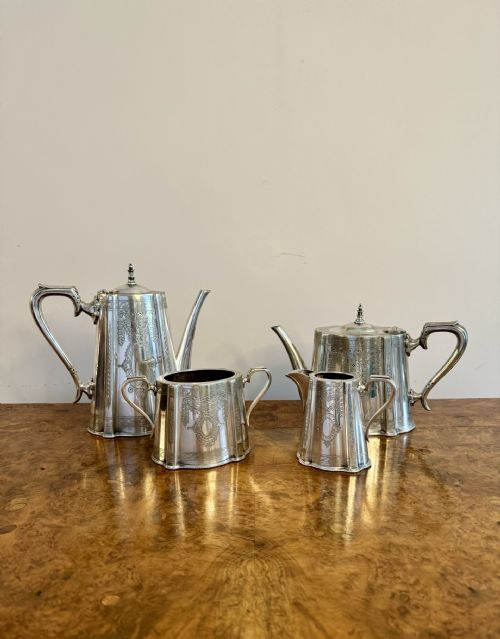
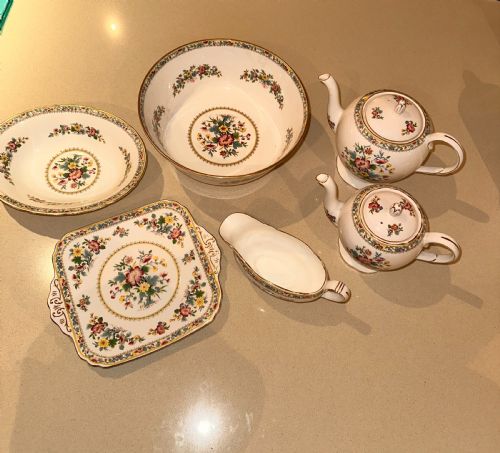
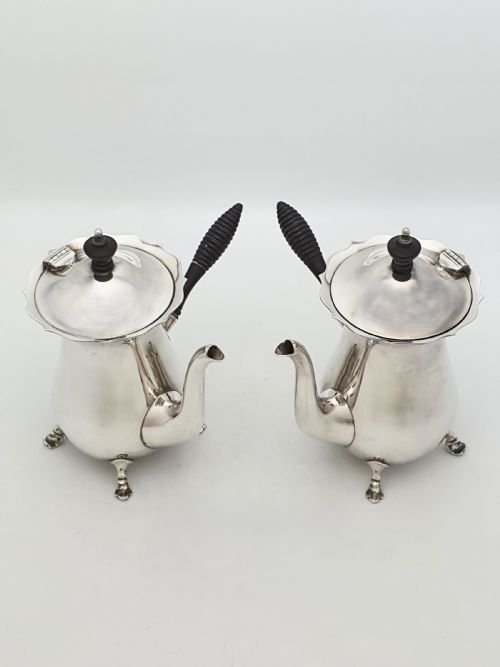
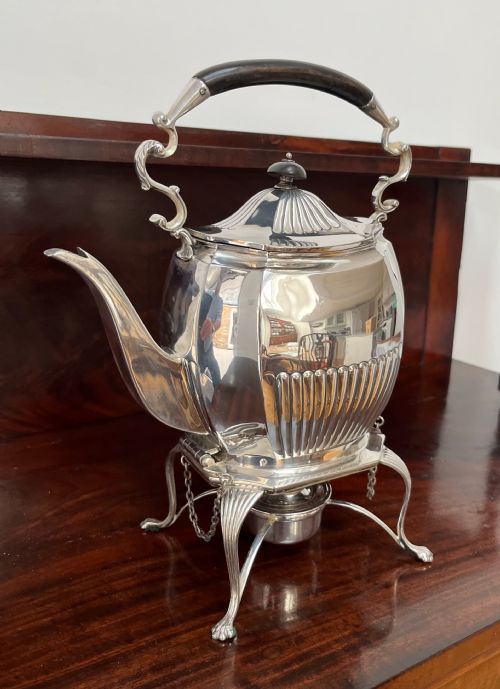
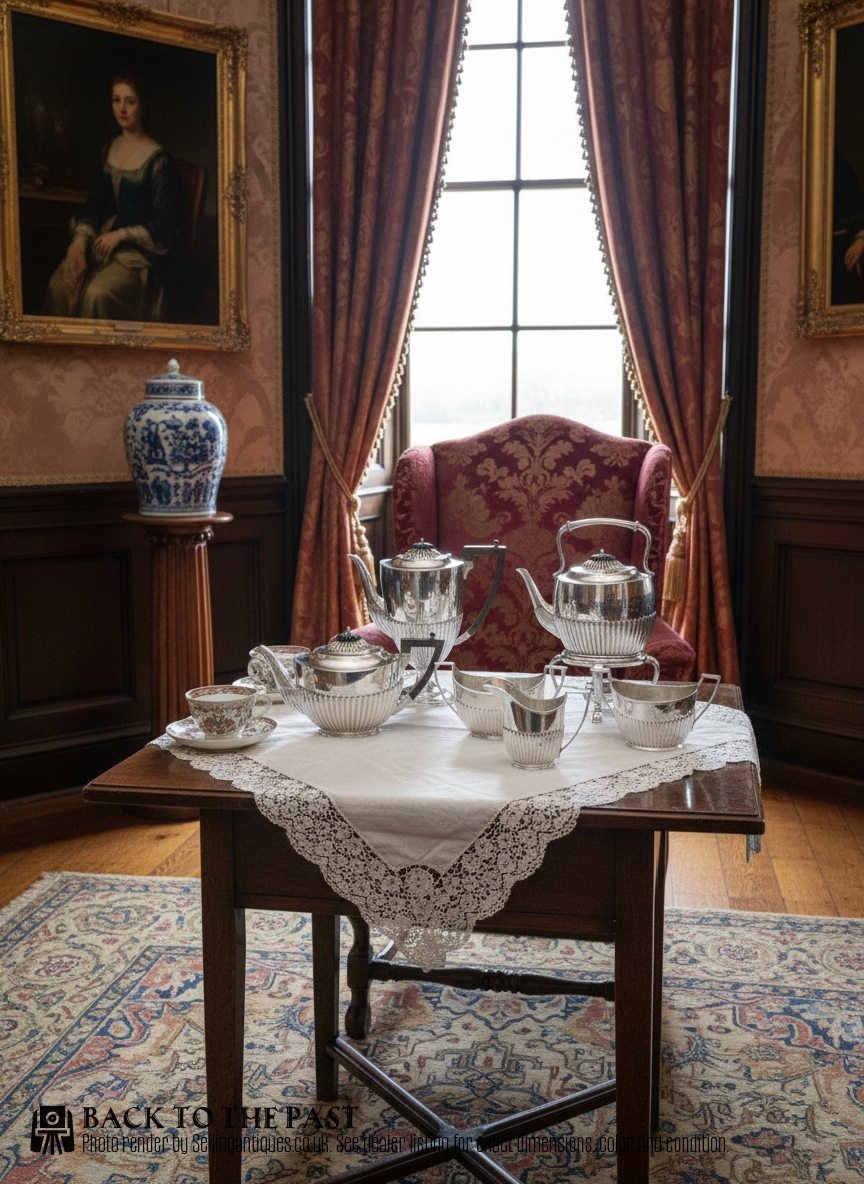
An edwardian tea service encompasses matching assemblages designed for the ritual of afternoon tea, frequently comprising three or four pieces such as teapots, cream jugs, and sugar bowls, alongside larger sets that incorporate coffee pots or spirit kettles on stands. The pieces seen here span the Edwardian period itself alongside adjacent late Victorian and later dates, originating from domestic workshops and major silversmiths.
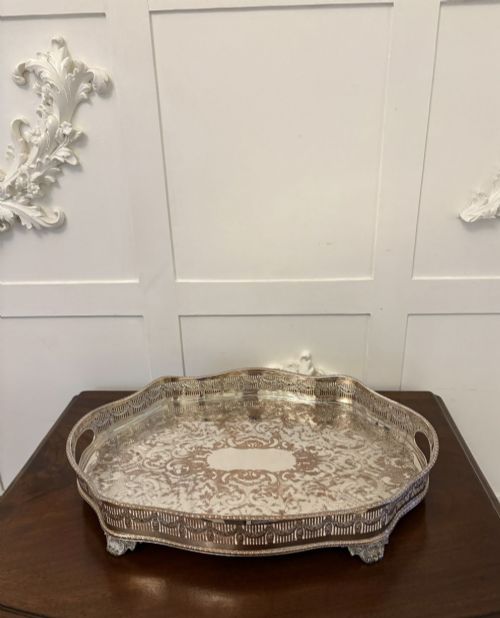
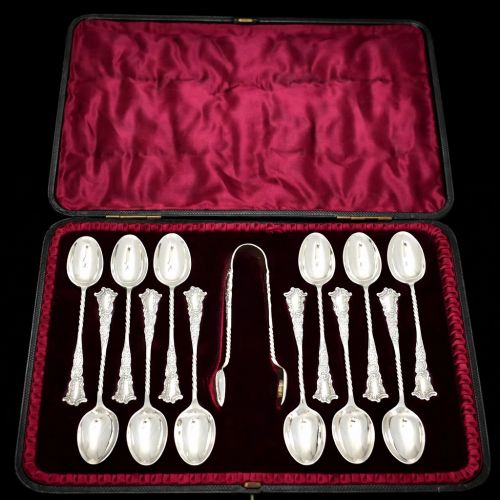
Buyers will most commonly encounter silver plated configurations, ranging from three piece settings to extensive six piece services complete with engraved tea trays and gallery trays. Solid sterling silver sets also appear, alongside porcelain iterations from makers such as Coalport and Royal Crown Derby.

Distinctions in Execution
Distinctions in execution rest upon the weight of the metal, the crispness of chased or engraved ornament, and the integrity of matched sets where every component shares a unified design vocabulary. Substantial silver plating and solid sterling silver constructions demonstrate superior material investment compared to lighter plated wares.
Maker attribution elevates certain services, particularly documented pieces originating from established firms like Walker and Hall, Mappin and Webb, or Fenton Brothers. The precision of hand painted porcelain details and the inclusion of original complementary items like spirit kettles on stands further separate standard utilitarian sets from more ambitious presentations.
Edwardian Tea Service Retail Price Guide 2026
Typical asking prices for edwardian tea service among the pieces listed under this phrase on Sellingantiques today, from the lower quarter to the upper quarter. They describe what is for sale here now, not the wider market.
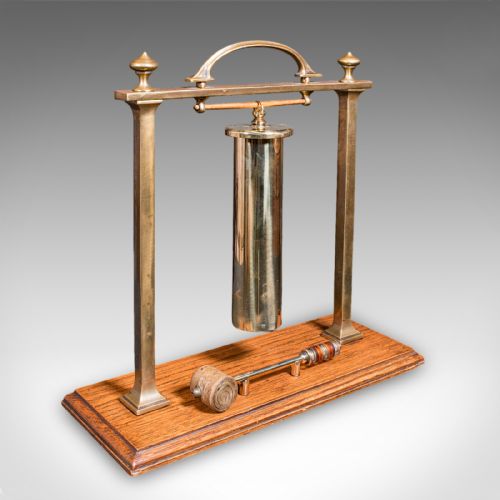
Afternoon tea gongs ensured that family members heard the summons even from distant rooms of the large Edwardian house.
Walker and Hall·Mappin and Webb·Fenton Brothers·Royal Crown Derby·Coalport·William Moorcroft·Macintyre·Royal Albert Crown China·Copeland Spode
The Edwardian Tea Service Glossary
- Spirit Kettle
- A water heating vessel mounted on a metal stand above a small alcohol burner. It allowed hot water to be maintained at the tea table.
- Gallery Tray
- A serving tray featuring an openwork metal gallery or pierced railing around its perimeter. This prevented vessels from sliding off during transit.
- Imari
- A decorative style of porcelain featuring underglaze blue and iron red, with supplementary gilt. The aesthetic originated in Japan and was widely adopted by English potteries.
- Harlequin Set
- A collection of tea wares assembled from various sources rather than produced as a single uniform batch. Items share a period style while differing in minor design details.
- Bat Wing
- A specific transfer printed and painted porcelain pattern associated with Coalport. It is characterised by segmented, dark radiating motifs resembling wings.
Edwardian Tea Service: Frequently Asked Questions
What pieces belong in a full set?
A standard service typically contains a teapot, a cream jug, and a sugar bowl, forming the core triad for serving brewed tea with milk and sugar.
Larger configurations expand this grouping to include a matching coffee pot, a hot water kettle on a stand, or a large serving tray to anchor the display.
How were spirit kettles used?
Spirit kettles provided a continuous supply of boiling water directly at the tea table without requiring constant trips to the kitchen.
The metal stand held the vessel securely above a small lit burner fueled by spirits, maintaining the water temperature throughout a lengthy afternoon gathering.
How do I care for silver plated tea wares?
Silver plated items require gentle cleaning with non abrasive cloths and dedicated silver cleaning compounds to preserve the underlying plating layer.
Regular polishing maintains the reflective finish while avoiding harsh scrubbing that can wear down the applied silver over time.
Can silver and porcelain sets be used daily?
These historical vessels are robust enough for occasional dining use, provided they receive careful hand washing rather than automated cleaning.
Avoiding extreme thermal shock and abrasive implements ensures that delicate painted porcelain patterns and silver finishes remain intact during use.