

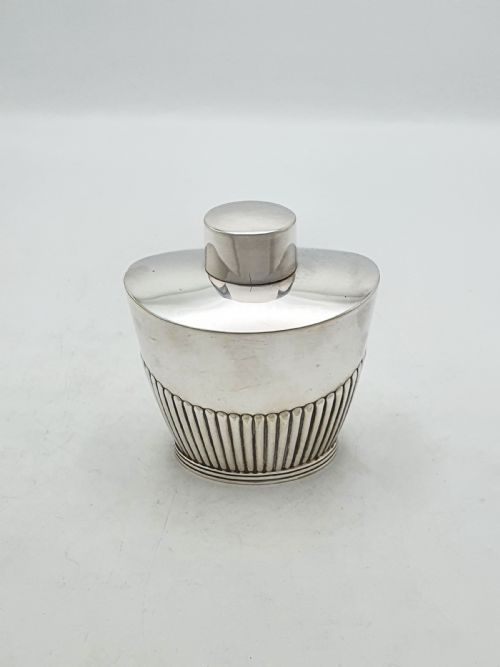
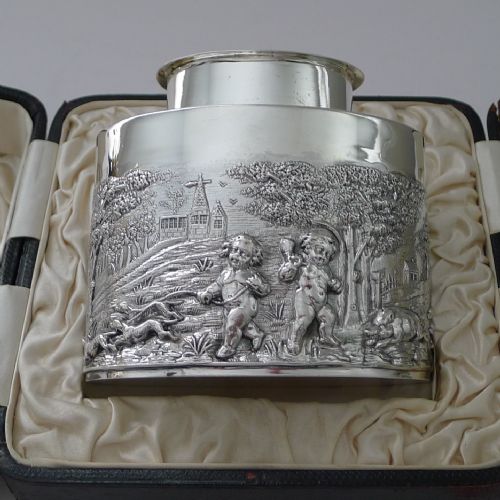

Edwardian Tea Box
An edwardian tea box brings the tactile ritual of the formal parlour straight onto your modern tabletop.
Edwardian Tea Box
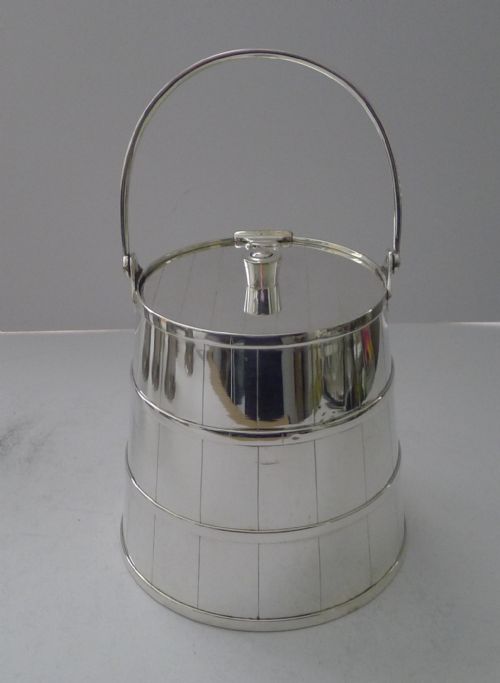
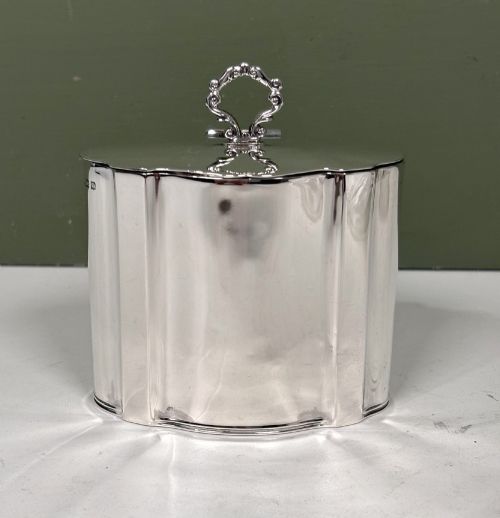
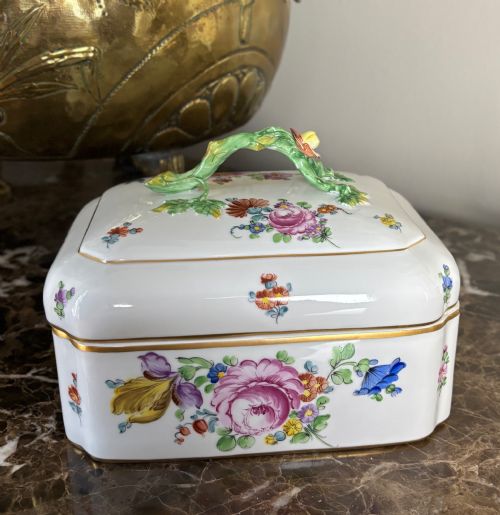
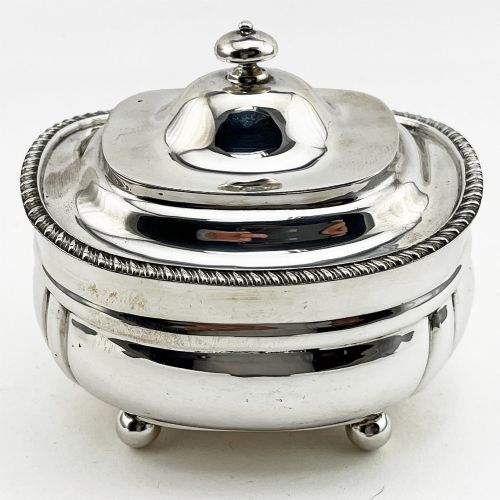
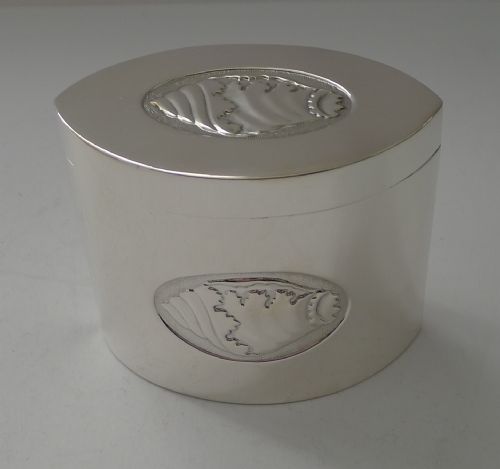
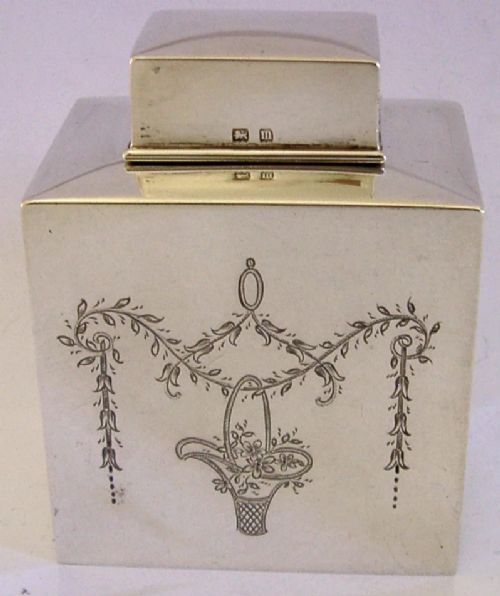
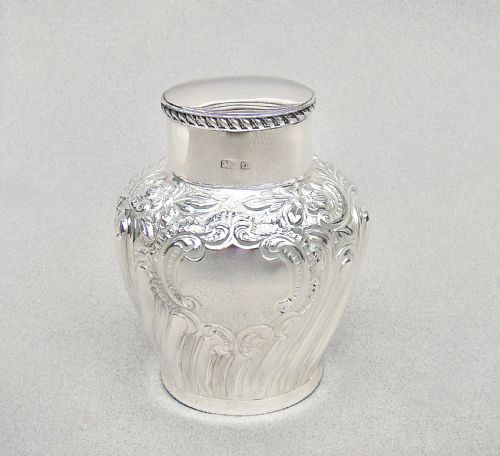
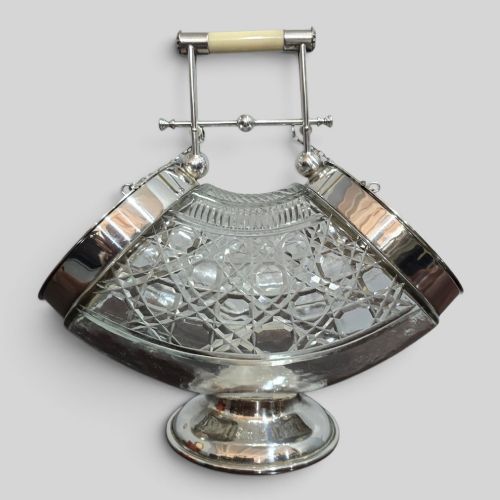
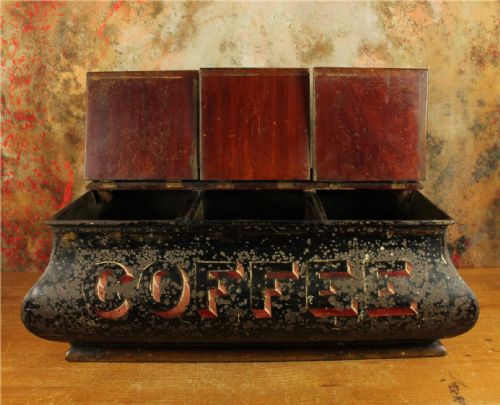
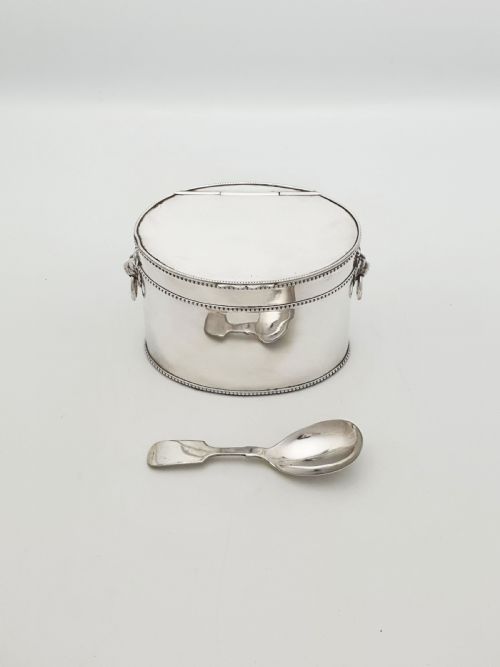
When searching for an edwardian tea box, you will encounter solid sterling silver canisters alongside plated vessels, oak containers and mahogany caddies. The typical piece from this era balances formal utility with decorative restraint, often taking a straight-sided or panelled form designed to preserve dried leaves.
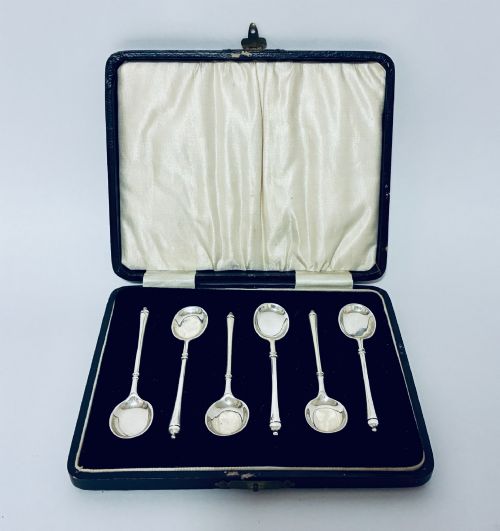
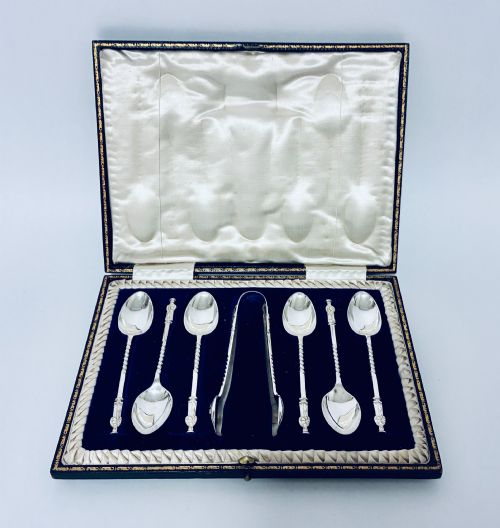
While Victorian and later 1920s examples appear across the selection, the core of the range remains firmly anchored in the Edwardian period and the opening decade of the twentieth century. These containers frequently surface alongside related tea wares, including silver teaspoons, sugar tongs and biscuit barrels.
Many specimens reflect revivalist influences such as Georgian styling or the handcrafted ethos of the Arts and Crafts movement. Whether formed from polished silver or dark inlaid timber, each box serves to store and protect leaf tea within a domestic setting.
How They Were Made
Silversmiths constructed sterling silver and silver-plated boxes using techniques like hammering, piercing and panelled assembly, often adding weighted bases or hinged lids. Timber versions relied on traditional cabinet-making methods, incorporating mahogany, oak, teak and delicate ebony stringing.
Interior compartments frequently featured linings of velvet, silk or leatherette to cushion the contents and protect delicate metal surfaces. Exterior ornamentation drew on period aesthetics, ranging from chased floral motifs and lion mask handles to simple, unadorned polished planes.
Listings span multiple materials including sterling silver, silver plate, mahogany, oak, velvet and silk across the Victorian to Art Deco periods.
What Varies in Quality
The distinction between standard commercial pieces and the finest examples rests on the weight of the metal and the precision of the construction. Heavier gauge sterling silver and tightly fitted cabinet work demonstrate superior craftsmanship.
Makers' marks and assay office stamps provide a clear indicator of origin and standard, distinguishing marked sterling items from plated wares. Furthermore, the crispness of hand-chased detailing and the integrity of interior fabric linings separate basic utility boxes from high workshop output.
Charles Edwards·Zimmermann·Thomas Hayes·Mappin and Webb·William Hutton and Sons Ltd·Edward Barnard and Son
The Edwardian Tea Box Glossary
- Sterling Silver
- An alloy consisting of 92.5 percent silver by mass, widely utilised for domestic tableware and tea caddies during the period. This standard was strictly regulated by official assay offices in cities such as London, Birmingham and Chester.
- Tea Caddy
- A small vessel designed specifically for storing dry tea leaves before brewing. The term evolved from catty, the Chinese unit of weight.
- Biscuit Barrel
- A covered container intended for holding biscuits on the tea table, frequently produced in silver plate, cut glass or oak. These pieces often match the decorative motifs found on contemporary tea caddies.
- Arts and Crafts
- A design movement prioritising traditional craftsmanship and visible hand-working over mass production. Pieces from this aesthetic often display surface hammering and organic forms.
- Toleware
- Metalware painted and japanned to resemble Asian lacquer work, seen on nineteenth-century boxes and canisters. It brought colourful decoration into domestic interiors.
Edwardian Tea Box: Frequently Asked Questions
What is an edwardian tea box used for?
These boxes were originally manufactured to store loose tea leaves securely, protecting them from moisture and loss of flavour in the drawing room.
Today, they function equally well as decorative storage containers for small keepsakes, jewellery or desk accessories.
How do I identify an edwardian tea box?
Authentication relies on examining hallmarked stamps indicating assay offices, metal purity and the date of manufacture around the early 1900s.
Stylistic cues such as neoclassical revival motifs, restrained panelling and specific maker marks also point directly to the Edwardian era.
How do I care for a silver tea box?
Silver surfaces require occasional gentle cleaning with a specialised cloth to remove tarnish without wearing down the underlying metal or chased details.
Wooden or lined interiors should be kept dry and protected from direct sunlight to preserve the fabric and timber finishes.