



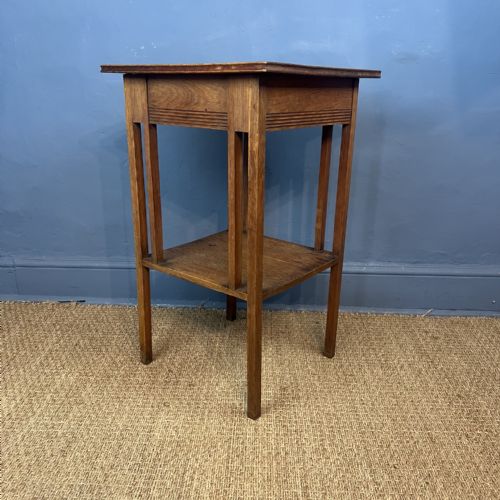
Edwardian Tall Side Table
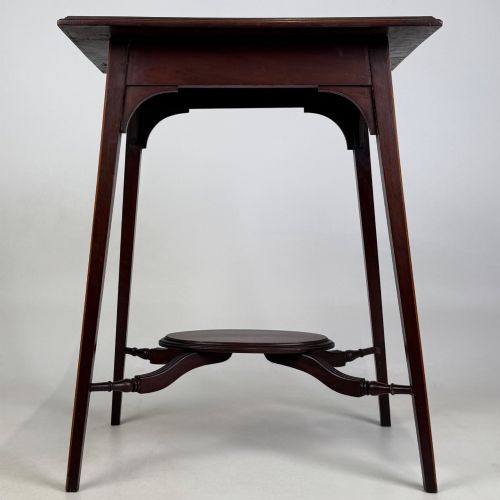
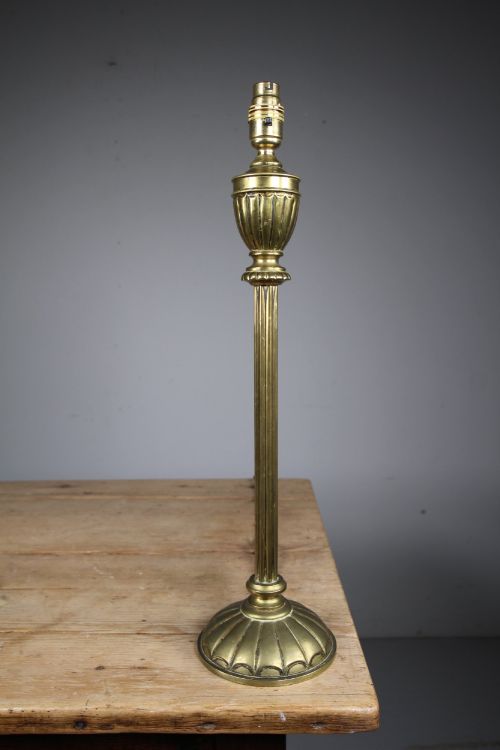
An edwardian tall side table provides a slender surface for lamps and plants, bringing practical height and period character to narrow spaces.
Edwardian Tall Side Table
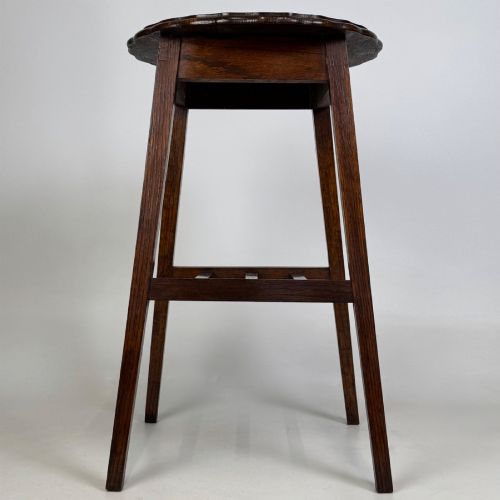
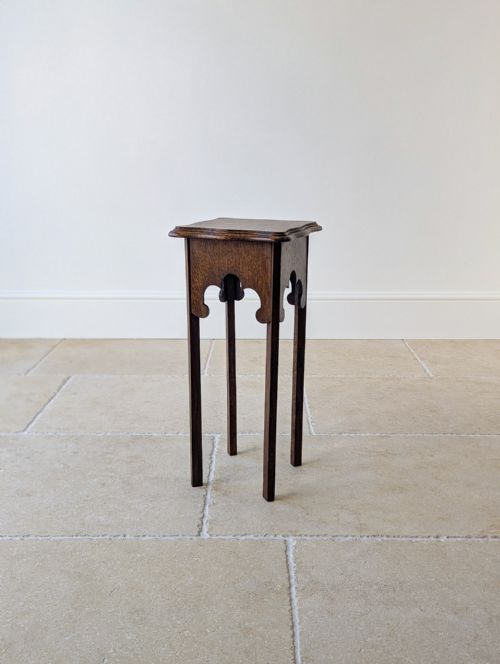
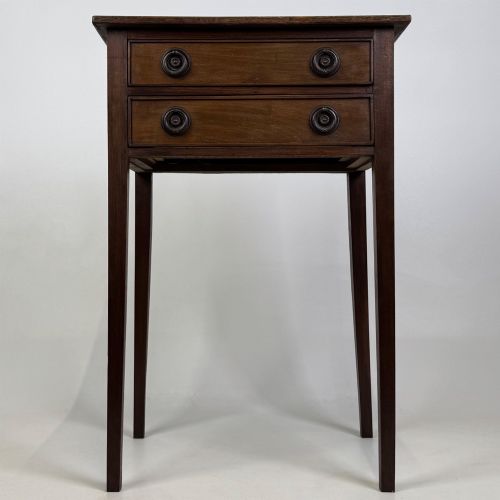
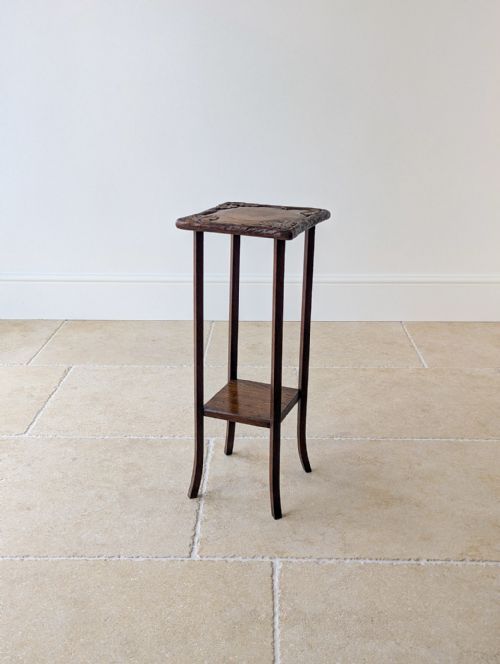
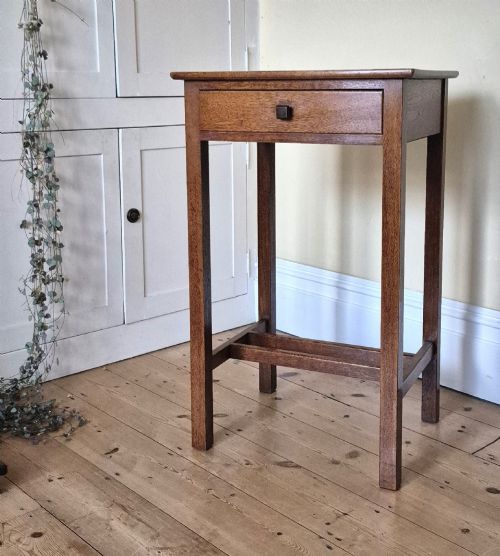
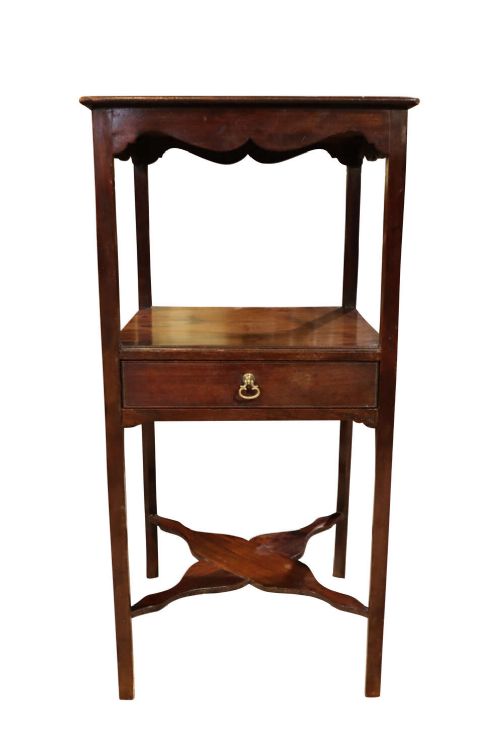
An edwardian tall side table appears in forms such as plant stands, occasional tables, and lamp tables created during the early twentieth century. These tall proportions accommodate specific domestic tasks, holding illumination or greenery beside seating without taking up excessive floor space.
The selections on this page span the Edwardian era alongside related pieces from the nineteenth and early twentieth centuries. Mahogany and oak dominate the forms, supplemented by occasional walnut, satinwood, and brass constructions.
How they were made
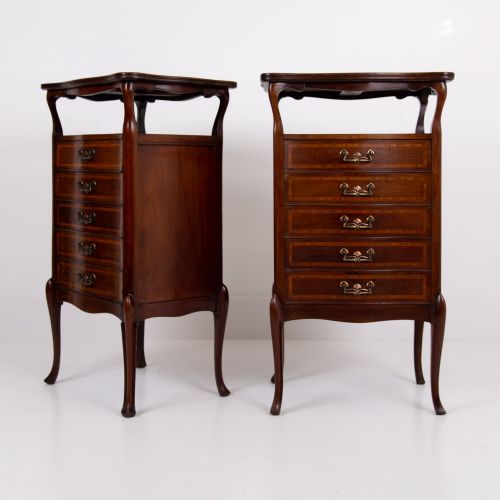
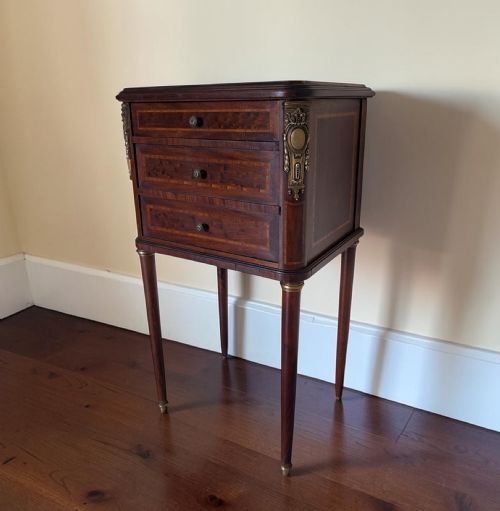
Cabinet makers utilised dense hardwoods such as mahogany and oak to build sturdy frames capable of supporting elevated surfaces. Inlay work in boxwood and contrasting timbers often decorates the tabletops and aprons.
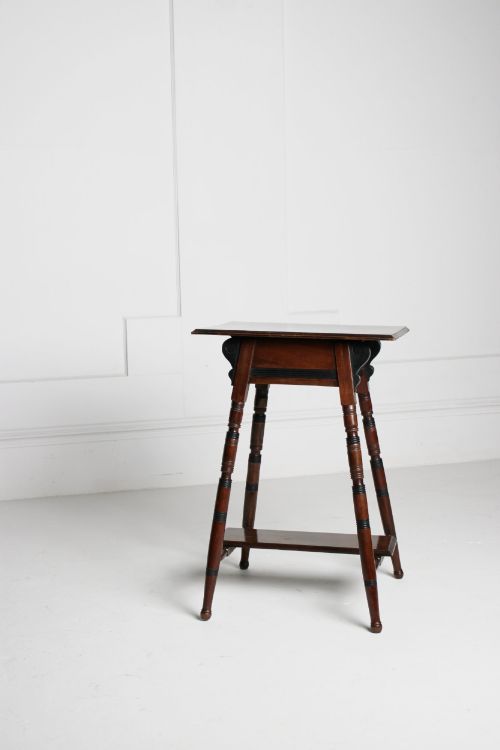
Metal components such as brass columns and fittings appear alongside turned wooden elements like barley twist supports. Selected items incorporate hand-painted details or lacquered finishes to achieve decorative surface variety.
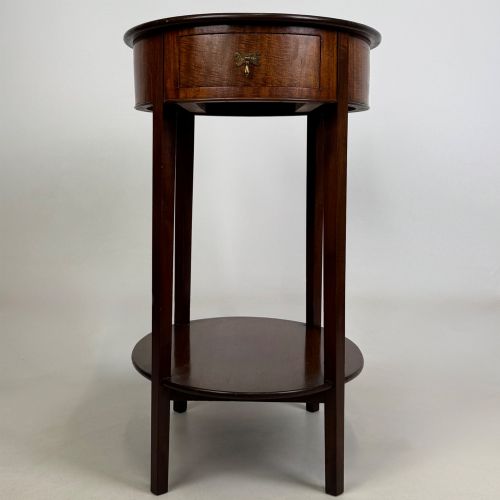
The object forms include plant stands, urn stands, bedside cabinets, and occasional tables with oval or heart-shaped tops.
What varies in quality
The refinement of the timber selection and the precision of the joinery define the upper tier of these tables. Finely figured mahogany and detailed satinwood inlay distinguish superior workshops from standard commercial production.
Structural integrity relies on the tightness of joints in slender legs and tall uprights. Consistent turning in wooden columns and solid metal casting in brass elements separate ordinary items from finer examples.
Hubert Simpson of Kendal·Druce and Co London·Liberty of London
The Edwardian Tall Side Table Glossary
- Edwardian
- Pertaining to the reign of King Edward VII, spanning from nineteen hundred to nineteen ten, characterised by lighter furniture designs. This period moved away from heavy Victorian aesthetics.
- Arts and Crafts
- A design movement valuing handcraftsmanship and simple vernacular forms over mass production. Pieces from this tradition often feature exposed joinery and honest materials.
- Sheraton Revival
- A late nineteenth and early twentieth century style referencing the neoclassical furniture designs of George Sheraton. These items frequently display delicate stringing and inlaid motifs.
- Plant Stand
- A tall piece designed specifically to elevate potted foliage off the floor. They utilise compact tops and stable bases to manage heavy pots.
Edwardian Tall Side Table: Frequently Asked Questions
What is an edwardian tall side table used for?
These tables function primarily to hold table lamps, vases, or plants at a convenient height within a room. Their elevated stature suits corners and narrow gaps between seating.
They also serve as bedside cabinets or lamp tables where floor space is limited. The small top surface keeps essential items within easy reach.
How do I identify an edwardian piece?
Edwardian furniture typically displays lighter construction and brighter timber tones compared to heavier Victorian predecessors. Inlay work often draws on Sheraton revival motifs.
Look for slender tapered legs, satinwood banding, and simpler profiles. The construction reflects early twentieth-century manufacturing techniques.
Where should I place a tall plant stand?
Tall plant stands belong in corners, beside windows, or flanking larger pieces of furniture to introduce vertical variety. Their height draws the eye upward.
Ensure the floor is even, as slender legs on elevated tables require stability. Avoid placing heavy ceramic pots on unstable antique surfaces.
How do I care for mahogany and oak tables?
Dust regularly with a soft dry cloth and avoid placing wooden surfaces in direct sunlight. Excessive heat or moisture can damage polished timber finishes.
Apply a quality wax periodically to nourish the wood and maintain the sheen. Use coasters beneath lamps or cups to prevent ring marks.