

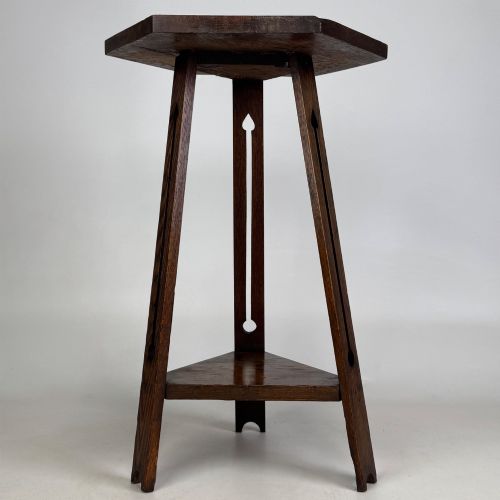
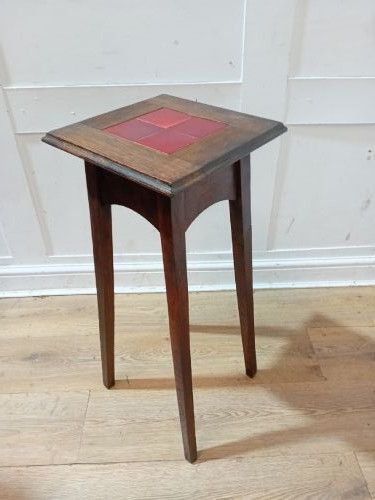
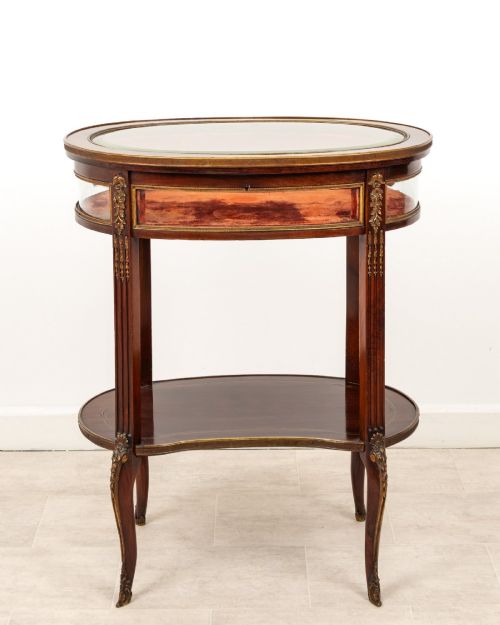


Edwardian Table Top Display
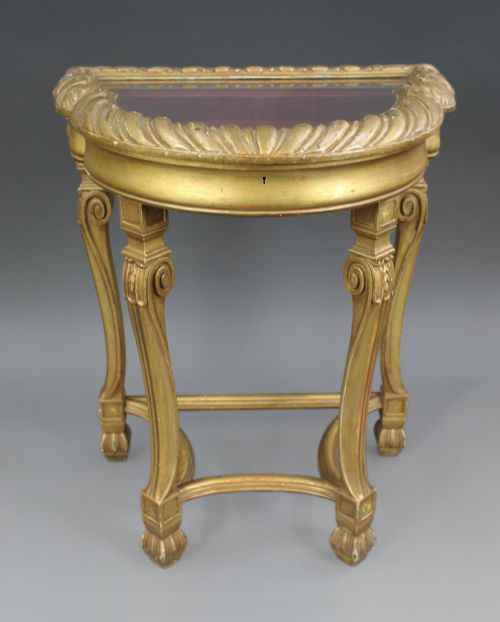
Edwardian table top display pieces bring intimate glass-topped vitrines and miniature cabinets into the room to hold small treasures.
Edwardian Table Top Display
Edwardian table top display pieces comprise small cabinets, glazed boxes, and vitrines designed to sit upon surfaces or function as standalone tables for showing jewellery and trinkets.
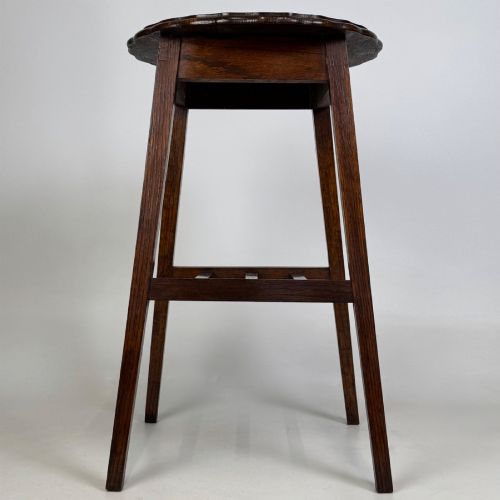
A buyer searching for an edwardian table top display most frequently encounters mahogany frames, glass-topped cases, and occasional tables dating from the early twentieth century.
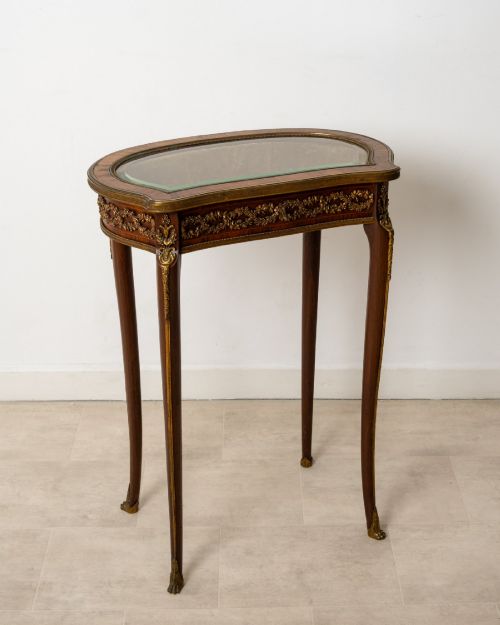
The selection ranges from shop display counters and table top boxes to larger bijouterie tables with glass lids and velvet or fabric linings.
What Varies in Quality
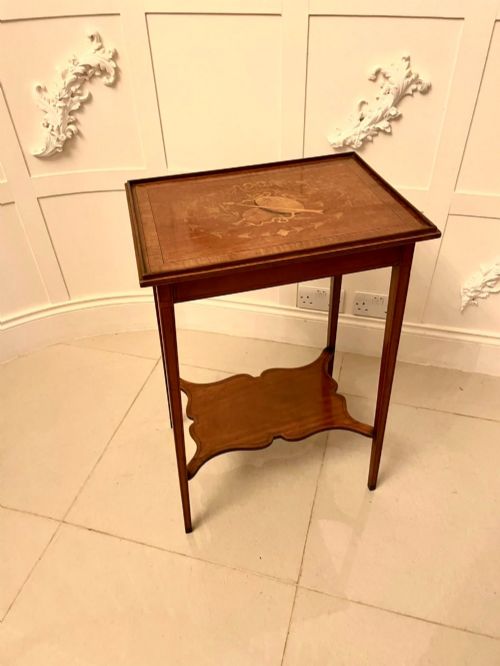
The refinement of the timber work and inlay distinguishes the finer examples, particularly where satinwood stringing or delicate carving decorates the mahogany or rosewood structure.
Hardware and glass integrity set standards apart, with crisp brass mounts, ormolu, and bevelled glass representing superior execution compared to plain or plain-framed alternatives.
Edwardian Table Top Display Retail Price Guide 2026
Typical asking prices for edwardian table top display among the pieces listed under this phrase on Sellingantiques today, from the lower quarter to the upper quarter. They describe what is for sale here now, not the wider market.
The listings combine mahogany, rosewood, and walnut structures with brass hardware, glass panels, and velvet linings across various early twentieth-century periods.
The Edwardian Table Top Display Glossary
- Bijouterie table
- A glass-topped display table specifically designed for exhibiting small ornaments and jewellery. These pieces often feature hinged lids and fabric-lined interiors.
- Vitrine
- A glass-panelled cabinet or display case used for showing ceramics, glass, or small collectibles. The term applies to both floor-standing and table top formats.
- Inlay
- A technique where pieces of contrasting wood, such as satinwood, are fitted into the primary timber surface to create decorative patterns.
- Ormolu
- Gilt bronze mounted onto furniture or display cases for decorative effect, common in French-influenced revival styles.
- Bevelled glass
- Glass panes with angled edges, adding depth and a finished appearance to the viewing windows of display cases.
Edwardian Table Top Display: Frequently Asked Questions
What is an edwardian table top display used for?
These pieces serve to exhibit small collections, pocket watches, jewellery, and personal mementos while keeping them protected from dust behind glass.
They allow items to be viewed from above or through glazed sides while sitting upon a desk, counter, or table.
How do I clean the interior fabric?
Velvet and fabric linings require gentle dry brushing or low-suction vacuuming to remove dust without disturbing the fibres.
Water and liquid cleaners should be avoided to prevent staining the old fabric and warping the underlying timber base.
Can these cabinets hold heavy items?
The interior floors and glass tops of table top display cases are built for lightweight trinkets, jewellery, and small medals rather than heavy ceramics.
Placing excessive weight on the glass or internal platforms risks cracking the pane or straining the delicate frame joints.
How do I distinguish Edwardian pieces from Victorian ones?
Edwardian items tend to display lighter timber tones, cleaner lines, and more restrained inlay inspired by neoclassical revivals.
Victorian counterparts frequently employ heavier rosewood or walnut structures with darker finishes and denser ornamentation.