





Sevres Style Porcelain Cabinet
Sevres style porcelain cabinet pieces bring lavish French revival elegance into a room through hand painted panels and rich ormolu mounts.
Sevres Style Porcelain Cabinet
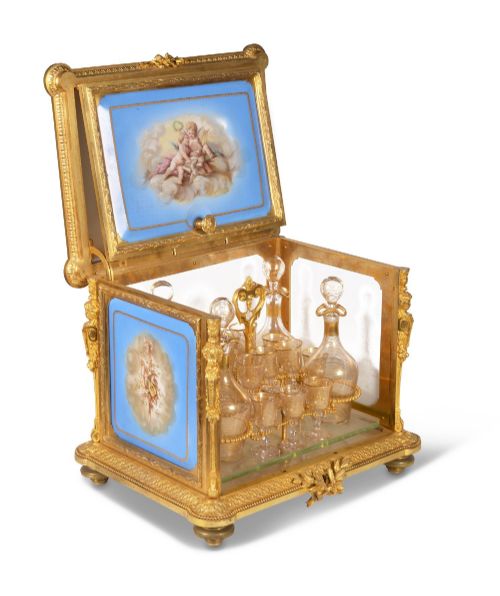
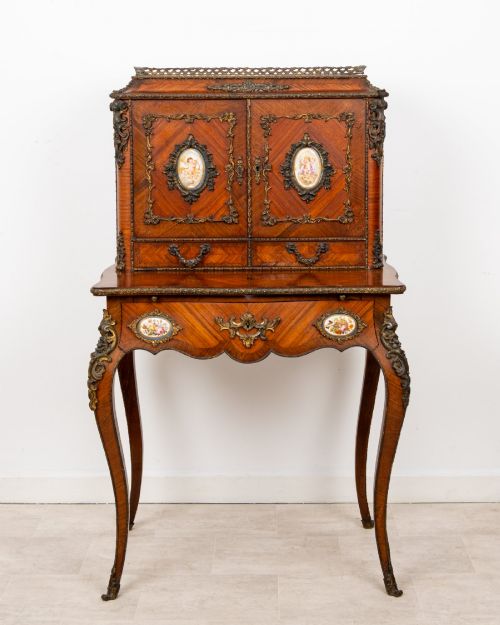
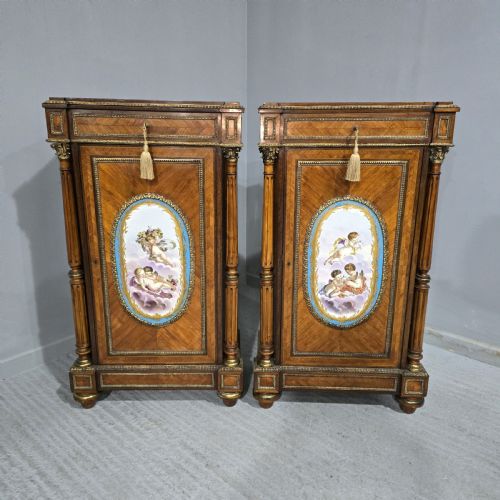
When you search for sevres style porcelain cabinet pieces, you encounter a distinct group of nineteenth-century decorative furniture and display objects that incorporate ceramic plaques. These works draw directly from French Rococo Revival, Louis XVI Revival, and Napoleon III aesthetic traditions.
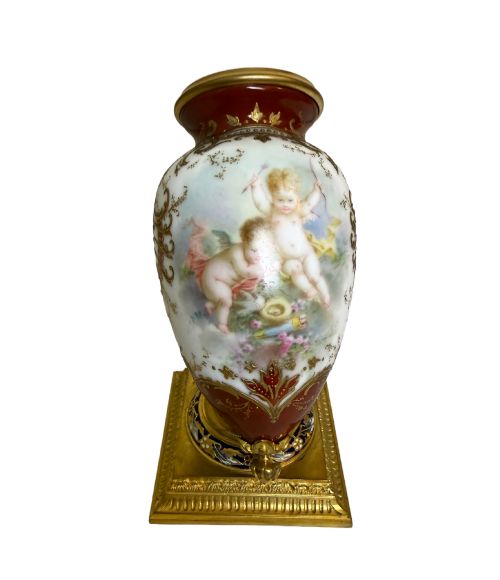
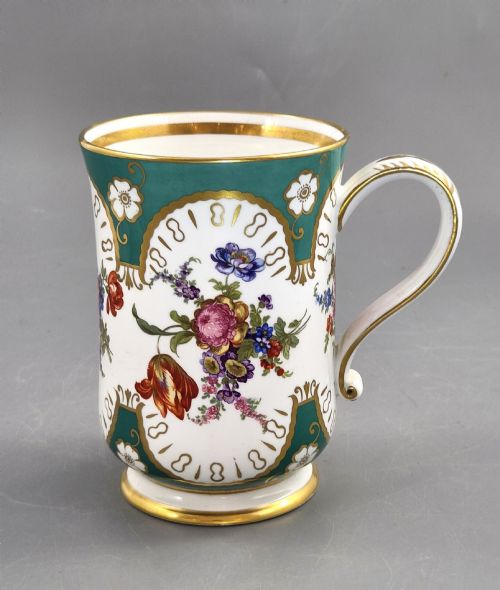
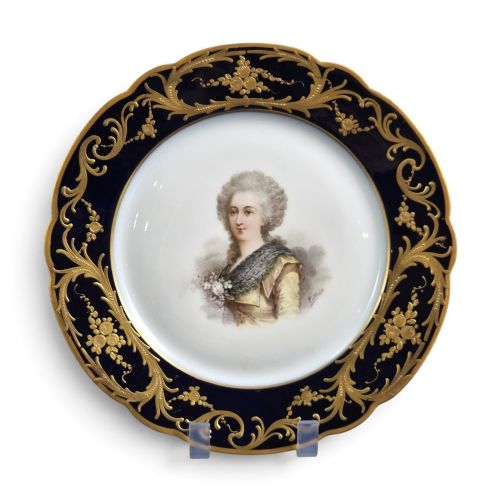
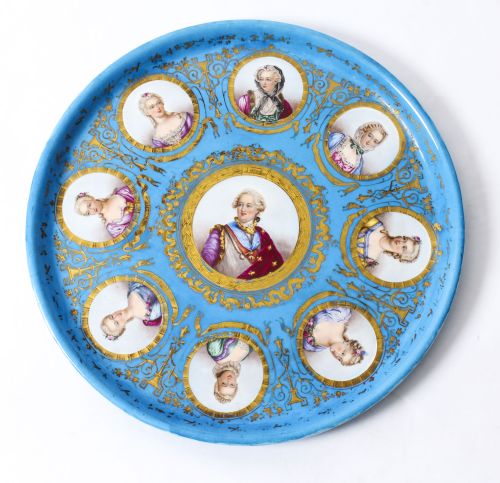
The selection ranges widely across functional forms and decorative items. You will find large furniture such as credenzas, side cabinets, and writing desks inset with painted porcelain plaques alongside individual cabinet plates, chargers, vases, and mugs.
Most examples originate from nineteenth-century French and Victorian British workshops. They frequently pair exotic timbers like burr walnut, kingwood, and ebonised wood with substantial gilt bronze or ormolu mounts.
Materials and construction methods
The structural framework relies on dense hardwoods such as burr walnut and kingwood, often shaped into curved front credenzas and refined writing desks. Ebonised wood also appears to provide a dark, contrasting ground for metallic embellishments.
Porous ceramic bodies receive hand-painted glazed decoration depicting portraits, floral subjects, or historic scenes, sometimes framed by cobalt blue or green grounds. Gold leaf and enamel additions enhance these painted surfaces.
Gilt bronze and ormolu mounts are cast, chased, and applied to corners, borders, and feet to frame both the wooden furniture carcase and the individual porcelain plaques.
Sevres Style Porcelain Cabinet Retail Price Guide 2026
Typical asking prices for sevres style porcelain cabinet among the pieces listed under this phrase on Sellingantiques today, from the lower quarter to the upper quarter. They describe what is for sale here now, not the wider market.
The documented periods span the nineteenth century, with specific dates recorded from eighteen-fifty through eighteen-ninety.
Distinctions in craftsmanship and execution
The refinement of the hand painting sets apart the finest examples. Superior pieces display meticulous brushwork in portraiture and narrative scenes, whereas standard items rely on simpler decorative motifs.
The integration of the ormolu mounts dictates overall sculptural success. High-end pieces feature deeply chased, heavy gilt bronze mounts that follow the contours of the wood and porcelain precisely.
Selection of timber veneer defines structural prestige. Burr walnut and figured kingwood exhibit rich, natural grain patterns that elevate the presence of credenzas and writing desks.
The Sevres Style Porcelain Cabinet Glossary
- Ormolu
- Gilded bronze used for decorative mounts and hardware on nineteenth-century furniture. The technique involves applying a gold amalgam to a bronze base and heating it.
- Credenza
- A low, enclosed side cabinet frequently fitted with doors, shelves, and surface displays. In nineteenth-century pieces, these often incorporate porcelain panels into the facade.
- Bonheur Du Jour
- A small, light writing desk featuring a raised cabinet superstructure with drawers, shelves, or doors. These desks gained popularity during revival periods for domestic boudoirs.
- Charger
- A large ornamental decorative plate intended for display rather than dining use. They often feature central painted historical or portrait scenes.
- Pier Cabinet
- A narrow display cabinet designed to fit flat against a wall space between windows. These tall structures commonly showcase glazed doors and porcelain plaque insets.
Sevres Style Porcelain Cabinet: Frequently Asked Questions
What is a sevres style porcelain cabinet?
A sevres style porcelain cabinet is a nineteenth-century furniture piece, such as a credenza or pier cabinet, decorated with hand-painted ceramic plaques. These items emulate the luxurious output of the historic French royal porcelain manufactory.
Craftsmen housed these porcelain panels within hardwood furniture frames embellished with gilt bronze mounts. They served primarily as grand display furniture in formal reception rooms.
How do you date these pieces?
Dating relies on examining the secondary timbers, construction methods, and stylistic revival indicators. Most items date from the nineteenth century, specifically between the eighteen-fifties and eighteen-nineties.
Makers combined period revival designs with contemporary Victorian or French cabinetmaking techniques. Hardware styles and the specific treatment of the ormolu mounts provide further chronological clues.
Where were these pieces made?
These items originated mainly in France and Great Britain during the nineteenth century. Parisian workshops and English cabinetmakers alike produced revival furniture incorporating painted porcelain.
While drawing inspiration from French royal aesthetics, many pieces reflect Victorian interpretation. Regional potteries also contributed matching dessert plates and cabinet mugs in the same taste.
How should I clean porcelain plaques?
Cleaning requires gentle dusting with a soft, dry cloth to protect the glazed and painted surface. Avoid harsh chemical cleaners or abrasive materials that might damage the enamel or gold leaf.
Check that moisture does not seep behind the mounts or wooden frames. Professional conservation is recommended for deep cleaning or secured ormolu elements.