

Edwardian Table Tableware Silver
These pieces of edwardian table tableware silver bring formal dining ceremony home through polished metal and fitted presentation boxes.
Edwardian Table Tableware Silver
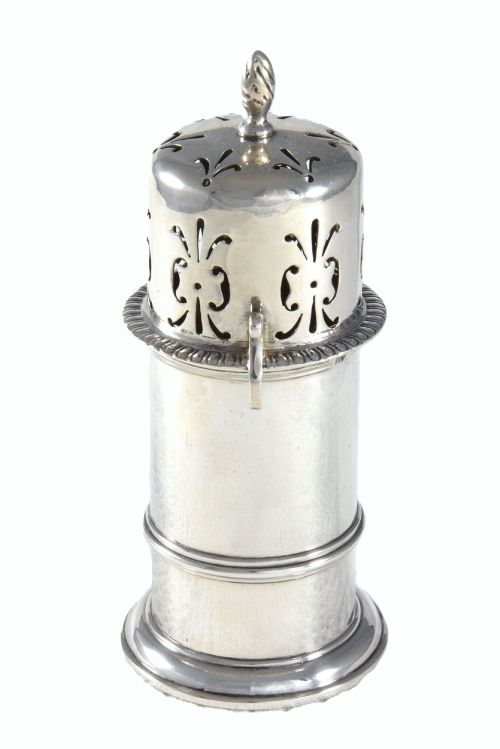
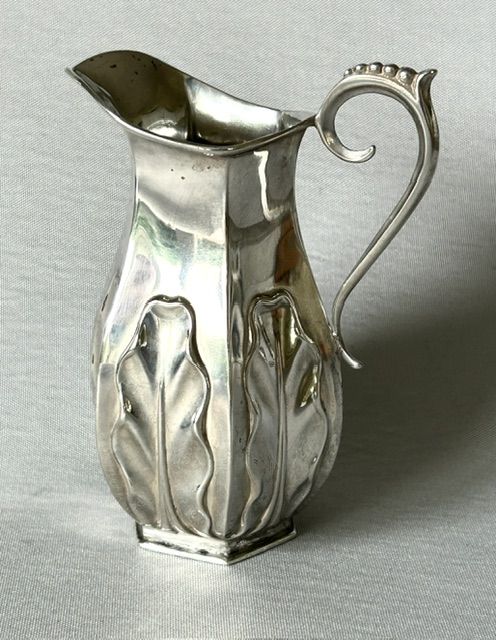
When you search for edwardian table tableware silver, you encounter dining accessories fashioned during the early twentieth century alongside adjacent Victorian and George V examples. The selection spans utilitarian serving items and decorative pieces designed to organise the formal dining table.
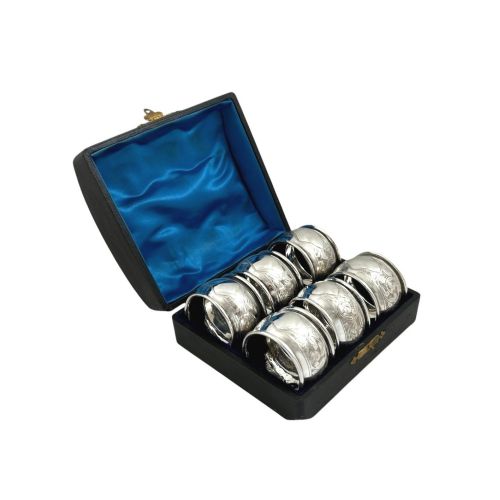
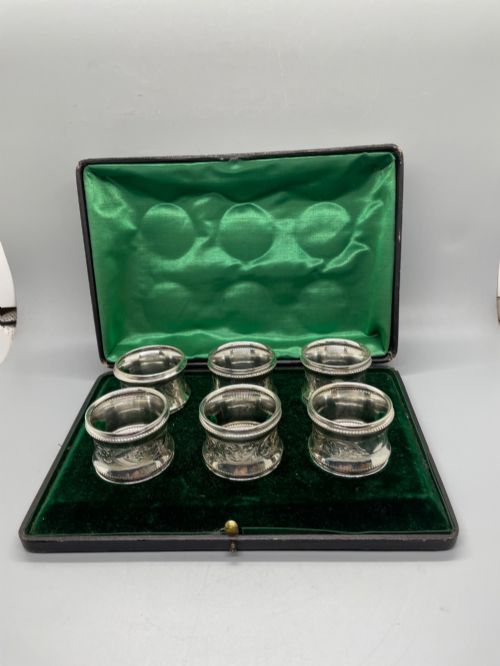
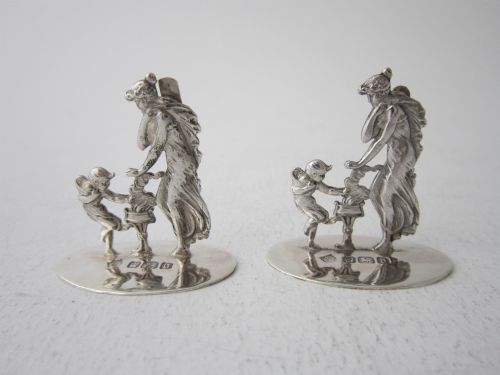
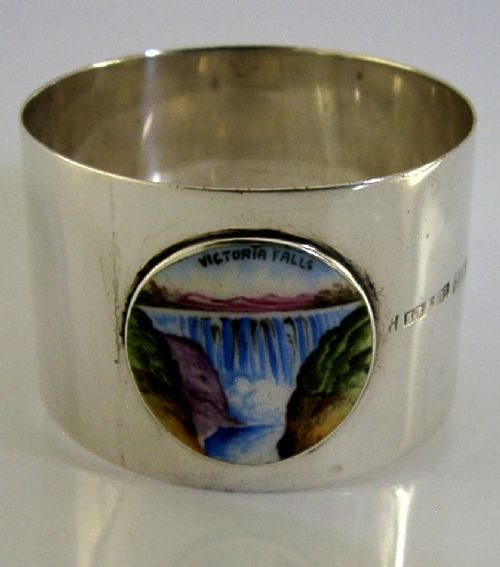
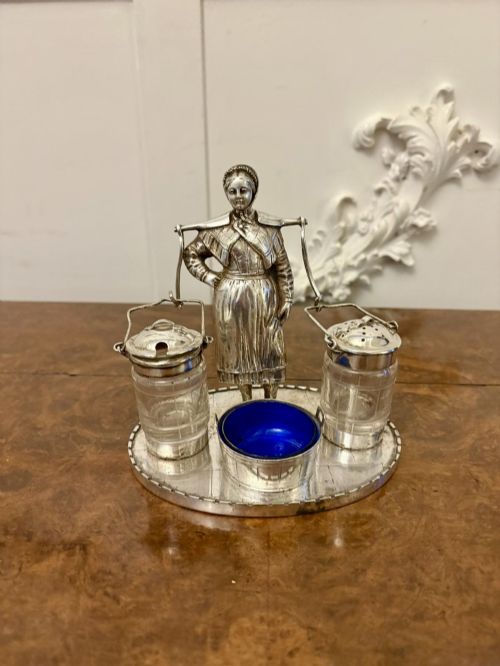
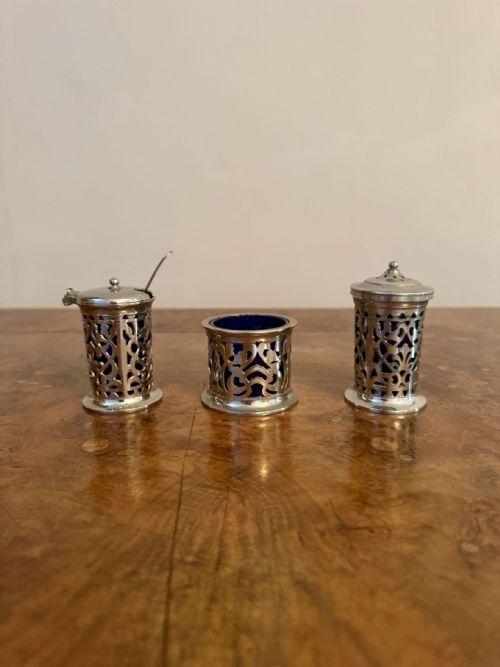
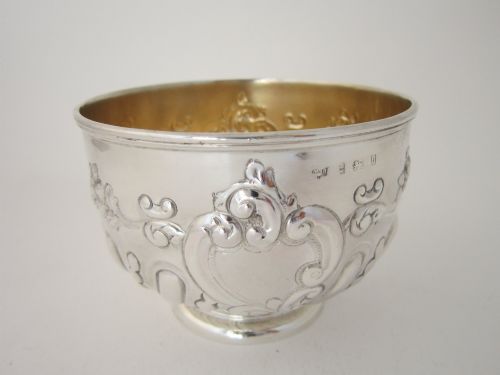
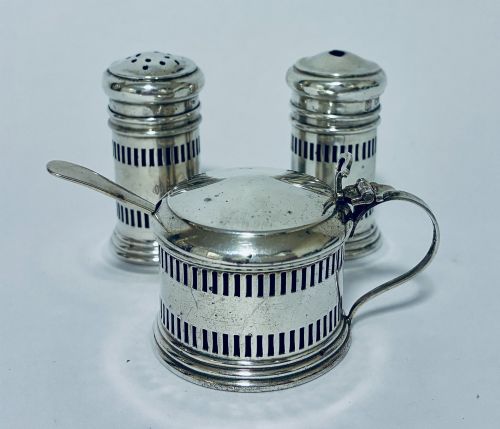
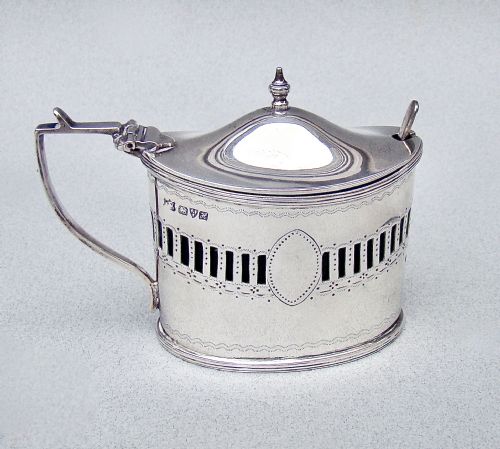
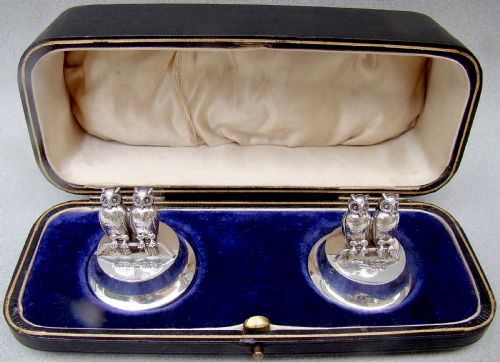
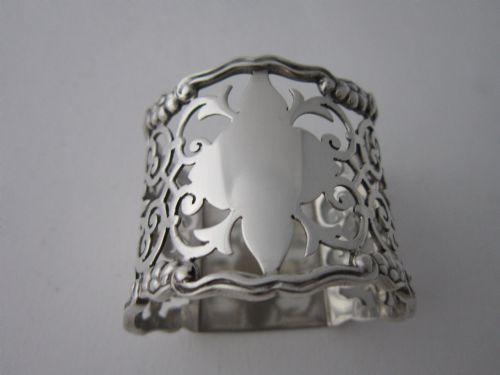
Napkin rings, menu holders, and cruet sets dominate the selection, often appearing in fitted silk and velvet lined presentation cases. Pieces range from plain sterling silver bands to figural novelties depicting owls, monkeys, and fly fishing scenes.
Materials and Technique
Objects utilise sterling silver and silver plate combined with cut glass inserts, leatherette, silk, and velvet linings. Metals are shaped through casting, piercing, embossing, and silver plating over a base metal foundation.
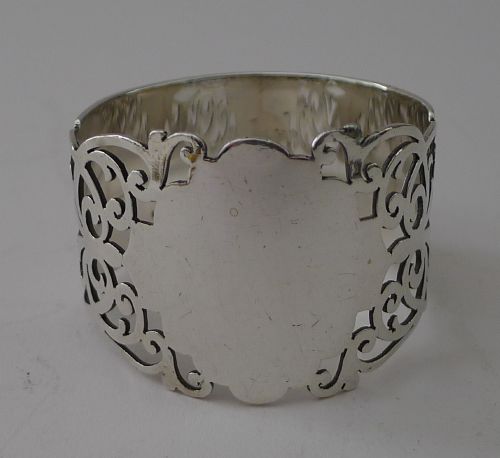
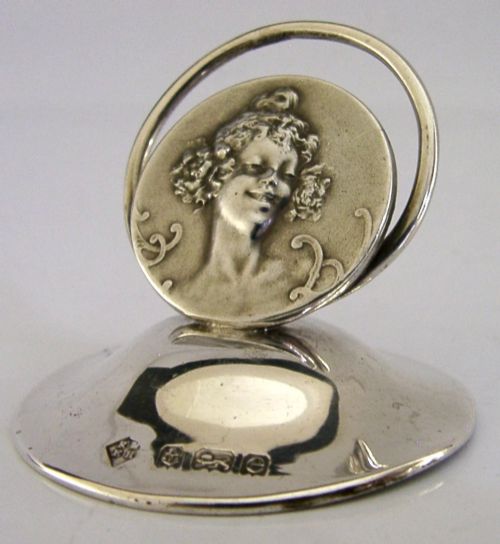
Figural menu holders and novelty cruets demonstrate detailed casting work, while napkin rings and toast racks frequently employ pierced or plain sheet metal construction. Glass components feature cut patterns designed to hold condiments or condiments bottles securely.
Edwardian Table Tableware Silver Retail Price Guide 2026
Typical asking prices for edwardian table tableware silver among the pieces listed under this phrase on Sellingantiques today, from the lower quarter to the upper quarter. They describe what is for sale here now, not the wider market.
A monkey playing drums sits atop one menu holder, ready to conduct dinner conversation.
The Measure of Quality
Differentiation across the range rests upon maker reputation, weight of metal, and the survival of original fitted packaging. Pieces bearing recognised workshop marks and substantial gram weights sit at the higher end of the scale.
Alfred Marston·Levi & Salaman·Grey & Co·Sampson Mordan·Barker Brothers·Asprey & Co·Mappin & Webb
The Edwardian Table Tableware Silver Glossary
- Cruet set
- A matched group of bottles, jars, or shakers for condiments, held together in a metal frame or stand. These sets often included mustard pots, pepper shakers, and salt cellars for table service.
- Toast rack
- A small metal frame with vertical dividers designed to hold slices of toast upright. This form keeps toast crisp by allowing air to circulate around each piece.
- Menu holder
- A small upright display piece used to hold cards detailing the courses of a meal. They frequently took decorative or figural shapes during the early twentieth century.
- Silver plate
- A thin layer of silver applied to a base metal such as copper or Britannia metal. This technique offered the appearance of solid silver at a lower cost.
Edwardian Table Tableware Silver: Frequently Asked Questions
What is an egg cruet?
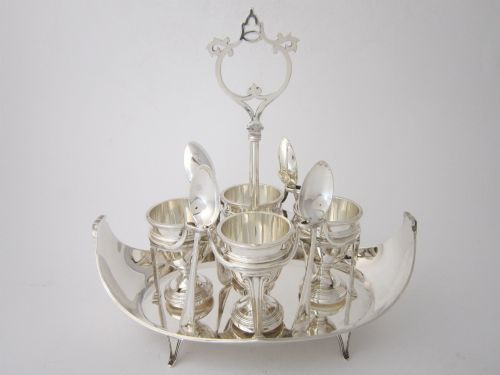
An egg cruet is a specialised dining set designed for serving boiled eggs at the breakfast or luncheon table. It typically includes a stand holding multiple egg cups alongside matching spoons and condiment containers.
These sets were manufactured in silver plate during the Edwardian period, often featuring embossed decoration and fitted frames for ease of passing around the table.
How are silver napkin rings identified?
Silver napkin rings bear hallmarks stamped directly into the metal indicating the assay office, date letter, and maker's mark. Many Edwardian examples were produced as matched sets of four, six, or eight.
They frequently arrive in original silk or velvet lined presentation cases which help preserve the polished surface of the silver from tarnish and scratches.
What distinguishes Edwardian silver style?
Edwardian silver incorporates lighter, more varied designs than heavy Victorian predecessors, drawing influence from neoclassical elegance and flowing art nouveau motifs. The period also saw a revival of Georgian symmetry in cruet sets and sugar casters.
Craftsmen balanced decorative figural elements, such as animal menu holders, with restrained functional items like plain napkin rings and toast racks.
Were these pieces used daily?
Tableware items like sauce boats, butter dishes, and toast racks saw regular service during formal household meals of the early twentieth century. Many were reserved for special occasions and Sunday dining rather than every day use.
This occasional employment helps explain why so many survive today in excellent condition, frequently accompanied by their original fitted boxes.