



Edwardian Silver Serving Bowls
Edwardian silver serving bowls bring formal dining tradition to the table, offering versatile forms from bread baskets to entree dishes.
Edwardian Silver Serving Bowls
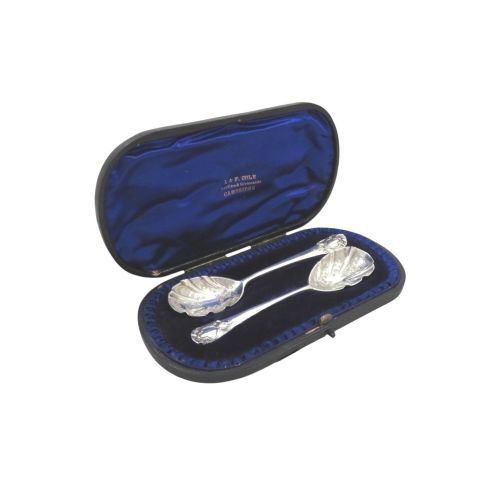
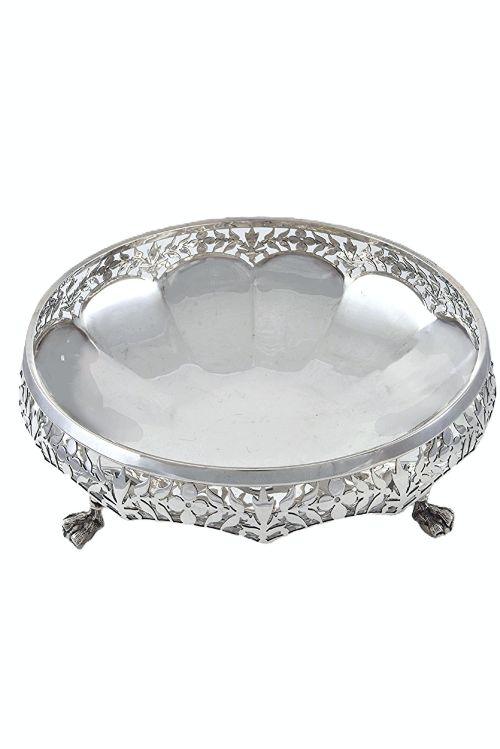
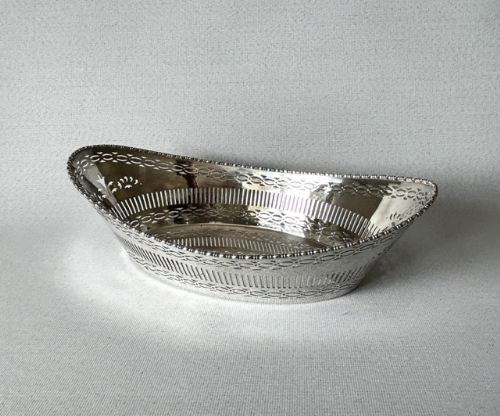
Edwardian silver serving bowls span a range of practical forms designed for formal dining, including bread baskets, fruit baskets, cake baskets, strawberry dishes, and entree dishes. Alongside these dedicated serving dishes, the category encompasses centrepiece bowls, tureens, and fitted salad bowls paired with original servers or cut crystal inserts.
While the material and style cluster tightly around the Edwardian period and the early twentieth century, pieces styled in the Victorian and George V eras also appear, alongside occasional items incorporating nineteenth-century or eighteenth-century elements. Makers employ both solid sterling silver and silver plate, frequently designated as EPNS or electroplated nickel silver.
The dominant forms on this page reflect the dining habits of the period, favouring heavy silver-plated items from prominent firms such as Mappin & Webb and Elkington, as well as solid sterling silver pieces. Buyers encounter versatile designs intended for fruit, bread, and shared dishes, often resting in frames of polished oak or cut crystal.
Materials and Techniques
Makers construct these pieces using solid sterling silver or base metals coated in silver plate and electroplated nickel silver. Workshops apply traditional silversmithing techniques to shape the metal into swing-handle baskets, footed bowls, and multi-piece entree dishes with fitted covers.
Many designs combine silver mounts with organic or mineral elements, pairing polished oak, cut crystal, and velvet inserts with the metal framework. Handles and rims often feature cast and chased ornamentation characteristic of Edwardian, late Victorian, and Art Nouveau styles.
Edwardian Silver Serving Bowls Retail Price Guide 2026
Typical asking prices for edwardian silver serving bowls among the pieces listed under this phrase on Sellingantiques today, from the lower quarter to the upper quarter. They describe what is for sale here now, not the wider market.
Design and Execution
Quality rests in the weight of the metal, the crispness of the chased decoration, and the integrity of any applied silver plating over base metals. Substantial solid sterling silver vessels and heavy silver-plated pieces from established makers exhibit superior structural permanence and tactile presence.
The sophistication of the design dictates distinction, from simple round bowls to complex swing-handle fruit baskets with pierced detailing and matched crystal liners. Pieces that retain original components, such as servers or fitted glass liners, demonstrate higher degrees of original preservation.
Mappin and Webb·Elkington and Co·Hamilton and Inches·Whiting Co·S. Kirk and Son Company
The Edwardian Silver Serving Bowls Glossary
- Sterling silver
- A silver alloy containing 92.5 percent pure silver and 7.5 percent other metals, usually copper, to add strength. This standard alloy forms the basis of solid silver tableware.
- Silver plate
- A base metal, such as nickel silver, coated with a thin layer of pure silver through chemical or electrochemical processes. This technique allowed Victorian and Edwardian makers to produce large serving pieces at accessible costs.
- EPNS
- Electroplated nickel silver, a common base metal alloy of copper, nickel, and zinc that receives a coating of silver via electrolysis. Most silver-plated serving dishes from the Edwardian era carry this designation.
- Entree dish
- A shallow, covered serving vessel designed to hold individual courses at the dinner table. These items frequently feature removable handles to allow the cover to double as a secondary serving dish.
- Swing-handle
- A pivoting bail handle attached to the rim of baskets and bowls, allowing the handle to lie flat or stand upright. This mechanism appears frequently on Edwardian fruit and cake baskets.
- Centrepiece bowl
- A large, decorative vessel designed to sit in the middle of a dining table, often holding fruit or floral arrangements. These bowls represent the most ambitious decorative metalwork of the period.
Edwardian Silver Serving Bowls: Frequently Asked Questions
What is an entree dish used for?
An entree dish serves individual courses or shared side dishes at the formal dining table. The lidded design keeps food warm between the kitchen and the dining room.
Many Edwardian examples feature removable lids that double as secondary shallow serving bowls when inverted. This versatility made them essential for multi-course meals.
How do I clean silver plated bowls?
Silver plate requires gentle cleaning with a specialist silver cloth or a mild, non-abrasive silver polish. Harsh scrubbing wears away the thin electroplated layer over time.
Avoid immersing wooden frames or velvet inserts in water when cleaning mounted pieces. Store the items in a dry environment to slow down natural tarnishing.
What is the difference between sterling and plate?
Solid sterling silver contains a regulated high purity of silver throughout the entire object, bearing hallmarks that verify its metal content. Silver plate consists of a base metal core coated with a thin layer of silver.
Plated items, often marked EPNS, offer the visual weight and shine of solid silver at a different tier of manufacturing. Both types served identical dining functions in Edwardian homes.
How do I date an Edwardian bowl?
Dating relies on maker marks, retailer stamps, and date letters stamped into the metal by official assay offices. Stylistic clues such as Art Nouveau curves or late Victorian motifs also help narrow the timeframe.
Most pieces from this specific aesthetic cluster around the Edwardian reign and the surrounding decades of the early twentieth century.