

Edwardian Table Candlesticks
Edwardian table candlesticks bring domestic illumination from the early twentieth century into modern rooms through substantial metalwork and classical proportion.
Edwardian Table Candlesticks
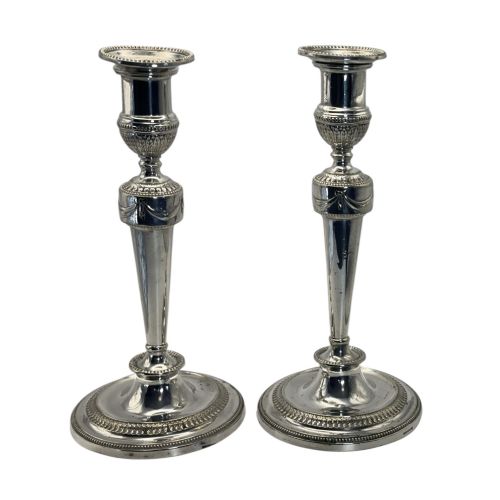
Edwardian table candlesticks are lighting accessories produced during the Edwardian period and adjacent early twentieth-century decades, often spanning late Victorian influences through to George V designs. Buyers seeking these items encounter matching pairs and single examples intended for dining tables, sideboards, and mantlepieces.
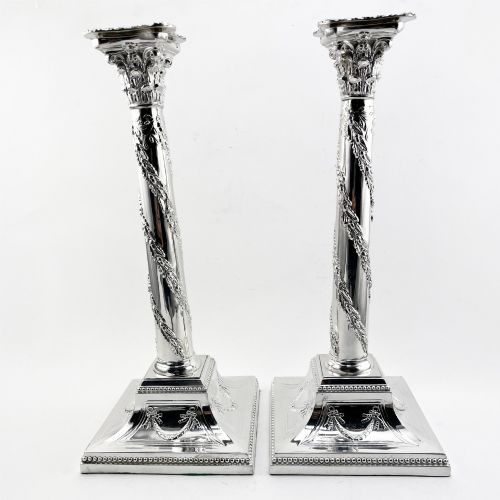
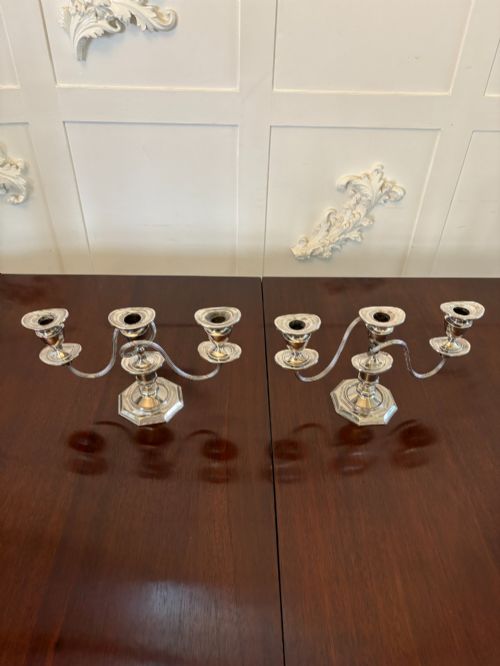
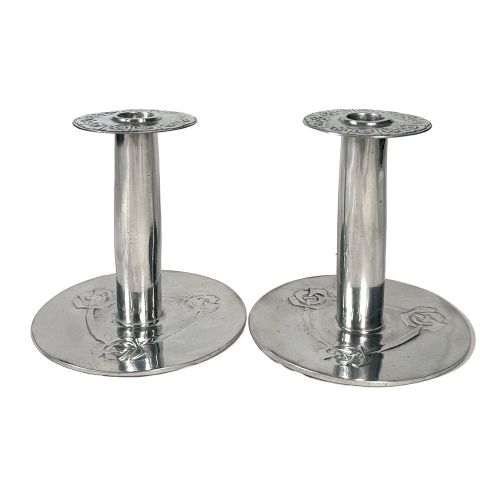
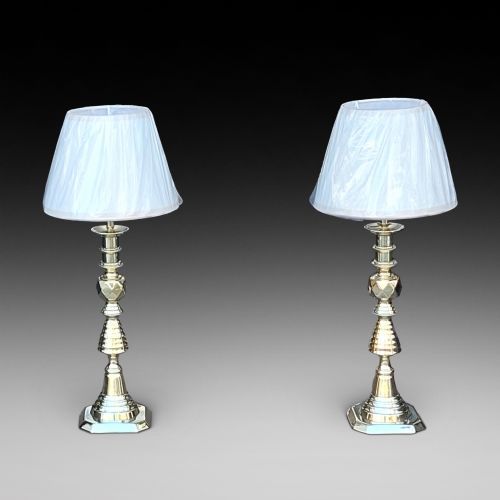
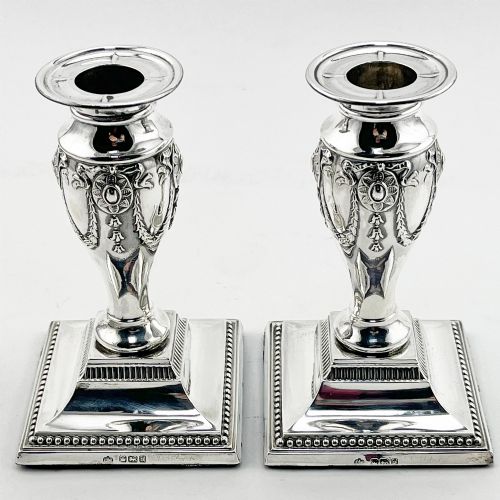
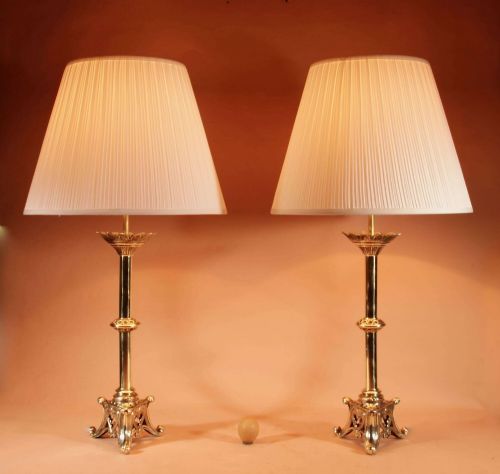
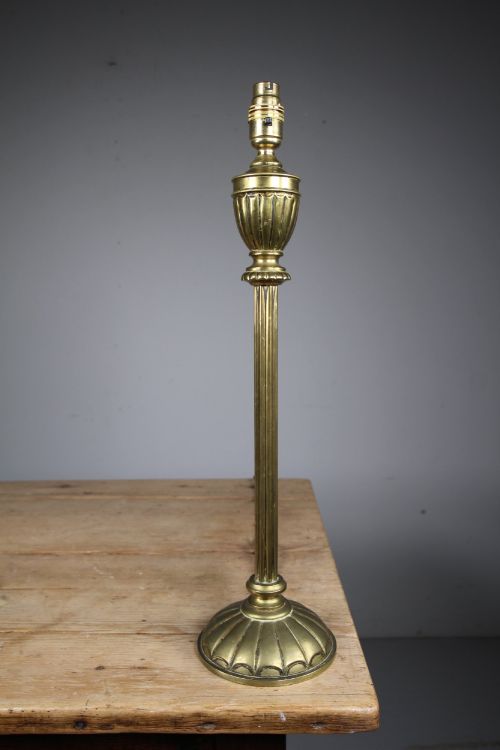
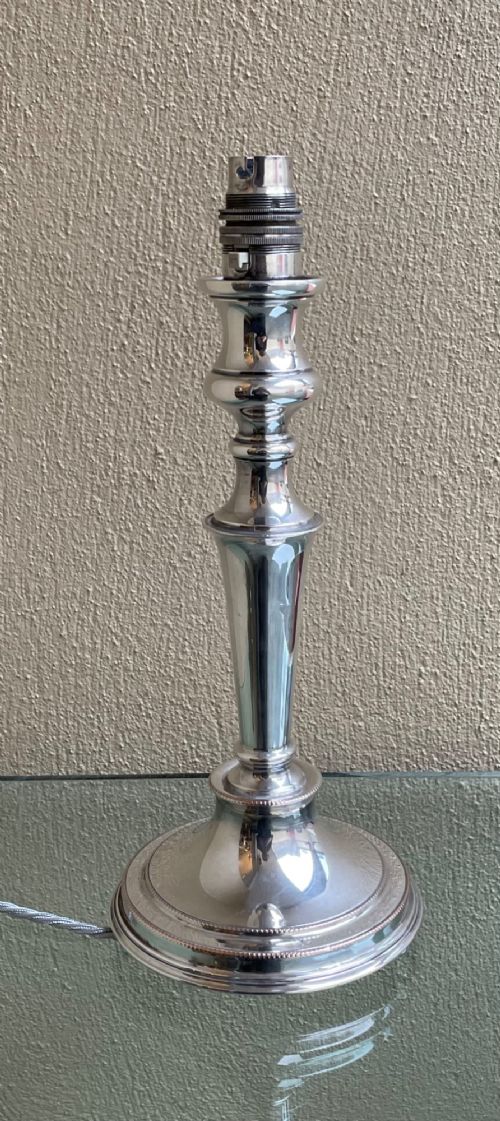
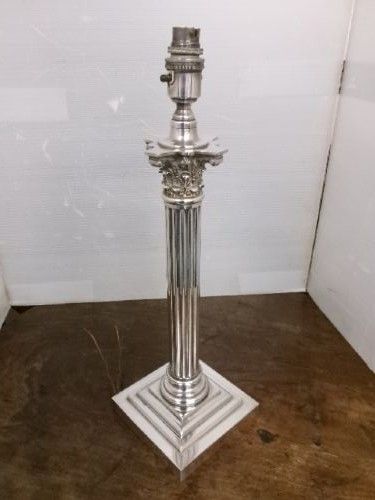
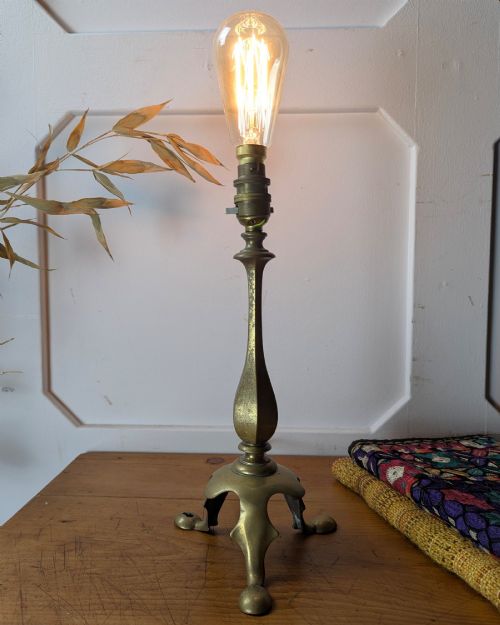
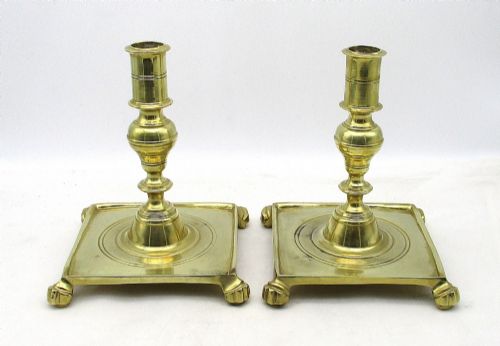
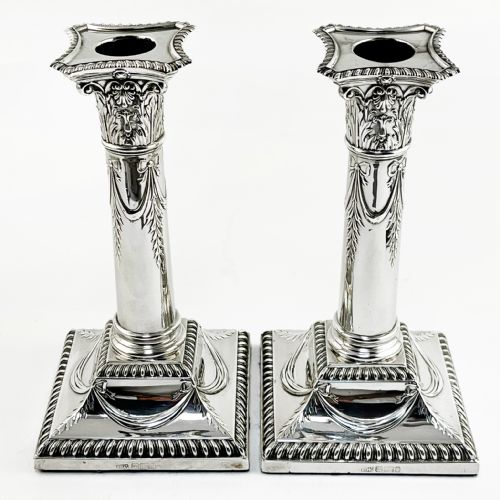
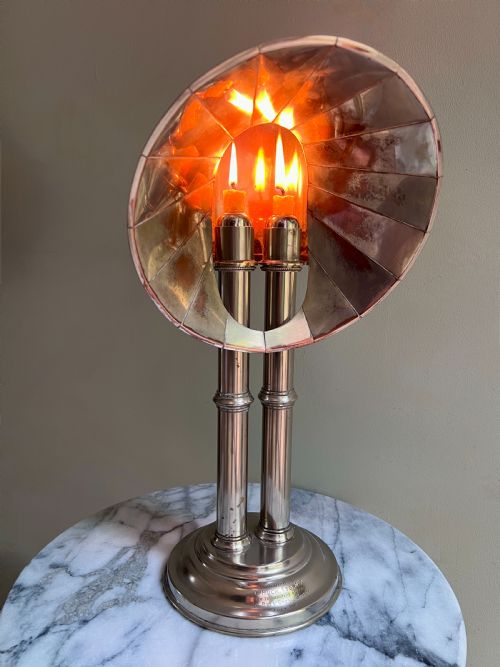
The selections on this page appear primarily in polished and cast brass, sterling silver, and silver plate, alongside pewter, bronze, and converted table lamps. Forms range from classical columns and barley twists to multi-light candelabras, chambersticks, and structural chamber lighting.
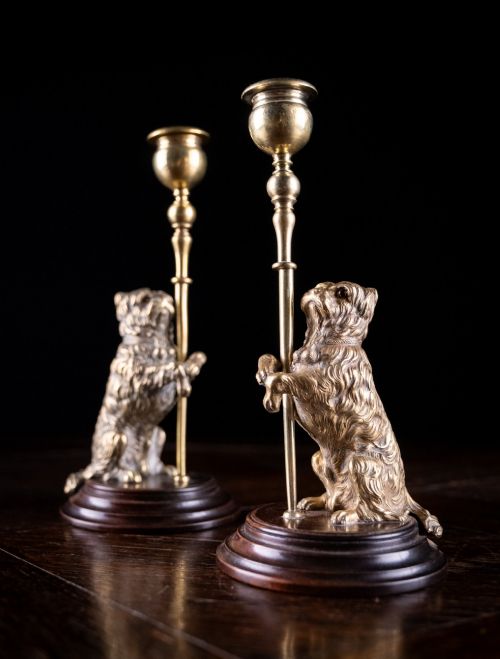
Makers and retail houses of the era utilised distinct stylistic vocabularies, touching upon Neoclassical, Arts and Crafts, Gothic Revival, and Rococo Revival tastes. Pieces incorporate socket fittings, weighted bases, and occasionally applied decoration like animal figures or engraved inscriptions.
How They Were Made
Metalworking techniques dominate the production of these objects, utilising cast brass, spun silver plate, and heavy pewter forms shaped by workshops and metal foundries. Sterling silver examples involve precise smithing and hallmarking, while plated items rely on electroplating silver or nickel silver onto base metals.
Construction methods include multi-part assembly where bases, stems, and drip pans are joined securely, often weighted internally with pitch or resin for stability. Applied surface finishes range from bright polished brass to patinated bronze and textured hammered pewter.
Edwardian Table Candlesticks Retail Price Guide 2026
Typical asking prices for edwardian table candlesticks among the pieces listed under this phrase on Sellingantiques today, from the lower quarter to the upper quarter. They describe what is for sale here now, not the wider market.
A loyal brass terrier stands ready to hold a taper, guarding the tabletop with unwavering canine devotion.
What Varies in Quality
Quality separates objects by the crispness of casting detail in motifs like Corinthian capitals or foliate scrolling, alongside the gauge and weight of the underlying metal. Substantial thickness in silver and brass prevents tipping and denting during daily domestic use.
The integrity of maker marks, registration numbers, and crisp hallmarks distinguishes standard commercial output from pieces produced by notable silversmiths and metalworkers. Finishes that retain original plating depth without thinning to base metal indicate higher grade manufacture.
Elkington and Co·Liberty and Co·Archibald Knox·Mappin and Webb·James Fenton·Frederick J Smith and Co·Wm Tonks and Sons
The Edwardian Table Candlesticks Glossary
- Sterling Silver
- A silver alloy containing 92.5 percent pure silver and 7.5 percent other metals, usually copper, ensuring durability for tableware. Items bear official hallmarks confirming assay office, maker, and standard.
- Silver Plate
- A base metal such as copper, nickel, or brass coated with a thin layer of pure silver. EPNS forms a common variety denoting electroplated nickel silver beneath the surface layer.
- Candelabra
- A multi-branched candleholder designed to support several candles from a single central stem. Edwardian examples frequently feature removable branches converting the piece into a standard single candlestick.
- Chamberstick
- A short portable candlestick fitted with a wide drip pan and a loop handle for carrying through a house. These pieces served domestic illumination before the widespread adoption of electric lighting.
- Barley Twist
- A spiral turning resembling a twisted barley stalk, popular in wooden and brass candlestick stems. This decorative form creates dynamic light reflection along the shaft.
Edwardian Table Candlesticks: Frequently Asked Questions
How do I clean antique silver candlesticks?
Polishing requires a soft cloth and a specialised silver cream designed to lift tarnish without removing the thin plating or wearing down embossed decoration. Avoid harsh abrasive compounds that scratch the metal surface.
Store pieces away from direct humidity and sulfur sources to minimise future oxidation and maintain a steady, gentle sheen across the metal.
Were these converted into table lamps?
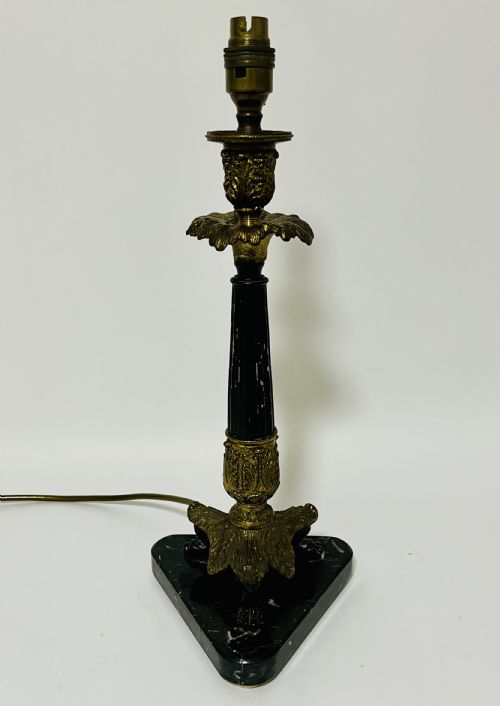
Many surviving brass and silver-plated examples feature electrical wiring added during later decades to adapt the candleholders for modern illumination. Conversions often utilise the existing central hollow channel without altering the outer metal body.
Buyers can find both original lighting pieces and converted items sharing identical aesthetic origins within the period.
How can I tell Edwardian from Victorian pieces?
Edwardian items generally favor lighter, more restrained neoclassical revival lines, slender columns, and delicate floral chasing compared to the heavier ornamentation typical of earlier Victorian design. The transition between these reigns spans overlapping stylistic tastes.
Assay marks and registration numbers stamped into silver and plate provide precise dating references for individual items.
Are pairs always sold together?
Many listings offer matching pairs intended for symmetrical placement on dining tables or sideboards, reflecting period interior arrangement customs. Single candlesticks and chambersticks also appear frequently as standalone decorative objects.
Examining the base and dimensions helps confirm whether paired items share identical manufacturing origin and wear patterns.