


Edwardian System Stick
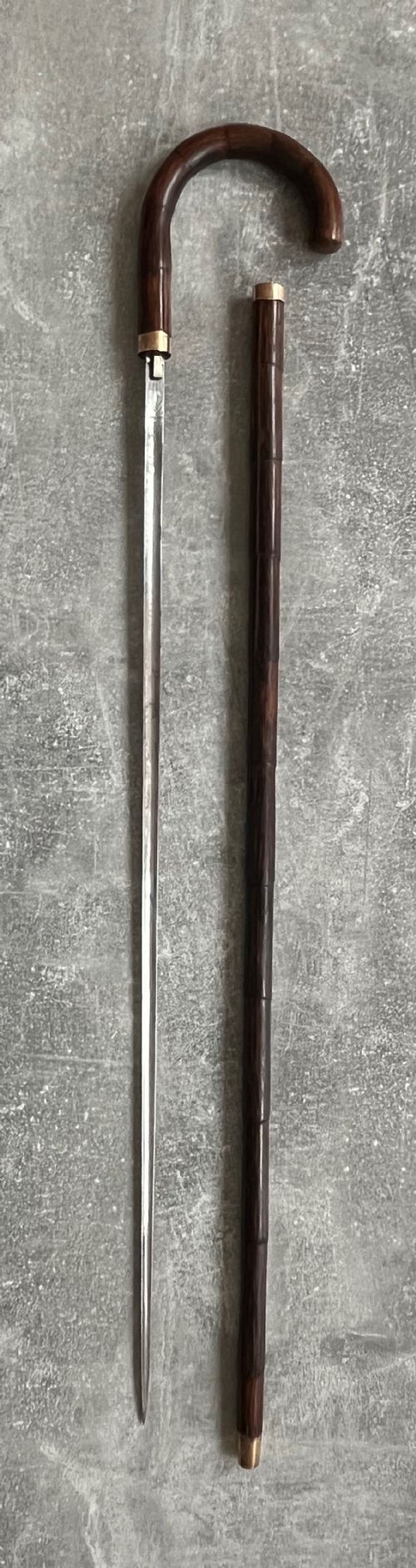
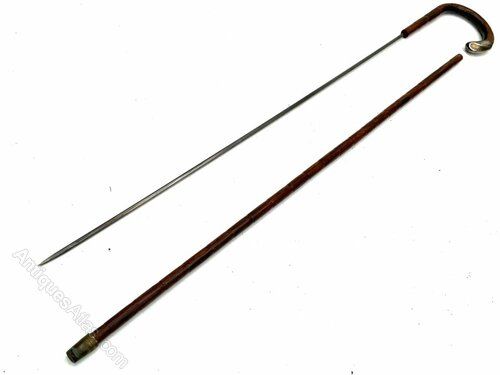
An Edwardian system stick is a dual-purpose gentleman's accessory, combining a walking cane with a concealed steel blade for protection and display.
Edwardian System Stick
When you search for an Edwardian system stick, you encounter a specialised form of gentleman's walking cane concealing a sharp Toledo or Wilkinson blade beneath the shaft. These pieces emerged strongly during the late nineteenth and early twentieth centuries, spanning Victorian and Edwardian periods.
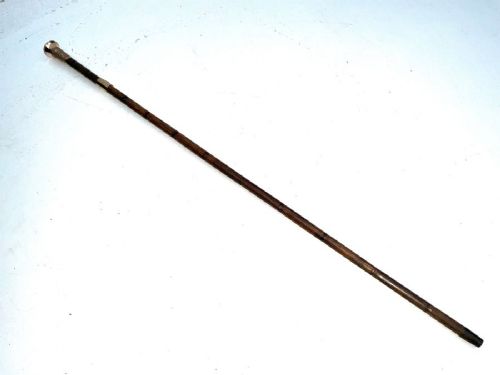
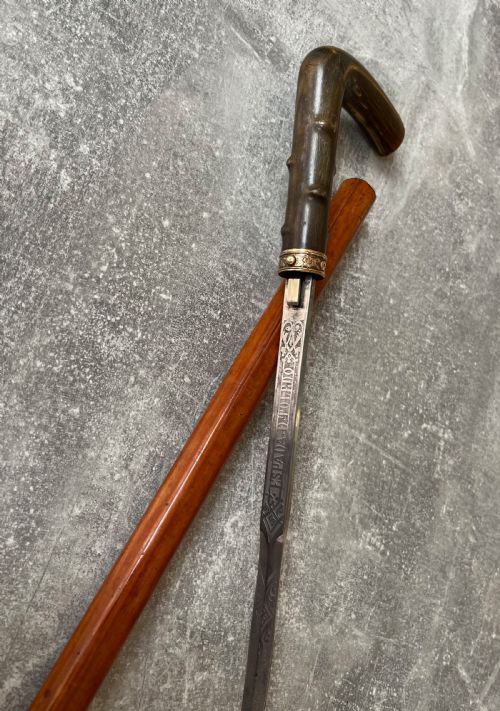
You are most likely to meet malacca cane, partridge wood, or bamboo shafts fitted with silver collars, horn handles, or root-ended grips. The concealing mechanism relies on button releases or friction fits that secure the blade safely within the wood until drawn.
Many examples reflect military, masonic, or civilian ownership through specific ornamentation, such as silver horse head handles or engraved London hallmarks. Each piece balances the outward appearance of a standard walking stick with the internal utility of a concealed weapon.
Materials and construction
Shafts rely on natural timbers and canes such as malacca, partridge wood, bamboo, chestnut, and faux bamboo, chosen for straightness and resilience. These materials are paired with steel blades, often etched, alongside brass, silver mounts, and metal collars.
Handles incorporate organic elements including horn, antler, bone, and root wood, shaped into pistol grips, crooks, or animal forms. Silversmiths added hallmarked silver tops and collars, while makers integrated button release mechanisms to secure the internal steel safely.
Periods represented stretch from the late nineteenth century through the Victorian and Edwardian eras into the early twentieth century.
Distinctions in quality
Quality rests in the precision of the join between the handle and shaft, where superior examples maintain a seamless line when closed. The refinement of the button release mechanism and the snugness of the fit determine how cleanly the cane separates from the steel.
Blade origin dictates distinction, particularly signed Toledo or Wilkinson steel against unmarked metal. Finer specimens display detailed etching on the blade, substantial silver mounts with clear assay marks, and carefully selected natural handles like carved horn or antler.
The Edwardian System Stick Glossary
- System stick
- A walking cane concealing an extra function, most commonly a steel blade within the shaft.
- Toledo blade
- A steel blade originating from Toledo, renowned for flexibility and strength. These blades frequently feature decorative etching along the fuller.
- Malacca cane
- A mottled brown rattan imported from Southeast Asia, prized for resilience and flexibility in walking sticks.
- Partridge wood
- A dense tropical timber exhibiting distinctive partridge-feather patterning, used for durable cane shafts.
- Collar
- A metal band, often sterling silver, fitted around the top of the shaft to reinforce the wood against splitting.
Edwardian System Stick: Frequently Asked Questions
How do you release the hidden blade?
Most examples utilise a small push button set into the silver collar or upper shaft to disengage an internal catch. Pulling the handle firmly then draws the steel blade smoothly out from the wooden scabbard.
Older or simpler variants rely on a friction fit rather than a mechanical button. These require a steady pull to overcome the grip of the interior wooden channel.
What woods were used for the shafts?
Makers selected timbers and canes known for straight grain, strength, and lightweight properties. Malacca cane, partridge wood, bamboo, and chestnut appear frequently across the period.
Exotic or patterned woods were often chosen for their visual appeal as well as structural integrity. Faux bamboo versions carved from alternative hardwoods also occur.
Are the blades marked with makers?
Certain blades carry stamps or etching from renowned makers such as Wilkinson or originate from Toledo. Other blades remain entirely unmarked while retaining fine steel quality and decorative etching.
Assay marks on silver collars and mounts provide London or provincial hallmarks that date the metalwork precisely. These silver marks often give a reliable indication of the year of assembly.
How should I display a system stick?
Displaying these pieces involves wall-mounted racks or floor-standing umbrella stands that keep the canes upright and secure. Ensuring the room maintains stable humidity prevents the wooden shafts from warping and binding the internal blades.
Keeping the concealed blade lightly oiled protects the steel from rust within the wooden scabbard. Periodic checks of the release mechanism ensure it continues to function smoothly.