


Edwardian Swivel Mirror Vanity
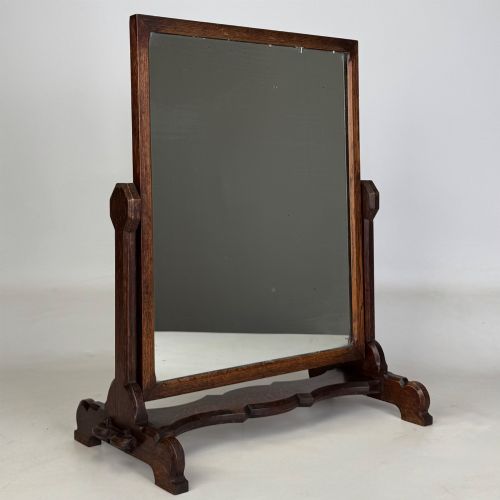
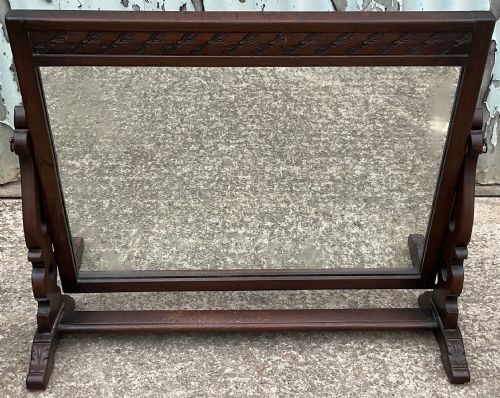
These edwardian swivel mirror vanity pieces are practical dressing table mirrors and full-length cheval mirrors that bring period character and adjustable reflection to a bedroom.
Edwardian Swivel Mirror Vanity
An edwardian swivel mirror vanity covers table-top toilet mirrors, dressing mirrors, and full-length cheval mirrors designed for personal grooming. These pieces originate primarily from the Edwardian and Victorian eras, alongside examples from the Georgian, Regency, and early twentieth-century periods.
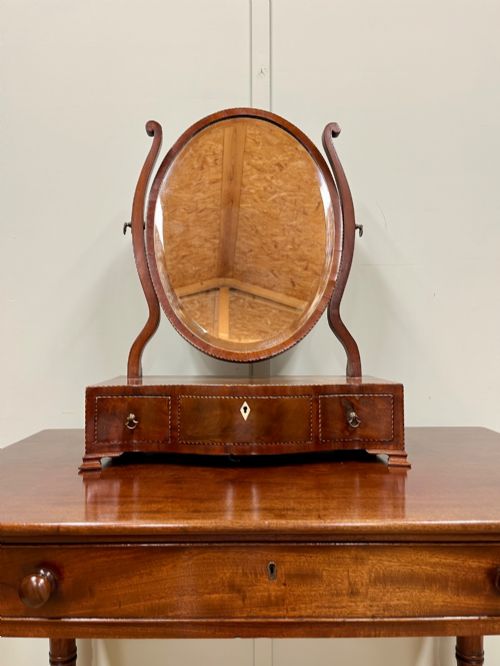
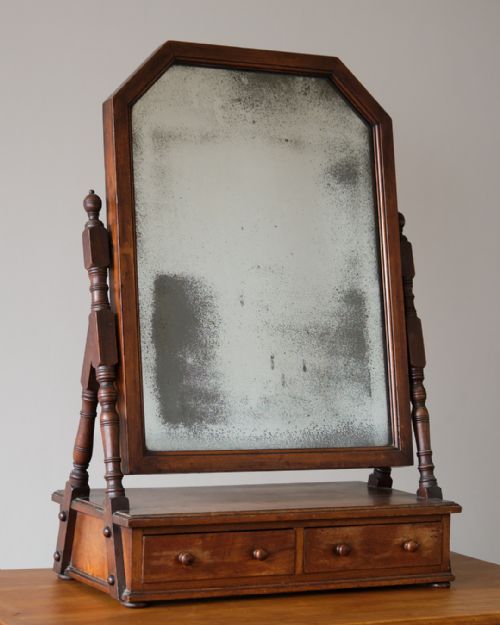
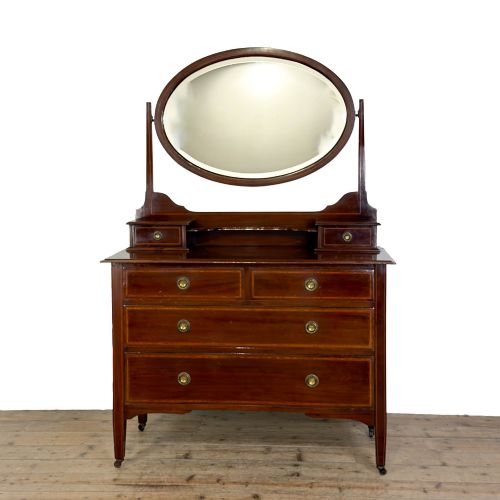
The primary forms on this page include compact table-top swing mirrors with integrated drawers and larger dressing tables equipped with pivoting glass plates. Buyers frequently encounter mahogany and oak constructions spanning compact toilet mirrors to substantial pedestal dressing tables.
Originating as essential bedroom furniture for adjusting angles during dressing, these pieces combine functional glass pivoting frames with storage compartments like three-drawer bases and chest configurations.
How they were made
Cabinetmakers constructed these frames using timber such as mahogany, oak, walnut, and satinwood, frequently applying brass for hinges, adjusting screws, and decorative fittings. Selected examples incorporate bone details and inlaid wooden decoration to enrich the surfaces.
Glass plates are mounted within adjustable wooden frames that pivot on vertical supports, allowing the user to tilt the mirror surface to various angles. Table-top versions often sit above small drawer bases constructed with traditional joinery.
Some tiny base drawers were built specifically to hide secret love letters away from inquisitive household staff.
What varies in quality
Quality rests upon the selection of cabinet timbers, such as figured mahogany or satinwood, and the crispness of inlaid details and carved elements. Superior examples display refined proportions and robust pivoting mechanisms that hold the glass steady at any chosen angle.
The integrity of the original mirror glass and the precision of the drawer construction distinguish finer pieces from simpler utilitarian items. Solid brass hardware and carefully fitted joints indicate careful workshop production.
Heal And Sons
The Edwardian Swivel Mirror Vanity Glossary
- Cheval mirror
- A full-length floor-standing mirror mounted in a frame that allows it to swivel vertically. These tall pieces enable a person to view their entire outfit.
- Toilet mirror
- A smaller mirror designed to sit on top of a dressing table or chest of drawers. They frequently feature small storage drawers in the base.
- Swing mirror
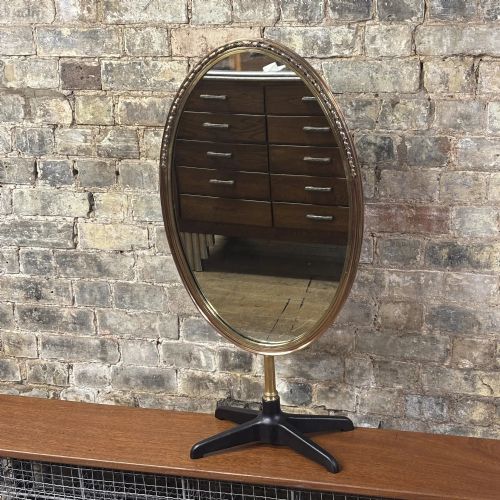
- A glass plate hung on pivots between two upright posts so it tilts forward or back. This arrangement allows users to adjust the angle of reflection.
- Pedestal dressing table
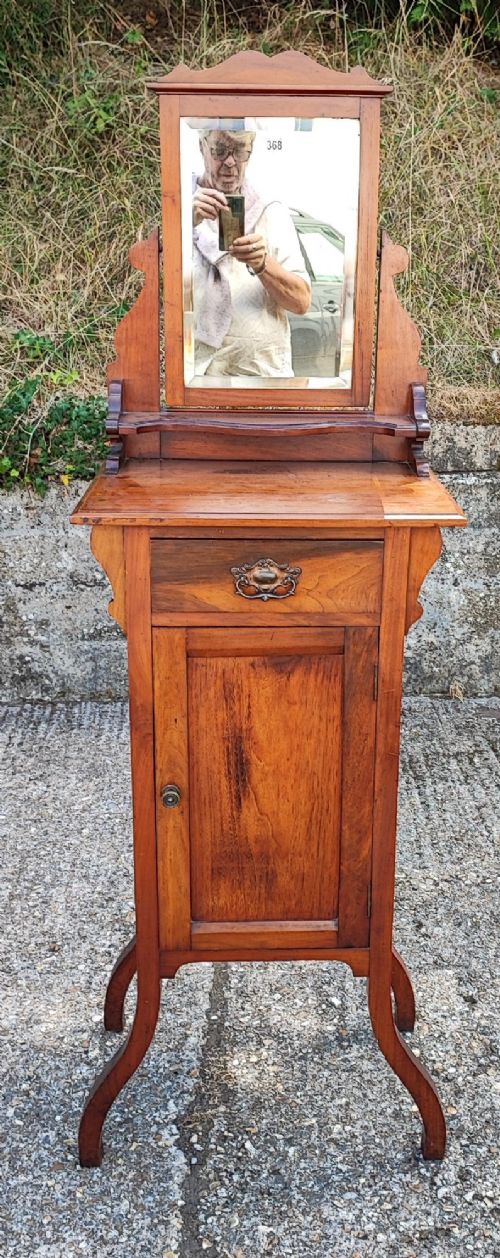
- A large dressing table featuring banks of small drawers on either side supporting the main surface and mirror. They offer substantial storage alongside the pivoting glass.
- Inlaid mahogany
- Timber decorated by inserting contrasting strips of wood or bone into shallow recesses flush with the surface. This technique adds decorative pattern to the cabinetwork.
Edwardian Swivel Mirror Vanity: Frequently Asked Questions
How do I clean the mirror glass safely?
Use a soft cloth dampened with a mild glass cleaner or water, avoiding harsh chemicals that might seep behind the silvering.
Dry the edges thoroughly to prevent moisture from damaging the backing over time.
What is the difference between a cheval and a toilet mirror?
Cheval mirrors are tall, freestanding pieces designed to rest on the floor for full-body reflection.
Toilet mirrors are compact table-top versions meant to sit on a chest of drawers or dressing table.
How do the swivel mechanisms work?
Pivoting side screws or wooden pegs hold the mirror plate within upright vertical supports.
Tightening or loosening these fittings allows the glass to tilt and remain fixed at the desired angle.
Can I store jewellery in the base drawers?
Many table-top mirrors feature small built-in drawers originally intended for trinkets, pins, and cosmetics.
Lining these compartments with soft fabric helps protect delicate items from scratches.
How do I identify an Edwardian piece?
Edwardian items typically display lighter timbers like satinwood or mahogany with understated proportions dating from the early twentieth century.
They often combine traditional craftsmanship with cleaner decorative lines than their Victorian predecessors.