
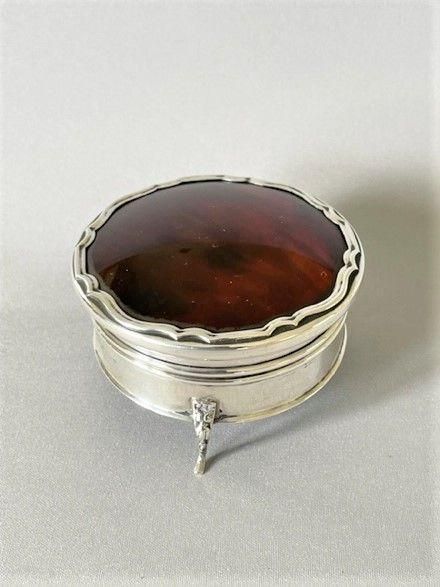
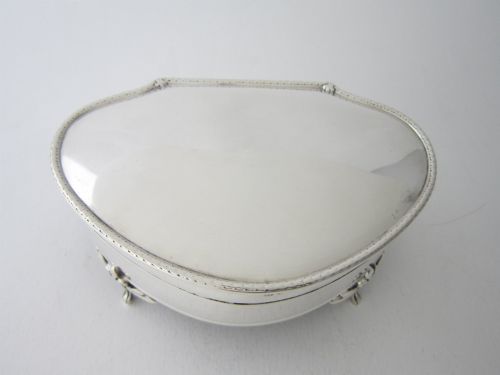
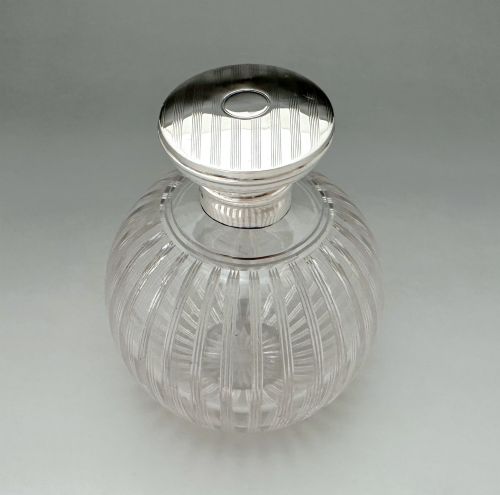
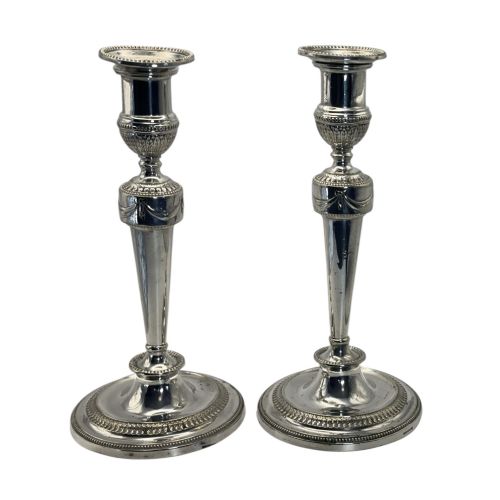
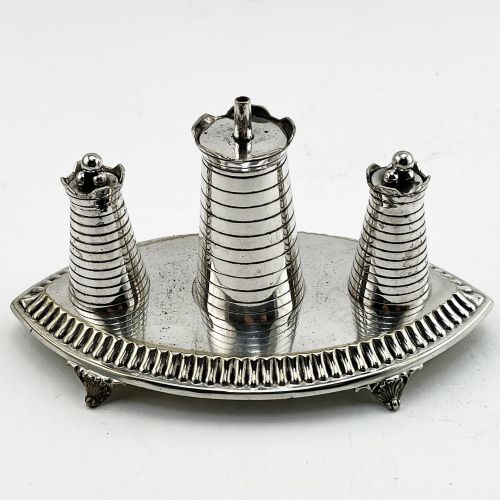
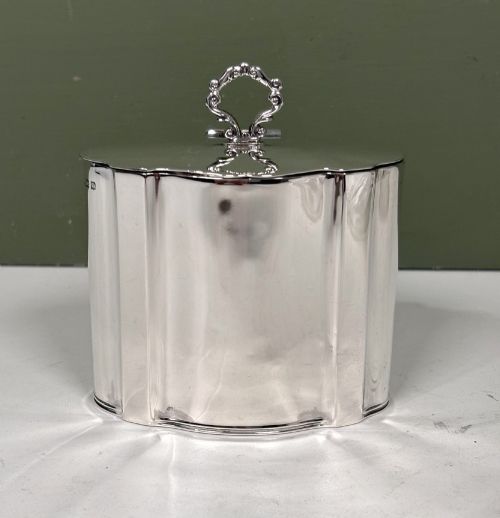
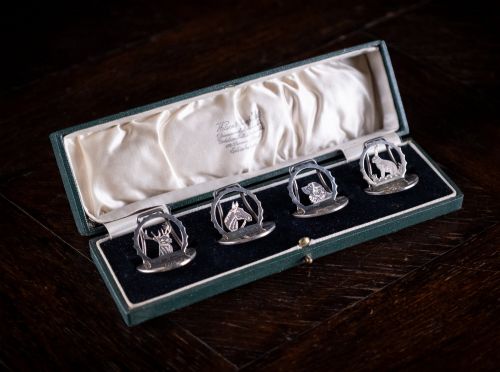
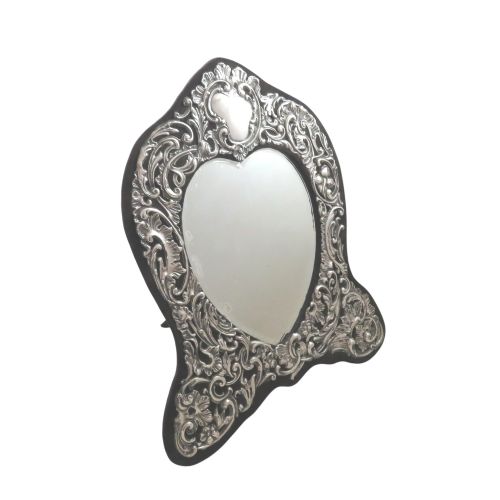

Edwardian Style Silver Table
When you search for an Edwardian style silver table, you encounter occasional tables and centre tables rooted in revival styles.
Edwardian Style Silver Table
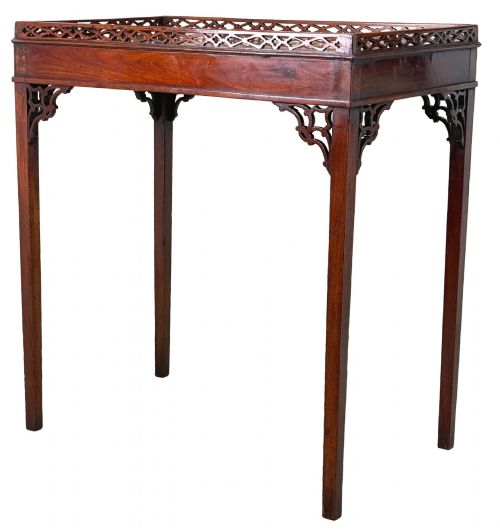
An Edwardian style silver table typically draws on earlier periods like the Georgian era, integrating mahogany frames and silver or silver-plated elements. These occasional and centre tables serve as display or serving surfaces, mirroring the decorative priorities of the early twentieth century.
The materials recorded in the evidence encompass sterling silver, silver plate, mahogany, glass, brass, metal, and velvet. While some pieces are entirely metal or plate, others combine timber structures with silver-plated mounts or coasters.
How they were made
Cabinet makers utilised mahogany for the structural frames of tables, applying traditional joinery methods suited to freestanding furniture. Metalworkers shaped sterling silver and silver plate through casting, hammering, and assembly.
Revival styles dictated the ornamentation, drawing on Chippendale and Neoclassical motifs to shape the wooden frames and metal mounts.
One historical case style was presented specifically to a doctor in Ireland.
What varies in quality
Quality rests on the crispness of the revival detailing in both the woodwork and any metal mounts. Pieces with defined casting on silver elements and precise joinery in the mahogany separate themselves from simpler productions.
The weight of the silver or silver plate and the integrity of the secondary materials, such as glass inserts or brass fittings, influence the overall standing of an individual table.
Mappin & Webb·A. Wilcox·Zimmermann·Barker Brothers·William Comyns·Thomas Bradbury & Sons Ltd·Asprey
The Edwardian Style Silver Table Glossary
- Sterling silver
- An alloy containing 92.5 percent silver by mass, widely utilised for British hallmarked tableware and decorative items.
- Silver plate
- A base metal coated with a layer of silver, offering the visual appearance of solid silver at a different cost.
- Chippendale revival
- A stylistic movement drawing on the eighteenth-century designs of Thomas Chippendale, frequently seen in Edwardian furniture.
- Mahogany
- A durable hardwood commonly selected by cabinet makers for tables and case furniture during the nineteenth and early twentieth centuries.
Edwardian Style Silver Table: Frequently Asked Questions
What defines an Edwardian style silver table?
These tables incorporate early twentieth-century manufacturing techniques while looking back to Georgian and Chippendale design principles.
They frequently combine timber such as mahogany with silver-plated or sterling silver components.
Were these tables used for dining?
Occasional and centre tables functioned primarily as display surfaces or for serving tea in period drawing rooms.
Their construction suits lighter decorative duties rather than heavy daily use.
How do I identify the period of the table?
Makers and dates are often indicated by hallmarks on silver elements or construction methods within the mahogany framework.
Revival pieces combine older stylistic vocabulary with the manufacturing standards of the early 1900s.
How should I care for mahogany and silver surfaces?
Timber elements benefit from traditional furniture wax applied sparingly to preserve the polished finish.
Silver and silver plate require specialised polishing cloths to prevent tarnish accumulation without wearing the metal.