



Edwardian Style Silver Box
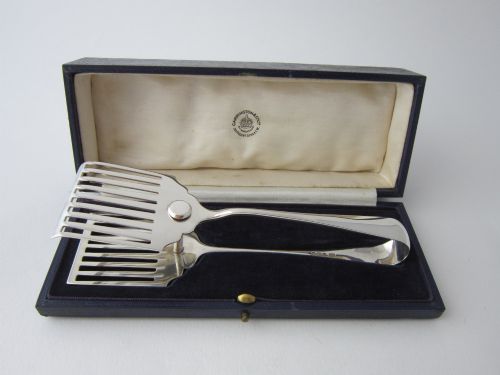
These pieces for an edwardian style silver box span tea caddies, trinket cases and desk accessories shaped by early twentieth-century design.
Edwardian Style Silver Box
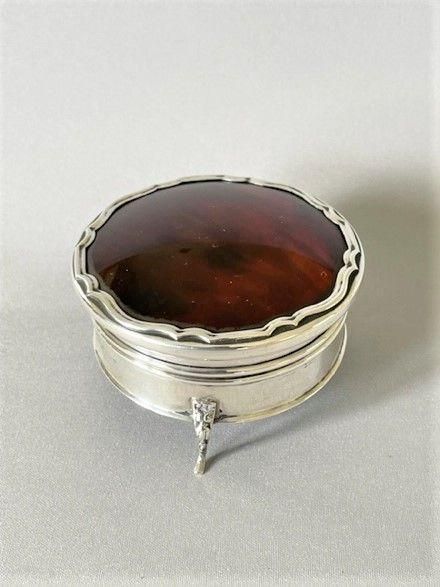
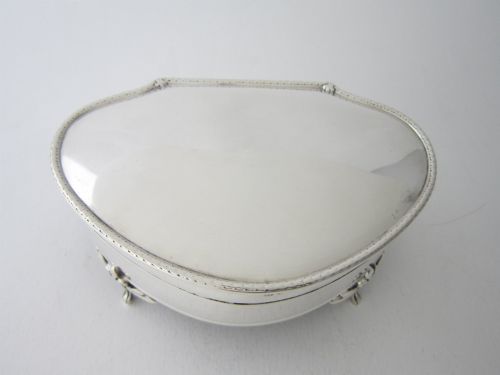
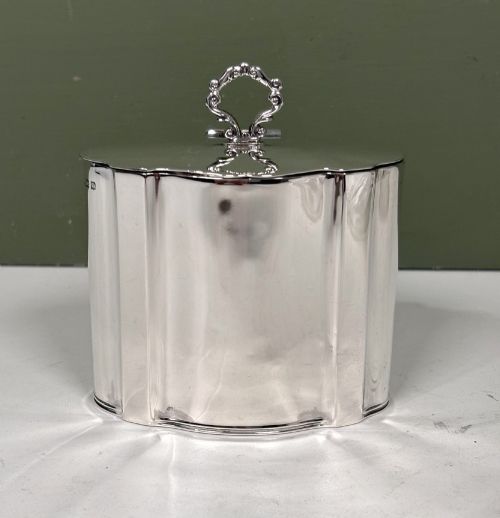
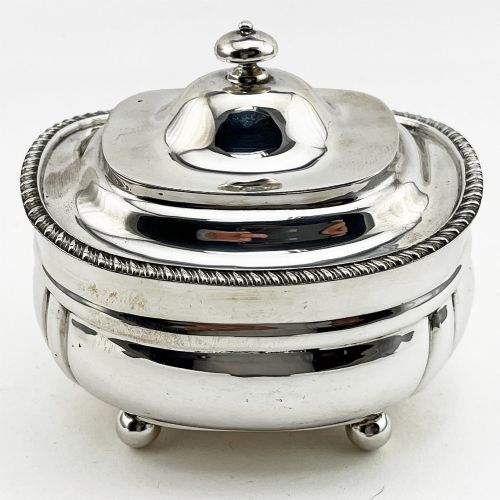
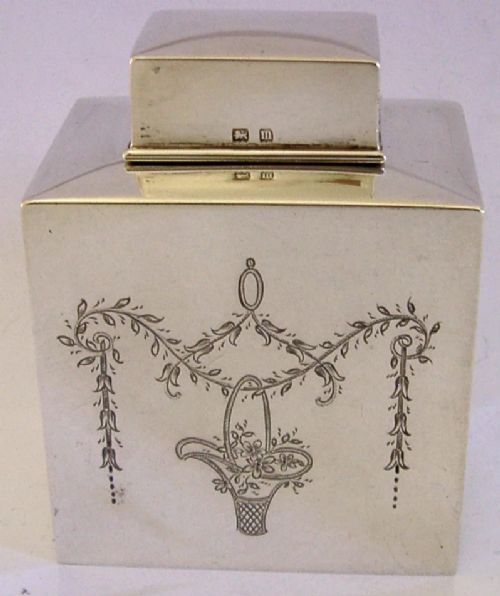
An edwardian style silver box encompasses small lidded vessels produced across the early decades of the twentieth century. The selection ranges from solid sterling tea caddies and dressing table trinket cases to heart-shaped boxes bearing hallmarks from London, Chester and Birmingham.
Makers working within this idiom drew upon diverse historical sources, producing pieces in styles such as Arts and Crafts, Art Deco, Georgian Revival and Rococo Revival. Interiors are frequently lined with velvet or wood to protect contents.
Tea caddies, stamp boxes and jewellery caskets dominate the forms, reflecting the domestic habits of the period. Alongside solid sterling pieces, silver plated and pewter alternatives emerge, sometimes augmented by enamel panels or glass bodies.
How they were made
Construction relies upon traditional silversmithing techniques, utilising sterling silver, solid silver and silver plate shaped into bodies with fitted lids. Pewter also appears alongside wood and velvet linings within the construction of vessels.
Decorative elements involve applied enamel panels, hand-finished chasing, and hallmarks struck directly into the metal to denote year and maker. Glass inserts feature in specific desk accessories like stamp boxes.
Specialised workshops employed techniques ranging from simple press-forming to detailed hand-hammered surfaces typical of the Arts and Crafts movement.
Listings feature items spanning the Edwardian period, 1900, 1910, 1920, and 1930, alongside George V examples.
What varies in quality
The standard of an edwardian style silver box depends heavily on the weight of the metal and the crispness of the chasing or hallmarks. Substantial gauge sterling silver and intact velvet linings separate high-tier productions from lighter plate or pewter items.
The inclusion of specialist decorative components, such as hand-painted enamel panels or complex regional hallmarks from makers like A. Wilcox or William Comyns, elevates individual examples. Execution of period revival styles dictates overall refinement.
A. Wilcox·Zimmermann·William Comyns·Liberty and Co
The Edwardian Style Silver Box Glossary
- Sterling silver
- An alloy containing 92.5 percent silver by mass, forming the primary metal used for the majority of these boxes and caddies.
- Hallmark
- An official mark stamped onto precious metals in Britain to indicate standard of purity, place of assay, and date of manufacture.
- Tea caddy
- A small box or jar designed to store tea leaves, frequently fitted with a secure lid and produced in solid silver during the George V and Edwardian eras.
- Enamel
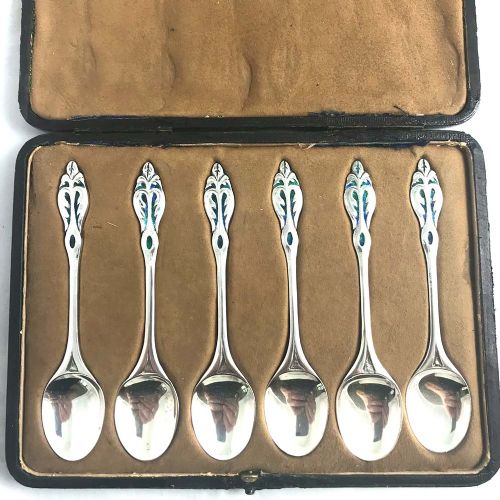
- A vitreous substance fused to the surface of metal through firing, utilised for decorative panels and colour highlights on spoons and boxes.
- Arts and Crafts
- A design movement promoting handcraftsmanship and traditional materials, visible in several pewter and silver boxes from the period.
Edwardian Style Silver Box: Frequently Asked Questions
What is an edwardian style silver box?
An edwardian style silver box is a lidded container fashioned from sterling silver, silver plate, or pewter, dating from the early twentieth century. These vessels served practical roles on dressing tables and in reception rooms.
Designs draw on historical revivals and contemporary movements like Arts and Crafts, featuring interior linings of velvet or wood.
How were these silver boxes used?
These boxes held domestic items such as tea leaves in caddies, postage stamps in desk accessories, and personal jewellery in trinket caskets. Their presence reflected the formal habits of early twentieth-century households.
Many functioned as display pieces in entertaining spaces, demonstrating the social standing and taste of the owner.
How can I date an edwardian silver box?
Dating relies upon examining the hallmarks stamped into the metal, which record the assay office, standard, and specific year of production. Makers' marks provide additional identification for workshops active in the 1900s through the 1930s.
Stylistic indicators such as Rococo revival motifs or clean Arts and Crafts lines also point toward specific decades within the period.
What materials besides silver appear in these pieces?
While sterling silver and silver plate predominate, items frequently incorporate complementary materials such as coloured enamel, glass inserts, and pewter. Interiors often utilise wood and velvet to cushion contents.
Combinations of metal and enamel are particularly common on decorative spoons and small desk boxes.