

Edwardian Style Console
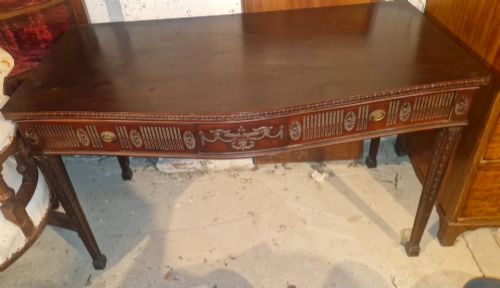
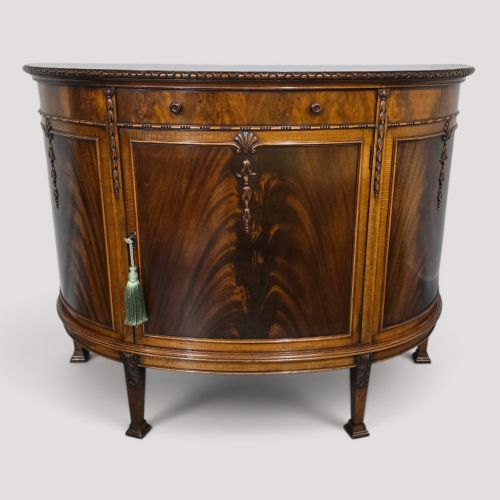
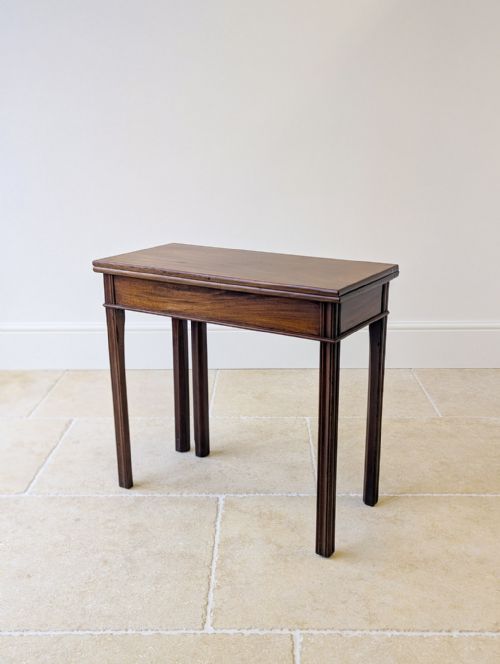
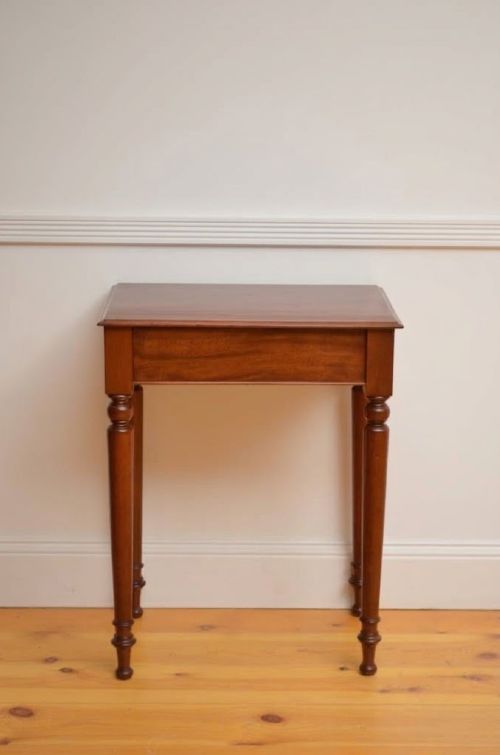
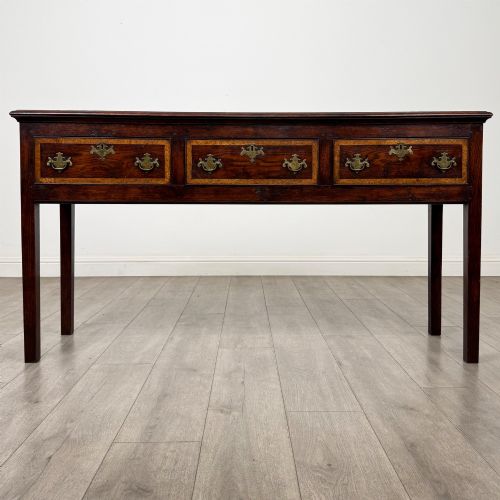
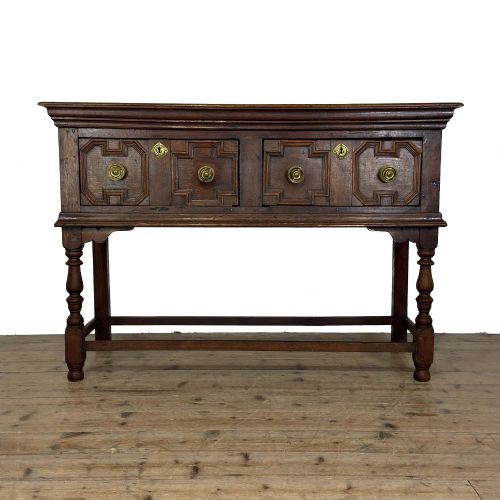
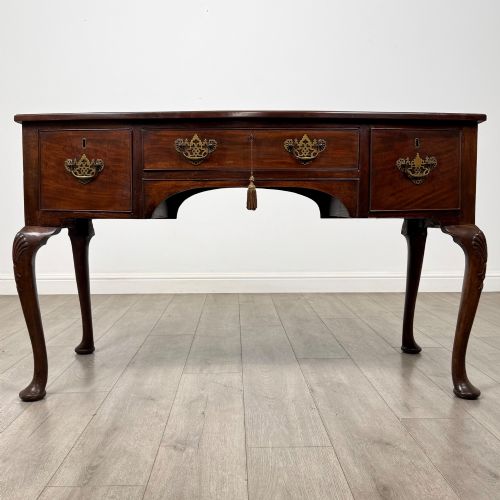
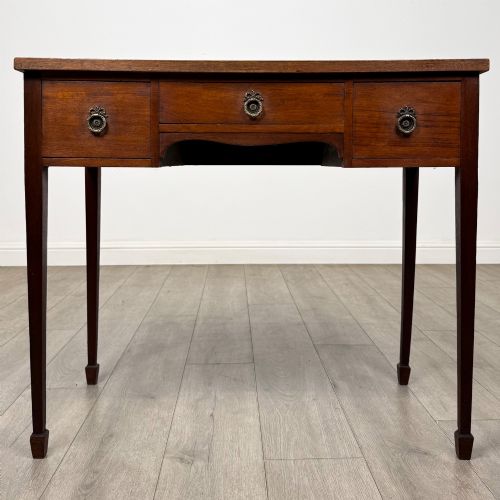
These edwardian style console tables combine slender proportions with classical revival details, offering a practical surface for hallways and reception rooms.
Edwardian Style Console
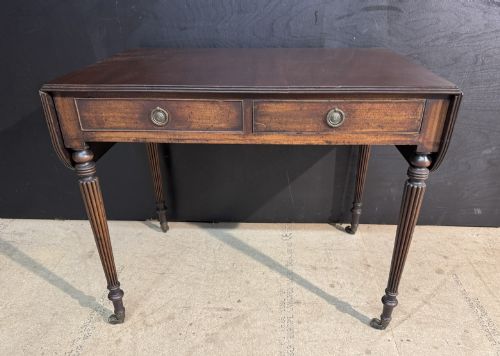
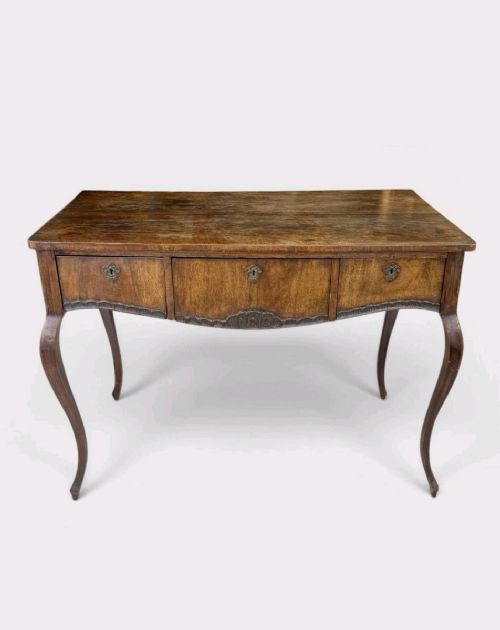
When searching for an edwardian style console, buyers encounter a variety of forms designed primarily for display and occasional writing. The listings show console tables, side tables, card tables, and writing desks produced during the Edwardian period, alongside related examples from the nineteenth and early twentieth centuries.
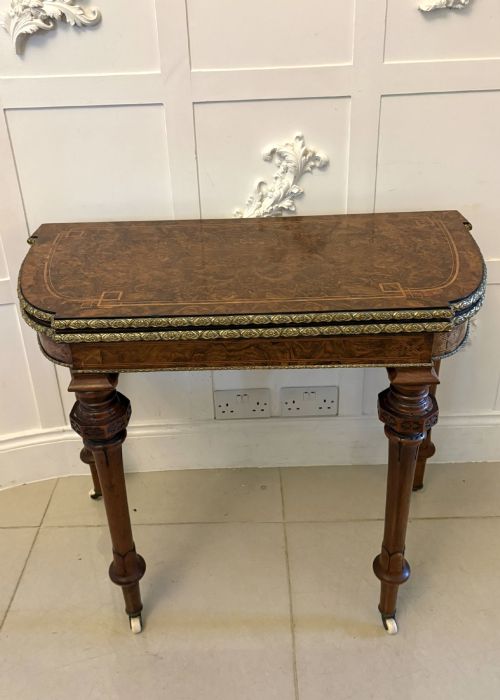
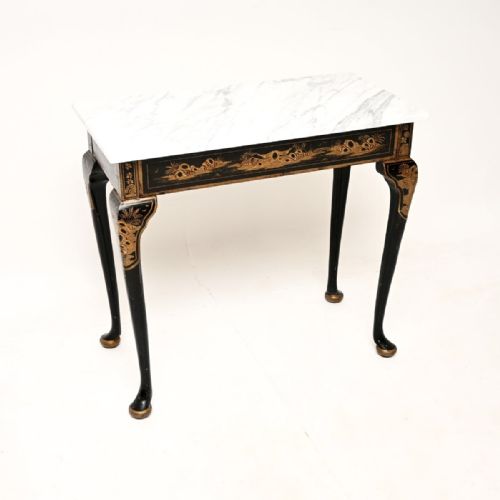
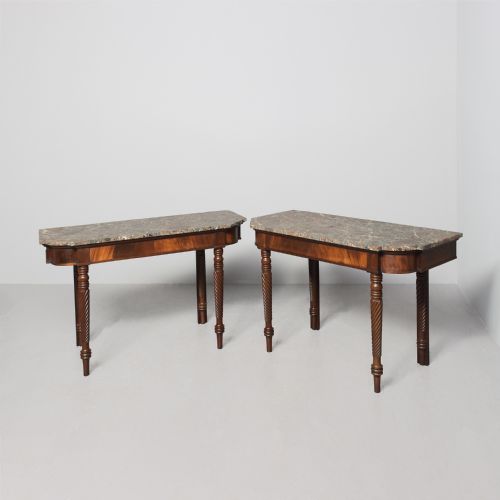
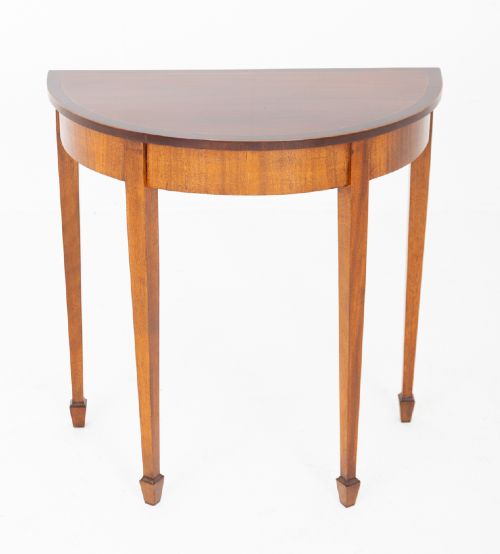
The selection ranges from demilune folding card tables to freestanding sofa tables and marble-topped pier tables. These pieces draw heavily on earlier design vocabularies, incorporating revival styles such as Sheraton, Chippendale, and Queen Anne into lighter, turn-of-the-century frames.
Materials and construction
Makers relied on mahogany as the principal timber, frequently enhancing surfaces with figured veneers like burr walnut, satinwood, and boxwood inlay. Brass handles, ormolu mounts, and leather writing inserts appear regularly across the record to accent the primary woods.
Construction techniques balanced structural support with decorative elegance. Marble tops provide durable surfaces on side and pier tables, while painted and gilded finishes achieve neoclassical and Chinoiserie effects on satinwood and softwood frames.
The site listings combine Edwardian originals with Victorian, nineteenth-century, and nineteen-twenties pieces sharing classical revival forms.
Distinctions in quality
The standard of timber selection and veneer matching defines the upper tier of these pieces. Figured mahogany and carefully laid satinwood banding indicate workshops that invested greater time in material preparation.
Execution of decorative details separates standard production from finer examples. Hand-carved mouldings, precise marquetry inlay, and cast brass hardware demonstrate superior craftsmanship compared to plain timber framing.
Beresford and Hicks London
The Edwardian Style Console Glossary
- Demi-lune
- Having a half-moon shape with a flat back edge designed to sit flush against a wall. This profile is common among card tables and smaller side tables.
- Satinwood
- A durable hardwood with a natural golden sheen, often used for veneering and decorative banding in revival furniture. It accepts painted decoration particularly well.
- Ormolu
- Gilded bronze mounts applied to furniture for decorative effect. They are typically found on the corners and aprons of fine tables.
- Pier table
- A table designed to stand against the wall between two windows, frequently paired with a matching hanging mirror above it.
- Marquetry
- The art of applying pieces of veneer to a structure to form decorative patterns and pictures. It requires high precision in cutting and fitting different wood types.
Edwardian Style Console: Frequently Asked Questions
What is an edwardian style console used for?
These tables function as surface furniture in hallways, living rooms, and dining spaces. They hold decorative items, lamps, and correspondence.
Fold-over variants double as card tables when opened, providing versatility in entertaining areas.
How do I identify an edwardian style console?
Look for slender tapered legs, light mahogany or satinwood timbers, and neoclassical revival motifs. Makers often drew inspiration from Sheraton and Hepplewhite designs.
Construction details and secondary woods help distinguish pieces made around nineteen hundred from later reproductions.
Can I use a console table for writing?
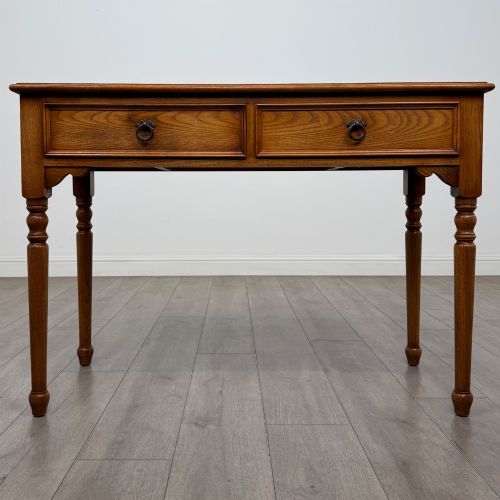
Certain forms incorporate drawers and flat wooden or leather-lined surfaces suitable for correspondence. Writing tables and desks appear frequently alongside standard console tables.
Check the kneehole clearance and drawer depth to ensure comfortable daily use.
Where should I place a marble top table?
Marble-topped side and pier tables suit entrance halls and drawing rooms where stone surfaces resist moisture and wear. Their weight provides stability without requiring wall fastening.
Pairing them with a matching mirror creates a balanced focal point in a room.