

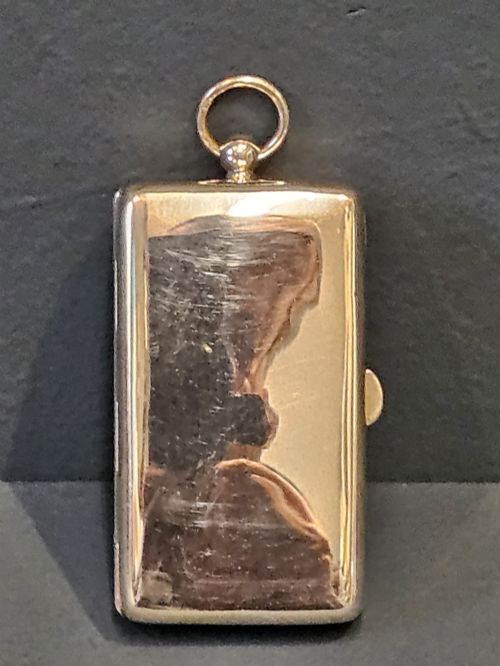
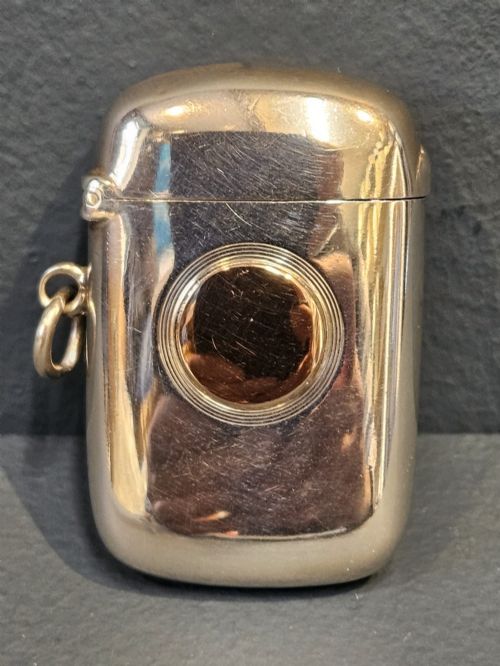
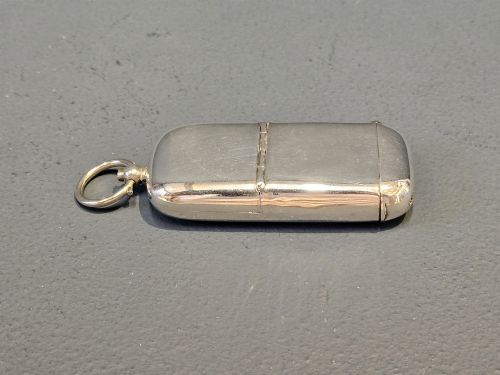
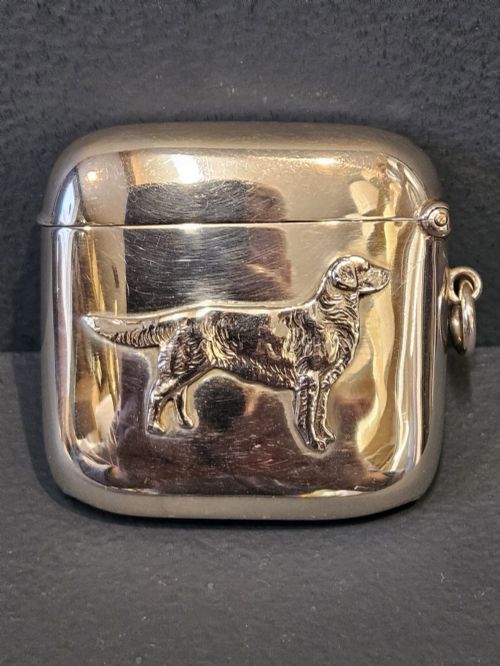
Edwardian Sterling Vesta
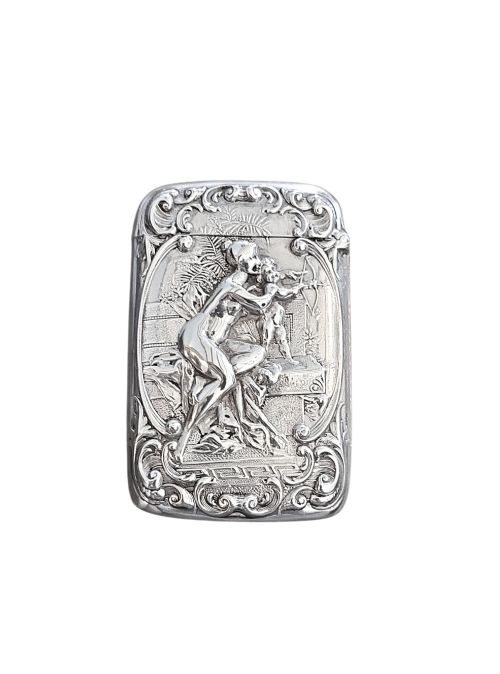
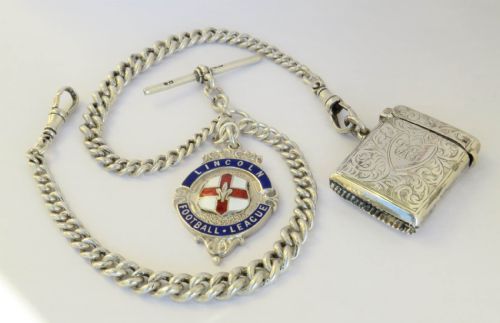
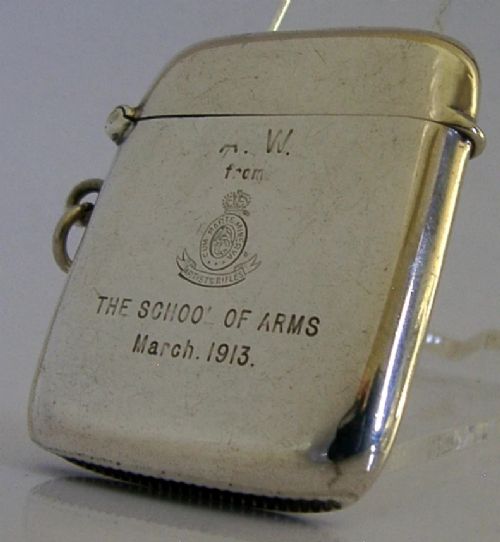
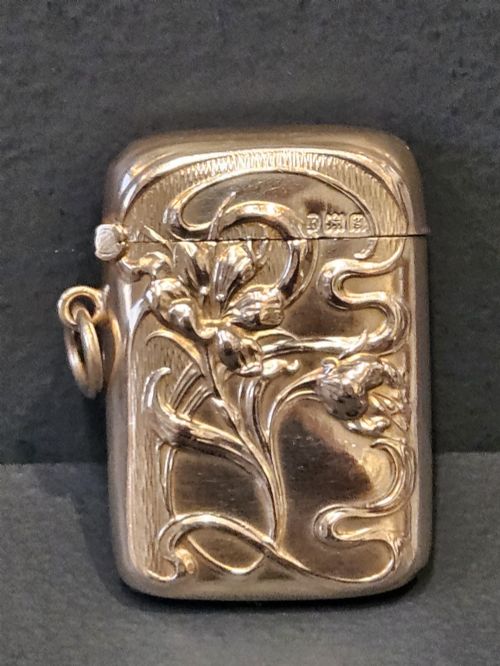
These small containers, known as an edwardian sterling vesta, kept matches dry and ready for the pocket.
Edwardian Sterling Vesta
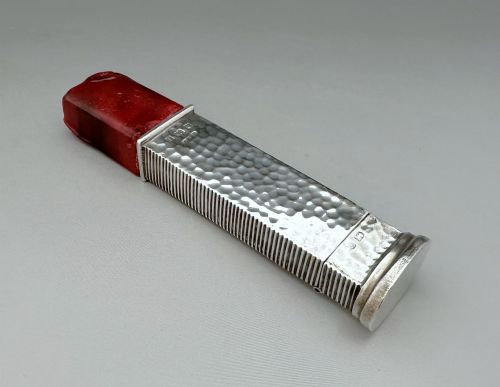
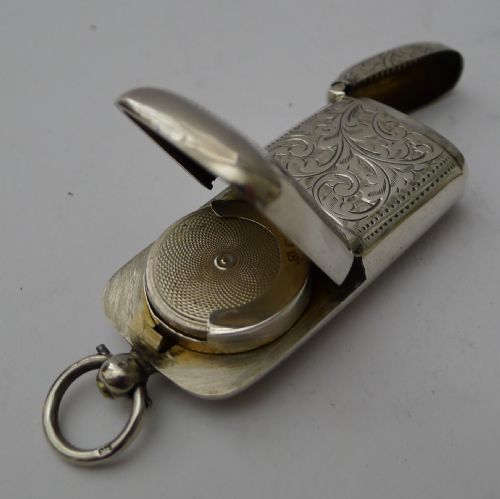
When searching for an edwardian sterling vesta, buyers encounter pocket match safes produced primarily during the early twentieth century alongside adjacent Victorian and George V examples. These pieces frequently double as sovereign cases, stamp holders, or match strikers incorporating glass and sealing wax.
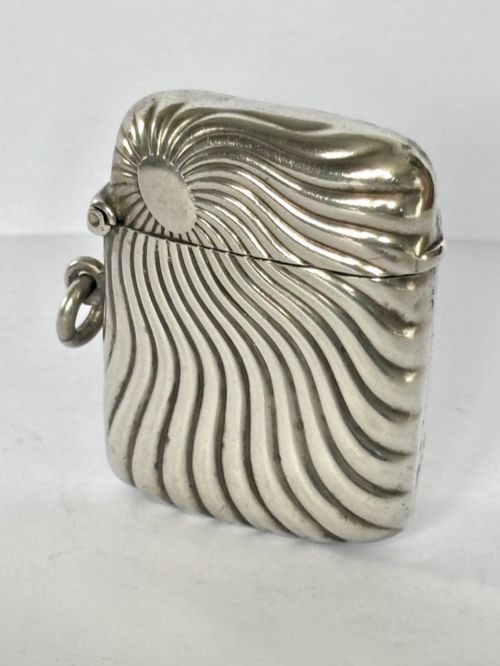
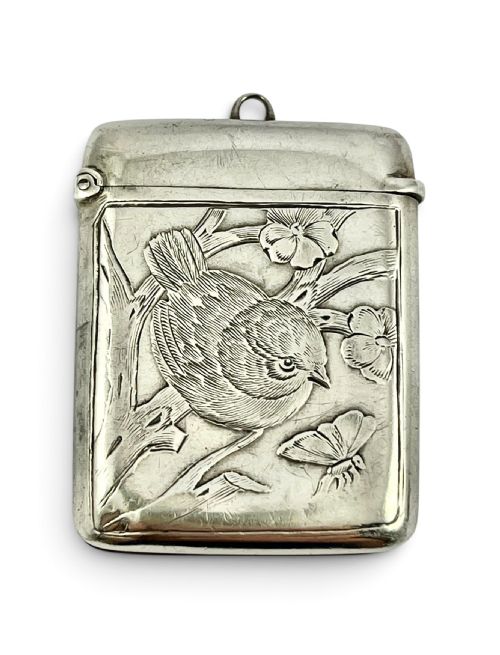
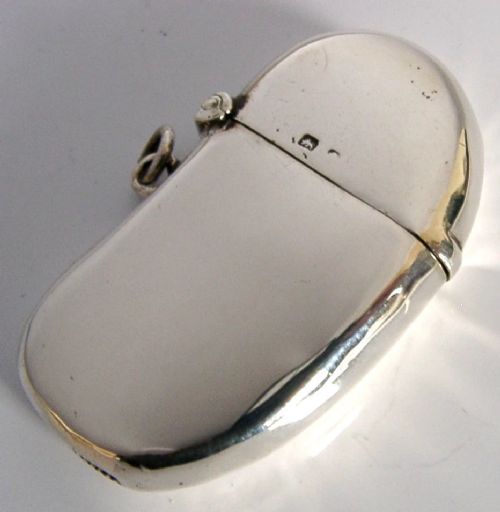
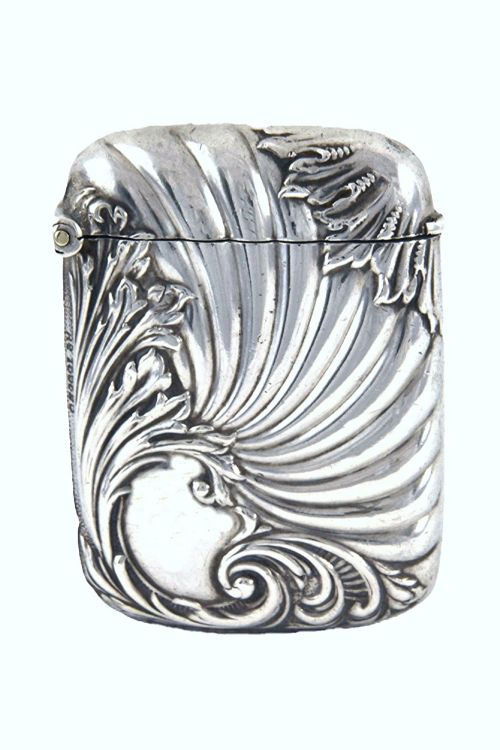
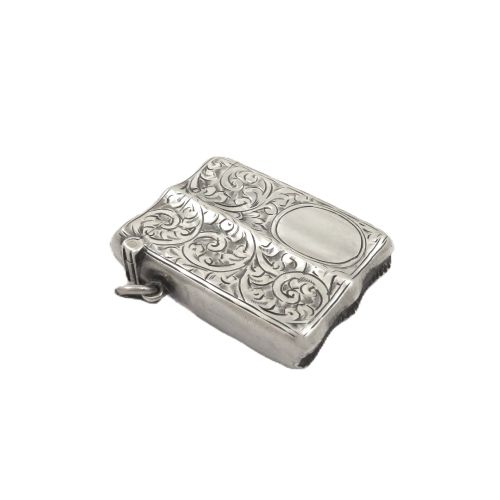
Makers shaped sterling silver into kidney bean profiles, novelty animal motifs such as cats and retrievers, and sunburst engravings. Standard rectangular and cushion shapes appear regularly alongside combinations housing banknotes or gold accents.
The selection ranges from simple pendant vestas to heavy combination pieces bearing hallmarks from regional assay offices such as Birmingham and Chester.
Materials and Construction
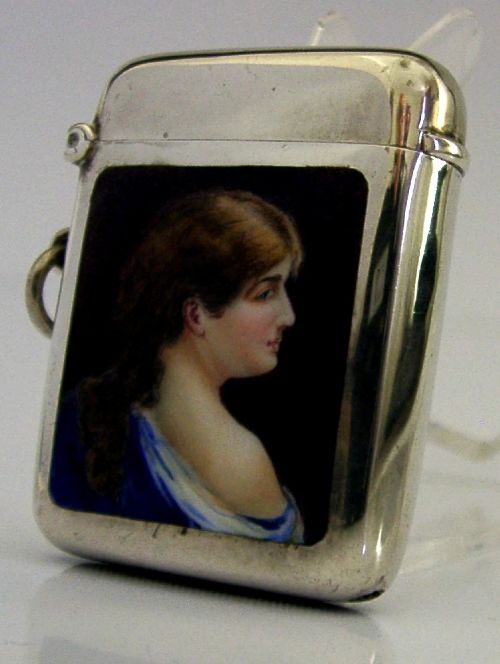
Silversmiths utilised sterling silver sheet, pressing and soldering the metal to form spring-loaded hinged lids designed to protect matches from moisture. Many items integrate vitreous enamel, hand-painted decorations, or applied 9ct gold highlights.
Edwardian Sterling Vesta Retail Price Guide 2026
Typical asking prices for edwardian sterling vesta among the pieces listed under this phrase on Sellingantiques today, from the lower quarter to the upper quarter. They describe what is for sale here now, not the wider market.
Distinctions in Quality
The division between standard items and superior examples lies in the crispness of the chasing and the complexity of the internal compartments. Combination cases featuring secure dual functions for sovereigns and matches demand greater technical skill from the silversmith.
Pieces incorporating hand-painted enamel, precious metal accents, or unusual silhouettes like the kidney bean demand closer attention to detail in their manufacture. The integrity of the spring hinge and the legibility of the assay office hallmarks further separate ordinary production from finer workshops.
Robert Chandler·Alfred Clark·J.B. Bennet·Sampson Mordan·William Hair Haseler
The Edwardian Sterling Vesta Glossary
- Vesta Case
- A small pocket container designed to hold wax matches and keep them dry. These accessories became essential items for gentlemen and ladies following the invention of safety matches.
- Sovereign Case
- A circular or double pocket holder engineered to store gold coin currency safely. Combinations merge this storage with a standard vesta compartment.
- Hallmark
- An official stamp applied by an assay office indicating the purity of the metal, the place of testing, and the date of manufacture. British sterling silver typically bears the lion passant alongside city marks.
- Repousse
- A metalworking technique where the artisan hammers the design from the reverse side to form raised relief patterns on the front. This method creates tactile surface decoration on silver bodies.
- Vitreous Enamel
- Glass powder fused to a metal surface through high-temperature firing to produce colourful decorative panels. This finish appears on crests and pictorial motifs.
Edwardian Sterling Vesta: Frequently Asked Questions
What is an edwardian sterling vesta used for?
These pocket boxes held matches safely before the widespread availability of lighters. The rough base or side allowed the user to strike the match upon opening.
Many designs also incorporated spaces for sovereigns, stamps, or sealing wax to serve multiple everyday carry needs.
How do I read the hallmarks?
British silver hallmarks indicate the standard of silver, the town of assay, and a date letter corresponding to the year of manufacture. Stamping authorities included offices in Birmingham, Chester, and London.
Matching these letters against published assay tables reveals the exact year the item left the workshop.
Did they only hold matches?
While primarily built for matches, makers frequently combined functions into a single housing. Examples on this page store gold sovereigns, banknotes, stamps, or sealing wax alongside the match compartment.
Some larger desk accessories functioned as static match strikers rather than pocket pieces.
How should I clean silver vestas?
Gentle cleaning with a soft cloth preserves the original details of the engraved or repousse decoration. Avoid harsh dips that strip the aged character from recessed areas.
Enamelled or glass sections require careful wiping to protect fragile coloured surfaces and applied mounts.