



Edwardian Sterling Vanity Mirror
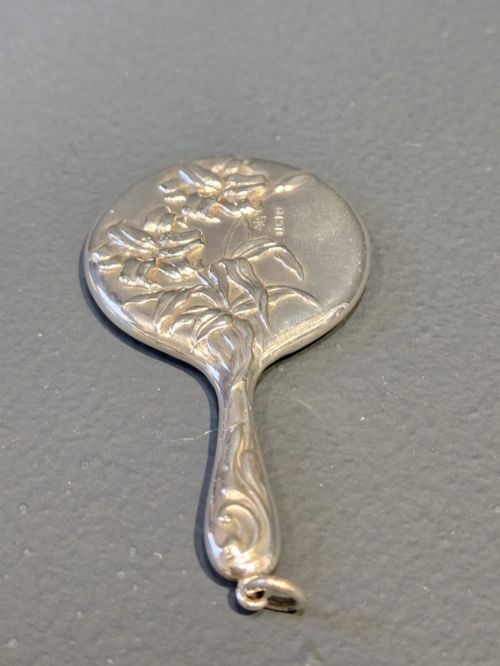
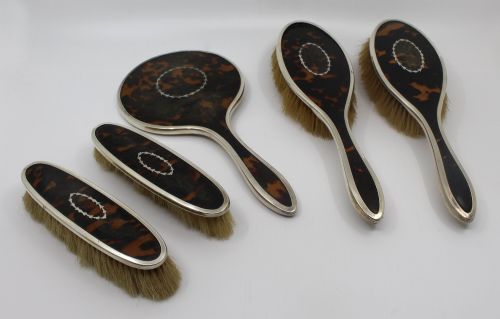
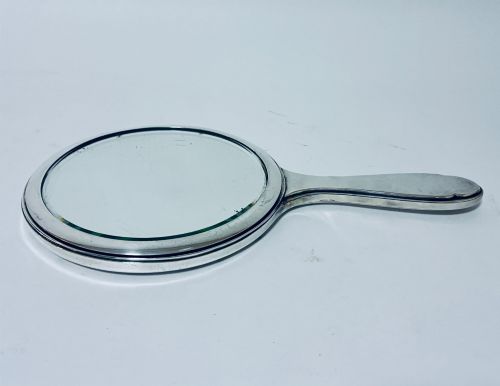
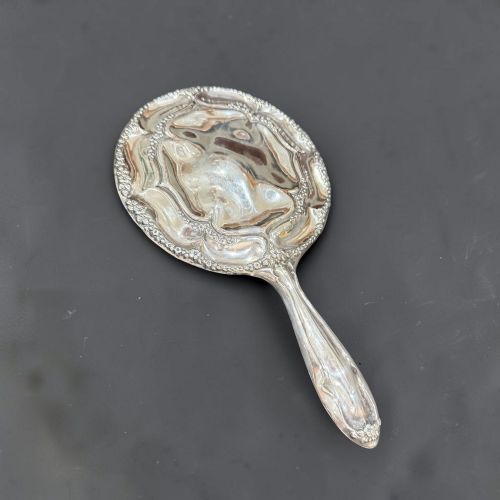
These edwardian sterling vanity mirror pieces are portable dressing table accessories designed for personal grooming, offering tactile silver mounts and bevelled glass.
Edwardian Sterling Vanity Mirror
An edwardian sterling vanity mirror brings functional elegance to dressing tables, appearing as hand-held items, easel-backed strut mirrors, or substantial tabletop pieces. These accessories reflect the domestic habits of the early twentieth century, combining utility with decorative metalwork.
Most examples encountered here date from the opening decades of the 1900s, aligning with the Edwardian period and adjacent years. The selection spans compacts, hand mirrors, and dressing table mirrors fashioned for daily use in affluent households.
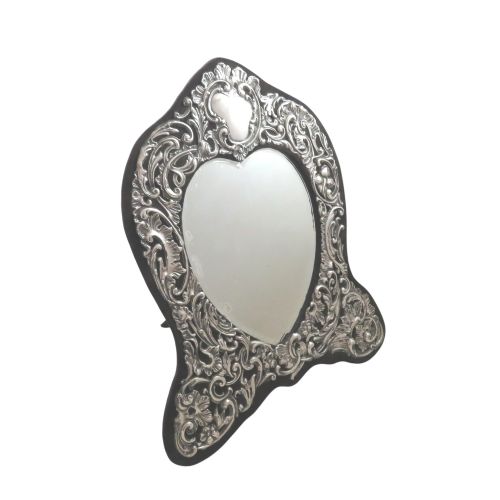
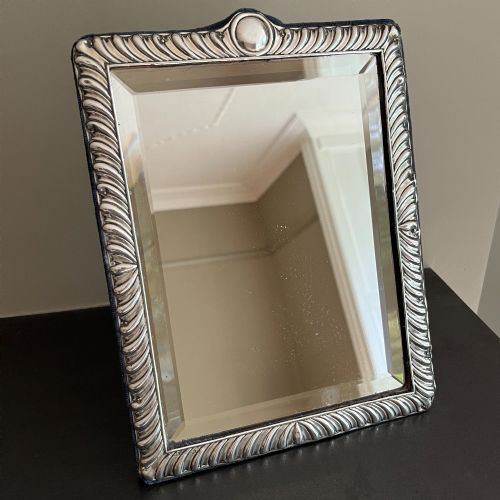
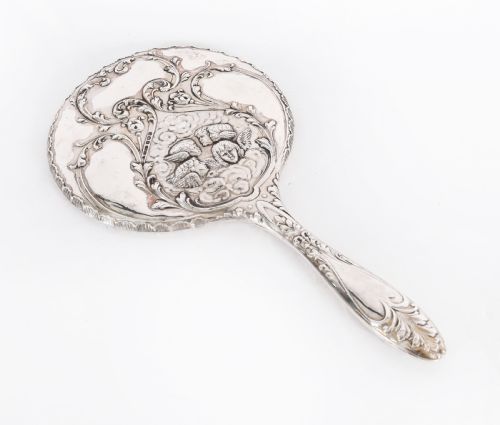
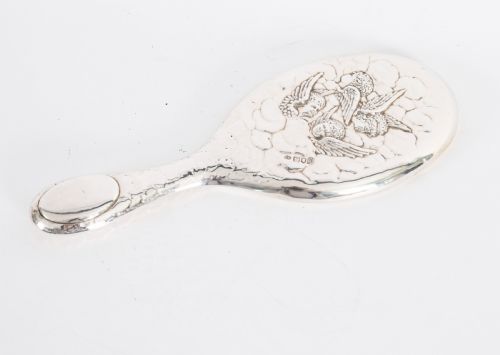
Forms vary from heart-shaped designs and embossed handheld surfaces to large rectangular dressing table frames supported by wooden struts. Each piece demonstrates how personal vanity was accommodated through portable silver objects.
Materials and construction
Silversmiths constructed these objects using sterling silver sheets shaped by hand-hammering, embossing, and stamping. The metal surrounds mirror glass, enamel panels, or velvet and leather backing materials.
Makers integrated structural elements such as wooden inner frames and hinged metal struts to support the weight of the glass. Decorative details like cherubs and floral motifs were often worked directly into the silver mounts.
Edwardian Sterling Vanity Mirror Retail Price Guide 2026
Typical asking prices for edwardian sterling vanity mirror among the pieces listed under this phrase on Sellingantiques today, from the lower quarter to the upper quarter. They describe what is for sale here now, not the wider market.
Listings incorporate sterling silver, glass, velvet, enamel, leather, and wood across multiple object types.
Judging quality in silver mirrors
The distinction between ordinary and superior pieces rests on the crispness of the silversmith's chasing and the weight of the metal used in the frame. Heavier gauge silver resists denting and maintains structural integrity over time.
The complexity of the decorative scheme, whether hand-embossed figural scenes or applied guilloche enamel, indicates the level of craftsmanship invested by the maker. Clear hallmarks provide a secure record of origin and silver standard.
Charles Boyton·S Blanckensee and Son·Henry Matthews·William Comyns
The Edwardian Sterling Vanity Mirror Glossary
- Sterling silver
- A silver alloy containing 92.5 percent pure silver and 7.5 percent other metals, usually copper, chosen for durability.
- Strut mirror
- A dressing table mirror supported by a hinged prop or leg attached to the reverse side.
- Guilloche enamel
- Decorative metalwork covered with translucent enamel over an engine-turned geometric pattern.
- Hallmark
- An official stamp applied to precious metals indicating the standard of purity, maker, and year of assay.
Edwardian Sterling Vanity Mirror: Frequently Asked Questions
How were vanity mirrors used?
Owners used them on dressing tables for daily hair styling, cosmetics application, and personal inspection in bedrooms and boudoirs.
Handheld versions allowed close-up viewing, while strut mirrors remained fixed on furniture surfaces.
How do I identify an Edwardian mirror?
Examination of official hallmarks reveals the assay office and date letter corresponding to the early 1900s.
Stylistic cues include embossed floral motifs, figural work, and distinct period shapes.
Are these mirrors made of solid silver?
The exterior mounts and frames consist of sterling silver, while internal structures frequently incorporate wood for rigidity.
Backing materials often comprise velvet, leather, or fabric to protect the inner construction.