
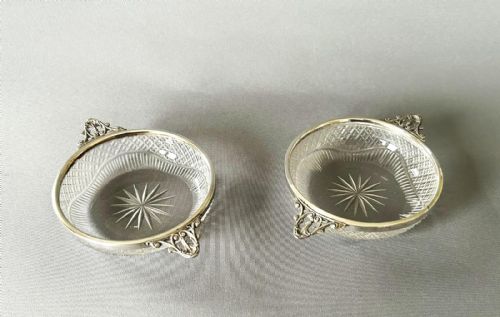


Edwardian Silver Dressing Glass
When you handle an edwardian silver dressing glass, you touch a tangible piece of early twentieth-century dressing table elegance.
Edwardian Silver Dressing Glass
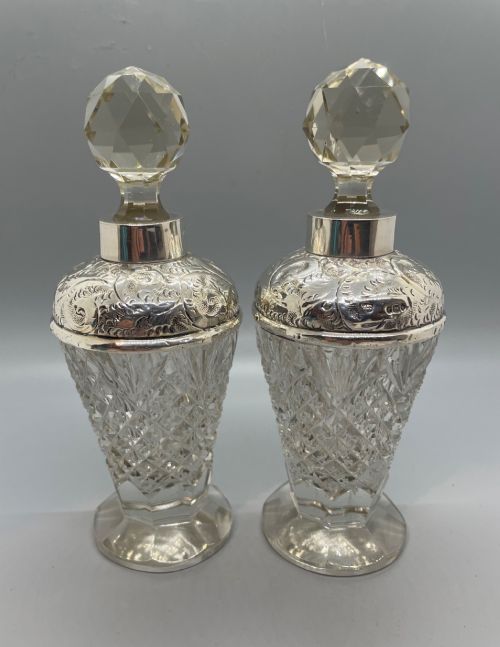
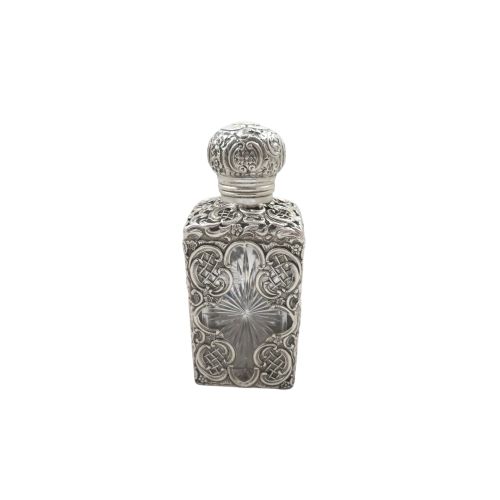
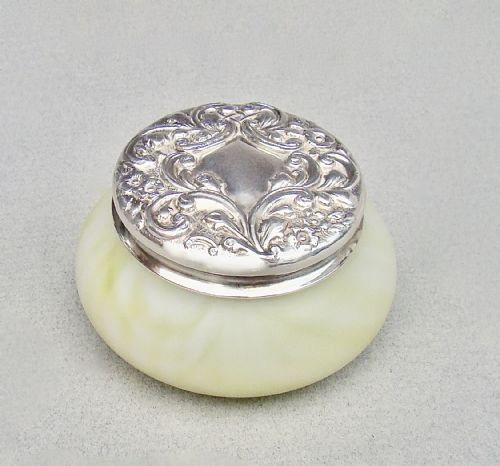
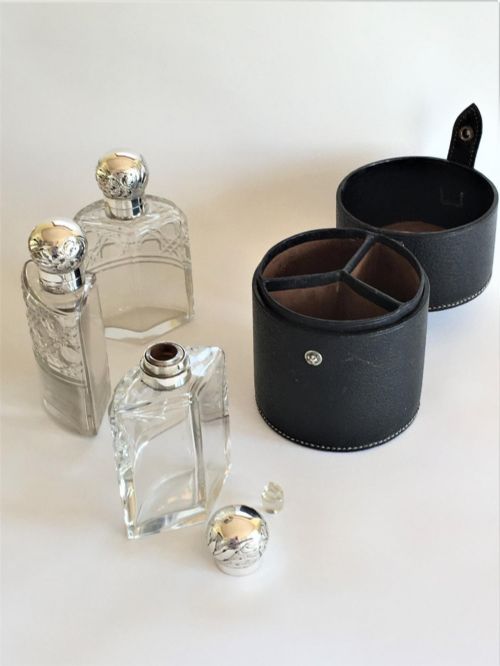
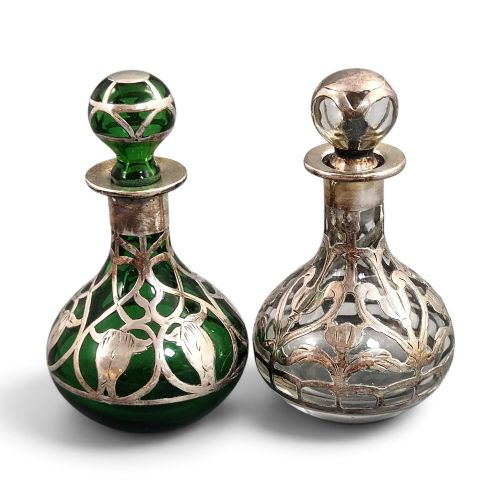
The selection extends from compact travelling scent bottle trios to larger dressing table mirrors and lidded pots. These objects served daily grooming routines, holding perfumes, powders, and pins.
Pieces frequently date from the Edwardian period and the broader early twentieth-century era, alongside Victorian antecedents. They reflect a time when dressing tables were furnished with matching accessories.
How they were made
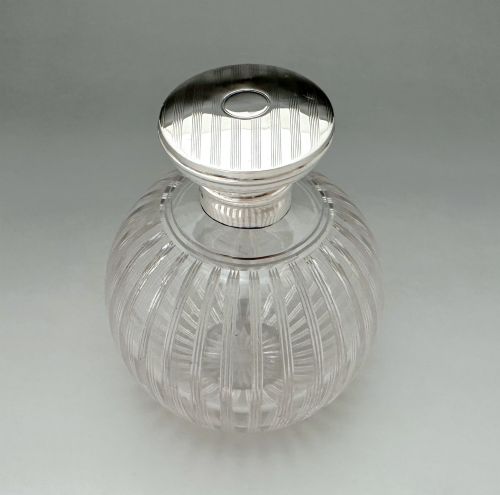
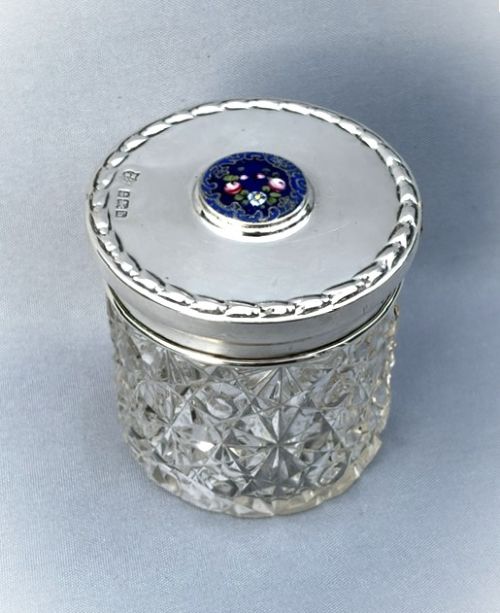
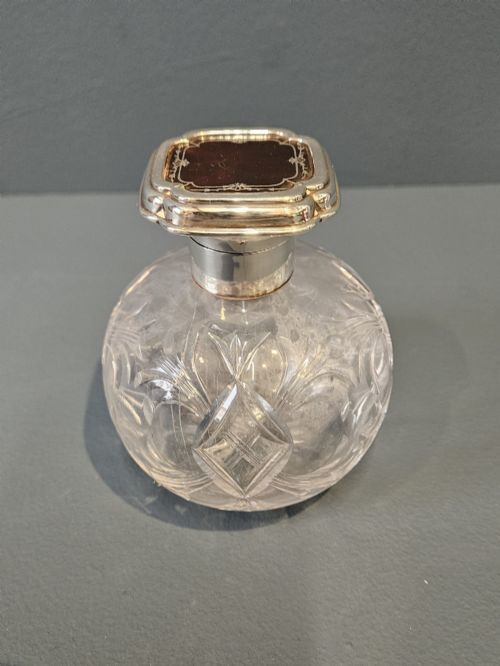
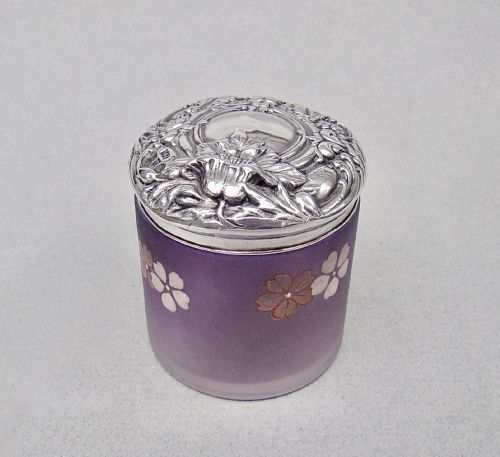
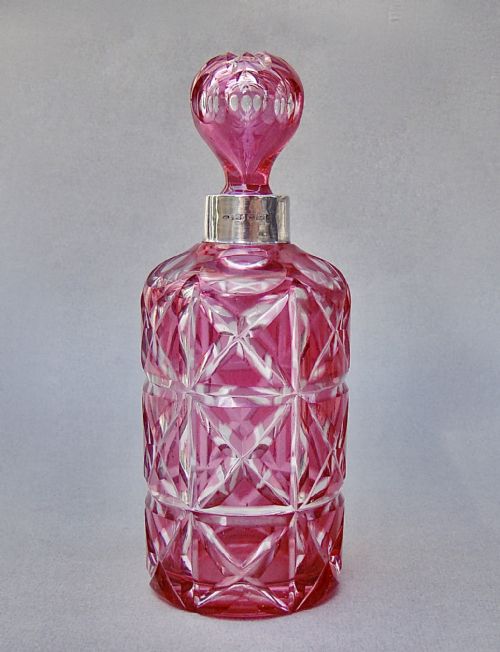
Makers combined sterling silver with cut glass, crystal, and satin glass, often enhancing pieces with enamel, tortoiseshell, or leather. Glass bodies were hand-cut or moulded to catch the light on the dressing table.
Silver components received hallmarking in assay offices such as Birmingham, Chester, and London, indicating the year of manufacture and the silversmith. Lids and collars were securely fitted to glass bases using specialised adhesives and precise metalwork.
What varies in quality
Quality rests in the crispness of the cut glass facets and the weight of the sterling silver mount. Thicker silver resists denting better, while deeper glass cutting creates sharper reflections.
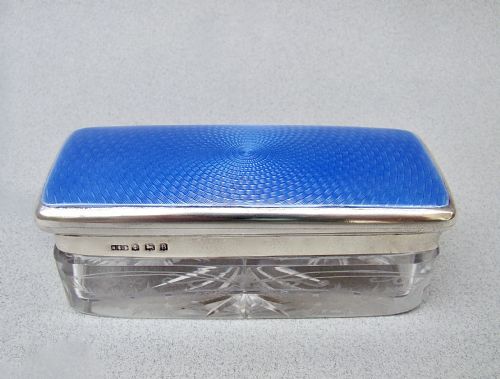
The integration of secondary materials like enamel or tortoiseshell dictates distinction. Intricate guilloche enamel patterns and undamaged tortoiseshell panels elevate a piece above standard utilitarian examples.
Henry Clifford Davis·A. Bromet & Co·Gorham·Harold Bushell & Co·Hasset & Harper·Barnsley & Co·William Comyns·Robert Pringle & Sons·Synyer & Beddoes
The Edwardian Silver Dressing Glass Glossary
- Sterling silver
- A silver alloy containing 92.5 percent pure silver and 7.5 percent other metals, usually copper, ensuring durability for dressing table mounts.
- Guilloche enamel
- Decorative enamel work featuring precise, intricate mechanical patterns engraved beneath a translucent coloured layer.
- Hallmark
- A series of official marks stamped on items made of precious metals, showing the assay office, maker, and date standard.
- Repousse
- Metalworking technique where a silversmith shapes the metal by hammering from the reverse side to form raised floral or figural designs.
Edwardian Silver Dressing Glass: Frequently Asked Questions
What is an edwardian silver dressing glass?
These items are decorative and functional accessories designed for the Edwardian dressing table, combining sterling silver with glass or crystal.
They include lidded jars, perfume bottles, and trinket boxes used to store cosmetics and personal items.
How do I identify the date?
You look for the hallmarks stamped on the silver mounts, which indicate the assay office and the specific year of creation.
Additional dating clues come from the prevailing styles of the period, such as Art Nouveau motifs or Edwardian neoclassical designs.
Were these sold as sets?
Many dressing table accessories were produced as matching sets or matched over time by their owners for display on mirrored trays.
Individual pieces also survived independently, having been acquired separately for daily use.
How should I clean the silver?
You use a soft cloth and a gentle silver polish, taking care to avoid abrasive substances that might scratch the surrounding glass or enamel.
Applying cleaner directly to the metal prevents any moisture from seeping beneath fitted collars or hinges.