


Edwardian Sterling Silver Bird
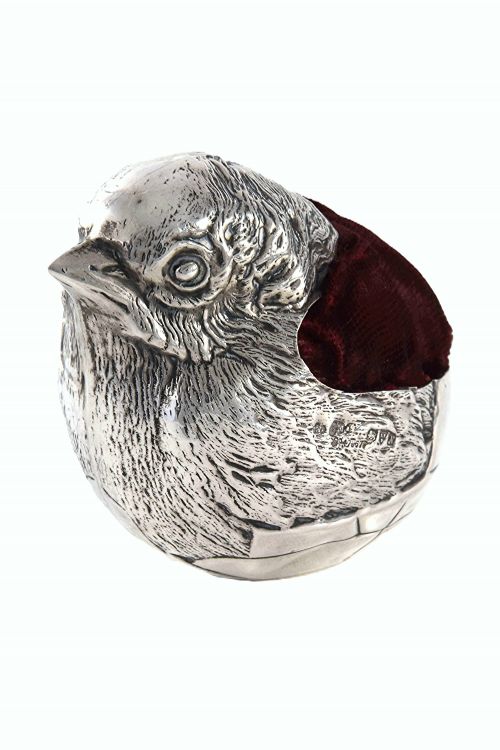
Edwardian sterling silver bird pieces are novelty items and table accessories shaped as swans, chicks, grouse and owls, prized for miniature detail and silver craftsmanship.
Edwardian Sterling Silver Bird
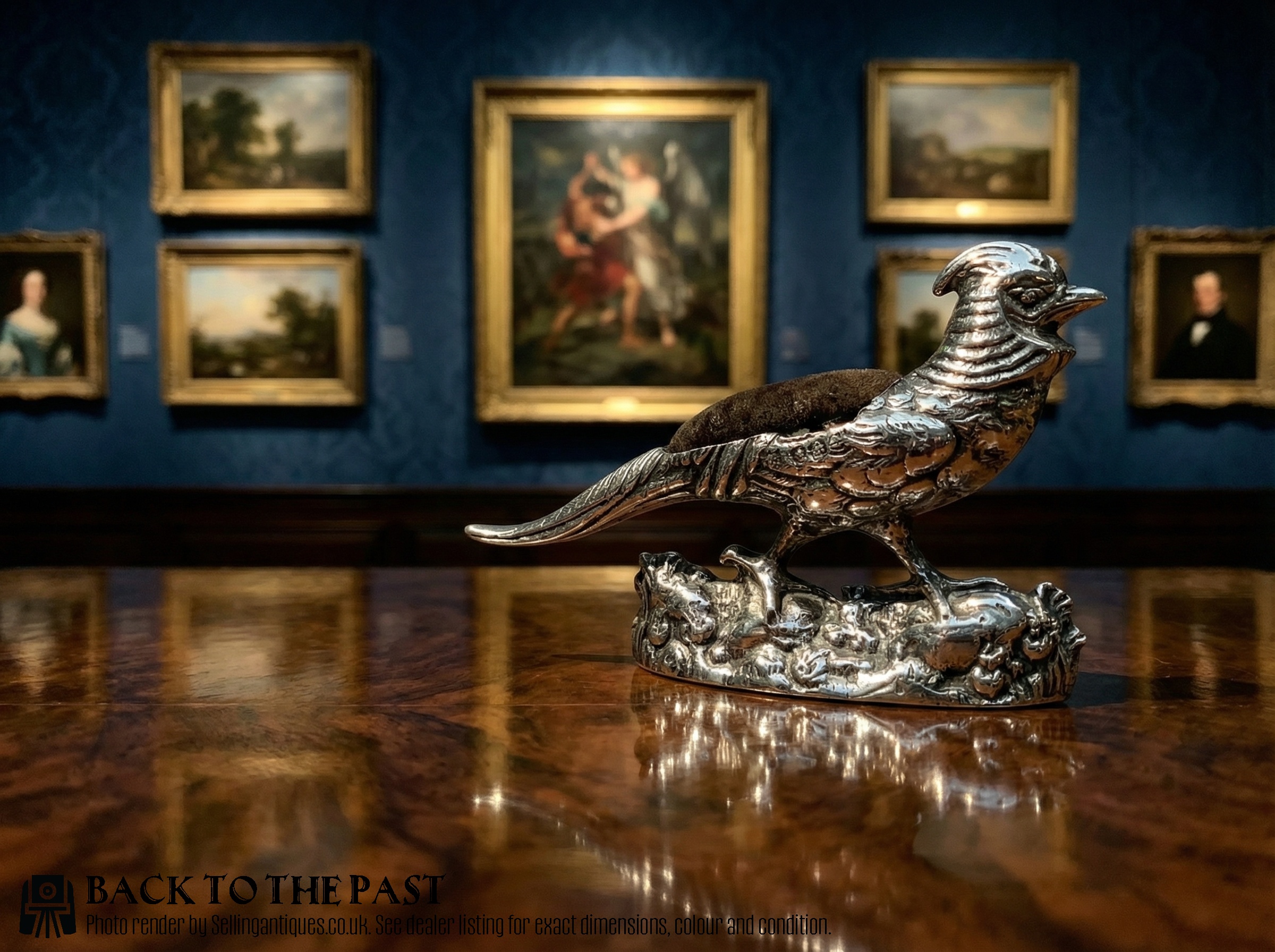
Edwardian sterling silver bird items comprise small novelty silver objects designed for desks, dressing tables and dining rooms. These pieces take the form of birds modelled in solid silver, including swans, chicks, grouse, ducks, owls and pheasants, created during the early twentieth century.
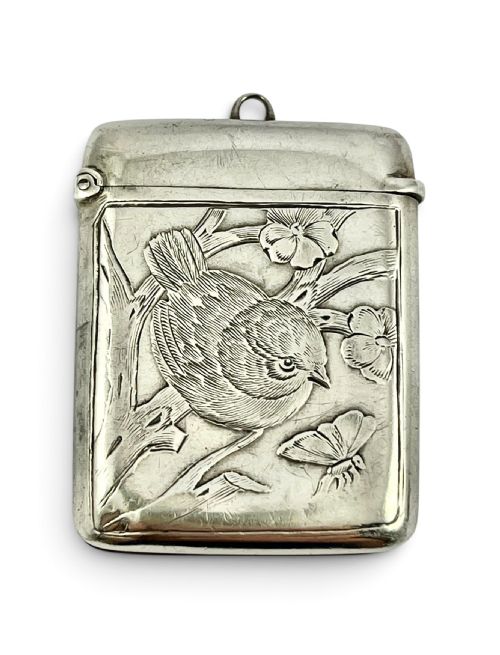
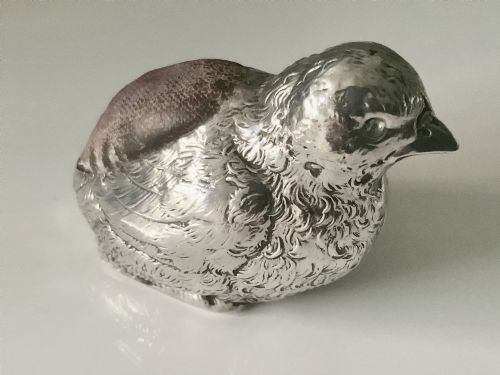
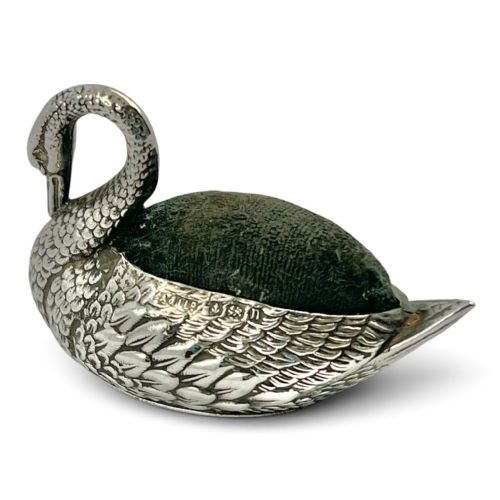
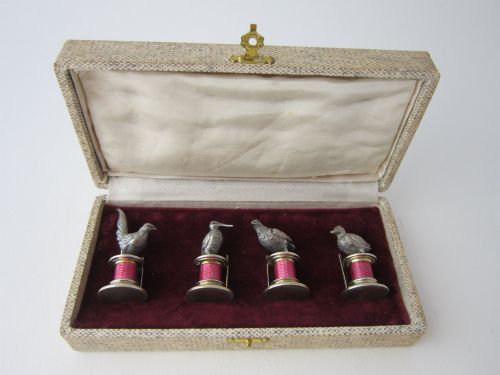
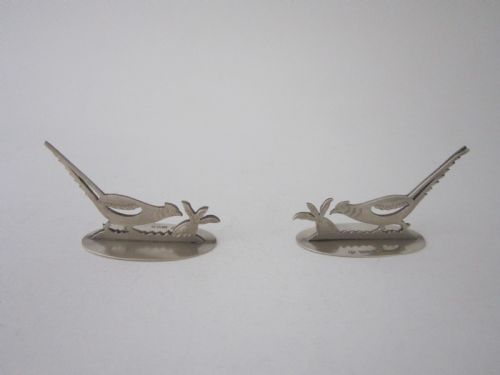
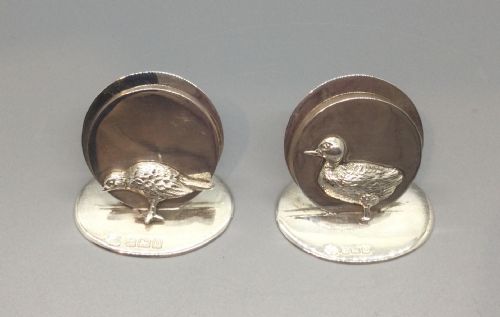
The most common examples met here are pin cushions modelled as hatching chicks or swimming swans, alongside menu and place card holders formed as game birds. Table boxes, vesta cases, wax seals and sugar boxes complete the range of domestic silver items decorated or shaped as birds.
While the majority of pieces date from the Edwardian and George V periods, occasional items reach back to Victorian years or forward into the nineteen-twenties. Forms range from tiny miniature pin cushions to larger decorative boxes and articulated models.
How they were made
Makers shaped these silver bird items using traditional silversmithing techniques including casting, hammering and repoussé work. Solid sterling silver components were assembled by hand, often incorporating hinged lids, articulated parts or engraved feather details.
Pin cushions utilise textiles fitted tightly inside the silver body of the bird, commonly employing coloured velvet, silk or fabric. Enamel application appears on select pieces, adding guilloche enamel or painted colour to menu holders and singing bird boxes.
Listings for Edwardian sterling silver bird items frequently feature miniature pin cushions, menu holders, and decorative boxes created between 1900 and 1920.
What varies in quality
Quality in these silver bird pieces rests upon the crispness of the modelling and the depth of the chased feather work. Superior examples exhibit lifelike anatomical proportions and sharply defined details rather than generalised bird shapes.
Maker attribution elevates desirability, particularly pieces bearing marks from notable silversmiths specialising in novelty silver. The original condition of interior velvet pads and intact enamel surfaces also separates standard production items from finer specimens.
Sampson Mordan Co·Boaz Moses·Henry Stuart Brown
The Edwardian Sterling Silver Bird Glossary
- Sterling silver
- An alloy of silver containing ninety-two point five percent pure silver and seven point five percent other metals, typically copper. This standard composition is stamped with hallmarks indicating purity and origin.
- Vesta case
- A small pocket box designed to hold matches and keep them dry. Edwardian examples often feature engraved bird motifs or figural shapes.
- Guilloche enamel
- A decorative technique where geometric patterns are engraved beneath translucent enamel. This finish appears on select menu holders and novelty boxes.
- Repoussé
- A metalworking method where the silver is hammered from the reverse side to form a raised design in relief. Silversmiths used this technique to create feather textures on boxes and trays.
- Novelty silver
- Silver objects shaped as animals, figures or everyday items rather than traditional tableware. Birds, particularly chicks and swans, represent a popular theme in this category.
Edwardian Sterling Silver Bird: Frequently Asked Questions
What were silver bird pin cushions used for?
Edwardian households utilised these miniature silver bird figures on dressing tables and sewing desks to hold pins and needles ready for use. The fabric or velvet pad inserted into the silver body kept pins secure while adding decorative charm to the room.
Collectors today display these novelty pin cushions in cabinets or on desks, appreciating them as miniature sculptures that reflect early twentieth-century silver design.
How do I identify a Sampson Mordan bird piece?
Makers' marks stamped onto the silver body indicate the origin of the piece. Sampson Mordan items typically bear the maker mark initials SM or the full company name alongside assay office marks and date letters.
These marks appear on the base or interior rim of the silver bird. Checking the hallmarks against records confirms the exact year of manufacture and the silversmith responsible.
How should I clean silver bird items?
Cleaning silver requires a soft microfibre cloth and specialised silver polish applied gently to avoid damaging fine engraved details or enamel surfaces. Care must be taken around fabric or velvet pin cushion inserts to keep moisture away from the interior materials.
Regular dusting with a dry cloth maintains the shine without requiring harsh chemical cleaning. Proper storage away from damp conditions preserves the silver and any original textile components.
What is the difference between a menu holder and a place card holder?
Menu holders are larger stands designed to support dinner menus upright on a dining table, whereas place card holders are smaller clips intended to hold individual guest name cards. Both types often take the form of game birds such as grouse or pheasants in Edwardian silver.
Dining sets frequently included matching pairs or sets of four bird holders to coordinate table settings during formal meals. Today these pieces function as decorative table accessories.