


Edwardian Sterling Place Holders
Edwardian sterling place holders are silver table accessories designed to display names or menus, bringing functional elegance to formal dining.
Edwardian Sterling Place Holders
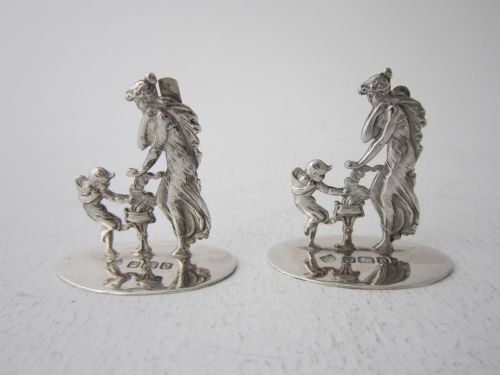
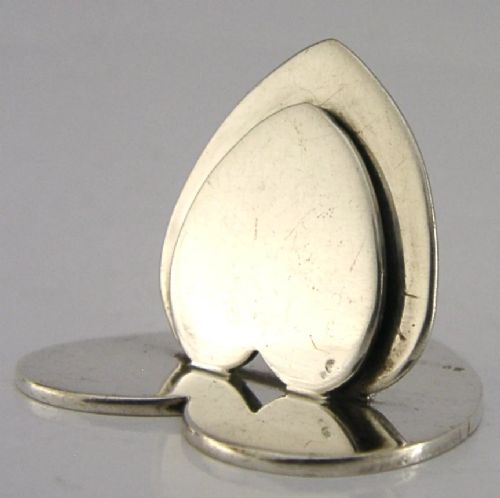
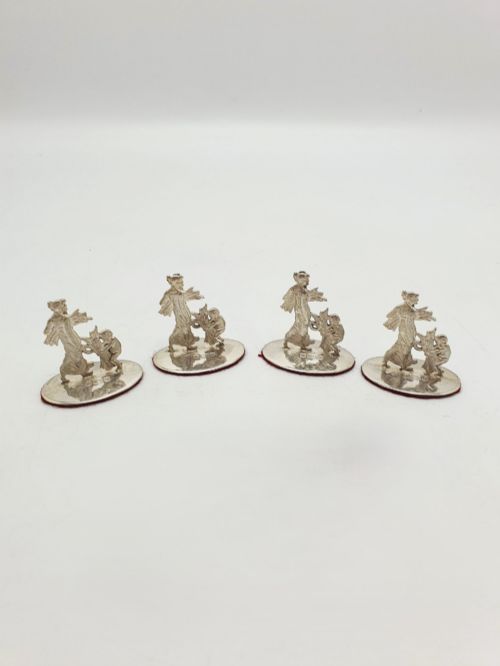
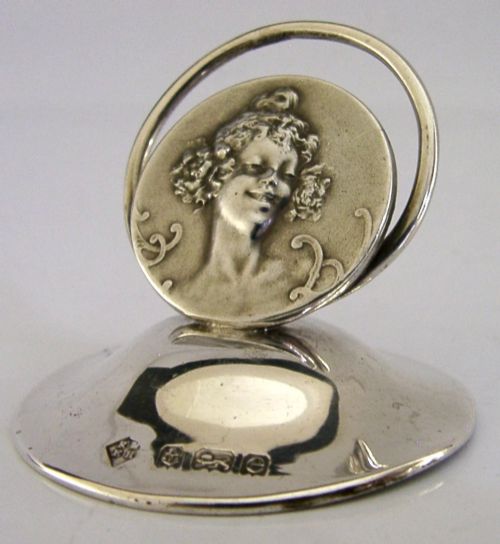
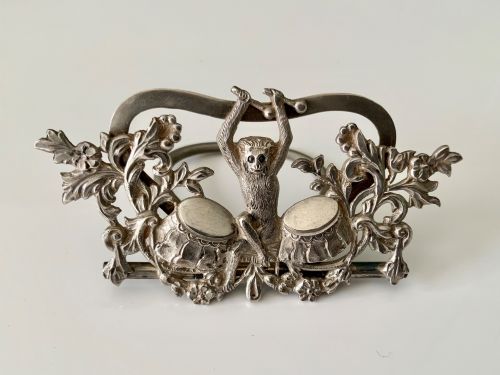
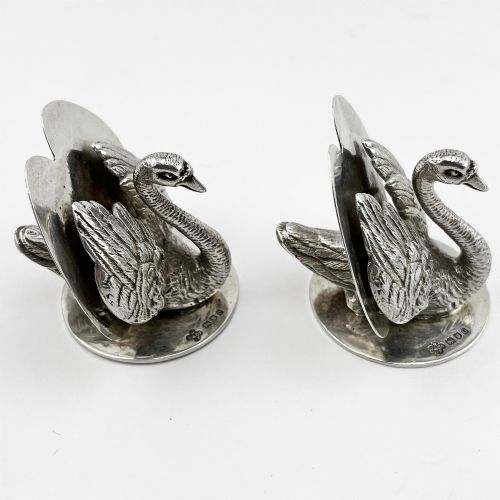
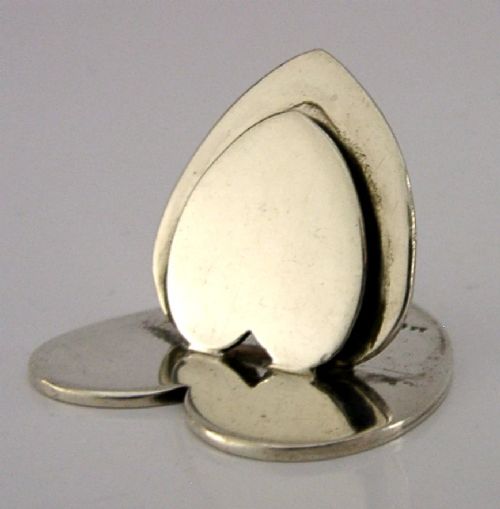
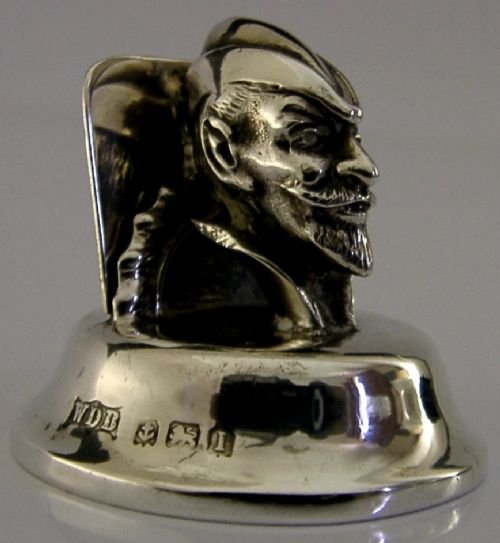
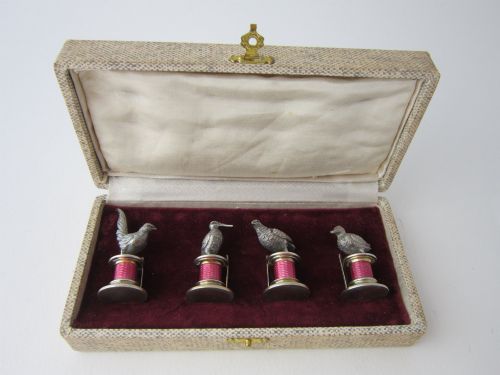
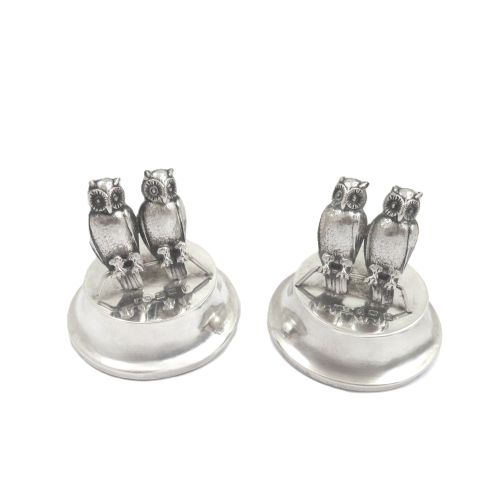
Edwardian sterling place holders comprise small silver items created to hold cards at dining tables, encompassing menu holders, place card holders, and menu card holders. These pieces frequently appear in figural and novelty designs shaped as animals, birds, hearts, and figures.
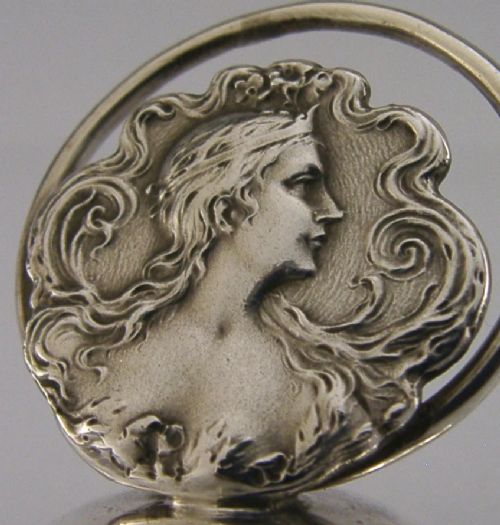
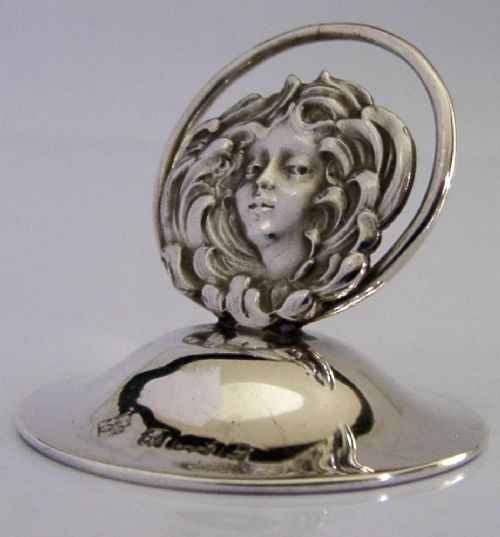
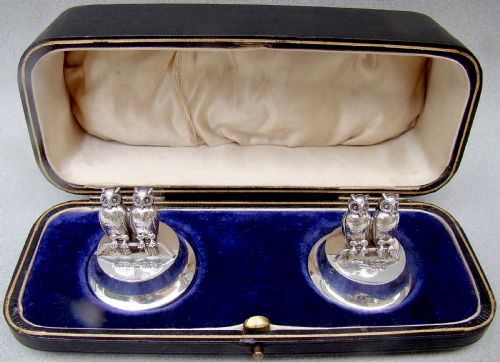
The objects span periods from the Edwardian era through George V, incorporating styles such as Art Nouveau, Arts and Crafts, and Celtic Revival alongside Victorian influences. Common forms include matched pairs and boxed sets designed for formal table settings.
How they were made
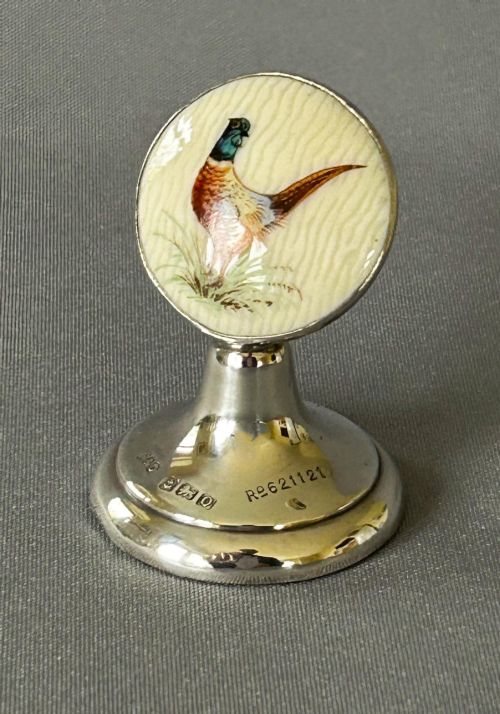
These items are constructed primarily from sterling silver and silver, often enhanced with enamel, guilloche enamel, velvet, silk, leather, and leatherette details. Metalsmiths shaped the silver through casting and stamping to achieve detailed figural forms like owls, swans, pheasants, and maidens.
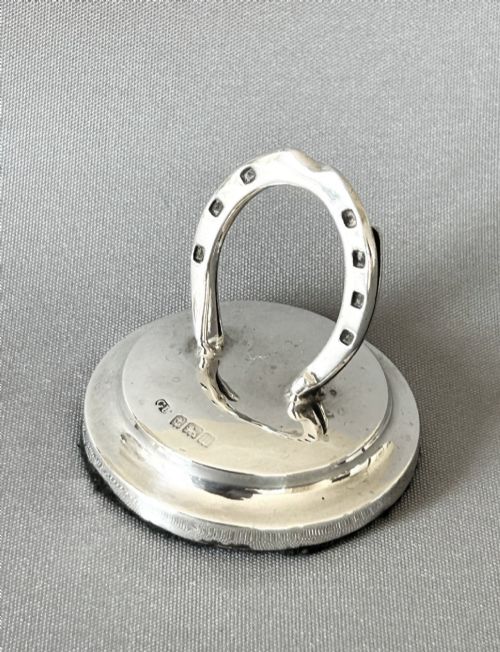
Makers integrated weighted bases or folding supports to ensure the small silver frames remained stable on dining tables while holding paper cards.
Edwardian Sterling Place Holders Retail Price Guide 2026
Typical asking prices for edwardian sterling place holders among the pieces listed under this phrase on Sellingantiques today, from the lower quarter to the upper quarter. They describe what is for sale here now, not the wider market.
Listings feature items incorporating enamel, guilloche enamel, silk, and leatherette alongside sterling silver.
What varies in quality
The presence of undamaged enamel work, original fitted presentation boxes, and clear hallmarks indicating specific makers and assay offices adds distinct refinement to individual sets and pairs.
Sampson Mordan·Levi and Salaman·Liberty
The Edwardian Sterling Place Holders Glossary
- Sterling silver
- A silver alloy containing 92.5 percent pure silver by mass and 7.5 percent other metals, usually copper. This standard metal composition is typical for durable tableware accessories.
- Guilloche enamel
- A decorative technique where intricate geometric patterns are mechanically engraved beneath a translucent enamel layer. This adds coloured visual depth to silver surfaces.
- Assay office
- A regulatory body that tests the purity of precious metals and stamps items with official hallmarks. Towns like Birmingham and Chester established official standards for silver items.
- Novelty silver
- Small functional silver objects shaped into whimsical, humorous, or theatrical subjects. These items served as conversation pieces at formal dinners.
Edwardian Sterling Place Holders: Frequently Asked Questions
What are edwardian sterling place holders used for?
These small silver items were placed on dining tables to hold printed menus or cards displaying guests' names. They helped organise seating arrangements during formal multi-course meals.
Today, collectors utilise them as decorative table ornaments or display pieces within cabinet collections.
How do you clean silver place holders?
Cleaning requires a soft cloth and mild silver polish to remove tarnish without damaging intricate surface details or applied enamel. Enamel sections require particular care to avoid harsh abrasives.
Proper storage in dry conditions prevents rapid re-tarnishing of the sterling silver surfaces.
Are these place holders found in sets?
Yes, many survive as matched pairs or larger sets intended for multiple guests across a dining table. Boxed sets often preserve the items together in original fitted containers.
Individual pieces also appear frequently on the market alongside matched pairs.
What styles appear in these pieces?
Designs reflect popular aesthetic movements of the early twentieth century, including flowing Art Nouveau lines and traditional Edwardian motifs. Novelty subjects drawn from nature and literature also feature prominently.
Pieces occasionally display Arts and Crafts or Celtic Revival stylistic influences.