



Edwardian Table Name Holders
Edwardian table name holders bring miniature silver sculpture to formal dining tables, offering a charming way to display guest names.
Edwardian Table Name Holders
Edwardian table name holders comprise small silver stands and clips designed to hold place cards or menu cards upright during formal dinners. When you search for edwardian table name holders, you encounter miniature figural subjects, geometric frames, and enamelled pieces produced during the early twentieth century.
The most common examples on this page date from the Edwardian period through to the 1930s, encompassing related forms such as menu holders and place card markers. Makers utilised sterling silver alongside velvet, silk, leather, and enamel to create functional ornaments for the dining room table.
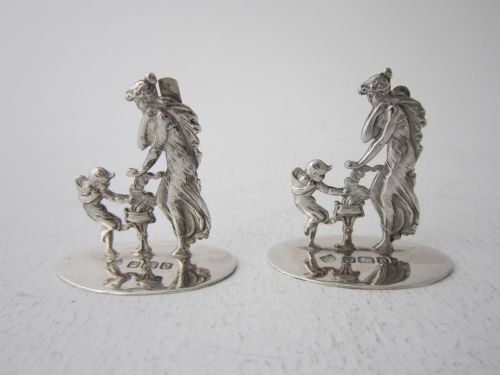
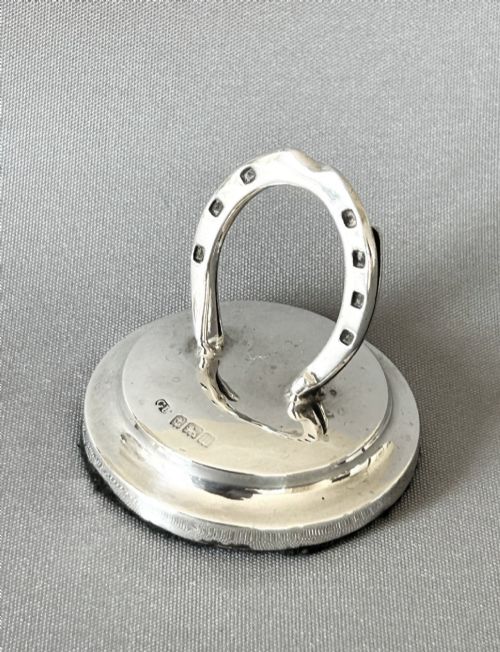
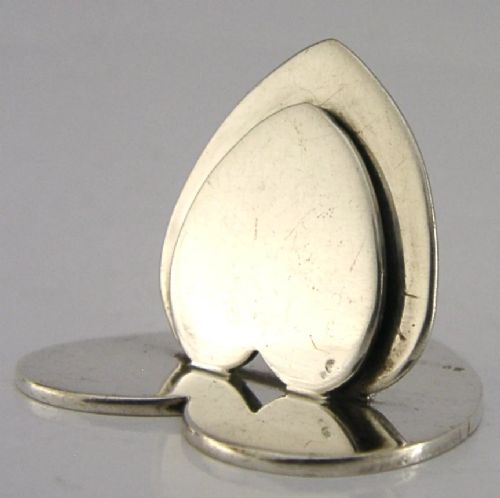
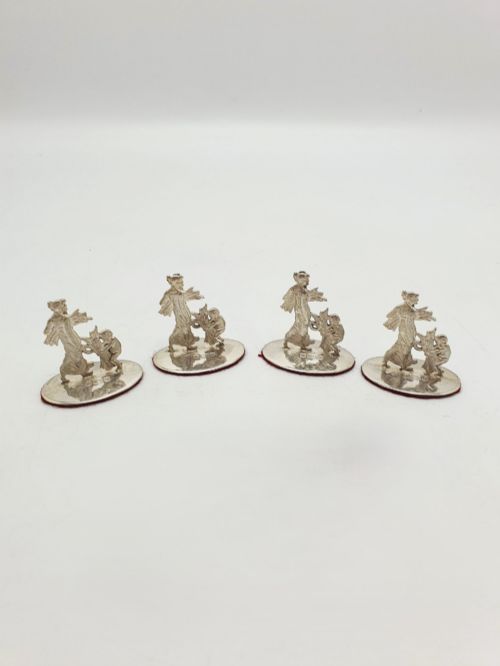
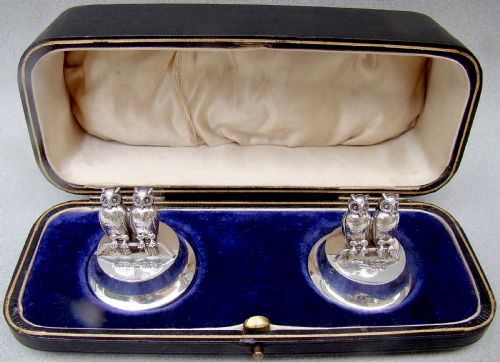
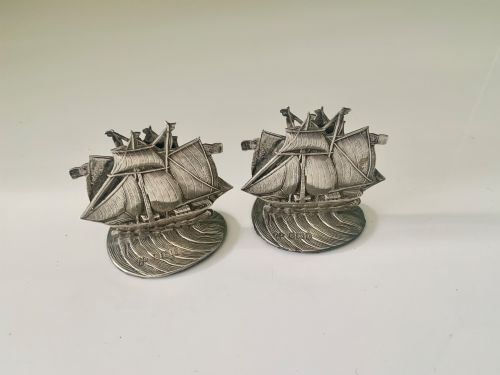
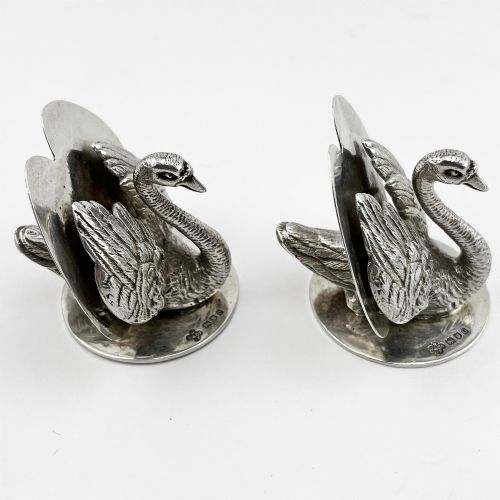
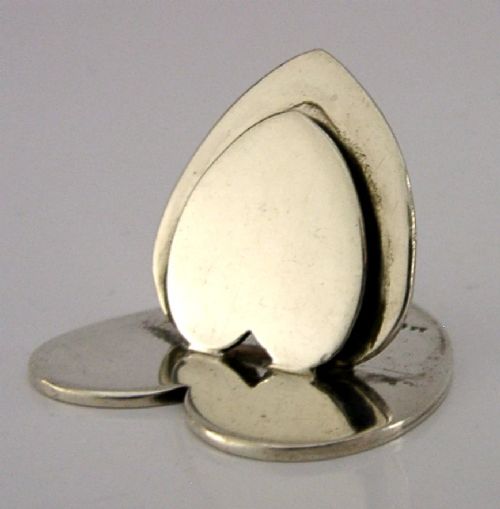
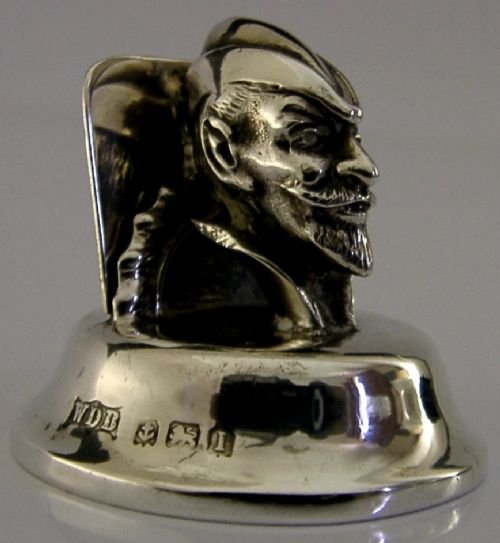
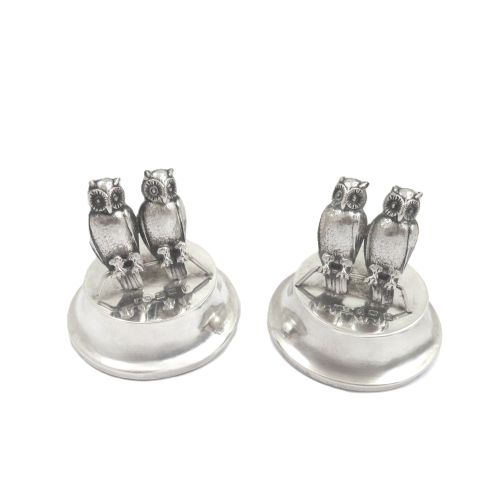
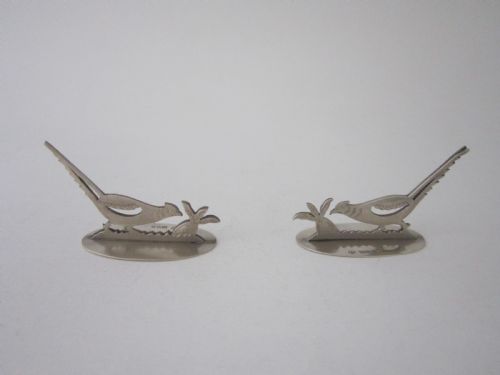
Designs range from simple horseshoe shapes and love hearts to elaborate figural motifs including owls, swans, galleons, and characters like Robin Hood and Alice in Wonderland. These accessories reflect the social rituals of Edwardian dining, where assigned seating required distinct markers.
Materials and construction
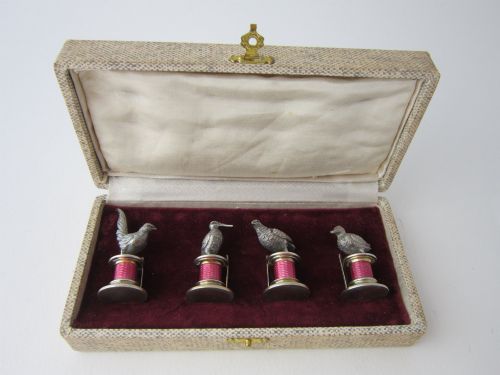
Silversmiths constructed these pieces primarily from sterling silver, employing casting, stamping, and piercing techniques to shape intricate figures and frames. Many items incorporate guilloche enamel or standard enamel to add colour and detail to the metal surface.
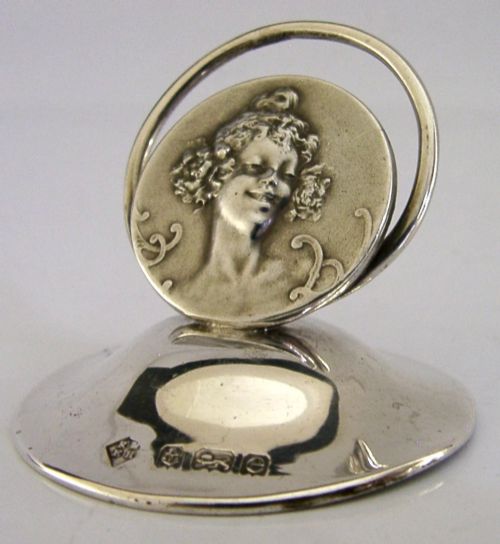
Interior linings and presentation boxes frequently utilise velvet, silk, leather, and leatherette to house pairs or sets securely. Hallmarks stamped into the silver record the assay office, such as Birmingham or Chester, alongside the specific year of manufacture.
Edwardian Table Name Holders Retail Price Guide 2026
Typical asking prices for edwardian table name holders among the pieces listed under this phrase on Sellingantiques today, from the lower quarter to the upper quarter. They describe what is for sale here now, not the wider market.
Materials recorded across the selection include sterling silver, enamel, guilloche enamel, velvet, silk, leather, and leatherette.
Assessing quality and craftsmanship
Preservation of applied enamel and the presence of original fitted boxes elevate specific pieces above standard production items. The complexity of the subject matter, from a simple horseshoe to a detailed sentry box or galleon, distinguishes standard table accessories from exceptional works.
Sampson Mordan·Levi & Salaman·Liberty
The Edwardian Table Name Holders Glossary
- Sterling silver
- A silver alloy containing 92.5 percent pure silver and 7.5 percent other metals, usually copper, providing durability for small decorative items.
- Guilloche enamel
- Decorative enamel applied over a metal surface that has been engraved with an intricate repetitive pattern, creating reflected light effects.
- Menu holder
- A tabletop stand designed to display the evening menu, often matching the smaller place card holders used at individual settings.
- Assay office
- A body that tests the purity of precious metals and stamps items with official hallmarks to verify their silver standard.
- Figural
- A description for objects moulded or cast in the likeness of human figures, animals, or characters from stories.
Edwardian Table Name Holders: Frequently Asked Questions
How were they used on the table?
Hosts placed individual holders beside each dinner plate to indicate the designated seating arrangement for guests. They worked in tandem with larger menu card holders positioned centrally or at intervals along the table.
By holding cards upright, guests could easily read their names and the courses to be served without handling the stationery.
How do I date these silver holders?
Assay office hallmarks stamped onto the silver provide the exact year of manufacture and the town where the piece was tested. Date letters correspond to specific alphabetical cycles used by offices such as Birmingham or Chester.
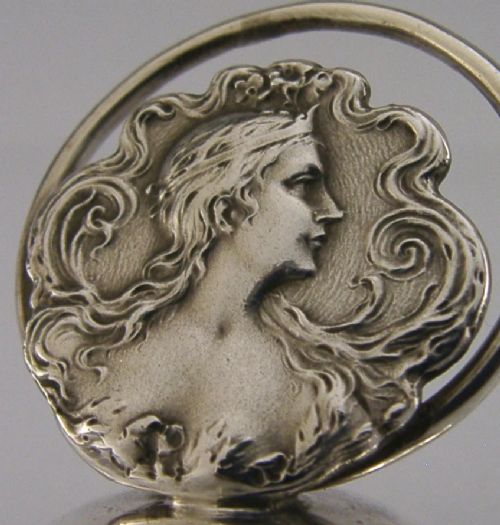
Stylistic indicators like Art Nouveau curves or specific figural themes also help narrow down the production era to the early twentieth century.
How do I display them at home?
Collectors often display sets in dedicated cabinet shelves or use single pieces on sideboards and desks as decorative ornaments. They do not require complex maintenance beyond gentle cleaning suitable for sterling silver.
Boxed sets retain their original presentation format, making them straightforward to store or exhibit within a collection of small silver.