

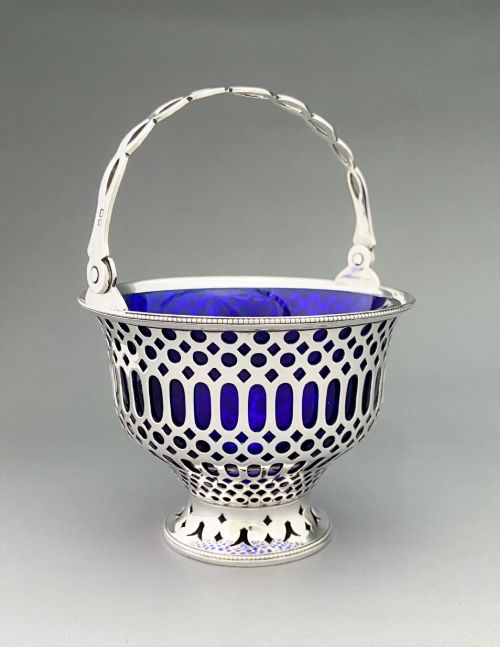


Edwardian Sterling Basket
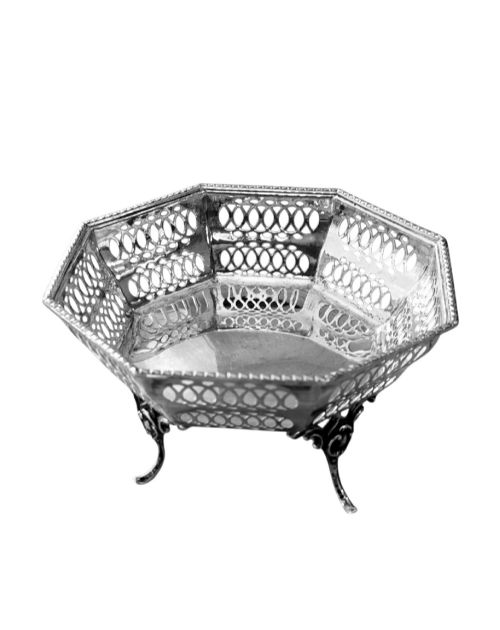
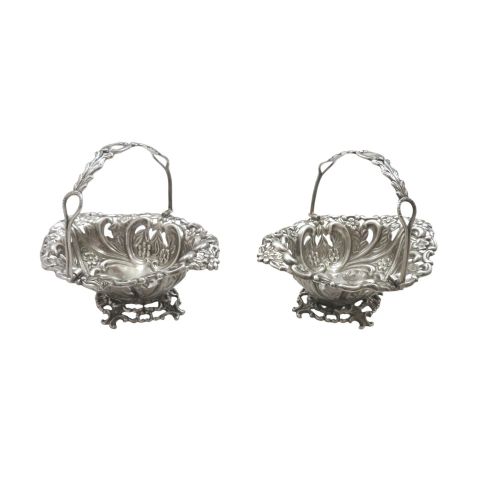
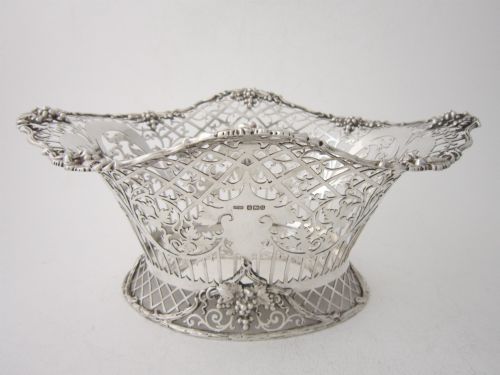
An Edwardian sterling basket brings openwork elegance to a table, combining substantial weight with intricate silver lattice.
Edwardian Sterling Basket
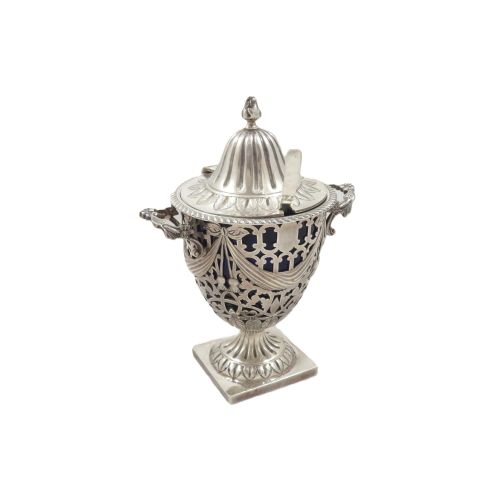
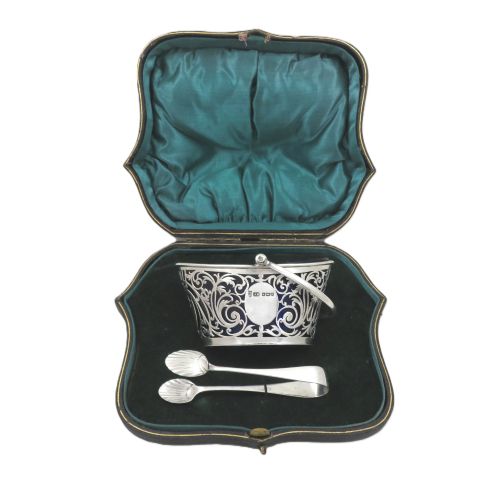
An edwardian sterling basket encompasses a range of refined domestic silver vessels produced during the early twentieth century, spanning fruit baskets, sugar baskets with lids, and delicate bonbon dishes. When searching for an edwardian sterling basket, buyers encounter both small swing-handled examples and substantial pierced centrepieces designed for formal display.
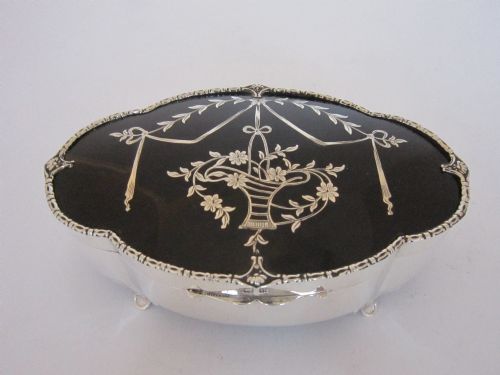
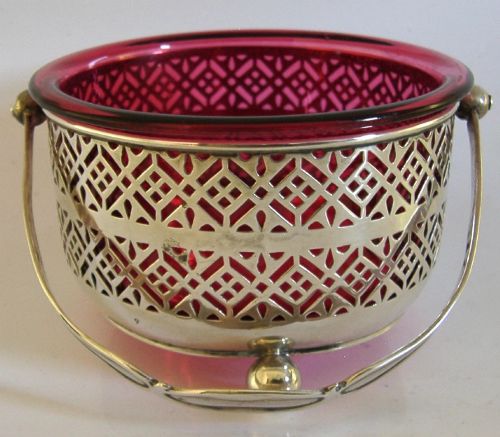
The pieces on this page originate predominantly from the Edwardian period and the broader early twentieth century, with makers utilising solid silver alongside contrasting inserts of cranberry glass, cobalt glass, and tortoiseshell. Forms vary from simple footed bowls to elaborate fretwork baskets featuring intricate lattice and wickerwork designs.
How they were made
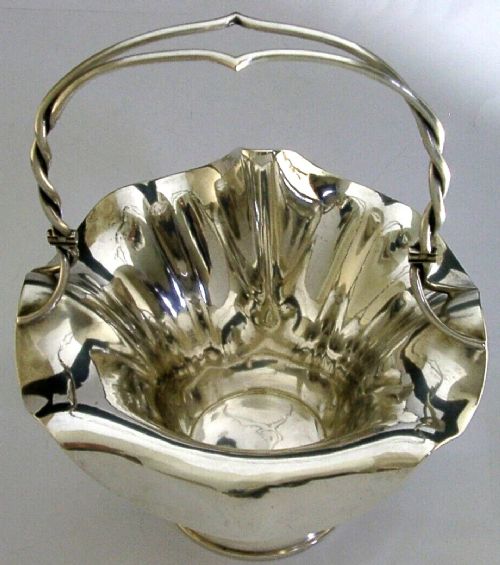
Silversmiths constructed an edwardian sterling basket using solid silver, employing techniques such as piercing, fretwork, and intricate pierced-work to create lattice patterns across the body. Swing handles, hinged or fixed, were engineered to balance the weight of the vessel, particularly in larger fruit and bread baskets.
Many designs incorporated contrasting materials, mounting silver frames around liners of cranberry glass or cobalt glass, or pairing the metal with polished tortoiseshell. Assay office hallmarks stamped into the silver recorded the year, town of origin, and standard of metal used.
Edwardian Sterling Basket Retail Price Guide 2026
Typical asking prices for edwardian sterling basket among the pieces listed under this phrase on Sellingantiques today, from the lower quarter to the upper quarter. They describe what is for sale here now, not the wider market.
Listings span the Edwardian period, Victorian era, and George V reign, incorporating materials such as sterling silver, cranberry glass, and tortoiseshell.
What varies in quality
Quality in an edwardian sterling basket rests upon the complexity and crispness of the pierced-work and fretwork, where deeply chased lattice and well-balanced proportions distinguish finer workshop output. The physical weight of the solid silver and the rigidity of the swing handle indicate the substantial nature of the piece.
The inclusion of original glass liners, such as cranberry or cobalt glass, or secondary materials like tortoiseshell, elevates the standing of a piece. Maker attribution to notable workshops adds historical significance to the craftsmanship.
Synyer & Beddoes·Hammond, Creake & Co·William Hutton & Sons·James Dixon & Sons Ltd·Joseph Rodgers
The Edwardian Sterling Basket Glossary
- Sterling silver
- A silver alloy containing 92.5 percent pure silver and 7.5 percent other metals, usually copper, ensuring durability for domestic tableware. This standard is verified by official assay office hallmarks.
- Pierced-work
- A decorative technique where metal is cut through to create open patterns, lattice designs, or fretwork. In baskets, this reduces weight while allowing light through the silver.
- Swing handle
- A movable arched handle attached to the rim of a basket by pivot pins. It allows the vessel to be carried or rested flat against the sides.
- Bonbon dish
- A small, shallow dish or basket intended for holding sweets, nuts, or small confections. These pieces often feature delicate footed bases or openwork rims.
- Hallmark
- A series of official marks stamped onto silver items to indicate the standard of purity, the assay office, the maker, and the year of manufacture.
Edwardian Sterling Basket: Frequently Asked Questions
What was an edwardian sterling basket used for?
These baskets served various formal domestic functions, ranging from presenting bread, fruit, and sugar at the dining table to holding pot pourri or small bonbons in the drawing room.
Larger footed bowls and centrepieces were often displayed empty as decorative focal points or filled with seasonal fruit during formal meals.
How do I identify an Edwardian silver basket?
Look for official assay office hallmarks stamped on the silver, which provide date letters corresponding to the early twentieth century and the reign of Edward VII or George V.
Stylistic elements such as intricate fretwork, Art Nouveau flourishes, and swing handles also point directly to this period of production.
How should I care for antique silver baskets?
Regular, gentle dusting with a soft cloth preserves the polished surface of solid silver without wearing down the delicate details of the pierced lattice work.
Avoid harsh chemical dips, particularly on pieces that combine silver with tortoiseshell or glass inserts, using a traditional silver polishing cloth instead.