
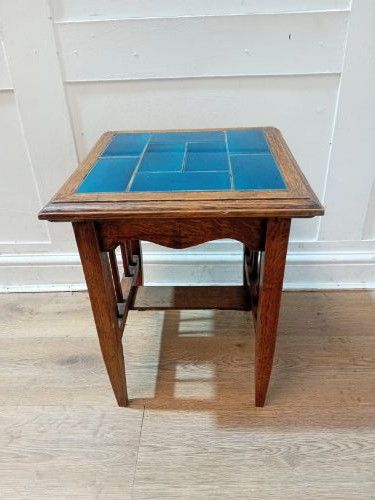

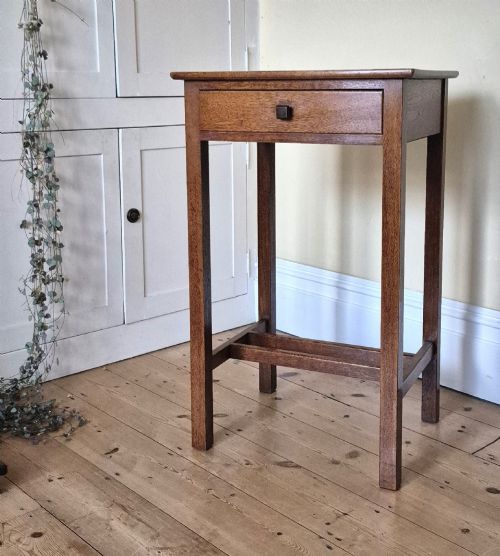


Edwardian Square Plant Stand
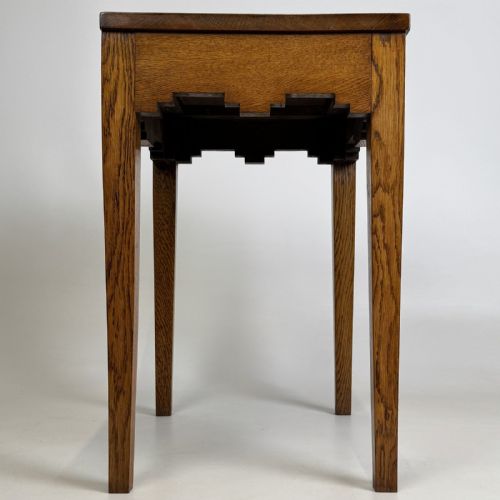
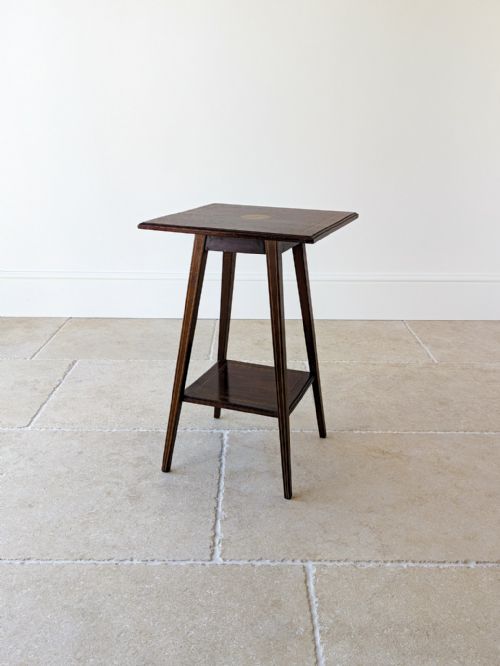
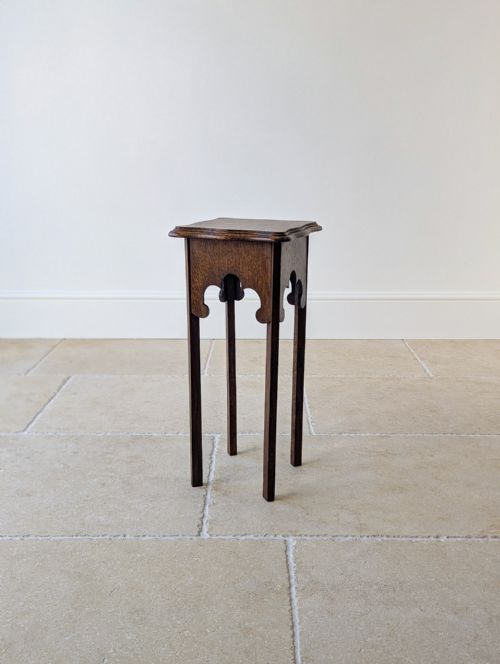
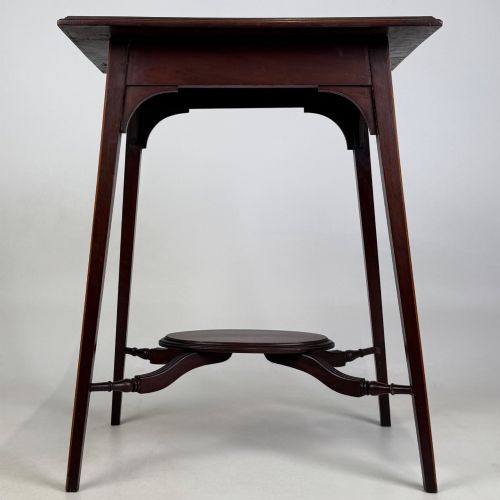
An Edwardian square plant stand is a sturdy, timber-framed stage for greenery that brings architectural height and understated charm to a room.
Edwardian Square Plant Stand
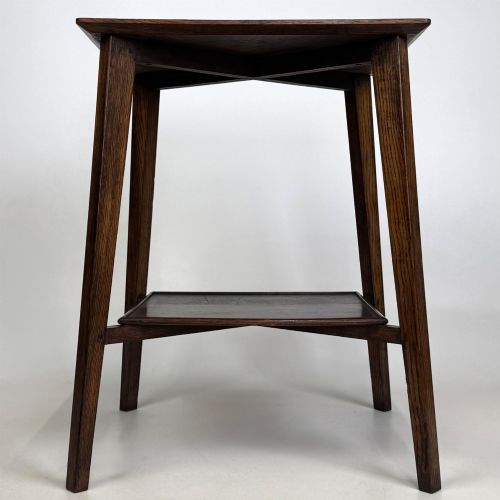
When you search for an Edwardian square plant stand, you encounter timber supports designed to elevate flora, spanning distinct periods from the late nineteenth century into the nineteen-twenties. These pieces frequently overlap in form with occasional tables, side tables, jardiniere stands, and torcherez.
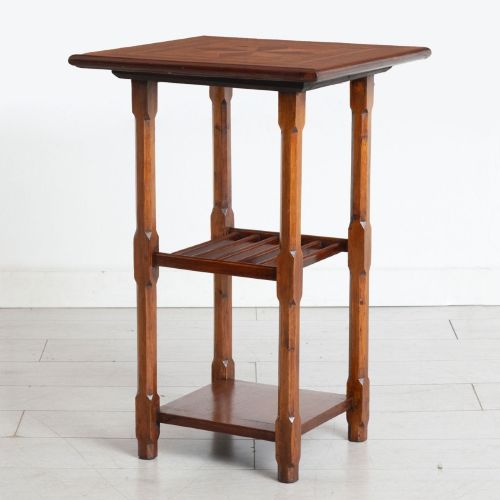
The Edwardian square plant stand appears most commonly in oak or mahogany, often carrying styles such as Arts and Crafts, Sheraton Revival, or simple period utility. They serve practically as display furniture in corners, hallways, and beside seating.
What varies in quality
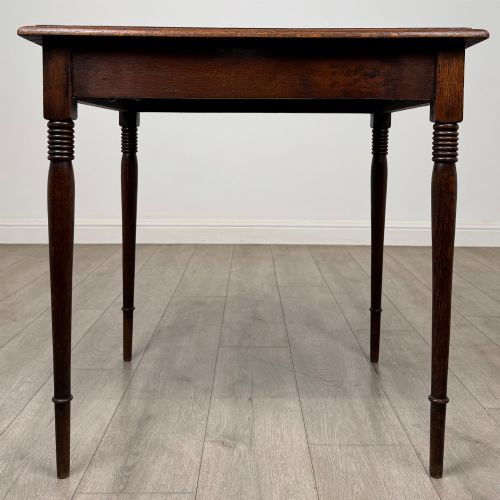
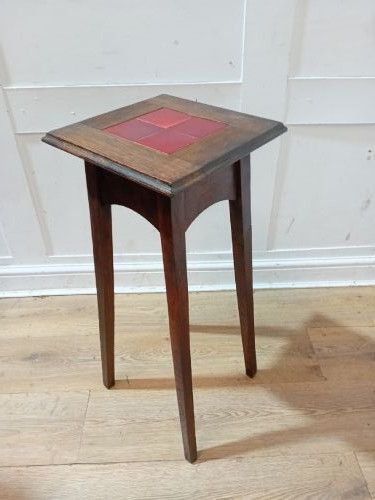
Quality in these stands rests upon timber selection and the precision of decorative details, such as crisp hand carving versus plain turned legs. The presence of delicate satinwood inlay or specialist ceramic tile tops elevates a piece above standard utility items.
Structural integrity also separates standard workshop output from finer cabinet work, visible in the tightness of joints and the retention of original polish. Pieces associated with named retailers or specific design manners often display superior finish.
Some stands feature barley twist legs that make you wonder if the wood was spun like candy.
Baillie Scott·Hubert Simpson of Kendal·Liberty of London
The Edwardian Square Plant Stand Glossary
- Jardiniere stand
- A tall piece of furniture specifically designed to hold a large ornamental flower pot or jardiniere. These stands raise plants to eye level in a room.
- Torchere
- A tall, slender stand or pedestal originally intended to support a torch or candle, later adapted for lamps and plants. They share a similar vertical silhouette to plant stands.
- Sheraton Revival
- A late nineteenth and early twentieth-century design style drawing on the neoclassical furniture of Thomas Sheraton. It relies on satinwood inlay, mahogany, and elegant tapering forms.
- Arts and Crafts
- A design movement valuing traditional craftsmanship, visible structure, and simple utility over mass-produced ornamentation. It strongly influences many oak stands of this era.
Edwardian Square Plant Stand: Frequently Asked Questions
What is an Edwardian square plant stand?
It is a compact timber pedestal or table built to support a potted plant, typically featuring four legs and a square top.
Such stands date primarily from the early twentieth century and reflect the domestic horticulture trends of the period.
How were plant stands used historically?
Victorians and Edwardians used them to bring greenery indoors, placing ferns and flowering plants into bright corners or beside windows.
They also functioned interchangeably as small side tables for lamps, books, or decorative objects when plants were absent.
How do I distinguish Edwardian from Victorian styles?
Edwardian pieces generally lean towards lighter timbers, simpler lines, and Sheraton Revival elegance, reflecting a move away from heavy Victorian gloom.
Victorian and earlier stands often display darker oak, heavier carving, and Gothic or robust revival influences.
Can these stands support heavy plants?
Most solid oak and mahogany stands are sturdily built with mortise and tenon joints or strong turned legs capable of bearing substantial weight.
However, delicate inlaid examples with slender legs suit lighter decorative pots rather than large, water-heavy terracotta planters.