


Edwardian Sporting Art Print
An edwardian sporting art print captures the dynamic energy and tradition of historic field sports, offering collectors a striking piece of equestrian and hunting heritage.
Edwardian Sporting Art Print
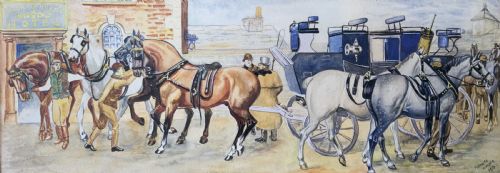
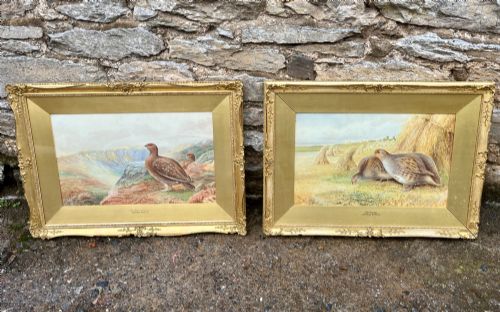
An edwardian sporting art print depicts equestrian pursuits, hunting scenes, and game subjects rooted in British tradition. These works document the social history of the field through depictions of racehorses, huntsmen, and game birds.
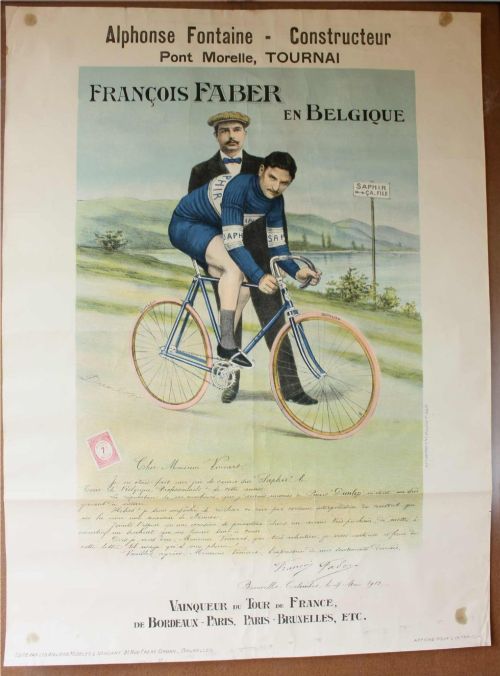
Buyers will encounter various formats on this page, ranging from original watercolours and oil paintings to chromolithographs and vintage posters. The selection spans framed artwork and individual prints that capture the visual culture of early twentieth century sport.
While the material ranges from Victorian photographs to later twentieth century watercolours, the core aesthetic remains tied to British sporting art. Pieces vary in medium from ink and watercolour to printed posters framed in oak or gilt.
Factors of distinction
The distinction between items rests on whether a work is an original hand-painted watercolour or an early printed reproduction. Hand-rendered details in watercolours and oil paintings carry a direct touch from the artist that mass-produced prints lack.
Framing and preservation also dictate the overall character of a piece. Period frames in oak or gilt that retain their original glass contribute significantly to the historical integrity of the artwork.
Some equestrian scenes capture horses with expressions of fierce determination, as if they knew the race was being watched.
George Rankin·Alfred Wheeler·Isaac Cullin·Charles Johnson Payne Snaffles·Frank Algernon Stewart·Archibald Thorburn
The Edwardian Sporting Art Print Glossary
- Chromolithography
- A planographic printing process used to produce multi-coloured images. This technique allowed publishers to distribute high-quality sporting prints to a wider audience.
- Watercolour
- A painting method in which the pigments are suspended in a water-based solution. These works are typically executed on paper and prized for their luminous qualities.
- Gilt
- A thin layer of gold applied to wood frames or decorative objects. It provides a reflective, ornate border that enhances the artwork within.
- Equestrian
- Pertaining to horses and horseback riding. This genre forms the backbone of traditional British sporting art.
Edwardian Sporting Art Print: Frequently Asked Questions
How do I care for framed paper prints?
Keep framed paper pieces away from direct sunlight to prevent fading of the inks and watercolours over time. Maintaining stable indoor humidity levels also protects the paper and the wooden frames.
Ensure that the glass remains secure and that the backing board provides adequate protection against dust and moisture. Professional reframing using conservation materials can further extend the life of antique works.
Where should I hang sporting art?
These pieces traditionally suit studies, libraries, and hallways where heritage decor creates a cohesive atmosphere. Pair them with traditional wood panelling or neutral walls to let the subject matter stand out.
Consider eye-level placement to properly appreciate the fine details in the jockey portraits and hunting scenes. Adequate wall space allows larger framed prints and watercolours to command the room.
How can I distinguish a print from a watercolour?
Examine the surface under magnification to check for the solid lines of ink or the dot patterns of later printing processes. Original watercolours display brush texture and pooling of pigment that mechanical reproduction cannot replicate.
The paper stock and presence of artist signatures also offer clues regarding the method of creation. Hand-signed works often indicate a closer connection to the artist's studio output.
What is the history of British sporting art?
British sporting art flourished as a genre documenting horse racing, hunting, and shooting pursuits favoured by the landed gentry. Artists recorded prized racehorses and memorable field events for posterity.
Over time, the style evolved from formal oil portraits to include accessible prints and watercolours. This democratization allowed enthusiasts to collect depictions of their favourite pastimes.