
Edwardian Slant Desk
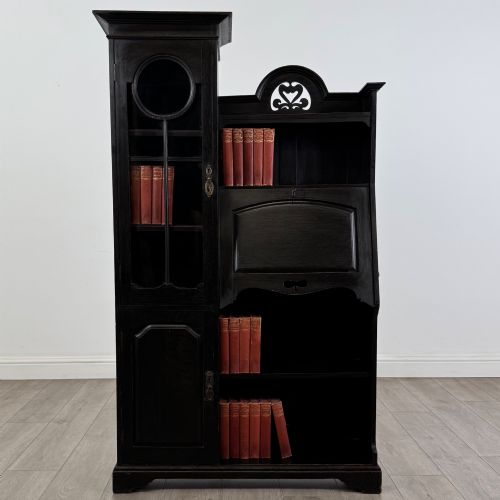
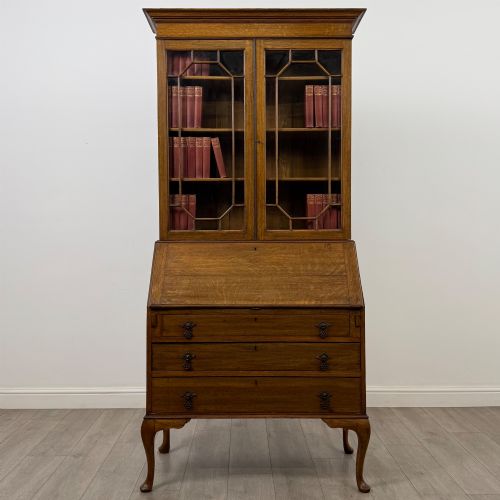
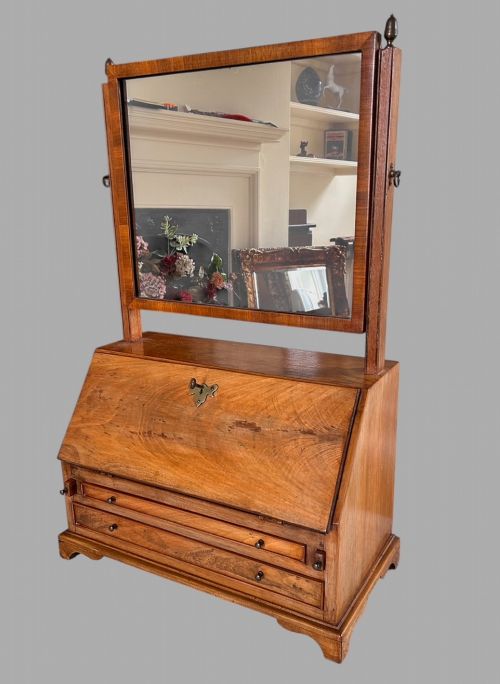
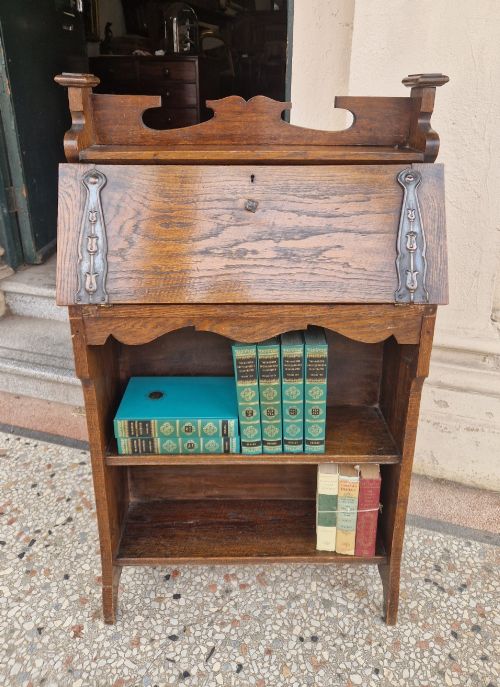
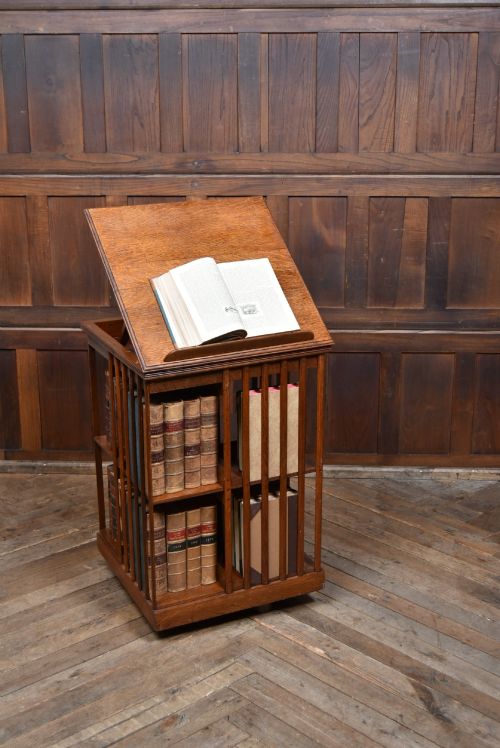
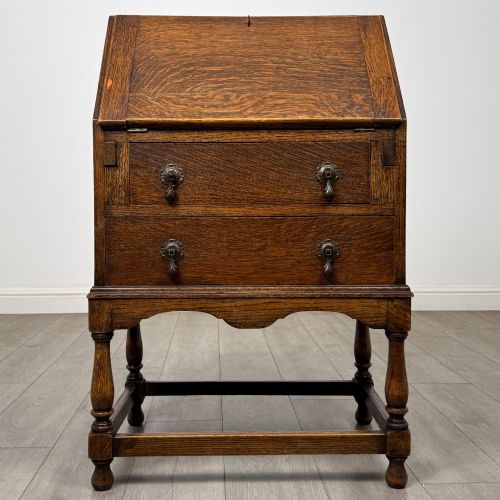
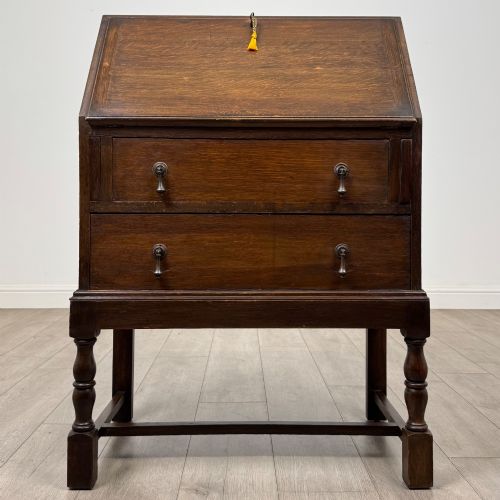
An Edwardian slant desk provides a hinged writing flap that drops down to reveal fitted interior pigeonholes, appearing chiefly in oak and mahogany.

Edwardian Slant Desk
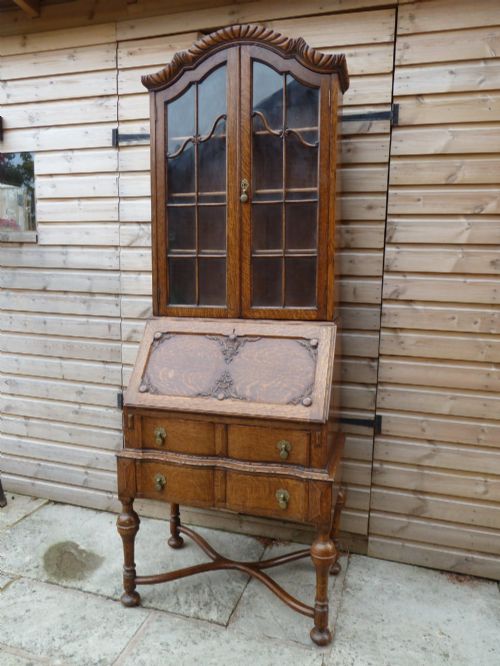
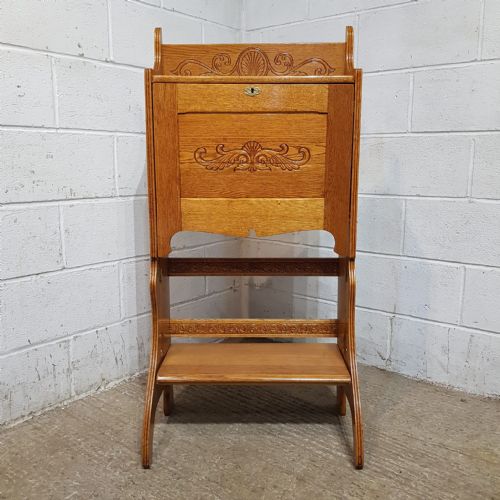
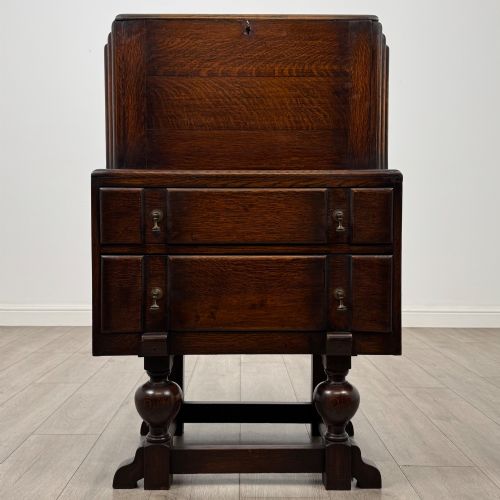
The edwardian slant desk combines a compact writing surface with storage drawers, often featuring a hinged fall front that rests upon pull-out wooden supports when opened. Buyers searching for an edwardian slant desk encounter pieces spanning the Edwardian period, along with related Victorian and early twentieth-century variations.
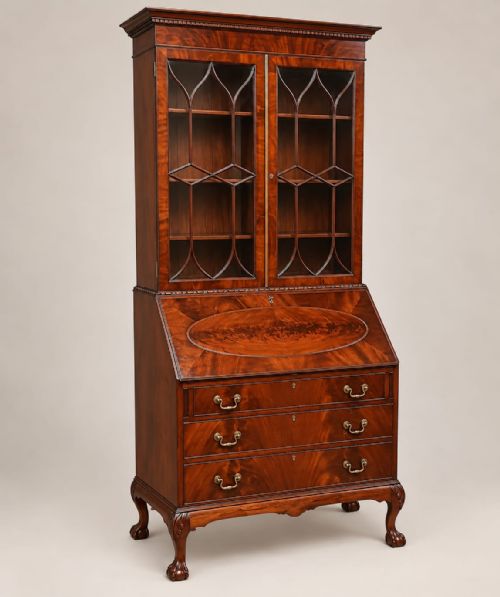
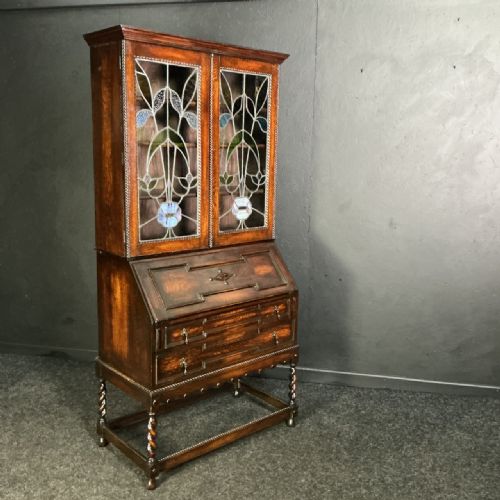
Most examples take the form of freestanding bureaux or larger bureau bookcases that combine upper shelving with a lower writing compartment. Cabinet makers also produced tabletop variants and small satinwood or mahogany forms intended for domestic writing tasks.
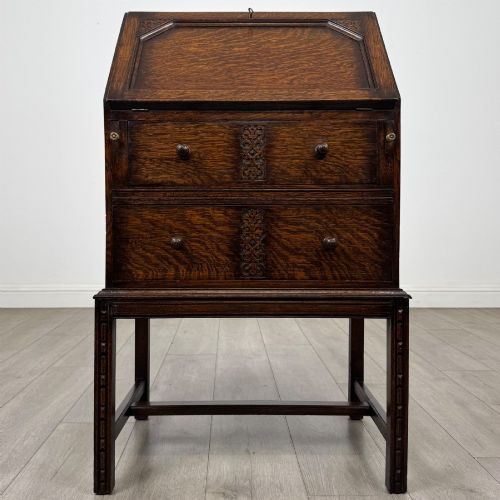
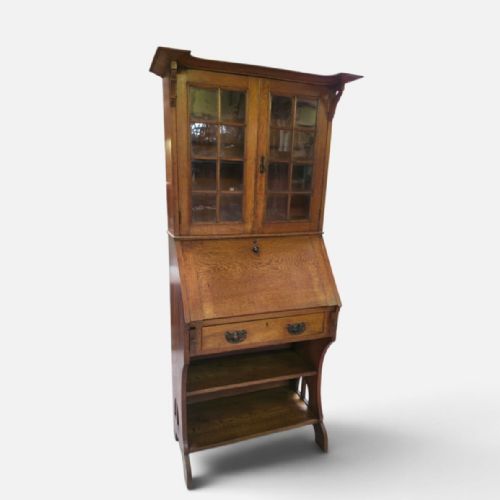
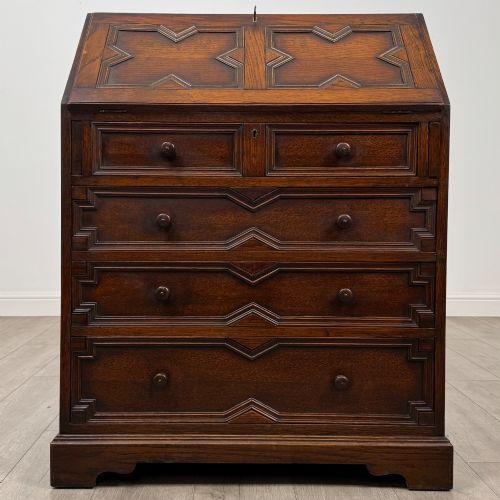
While the core form remains consistent, builders incorporated revival aesthetics including Jacobean style moulding, Queen Anne influences, and Arts and Crafts simplicity alongside standard Edwardian designs.
Materials and construction
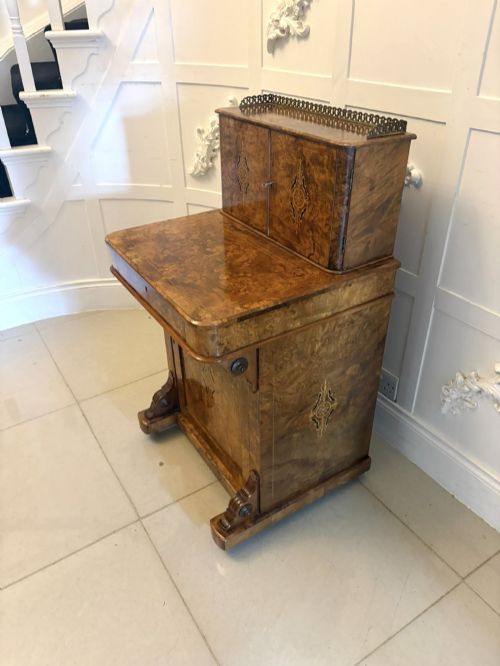
Cabinet makers utilised solid timbers such as oak, mahogany, and walnut for the primary structure, frequently applying figured walnut, burr walnut, or satinwood veneers to the fall fronts and drawer faces. Brass hardware, leather writing inserts, and inlaid decorative details complete the standard construction of these pieces.
Joinery techniques combined traditional drawer framing with fitted internal compartments, pigeonholes, and small cupboards secured behind the slanted writing flap.
Listings for this phrase include oak, mahogany, walnut, and satinwood materials across Edwardian, Victorian, and Arts and Crafts styles.
Evaluating craftsmanship
Quality in an edwardian slant desk rests upon the selection of timber veneers, the precision of internal drawer dovetailing, and the retention of original brass fittings and leather inserts. Finer pieces demonstrate careful grain matching across the fall front and drawer fronts.
Structural integrity depends on the smooth movement of the hinged writing flap and the stability of the pull-out support arms that bear the weight of the open desk.
Larkin
The Edwardian Slant Desk Glossary
- Slant desk
- A writing desk featuring an angled or sloping fall front that opens to create a flat working surface. This folding flap conceals internal pigeonholes and small drawers.
- Bureau bookcase
- A combined furniture form featuring a sloping desk compartment on the lower section and enclosed shelving or book storage above. These taller pieces require adequate vertical clearance in a room.
- Fall front
- The hinged panel on a bureau or slant desk that lowers to provide a writing surface. It remains secured by a lock or side supports when closed.
- Satinwood
- A pale, lustrous hardwood often used for fine cabinet work and decorative inlay during the period. It provides a contrasting golden tone to darker timbers like mahogany.
- Pigeonhole
- A small, open compartment fitted inside the interior of a desk for sorting letters and papers. These compartments sit above the main writing surface.
Edwardian Slant Desk: Frequently Asked Questions
What is an edwardian slant desk?
An edwardian slant desk is a compact writing cabinet featuring an angled lid that drops open to reveal internal storage compartments and a leather or wood writing surface.
These pieces typically include sets of drawers beneath the writing flap and date from the early twentieth century, combining utility with domestic elegance.
How do I use a slant desk?
To use the desk, unlock or pull down the angled front flap so that it rests horizontally on support arms. This exposes the interior pigeonholes and provides a surface for writing or placing a laptop.
When finished, store your papers inside and lift the flap back into its vertical sloping position, securing the latch if fitted.
Where should I place it in a room?
These desks suit studies, living rooms, or bedrooms due to their compact footprint against a wall. Ensure there is sufficient clearance in front of the desk for a chair and for the fall front to open fully.
Position the furniture away from direct sunlight and heat sources to protect the wood veneers and leather writing surfaces from drying out.
How do I tell Edwardian pieces apart from Victorian ones?
Edwardian slant desks often display lighter timbers, satinwood highlights, or simpler Arts and Crafts influences compared to heavier Victorian counterparts. Victorian examples frequently utilise darker mahogany or walnut with more robust proportions and ornate carving.
Examining the internal drawer construction and secondary woods also helps distinguish pieces manufactured around nineteen hundred from those made earlier in the nineteenth century.