
Edwardian Silver
Edwardian silver brings together the refined metalwork, personal accessories and dining table wares produced during the early years of the twentieth century.
Edwardian Silver
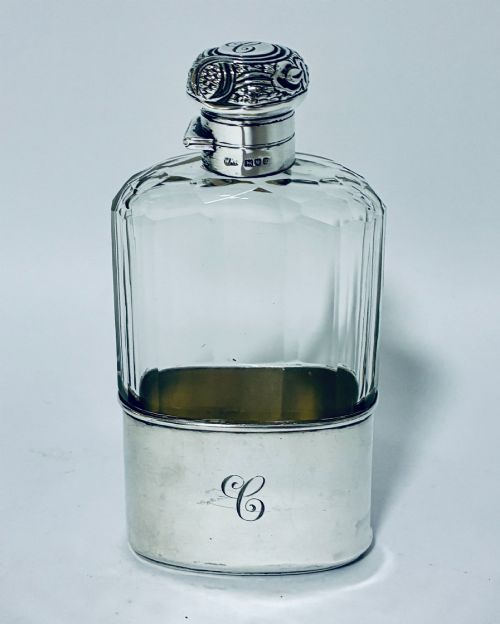
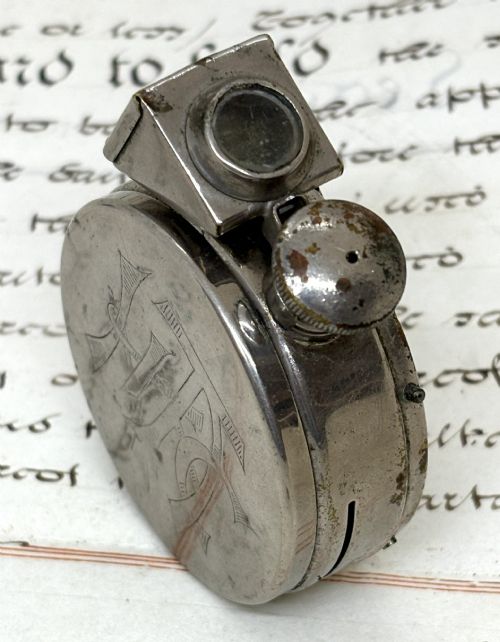
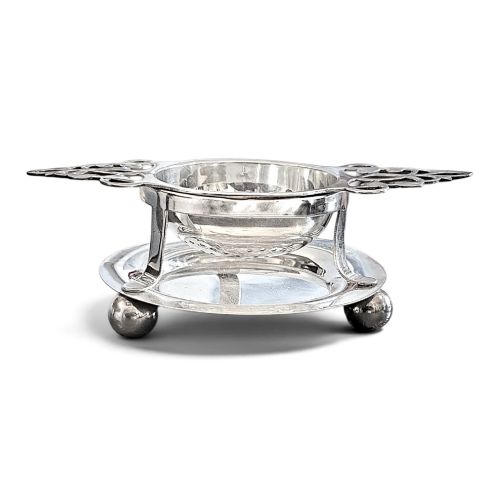
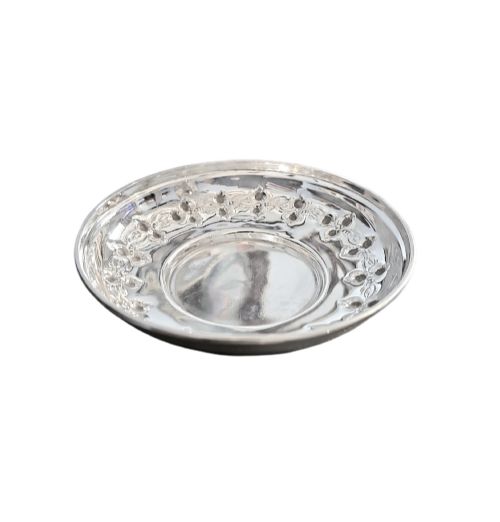
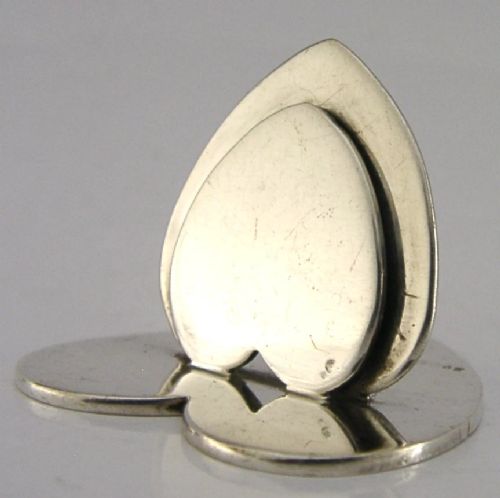
When someone searches for edwardian silver, they encounter a diverse array of items ranging from personal accessories to desk pieces and table wares. The period covers domestic items such as tea caddies, napkin rings, menu holders, bonbon dishes and cruet sets, alongside pocket-worn items like vesta cases and pill boxes.
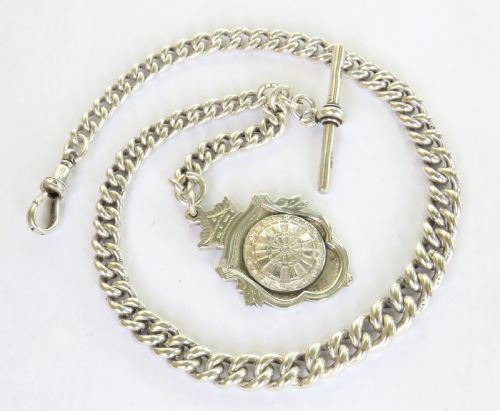
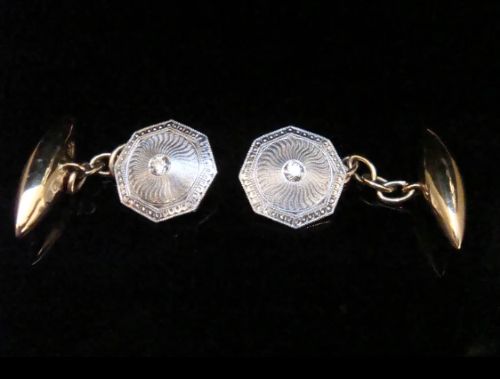
Beyond the dining room, pieces include jewellery and personal adornment such as pendants, necklaces, brooches, cufflinks and long guard chains. Many surviving examples combine sterling silver with materials like glass, enamel, brass, platinum and velvet.
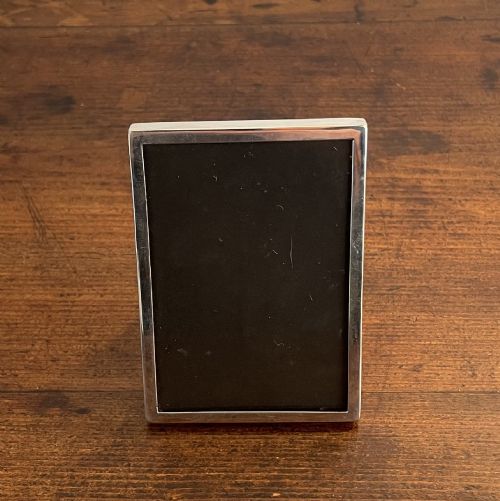
The objects stem predominantly from the Edwardian period, though items labelled under this search phrase span related late Victorian, George V and early twentieth-century decades. Buyers find everything from utilitarian travel items to decorative scent bottles and photo frames.
How they were made
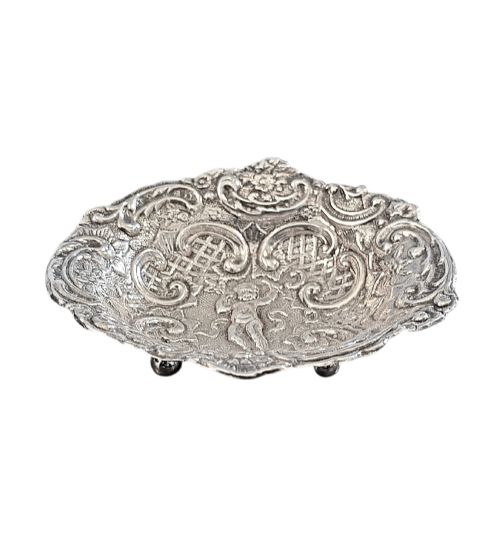
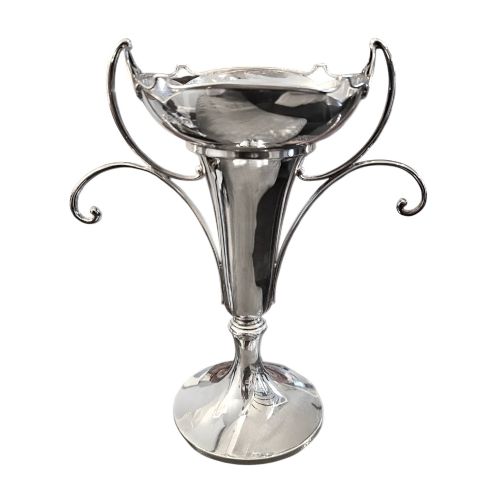
Makers shaped sterling silver and silver plate through techniques such as repoussé, casting and engine turning to create patterned surfaces on boxes, napkin rings and vases. Metal mounts were frequently combined with cut glass vanity jars, ceramic plaques and leather carry cases.
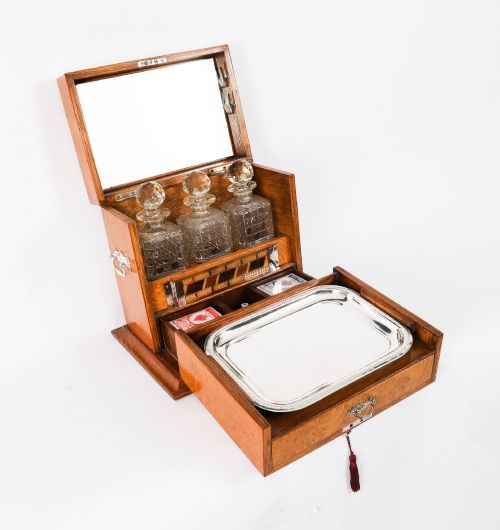
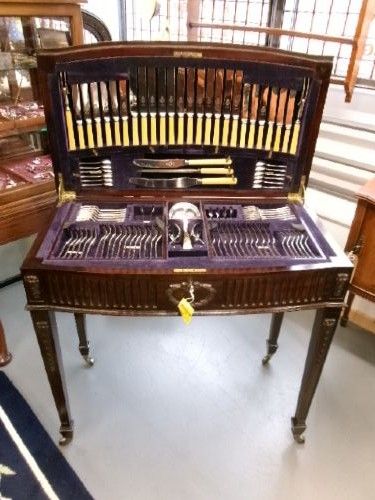
Detailed decorative elements often incorporated hand-painted enamel, platinum settings for diamonds, and velvet or mahogany linings within fitted presentation cases and cabinets.
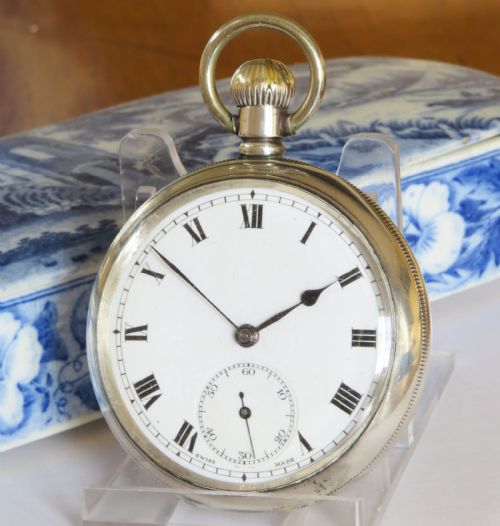
Object forms range widely from pocket watches and vesta cases to candlesticks and menu holders.
What varies in quality
The distinction between standard domestic items and superior examples lies in the weight of the metal gauge and the crispness of the hand-chased repoussé work. Pieces that retain sharp definition in their motifs reflect a higher standard of craftsmanship.
Signed items from notable silversmiths and makers demonstrate careful attention to proportion, hinges and clasps, whereas lesser pieces display simpler construction and thinner metal sheets.
Martin Hall & Co·Hammond Turner & Sons·Edward Souter·Thomas Bradbury & Sons·Sampson Mordan·Joseph Rodgers & Sons·Elkington & Co·Charles Horner
The Edwardian Silver Glossary
- Repoussé
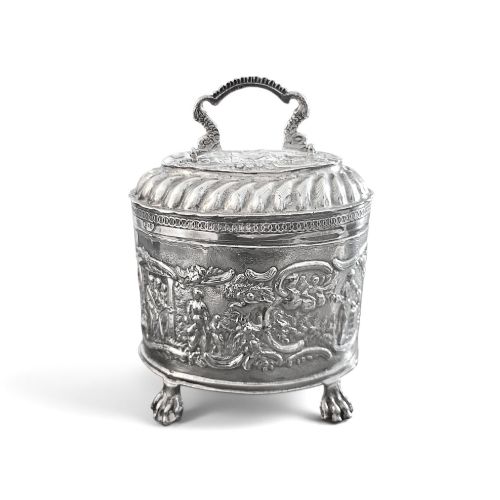
- A metalworking technique where the metal is hammered from the reverse side to form a raised design in relief. This method was widely used for decorating tea caddies, bonbon dishes and snuff boxes.
- Vesta case
- A small portable container designed to hold matches, typically fitted with a striking strip on the base. They often paired with sovereign cases in pocket-worn combinations.
- Sterling silver
- An alloy consisting of ninety-two point five percent silver and seven point five percent other metals, usually copper. It forms the primary material for the majority of hollowware and decorative objects from this era.
- Hallmark
- An official stamp applied to precious metals indicating the standard of purity, the assay office, and the date letter for the year of manufacture. These marks allow collectors to verify the origin and exact age of an item.
- Engine turning
- A mechanical method of engraving precise geometric patterns onto metal surfaces. Items such as pill boxes and cigarette cases frequently display this textured decoration.
Edwardian Silver: Frequently Asked Questions
How do I identify edwardian silver?
Check the hallmarks stamped onto the metal surface, which indicate the assay office, metal standard, and date letter for the year of production. Stylistic cues such as Art Nouveau curves and specific maker marks also point toward the period.
The overall weight, construction quality and accompanying fitted cases help distinguish these pieces from later reproductions or alternative eras.
What is silver plate?
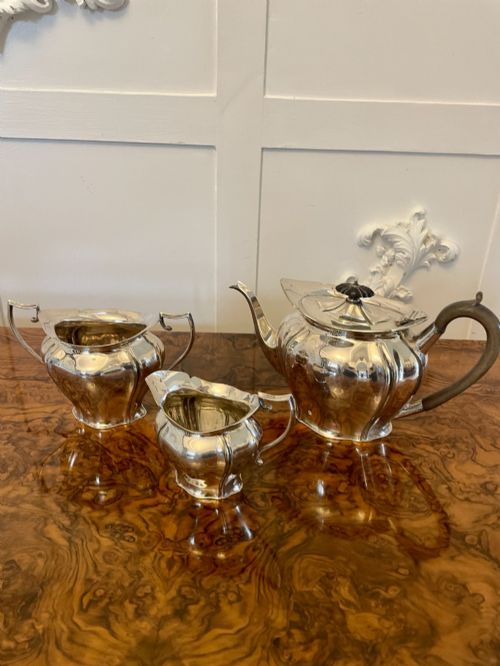
Silver plate refers to base metal items coated with a thin layer of silver rather than being solid sterling throughout. This technique allowed makers to produce larger items like tea sets and trays at a lower cost.
Such pieces remain durable and functional for display and daily use, though they lack the precious metal weight of solid sterling examples.
How were vesta cases used?
Vesta cases were carried in pockets or attached to watch chains to hold and protect wooden matches before the widespread availability of lighters. The textured bottom allowed the user to strike the match upon removing it.
Today, these small containers are collected as pocket items and desk accessories due to their varied engraved designs.
Can I use silver napkin rings daily?
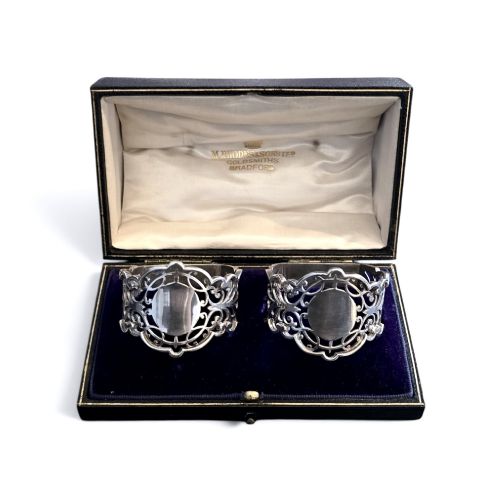
Solid sterling silver napkin rings suit regular dining use and gain character from gentle handling over time. Silver plate items also function well for everyday dining when cleaned with non-abrasive cloths.
Store them in dry conditions away from direct sunlight to maintain the finish of the metal.