

Edwardian Silver Trinket
Edwardian silver trinket boxes and dishes offer a refined way to hold dressing table essentials, prized for their intricate metalwork and period charm.
Edwardian Silver Trinket
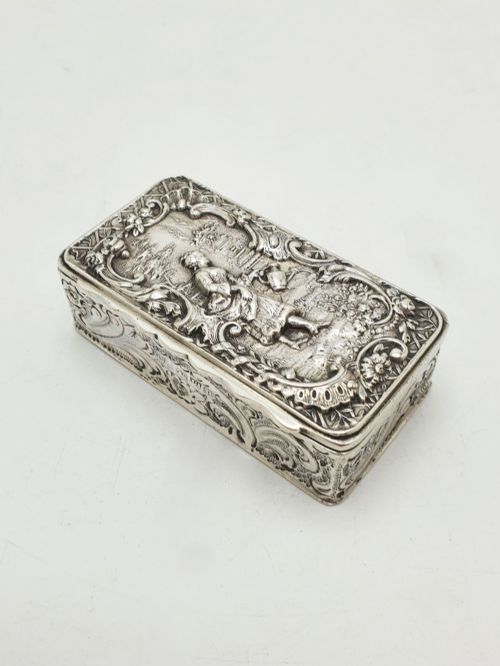
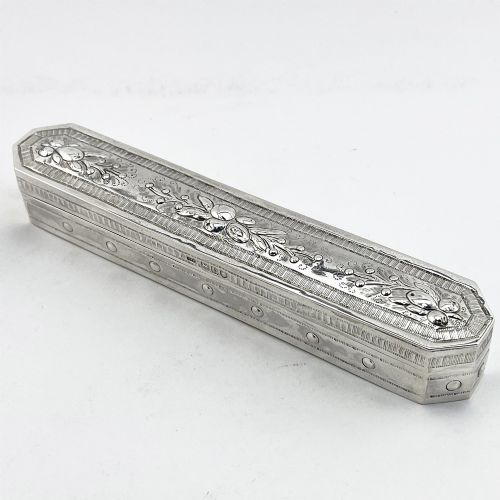
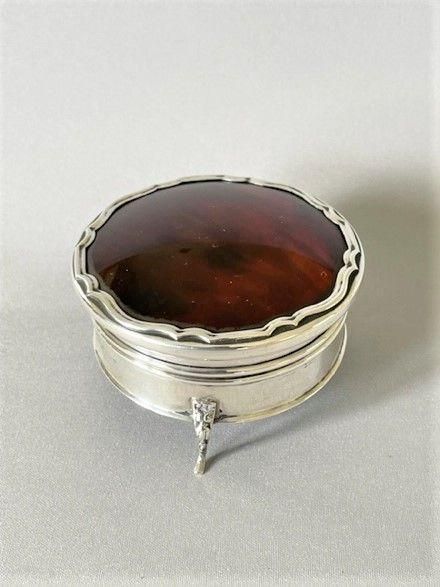
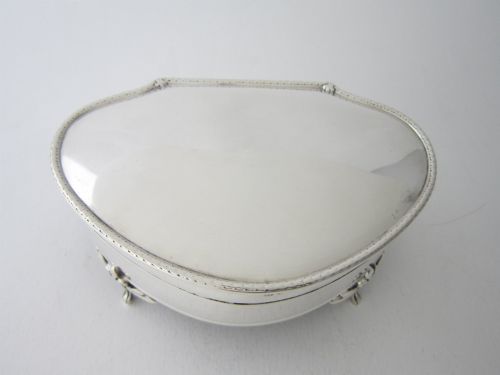
When searching for an edwardian silver trinket, buyers encounter small boxes, vanity jars, dishes, and pill containers produced around the turn of the twentieth century. The selection leans heavily toward sterling silver receptacles designed for dressing tables, desks, and pocket use.
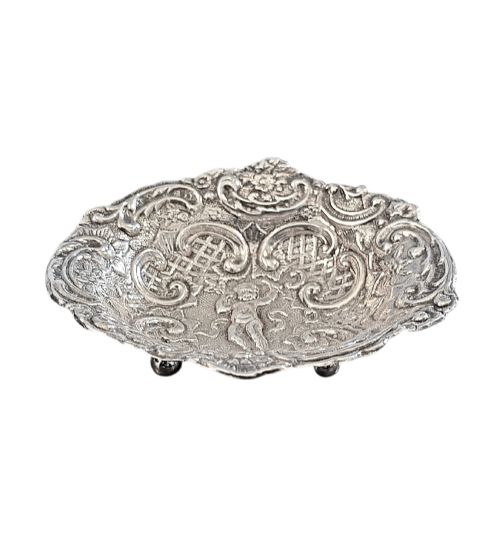
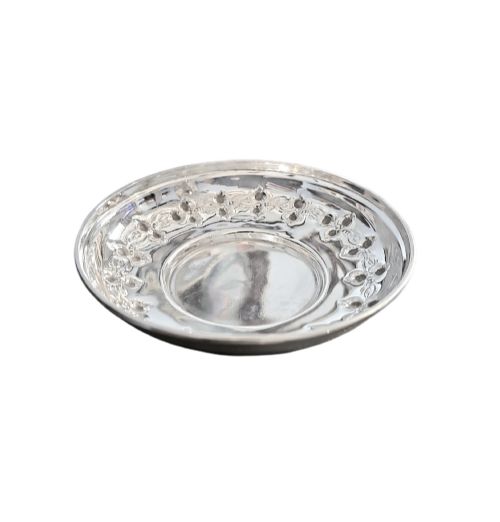
The objects stem predominantly from the Edwardian and George V periods, though Victorian and later pieces also appear in the listings. Common forms include hinged jewellery boxes, glass jars with silver mounts, and small repoussé dishes intended for pins and trinkets.
How they were made
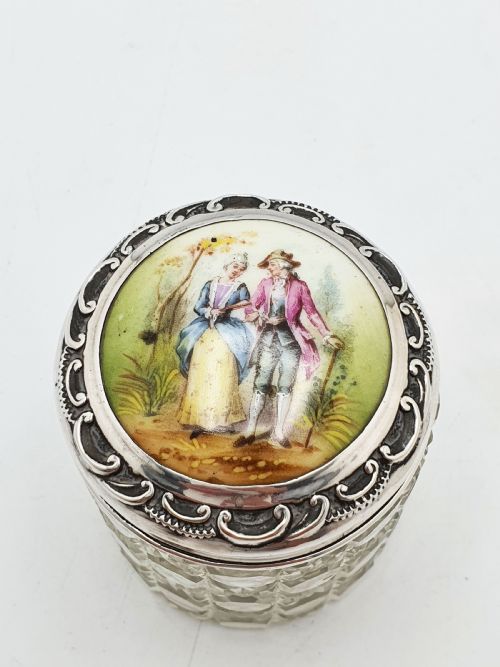
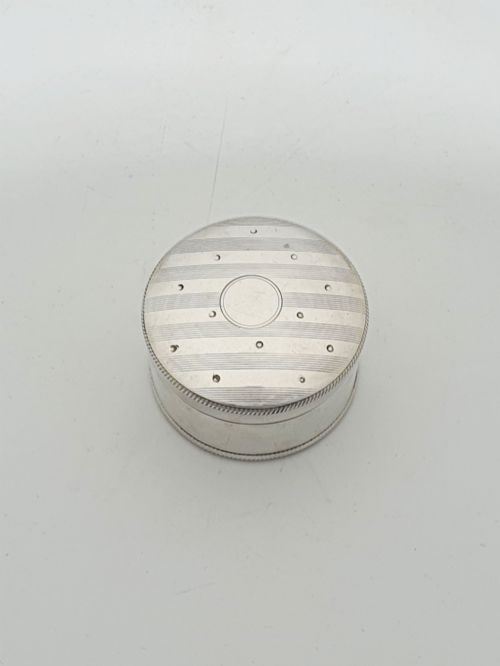
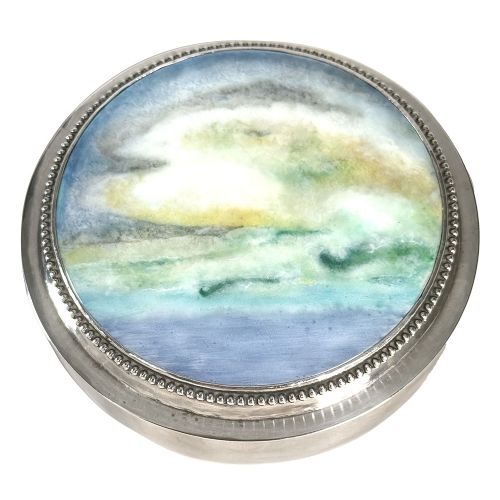
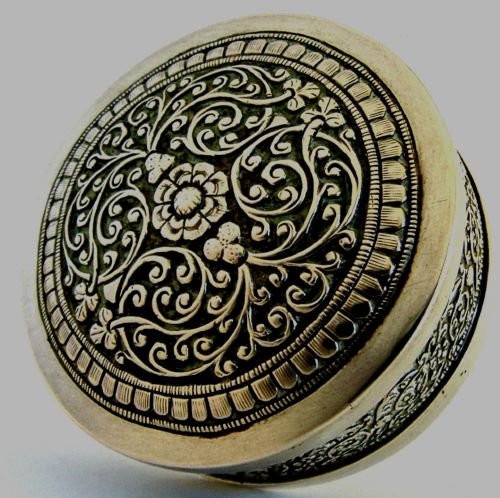
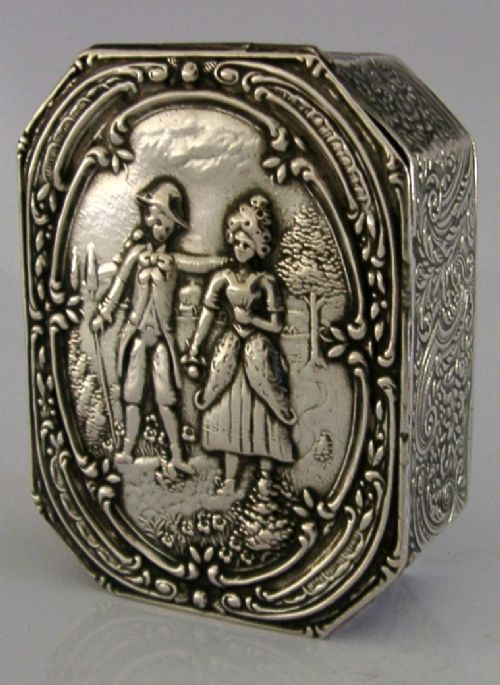
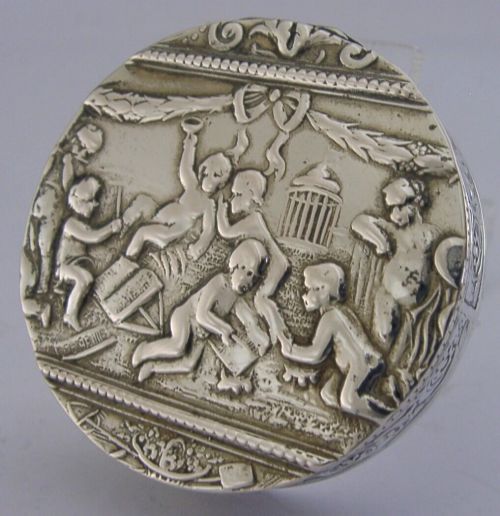
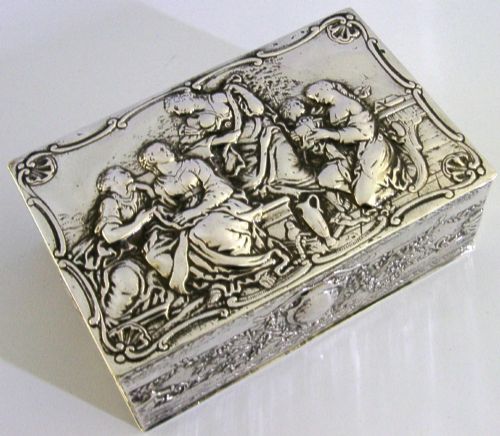
Makers utilised sterling silver alongside glass, tortoiseshell, enamel, and mother of pearl to construct these small containers. Metalwork techniques included engine turning, repoussé relief decoration, and pierced casting to create detailed patterns.
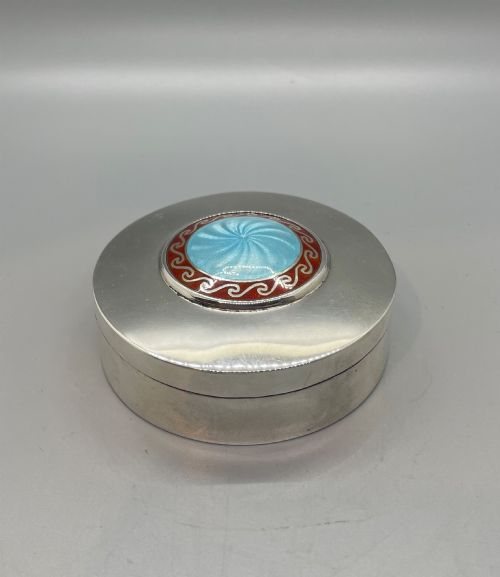
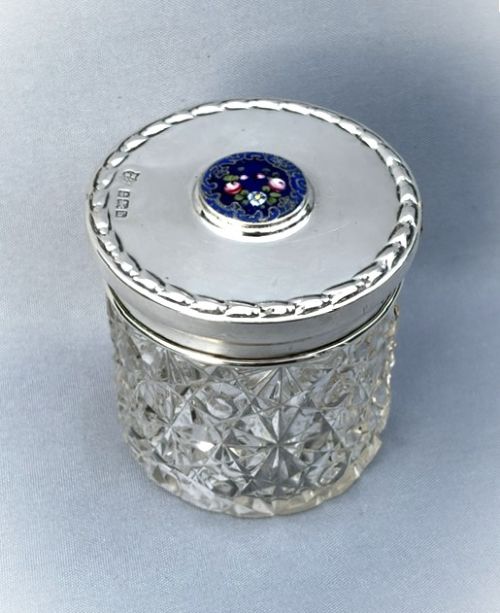
Many boxes feature wooden linings or gilt interiors to protect the metal and contents. Enamel work, such as guilloche, added colour and pattern to lids and vanity jar tops.
Several pieces incorporate secret compartments or tiny picture frames inside the lid, designed to keep a hidden portrait close at hand.
What varies in quality
The thickness of the metal gauge dictates the sturdiness of a box, with heavier pieces offering a more substantial feel in the hand. The crispness of repoussé detailing and the precision of engine turning separate standard production items from finer workshop pieces.
The integrity of secondary materials like glass, tortoiseshell, and enamel significantly impacts the overall standard of the object. Complete, undamaged panels and smoothly functioning hinges distinguish better examples.
William Aitken·Thomas Bradbury & Sons·Guild of Handicrafts·William Neale·Ollivant & Botsford·Henry Clifford Davis·Liberty & Co·A Bromet & Co
The Edwardian Silver Trinket Glossary
- Repoussé
- Metalworking technique where the design is hammered into relief from the reverse side. This creates raised floral or figural motifs across the surface of lids and dishes.
- Guilloche
- Decorative engineering technique producing precise, intricate geometric patterns beneath a translucent enamel layer. It frequently appears on the lids of dressing table jars.
- Sterling silver
- Silver alloy containing 92.5 percent pure silver and 7.5 percent other metals, usually copper. Most British pieces carry hallmarks confirming this standard.
- Gilt interior
- A thin layer of gold applied to the inside of a silver box. This protects the silver from tarnishing when holding items such as snuff or pins.
Edwardian Silver Trinket: Frequently Asked Questions
What were silver trinket boxes used for?
These small containers stored daily accessories such as rings, brooches, pins, and cuff links on dressing tables. Gentlemen also used smaller pocket versions for pills or snuff.
Their presence in a bedroom or study reflected the orderly habits of the period, keeping loose valuables contained and protected from dust.
How do I date an edwardian silver trinket?
British pieces typically feature hallmarks stamped directly onto the silver. These marks indicate the assay office, the maker's mark, and a date letter corresponding to the specific year of manufacture.
Stylistic clues also help, as Edwardian pieces often favour light neoclassical or floral motifs, while subsequent George V items may show early Art Deco influences.
How should I clean antique silver boxes?
Gentle dusting with a soft, dry microfibre cloth is usually sufficient for regular maintenance. Avoid harsh liquid dips, especially on pieces that incorporate enamel, tortoiseshell, or fabric linings.
If polishing is necessary for plain sterling surfaces, use a specialist silver cloth and apply minimal pressure around hinges and raised relief details.
Can I store jewellery in them daily?
These boxes function well for holding everyday pieces like rings and earrings. Many feature fitted velvet or silk bases, or wood-lined interiors that cushion the contents safely.
Care should be taken with fragile glass or enamel lids to ensure they are placed securely on stable surfaces away from daily hazards.