




Edwardian Silver Top Bottle
When you search for an edwardian silver top bottle, you are looking at functional dressing table wares and pocket accessories from the turn of the twentieth century.
Edwardian Silver Top Bottle
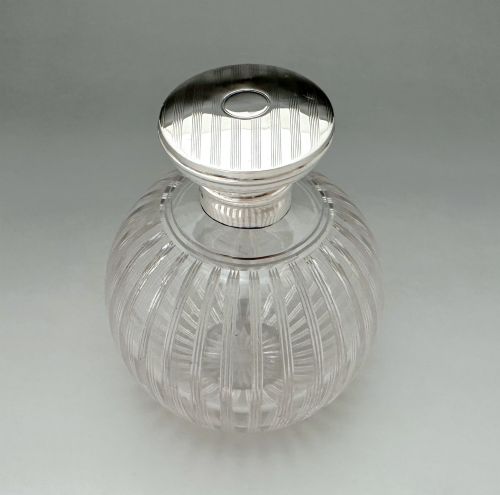
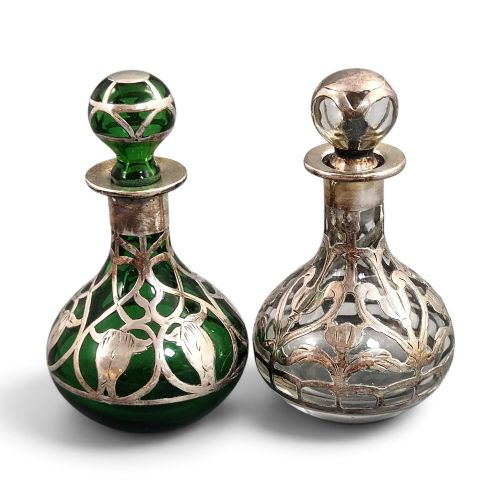
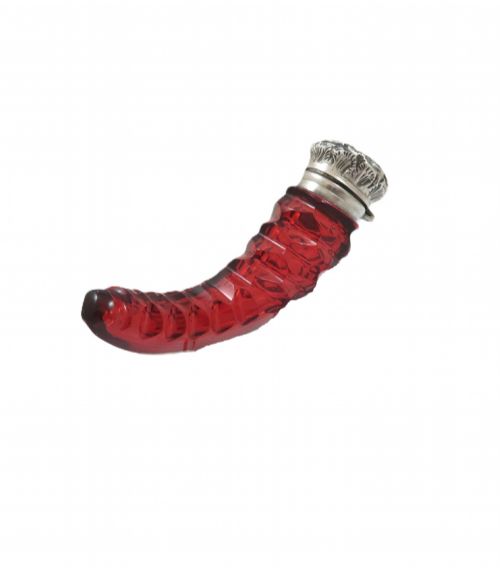
An edwardian silver top bottle comprises a glass vessel fitted with a sterling silver collar, lid, or mount, primarily used for perfume, cologne, or smelling salts. These pieces originate predominantly from the Edwardian period, alongside related examples spanning the late Victorian era through to the 1930s.
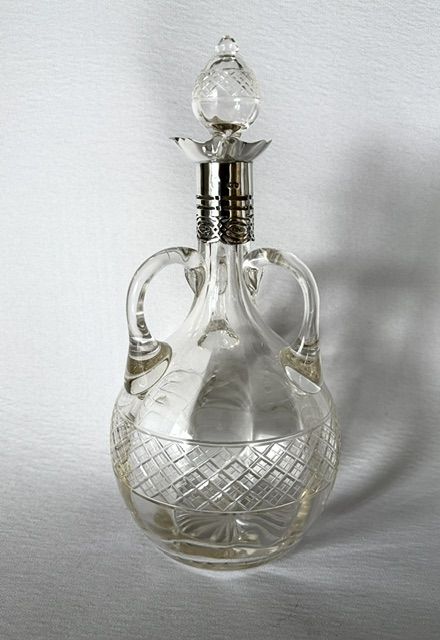
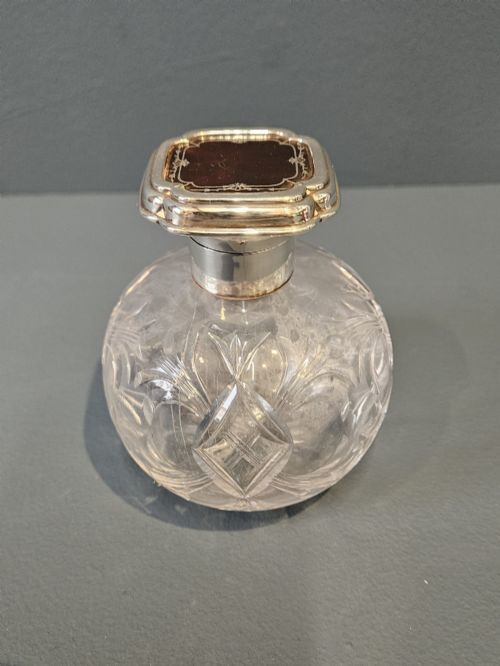
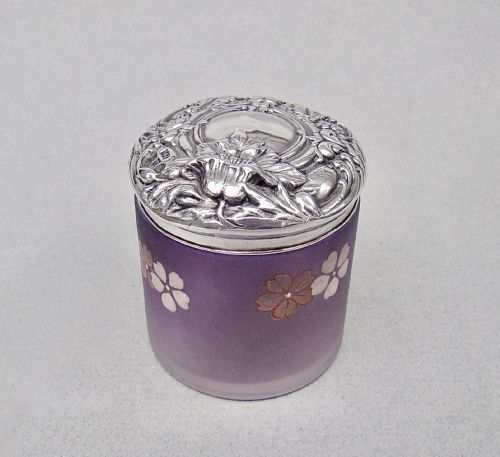
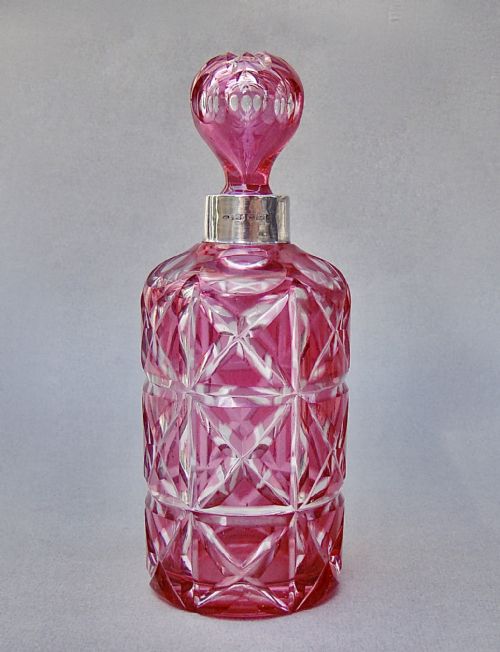
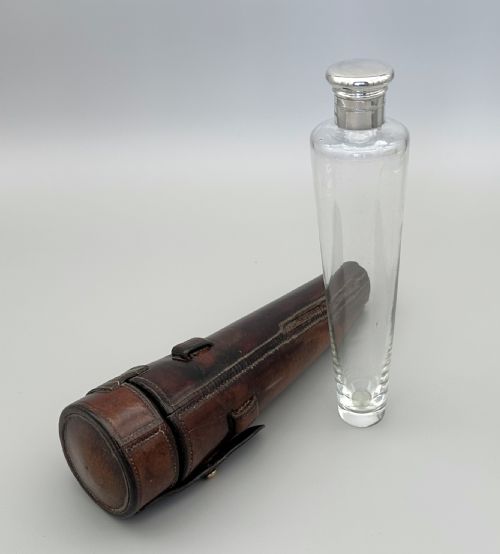
The body forms vary significantly from small globular and icicle scent bottles to larger dressing table jars, decanters, and whisky noggins. You will frequently encounter cut glass and crystal bodies paired with hallmarked silver mounts, often reflecting stylistic influences ranging from organic Art Nouveau curves to geometric Art Deco lines.
Materials and construction
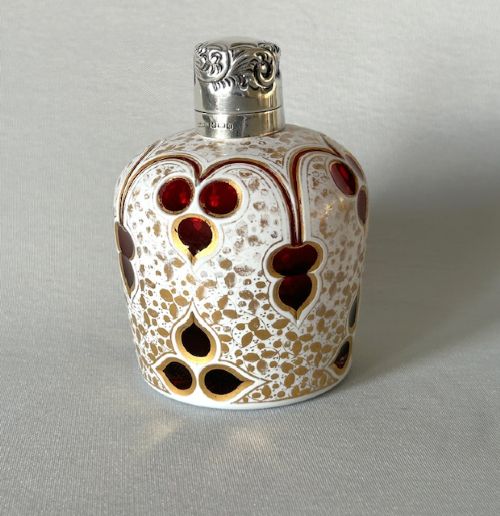
Makers combined heavy cast or pressed sterling silver caps with blown glass bodies, utilising cutting, moulding, and overlay techniques to shape the crystal and coloured glass. The silver components typically display Birmingham or London assay office hallmarks, confirming the metal standard and year of production.
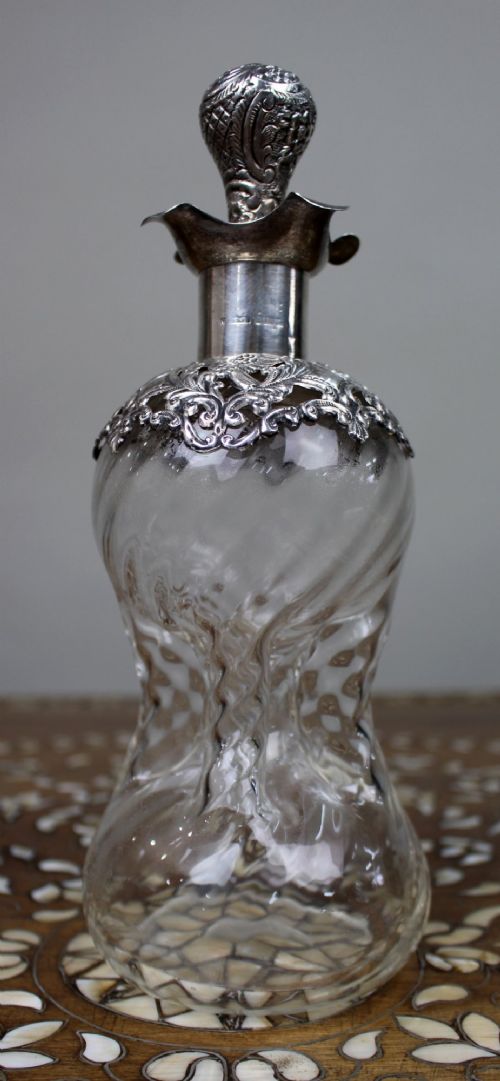
Decorative elements on the silver lids relied on repoussé, embossing, or hand engraving, frequently incorporating floral scrolls or lattice patterns. In more elaborate examples, glass bodies feature coloured overlays in cranberry or ruby tones, while other pieces integrate guilloche enamel or polished tortoiseshell panels into the lid.
Some gentlemen required lockable silver cologne bottles, ensuring travelling companions kept their hands off the lavender water.
Assessing quality and craftsmanship
Quality in an edwardian silver top bottle is determined by the depth and crispness of the glass cutting, the weight and gauge of the silver mount, and the intricacy of any hand-engraved or enamelled decoration. Heavy, deep diamond-cut crystal combined with a thick silver collar indicates superior manufacture.
The preservation of the interior stopper, the precise closure of the hinged or screw-top lid, and the clarity of the full set of hallmarks dictate the desirability of the piece. Intact guilloche enamel panels and undamaged tortoiseshell insets further elevate the distinction of the work.
Harold Bushell & Co·Gorham·Barnsley & Co
The Edwardian Silver Top Bottle Glossary
- Hallmark
- A series of official marks stamped on items made of precious metals, indicating the maker, assay office, and year of manufacture. These stamps provide a reliable method for dating the silver mount of a bottle.
- Guilloche enamel
- A decorative technique where a precise, intricate pattern is mechanically engraved into metal beneath a translucent layer of enamel. This finish appears frequently on the lids of mid-period dressing table bottles.
- Repoussé
- A metalworking method in which the artisan hammers the silver from the reverse side to form a raised design in relief on the front. It is common on floral decorated Edwardian bottle caps.
- Overlay
- A technique involving a layer of coloured glass applied over a clear glass body, then partially cut away to reveal the contrasting colour beneath. Bohemian glass makers utilised this method extensively.
- Noggin
- A small mug or vessel, often fitted with a silver mount and accompanied by a labelled decanter for spirits. Whisky noggins appear regularly alongside scent bottles in this category.
Edwardian Silver Top Bottle: Frequently Asked Questions
What were these bottles originally used for?
These vessels served a practical purpose on dressing tables and travelling cases, holding perfumes, colognes, and smelling salts for daily grooming. Gentlemen and ladies utilised them to carry personal scents or spirits securely while on the move.
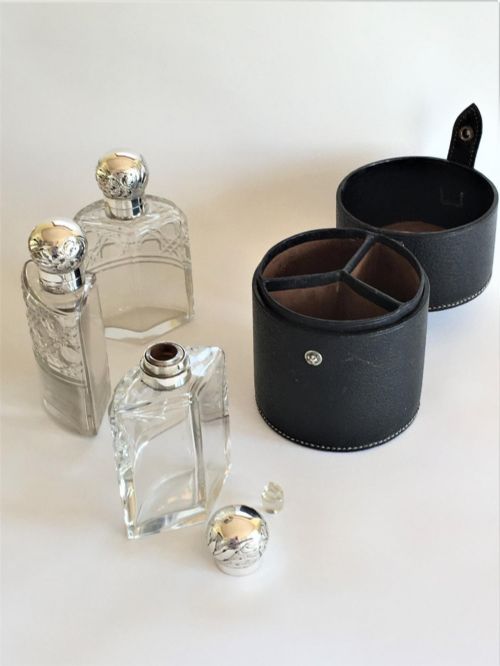
The smaller globular and icicle forms fitted easily into pocket travel sets, whereas the larger jars remained stationary on vanity surfaces alongside matching brushes and mirrors.
How do I date a silver top bottle?
Dating relies primarily on the assay hallmarks stamped onto the silver collar or lid, which denote the specific year letter and assay office city. Stylistic clues such as flowing Art Nouveau motifs or geometric Art Deco lines also help narrow the production era.
The glass body and stopper style can provide secondary confirmation, though silver mounts offer the most precise chronological evidence.
Are the glass stoppers usually original?
Many surviving pieces retain their original inner glass or crystal stoppers, which helped prevent the evaporation of volatile perfumes and colognes. Finding a bottle with its matching internal stopper intact is common but adds to the completeness of the object.
Some travel versions relied solely on a tight cork lining inside the silver screw cap rather than a separate glass stopper.
How should I clean the silver mounts?
Maintenance requires gentle cleaning with a soft microfibre cloth and specialised silver polish, taking care to avoid abrasive contact with any glass, enamel, or tortoiseshell panels. Applying polish directly around the hallmarks prevents the accumulation of cleaning residue in the stamped recesses.
Keeping the pieces away from direct moisture protects the inner cork linings and prevents tarnishing of the delicate hinges.