


Edwardian Silver Tea Spoons
Edwardian silver tea spoons bring domestic ritual into focus, offering solid construction alongside refined period design.
Edwardian Silver Tea Spoons
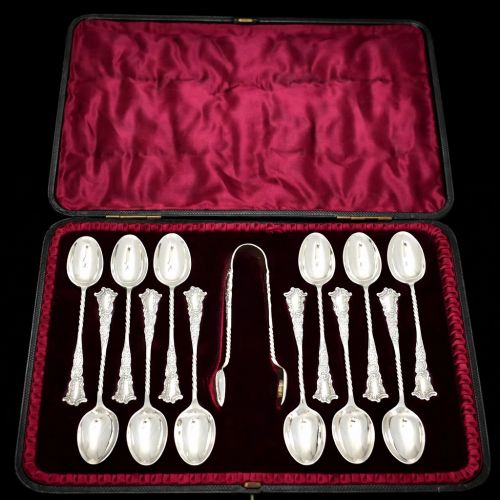
Edwardian silver tea spoons encompass individual small spoons alongside matched sets paired with sugar tongs inside fitted presentation boxes. These objects originate primarily from the Edwardian period, though related examples span into the Victorian, Arts and Crafts, and Art Deco eras.
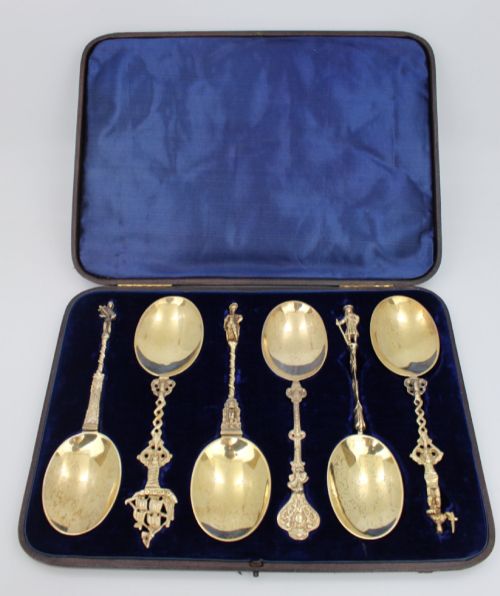
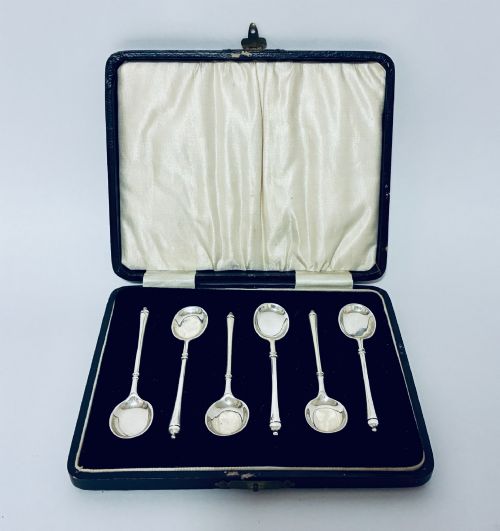
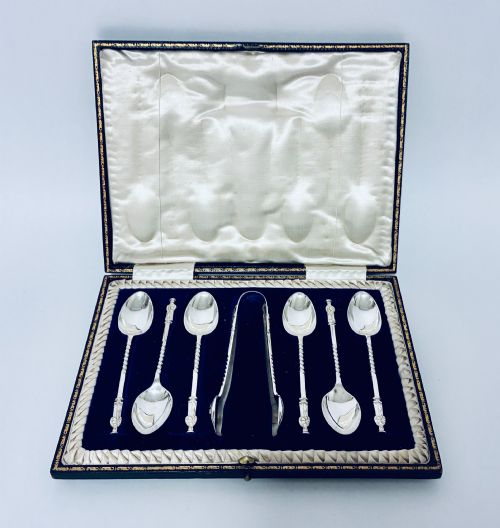
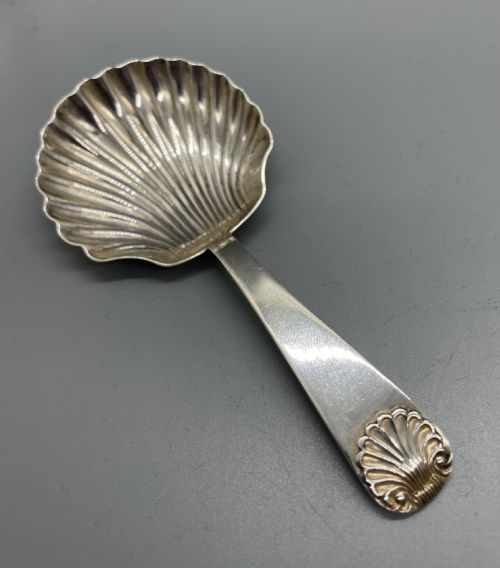
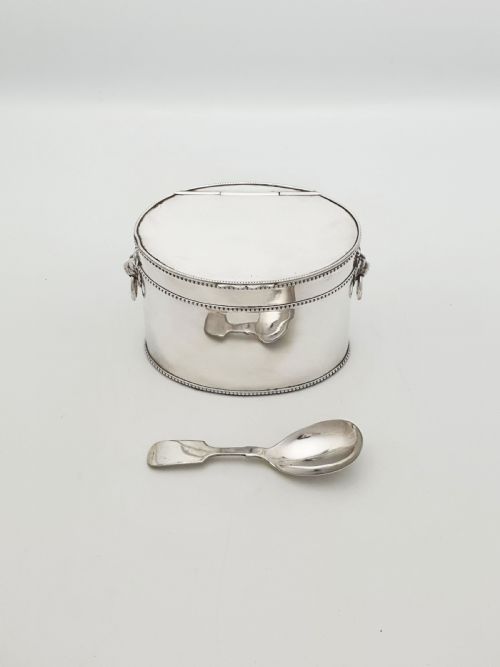
Buyers encounter single caddy spoons alongside sets of six or twelve teaspoons, sometimes accompanied by butter knives, jam spoons, or pickle forks. Fitted cases lined with velvet, silk, satin, or leatherette frequently house these complete sets.
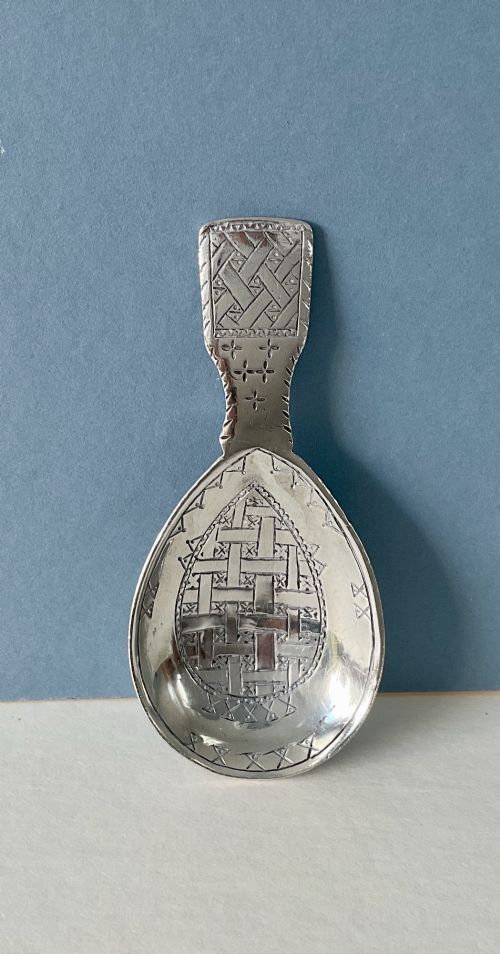
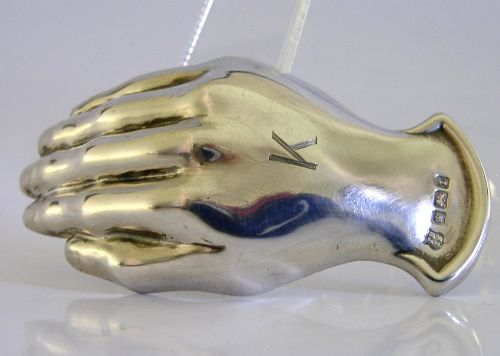
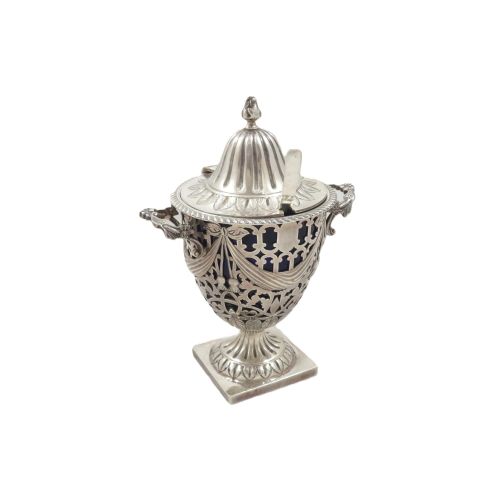
Formations range from plain feather edge and Onslow patterns to novelty hand designs, jockey caps, and apostle motifs. Makers utilised sterling silver and silver-gilt, occasionally incorporating enamel and cobalt glass inserts.
Materials and construction methods
Makers utilised sterling silver as the primary metal for these pieces, often applying a silver-gilt finish to the bowl interiors or entire implements. Enamel work provides colour detail on specific coffee and tea spoons from later decades.
Fitted presentation boxes combine structural wood bases covered in leatherette with interior linings of silk, satin, or velvet to cushion the silver spoons and tongs securely during storage.
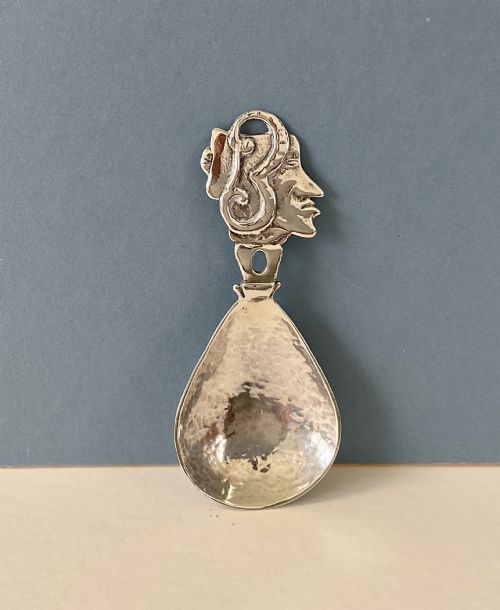
Novelty designs among these spoons include miniature jockey caps and human hands, proving that Edwardian tea tables possessed a distinct sense of humour.
Judging the quality of silver spoons
The standard of execution in decorative motifs, such as hand shapes, jockey caps, or apostle figures, dictates the distinction between standard production items and superior pieces. Crisp definition in chased or cast details elevates the overall character of the silverware.
Completeness within fitted presentation cases containing matching sugar tongs and full sets of six or twelve spoons preserves the original integrity of the set. Original velvet or silk linings intact within leatherette boxes add context to the surviving collection.
William Neale·Cooper Brothers & Sons Ltd·Walker & Hall·Robert Stebbings
The Edwardian Silver Tea Spoons Glossary
- Sterling silver
- A silver alloy containing 92.5 percent pure silver by mass and 7.5 percent other metals, usually copper, ensuring durability for cutlery.
- Silver-gilt
- Sterling silver that has been coated with a thin layer of gold on its surface, creating a warm two-tone appearance.
- Caddy spoon
- A short-handled spoon specifically designed for measuring loose tea leaves from a caddy into a teapot.
- Feather edge
- A traditional decorative border technique featuring fine, engraved feather-like incisions along the outer rim of the spoon handle.
- Onslow pattern
- A distinctive handle design featuring a scrolled scroll terminal that curls downward over the top of the stem.
- Apostle spoon
- A spoon featuring the cast figure of an apostle or saint at the terminal of the handle, often produced in sets.
Edwardian Silver Tea Spoons: Frequently Asked Questions
What are edwardian silver tea spoons used for?
These implements serve primarily for stirring sugar or milk into tea and coffee during formal afternoon tea services. They complement larger tableware arrangements.
Complete sets often include matching sugar tongs for handling sugar lumps, maintaining hygiene and etiquette during gatherings.
How do I store edwardian silver tea spoons?
Keeping the spoons inside their original fitted cases protects them from dust and tarnishing caused by atmospheric exposure. The velvet, satin, or silk linings cushion the metal.
For loose spoons, storage in anti-tarnish cloth rolls prevents unnecessary scratching between individual pieces.
Are caddy spoons different from tea spoons?
Caddy spoons feature shorter handles and wider bowls designed explicitly for scooping loose leaves from storage caddies. Standard tea spoons possess longer stems for stirring.
Tea spoons form part of matched table sets, whereas caddy spoons typically exist as singular display items.
How can I identify edwardian periods?
Hallmarks stamped onto the sterling silver provide exact assay office locations and date letters corresponding to specific years of manufacture. These marks confirm the period.
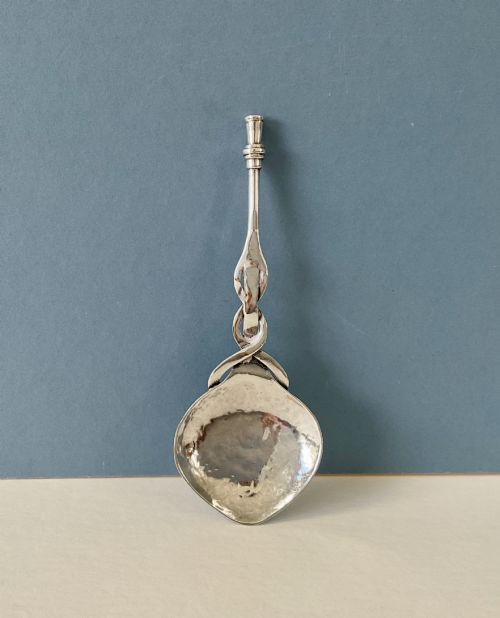
Stylistic cues such as Arts and Crafts hand-hammered textures or classic Edwardian proportions also help indicate the era of origin.