


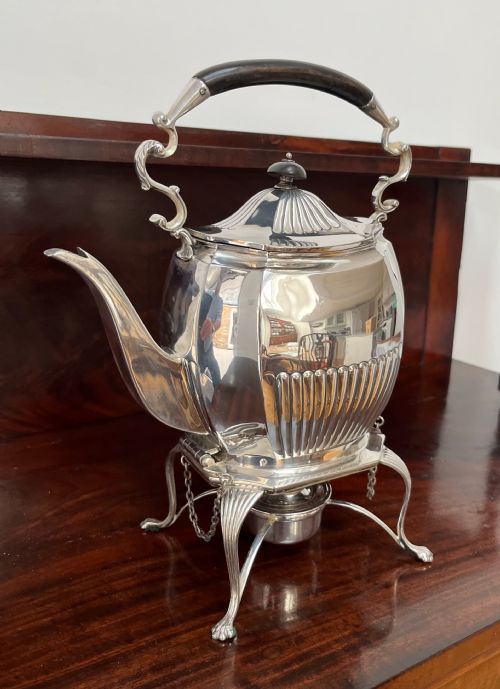


Edwardian Silver Tea Service
When you handle an Edwardian silver tea service, you hold the weight of a formal British ritual in your hands.
Edwardian Silver Tea Service
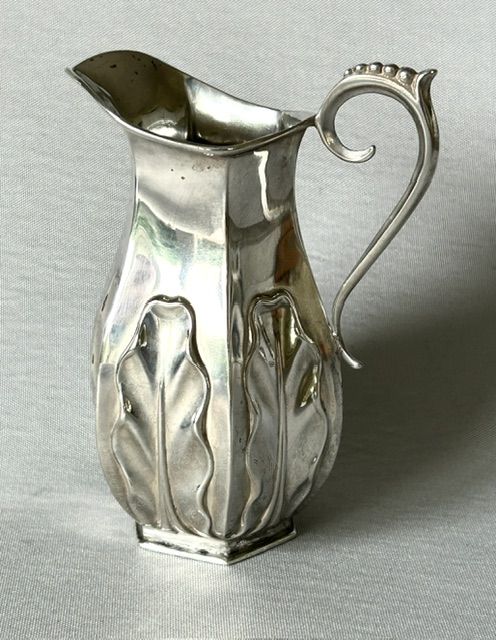
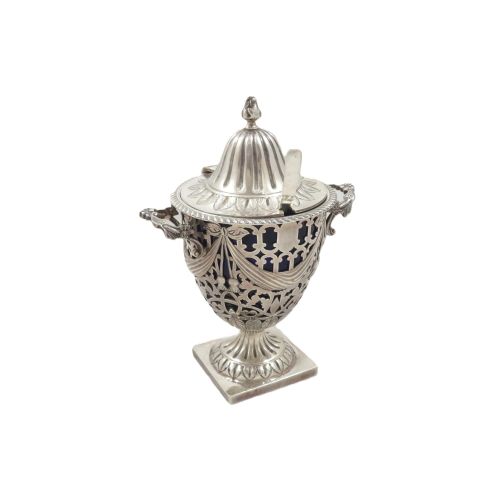
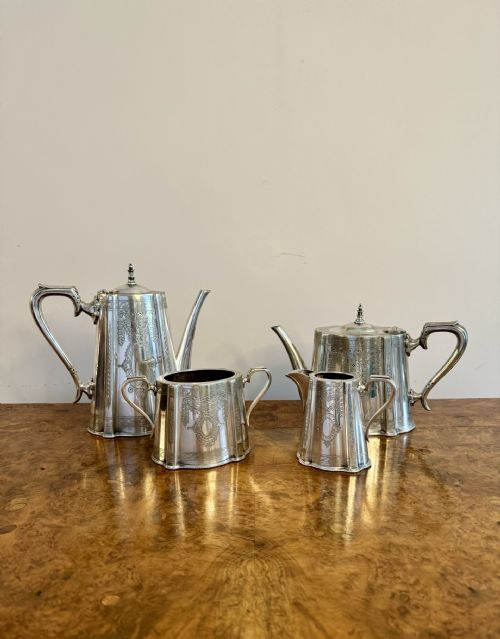
An edwardian silver tea service brings together matching pots, jugs and vessels designed for formal domestic hospitality. You will find solid sterling silver alongside substantial silver plate, spanning the Edwardian period and adjacent years.
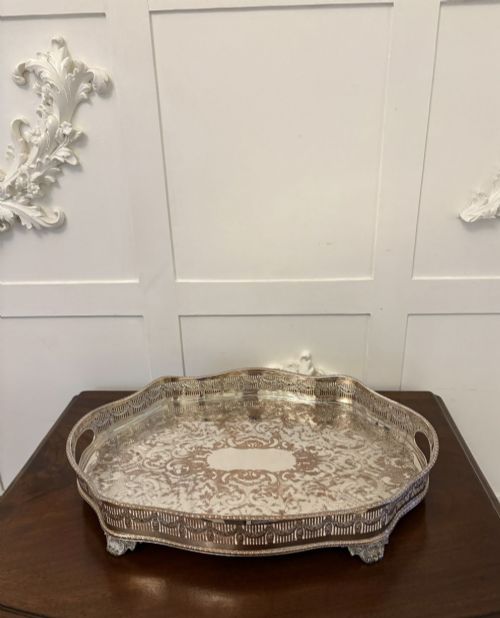
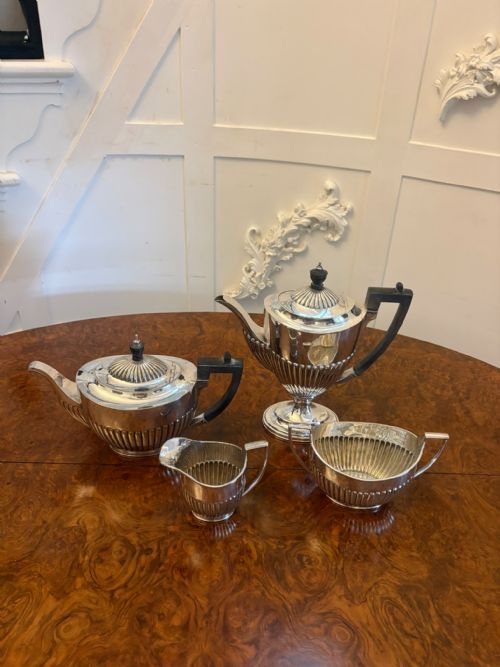
Sets frequently appear as three or four pieces comprising a teapot, milk jug and sugar basin, often accompanied by matching coffee pots, trays or spirit kettles on stands. The dominant aesthetic draws on Edwardian taste, alongside occasional echoes of late Victorian and ornate revival styles.
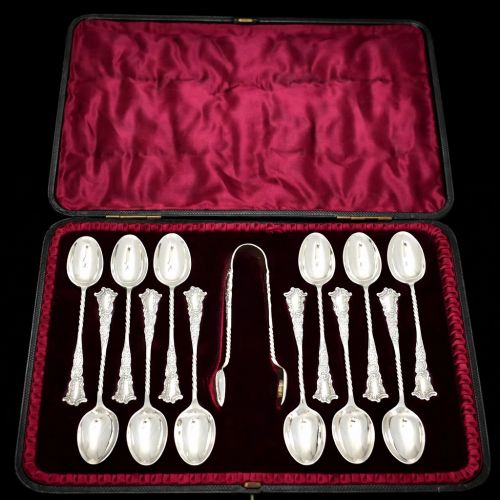
The forms range from compact domestic settings to large fitted services complete with original presentation cases. Spirit kettles and gallery trays add scale and utility to the grouping.
Materials and Construction
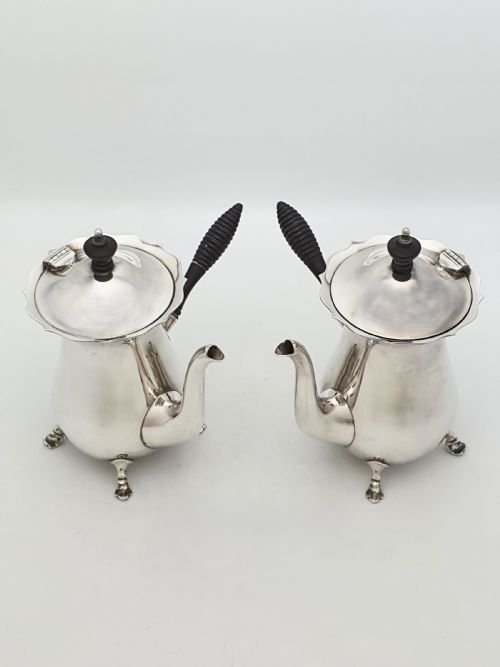
Makers utilised sterling silver and silver plate over base metals, shaping bodies through spinning, stamping and hand-raising techniques. Handles frequently incorporate insulating insulators of ebonised wood, ebony or bone to manage heat during service.
Surface ornamentation relies on crisp engraving, applied cast borders and repoussé chasing, particularly floral and grapevine motifs. Fitted wooden cases and internal frames lined with velvet or silk completed the high-grade sets.
Judging Quality
Quality rests on gauge metal thickness, the crispness of chased or engraved detail, and the integrity of hinges and handles. Substantial weight in the hand distinguishes a superior solid silver or plated service from lighter domestic wares.
Cohesion within the set matters immensely; matched components created by the same maker retain an aesthetic harmony that assembled or harlequin sets often lack. Maker marks from established silversmiths further elevate the standing of a service.
Walker and Hall·Fenton Brothers·Goldsmiths and Silversmiths Co·Harry Atkin·Mappin and Webb
The Edwardian Silver Tea Service Glossary
- Sterling silver
- A silver alloy containing 925 parts of pure silver per thousand. This standard marks solid metal items subject to official assay office hallmarking.
- Silver plate
- A layer of silver fused to a base metal core such as copper or nickel silver. Techniques include Sheffield plating and later electroplating.
- Spirit kettle
- A water kettle mounted on a metal stand above a small burner. These vessels kept water hot throughout the duration of a lengthy tea gathering.
- Repoussé
- A metalworking technique where the design is hammered into relief from the reverse side. This creates tactile, three-dimensional surface decoration.
- Hallmark
- An official stamp or series of marks applied to precious metals. It indicates the standard of purity, the assay office, and the year of manufacture.
Edwardian Silver Tea Service: Frequently Asked Questions
What pieces comprise a complete set?
A standard service typically includes a teapot, a cream jug and a sugar basin. Larger suites expand this core group to incorporate a coffee pot, hot water kettle on a stand, and a matching serving tray.
Complete sets often arrive in fitted timber presentation cases designed to house every individual component securely.
How do I distinguish solid silver from plate?
Solid sterling silver pieces bear official hallmarks stamped into the metal, indicating the purity standard and assay office. Silver plate items carry maker-specific marks denoting electroplate or Sheffield plate over a base metal.
Weight and wear patterns also offer clues, as plated pieces may reveal the underlying base metal where friction occurs over decades of use.
How were these services used historically?
Hosts utilised these vessels during afternoon tea and formal breakfast or evening gatherings in Edwardian drawing rooms. The hostess presided over the service, brewing and pouring tea while attendants passed milk and sugar.
Spirit kettles provided a continuous supply of boiling water without requiring trips back to the kitchen hearth.
How should I clean silver plate?
Use a specialised, non-abrasive silver polish applied with a soft cloth to remove tarnish gently. Avoid harsh chemical dips, which can strip away thin plating layers and damage ebonised wood or bone handle insulators.
Wash components in warm soapy water and dry them thoroughly with a lint-free cloth after polishing.