
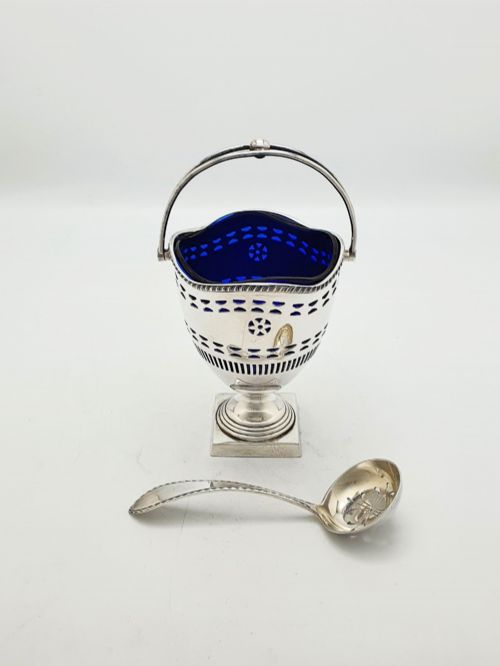


Edwardian Silver Sifter
These edwardian silver sifter pieces bring pierced elegance to the table, offering both decorative grace and practical service for finer dining rituals.
Edwardian Silver Sifter
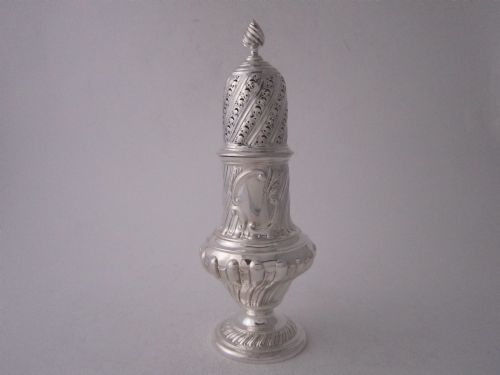
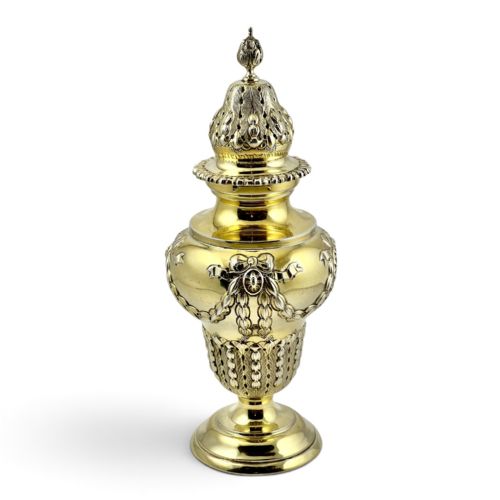
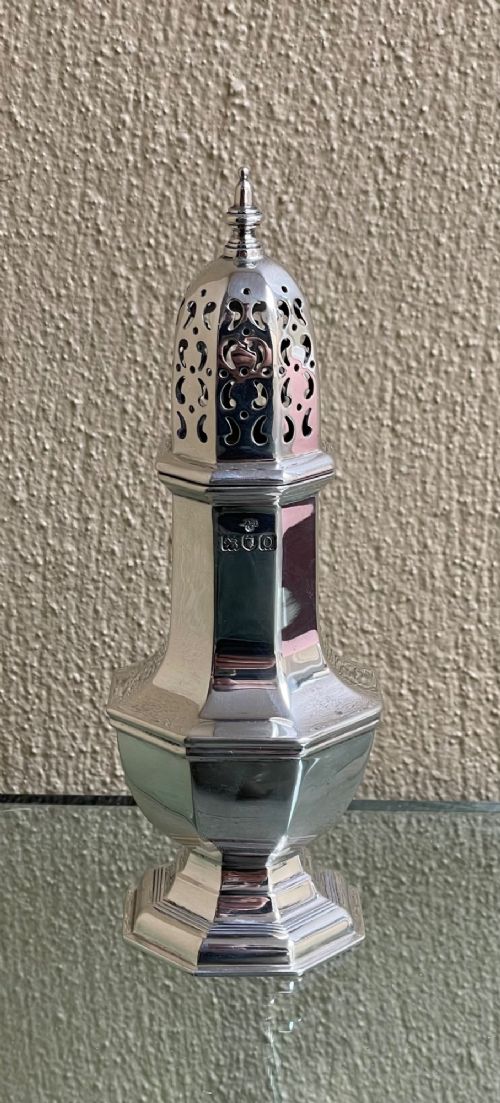
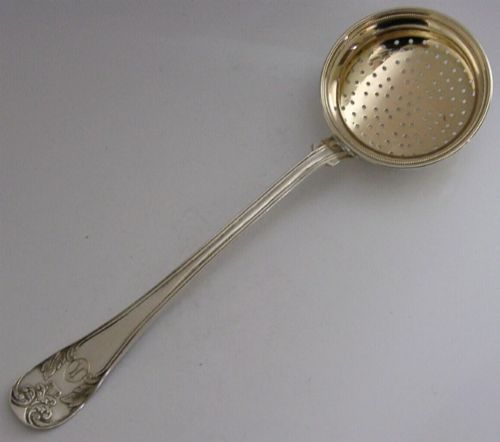
When you search for an edwardian silver sifter, you encounter tall sugar casters, tabletop shakers, and pierced serving spoons designed for powdering fine sugar over desserts.
The selection ranges from solid sterling silver vessels to silver plate and silver gilt examples, frequently accompanied by contrasting cobalt or green glass liners.
While Edwardian pieces dominate the records, items span from Victorian beginnings through to later Art Deco and Georgian Revival interpretations.
Materials and construction
Silversmiths utilised sterling silver and silver plate alongside specialist components such as gold gilt interiors, velvet linings, and contrasting cobalt or green glass inserts.
Decorative work combined fine piercing with traditional silversmithing techniques, occasionally incorporating organic forms like nautilus shells or natural stones like Scottish agate.
Materials across the inventory include solid silver, silver plate, silver gilt, cobalt glass, and Scottish agate.
Factors of quality
Superior examples show crisp, clean piercing in the dome and substantial weight in the body, whereas lesser pieces rely on thin gauge metal that feels light in the hand.
The integration of original fitted presentation boxes and intact coloured glass liners elevates a piece above standard examples lacking these supplementary elements.
Barker Brothers·Roberts And Belk·Aspreys
The Edwardian Silver Sifter Glossary
- Caster
- A small tabletop container with a pierced lid used for sprinkling sugar or spices. These vessels typically feature a slip-on or screw-fit top adorned with geometric or floral perforations.
- Silver Gilt
- Silver that has been coated with a thin layer of gold on its surface. This technique imparts a warm interior glow and protects the metal from certain types of tarnish.
- Silver Plate
- A base metal foundation covered with a thin layer of pure silver. This method allowed makers to produce impressive tableware at a more accessible cost point.
- Pierced
- Metalwork decorated by cutting or punching holes through the surface to create intricate patterns. On sifters, this technique forms the functional holes through which sugar passes.
- Liners
- Inserts made from coloured glass fitted inside open silver baskets or bowls. They protect the silver from acidic contents and provide a vibrant visual contrast.
Edwardian Silver Sifter: Frequently Asked Questions
What is an edwardian silver sifter used for?
These pieces were designed to sprinkle powdered or caster sugar over desserts, fruits, and pastries at the dining table.
They served both a functional role in fine dining and a decorative purpose as part of a formal table setting.
How do I clean my silver sifter?
Wash the silver gently in warm soapy water using a soft cloth, avoiding harsh abrasive dips that can damage gilt surfaces.
Dry thoroughly with a lint-free cloth to maintain the shine and protect any glass liners or delicate stones.
How can I tell an Edwardian piece from a Victorian one?
Makers' marks and date letters stamped into the silver provide the exact year and office of assay for most items.
Stylistic shifts also offer clues, moving from heavier Victorian ornamentation towards lighter, garland-heavy Edwardian aesthetics.
Why do some sifters have glass liners?
Glass liners protected the silver metal from corrosive food acids, particularly when serving damp fruits or moist items.
Cobalt and green glass liners also provided a striking visual contrast through the pierced silver work.