




Edwardian Silver Plated Tray
An edwardian silver plated tray brings formal hospitality into daily use with pierced galleries and engraved surfaces.
Forms and Origins
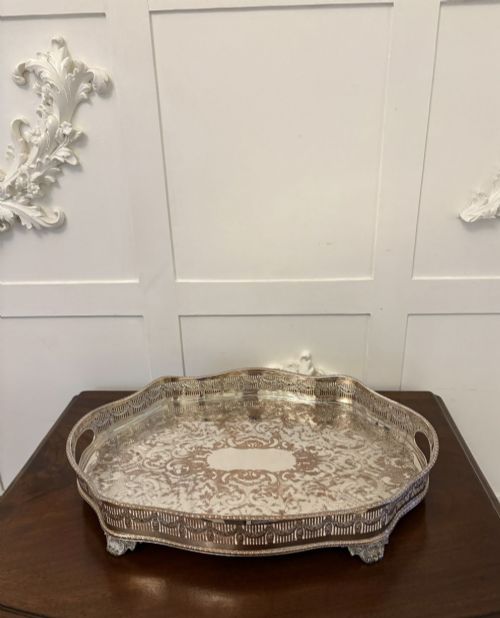
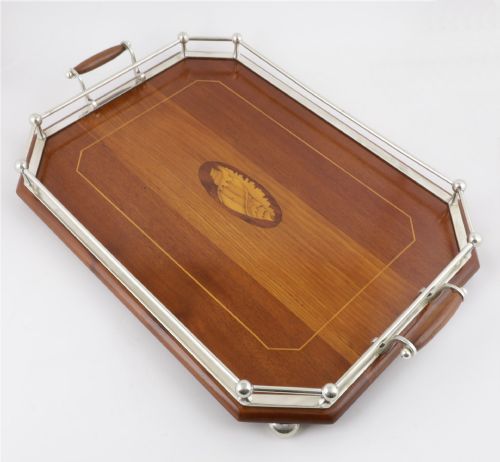
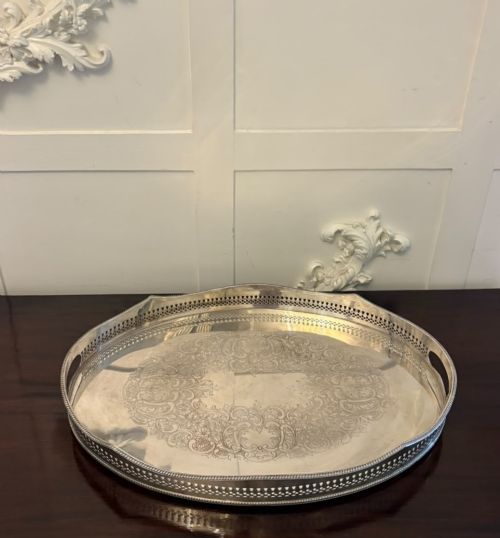
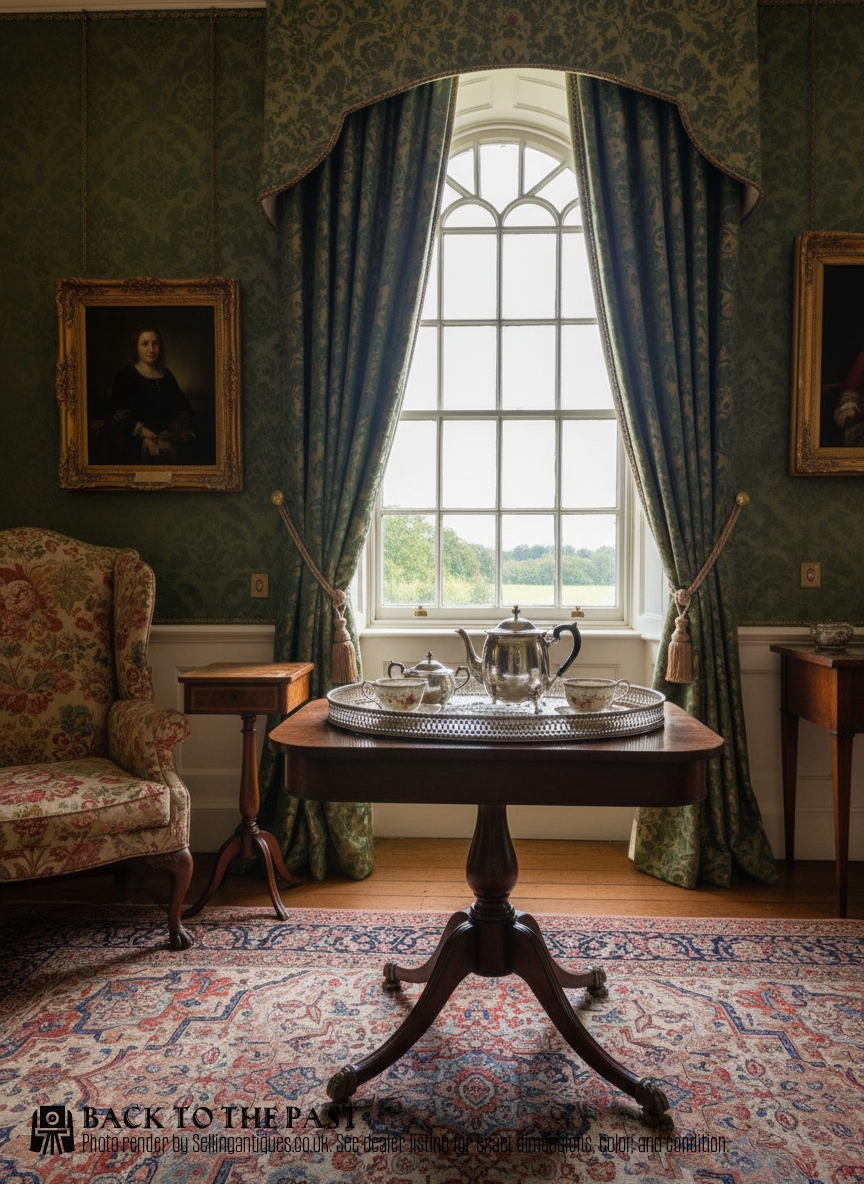
An edwardian silver plated tray encompasses serving pieces produced during the early twentieth century, spanning tea trays, cocktail trays, and galleried serving dishes. These items often feature shaped edges, handles, and occasional combinations with ebonised wood or oak.
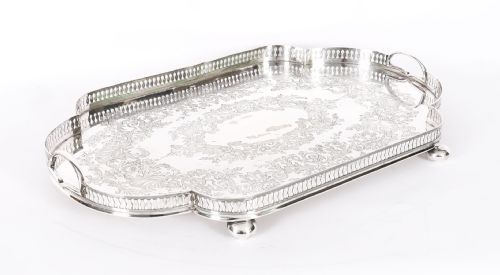
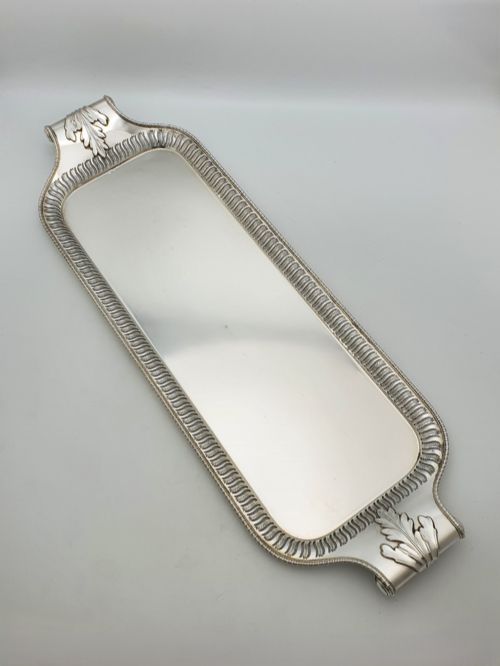
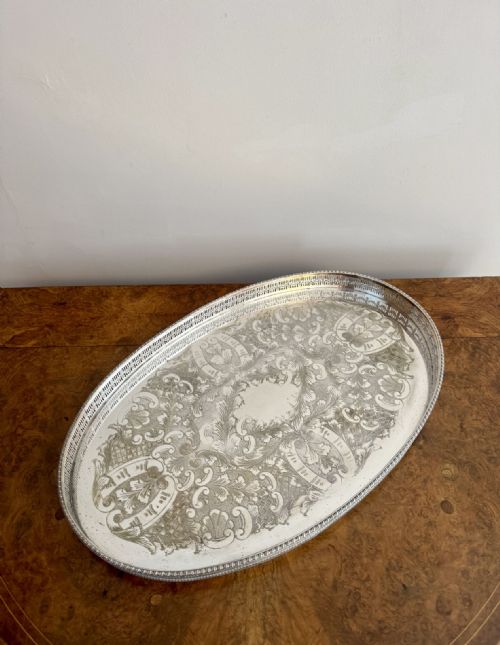
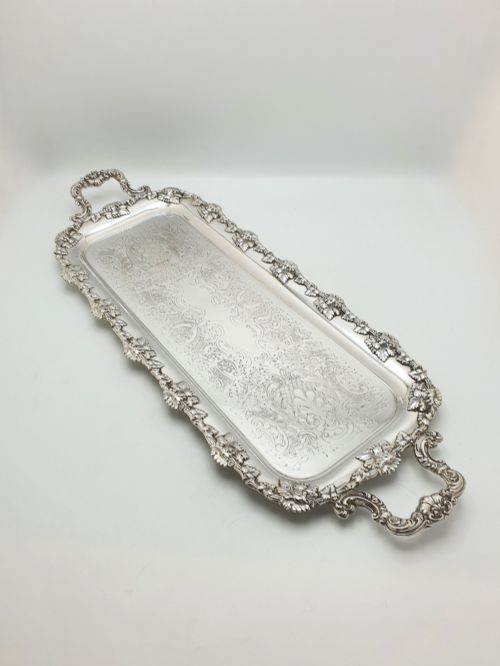
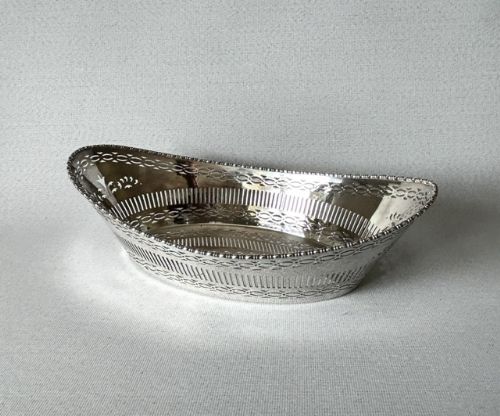
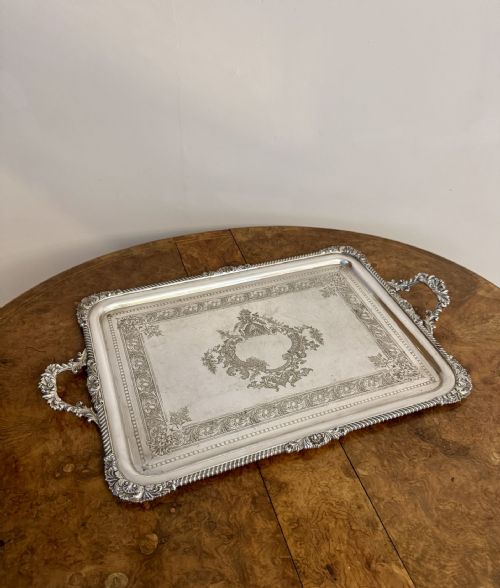
The oval tea tray with a pierced gallery dominates the surviving selection, alongside circular cocktail trays and rectangular serving dishes. Makers utilised electroplated nickel silver to replicate the weight and appearance of solid silver for middle-class drawing rooms.
Materials and Technique
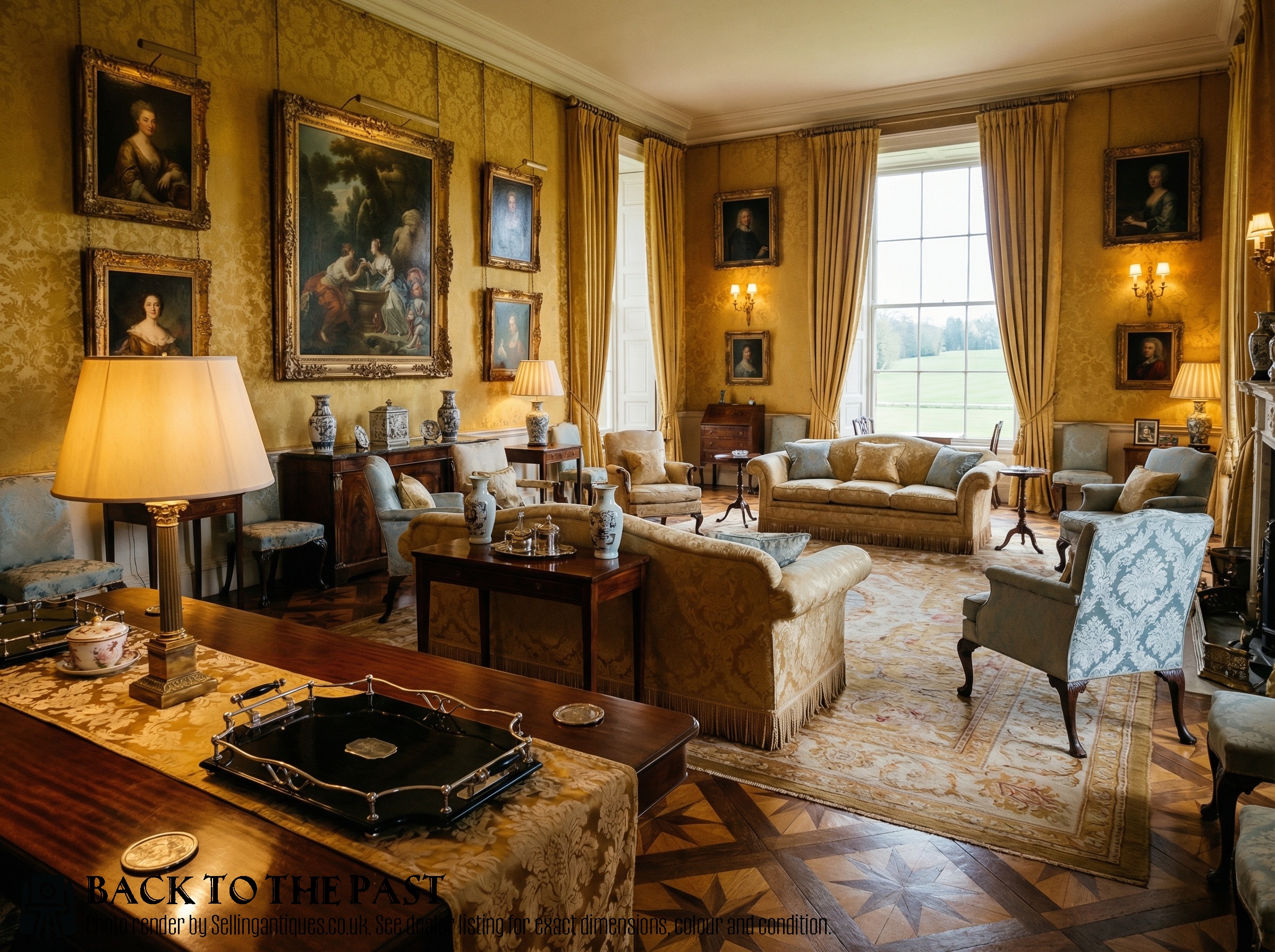
Silver plate relies on electroplated nickel silver, known as EPNS, depositing a layer of silver over a base metal core. Workshops also integrated ebonised wood for contrast, particularly in gallery frames and handles.
Engraving and piercing required skilled hand finishing on top of stamped or cast metal blanks. Makers added pierced galleries around flat plates, securing them with solder and small pins.
Retail Price Guide 2026
Typical UK retail prices for edwardian silver plated tray, calculated from the Sellingantiques database of over a million retail prices indexed since 2003. This retail price guide relies exclusively on Sellingantiques data; no external sources or auction records are used, so the figures do not describe the wider market.
Asparagus dishes arrived on the Edwardian table alongside tea trays, demanding dedicated silver plated troughs for individual spears.
Distinctions in Execution
Depth and crispness of hand engraving separate standard production from superior pieces, where foliate scrolls and central reserves show distinct tool marks rather than shallow press work. The rigidity of the gallery rail and the neatness of pierced apertures indicate the maker's investment of labour.
Weight distribution and handle attachment govern durability in daily use, distinguishing robust hotel-grade or substantial domestic pieces from lighter variants. The evenness of the silver plating over the nickel silver base dictates long-term resilience.
Walker & Hall·Atkins Brothers
The Edwardian Silver Plated Tray Glossary
- EPNS
- Electroplated Nickel Silver. This material forms the base metal body beneath the silver coating.
- Gallery
- An upright pierced or pierced and engraved metal rim surrounding the edge of a tray. It keeps decanters and glasses secure during transport.
- Salver
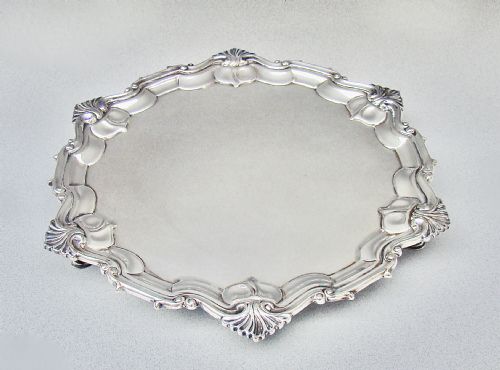
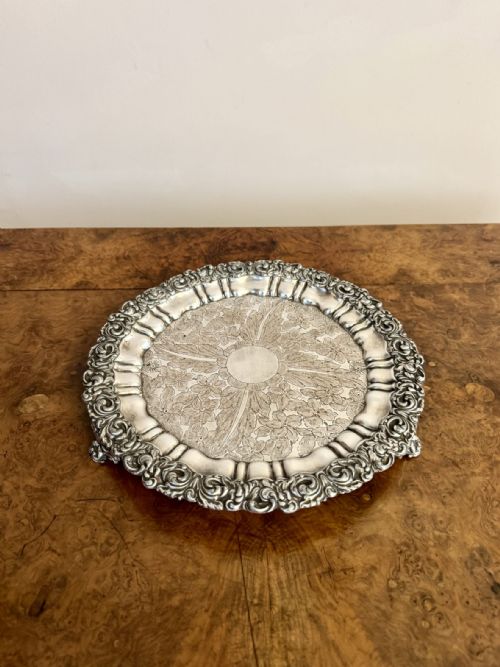
- A flat serving vessel, typically circular and raised on small feet. It functions for drinks and small items rather than tea services.
- Ebonised wood
- Timber treated to resemble ebony. It appears in handles and base borders for visual contrast.
Frequently Asked Questions
How do I clean silver plate?
Use a soft cloth and a dedicated silver cream designed for plated items. Avoid abrasive cloths that strip the thin silver layer.
Wash in warm soapy water and dry immediately to prevent water spots on the engraved surface.
Were these used for tea?
Tea service formed the primary domestic purpose for large oval trays during the Edwardian period. They held teapots, cream jugs, and sugar basins.
Smaller circular versions accommodated decanters and glasses for evening drinks.
Can I use them daily?
Silver plate withstands regular service if handled without abrasive scourers or harsh chemicals. Store them away from damp environments to protect the base metal.
Use soft liners if placing heavy glass decanters on the plate.