



Edwardian Silver Plated Tableware
Edwardian silver plated tableware brings functional elegance to the dining table through durable base metals coated in bright silver.
Edwardian Silver Plated Tableware
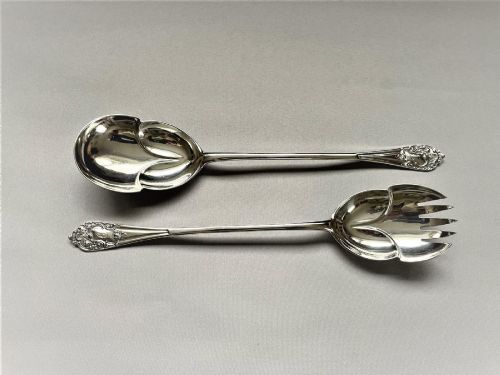
Edwardian silver plated tableware covers a broad range of dining accessories designed for formal and casual meals alike. The pieces on this page span from nineteenth century styles into the early decades of the twentieth century, with a strong representation of Edwardian craftsmanship.
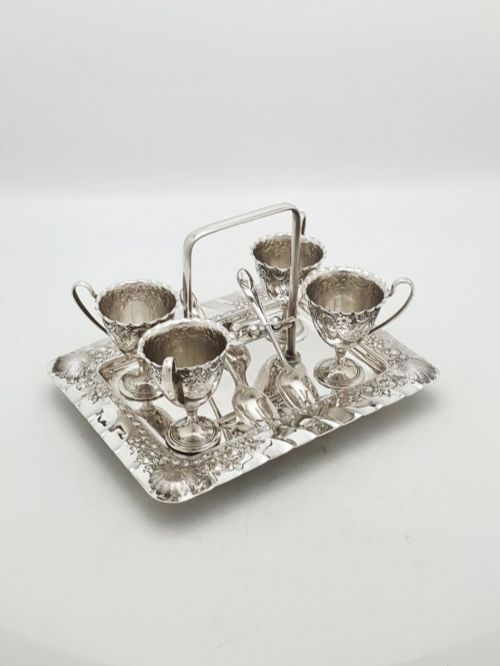
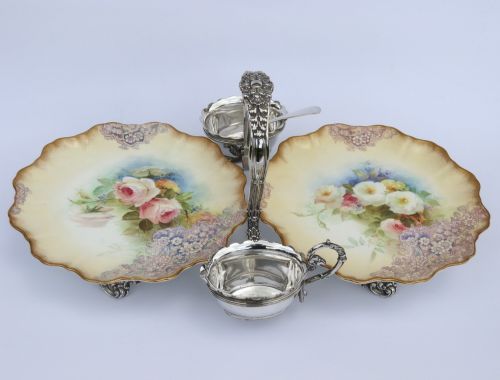
Buyers encounter items intended for specific culinary tasks, including tea sets, toast racks, biscuit barrels, and cruet sets. Many objects combine silver plate with cut glass, ceramic liners, or wood to achieve practical utility and decorative appeal.
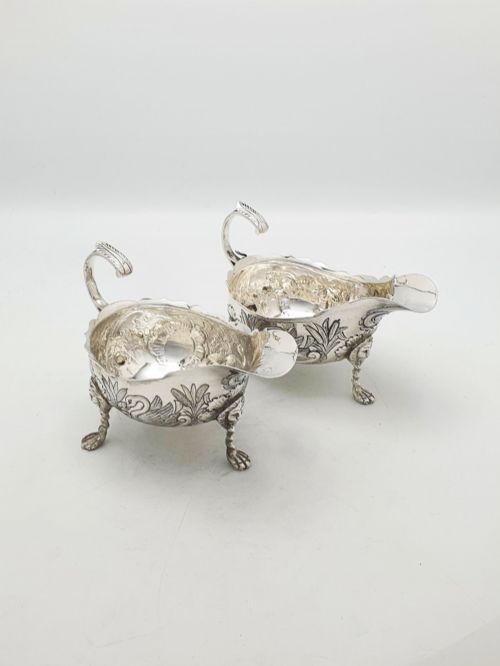
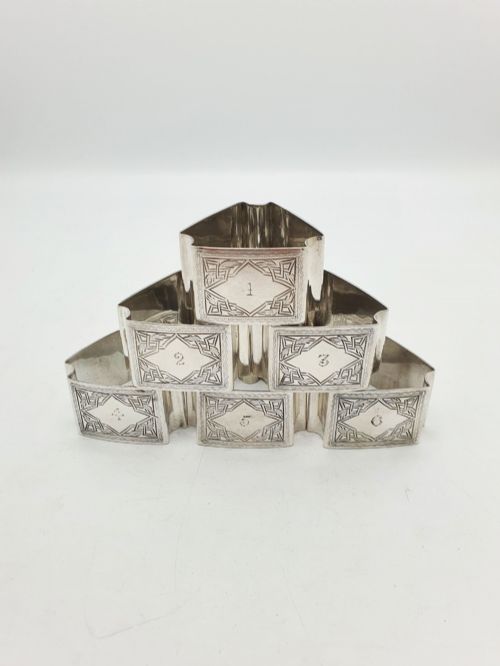
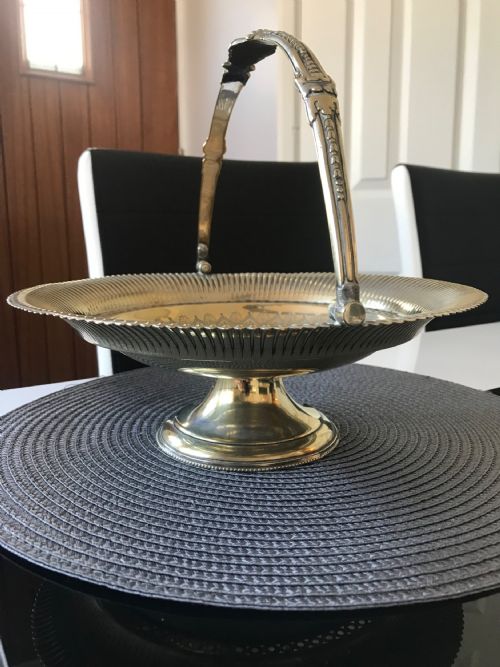
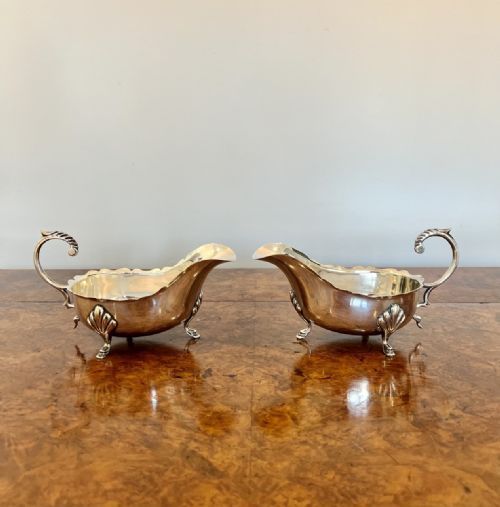
The selection reflects both domestic dining habits and specialised serving customs of the period. Sets of napkin rings, sauce boats, and fruit baskets demonstrate the variety of metalwork produced for contemporary households.
Materials and technique
Manufacturers typically utilised electroplated nickel silver as a durable base metal for shaping bodies and mounts. This technique allowed workshops to apply a uniform coating of silver over robust alloy foundations, ensuring both strength and visual brilliance.
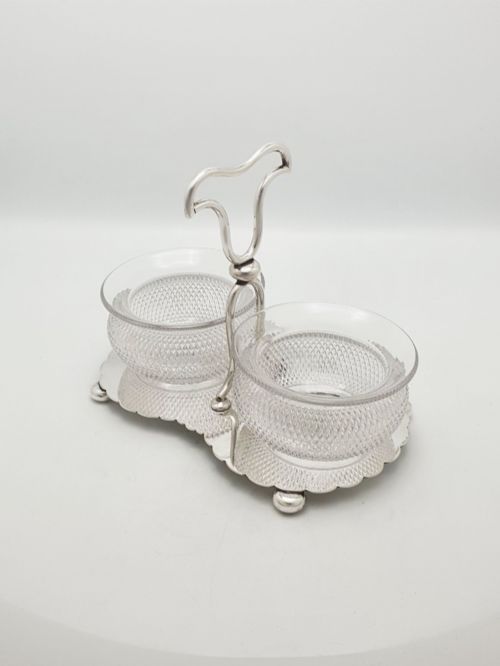
Glass components, including cut glass inserts and cranberry glass bodies, frequently accompany the metal elements in biscuit barrels and condiment stands. Artisans secured these glass inserts within pierced or embossed silver plated frames.
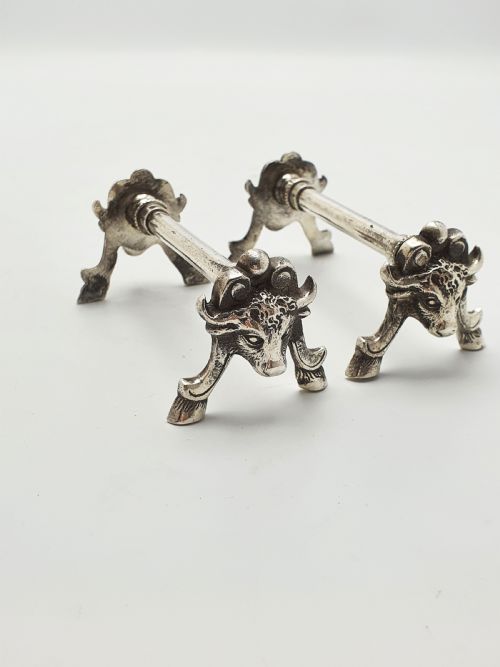
Additional materials such as mother of pearl, velvet, and ceramic appear in specific categories like knife rests and food warmers. These mixed media constructions highlight the diverse assembly methods employed by period makers.
Edwardian Silver Plated Tableware Retail Price Guide 2026
Typical asking prices for edwardian silver plated tableware among the pieces listed under this phrase on Sellingantiques today, from the lower quarter to the upper quarter. They describe what is for sale here now, not the wider market.
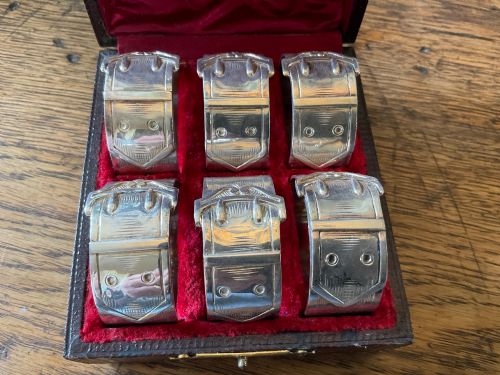
Lobster picks and belt buckle napkin rings prove that Edwardian dining accessories could be wonderfully specific.
Standards of execution
The degree of crispness in embossed decoration and piercing defines the visual standard of these items. Workshops that invested greater labour into hand-chased details produced pieces with sharply defined motifs and balanced proportions.
The choice of supplementary materials also marks the division between standard and superior production. High quality examples incorporate heavy gauge metal bases, well fitted glass liners, and robust hinge mechanisms that withstand repeated use.
Walker and Hall·Asprey and Co·Harrods·Hamilton and Inches·Doulton Burslem
The Edwardian Silver Plated Tableware Glossary
- Electroplated nickel silver
- A base alloy of copper, nickel, and zinc coated with a layer of pure silver through an electrolytic process. This method became the standard industrial practice for producing durable tableware.
- Biscuit barrel
- A covered container designed specifically for storing dry biscuits or crackers on the dining or drawing room table. They often feature glass or ceramic bodies housed within decorative metal frames.
- Cruet set
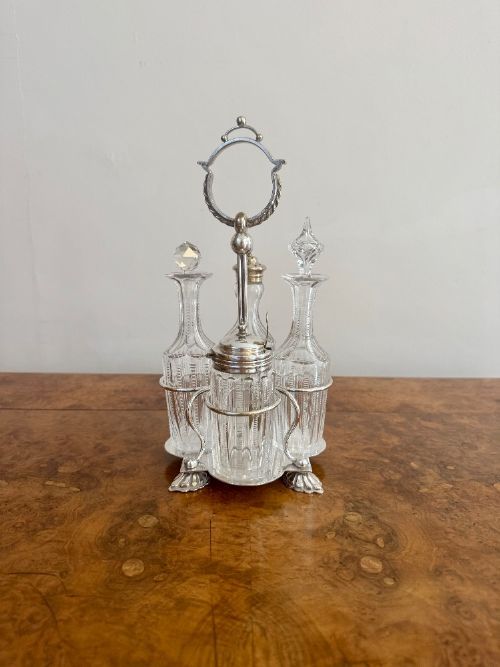
- A matched collection of bottles, jars, or cruets holding condiments and sauces, held together in a metal stand. These sets sat at the centre of the table for easy access during meals.
- Toast rack
- A small metal frame fitted with upright dividers to hold slices of toast upright and prevent them from becoming soggy. They remain a practical accessory for breakfast service.
- Sauce boat
- A small pitcher or boat shaped vessel designed for serving gravies and sauces, usually accompanied by a matching undertray. They often feature an integrated handle and a shaped pouring lip.
Edwardian Silver Plated Tableware: Frequently Asked Questions
What is Edwardian silver plate?
Edwardian silver plate refers to dining accessories produced during the reign of King Edward VII that feature a thin layer of silver bonded to a base metal. These items offered households the appearance of solid silver at a more accessible cost.
Craftsmen utilised electroplating techniques to coat durable metals like nickel silver, creating items that survived daily domestic use while maintaining a bright metallic finish.
How were cruet sets used?
Cruet sets held essential condiments such as oil, vinegar, salt, pepper, and mustard during formal meals. Diners could easily season their food without needing to pass multiple individual containers across the table.
The sets typically sat on a dedicated metal stand featuring a central carrying handle, allowing servants or hosts to transport the entire collection between the sideboard and the dining table.
How do I clean silver plate?
Cleaning silver plate requires gentle care to preserve the delicate metallic coating over the underlying base metal. Regular wiping with a soft, dry cloth helps maintain the shine without causing abrasion.
Harsh chemical dips and aggressive scrubbing should be avoided because they can strip away the thin silver layer over time. Specialist silver polishes formulated for plated items offer a safe method for removing tarnish.
Can I use these items daily?
Many Edwardian plated items remain robust enough for regular use in modern dining settings. Pieces like toast racks, napkin rings, and sauce boats function just as well today as they did a century ago.
Careful hand washing and prompt drying will protect the plated surfaces and any integrated glass or ceramic components from unnecessary wear and tear.