

Edwardian Silver Plate Stand
When searching for an edwardian silver plate stand, collectors discover practical table accessories and display pieces that bring period elegance to modern dining rooms.
Edwardian Silver Plate Stand
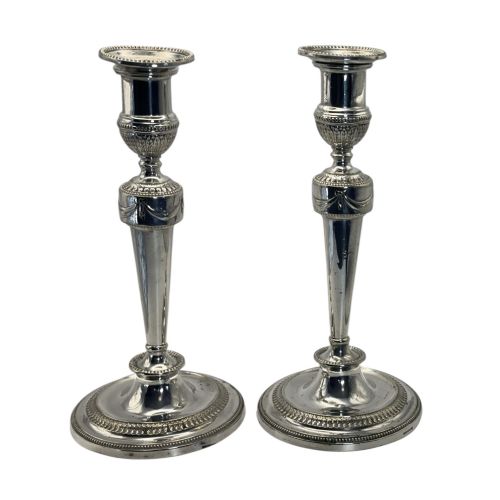
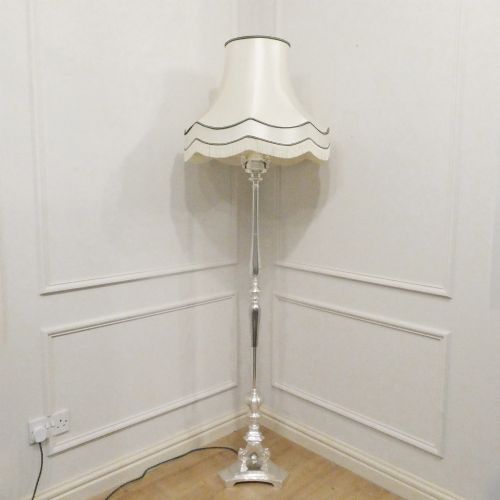
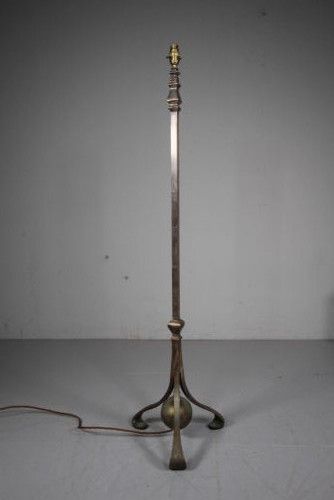
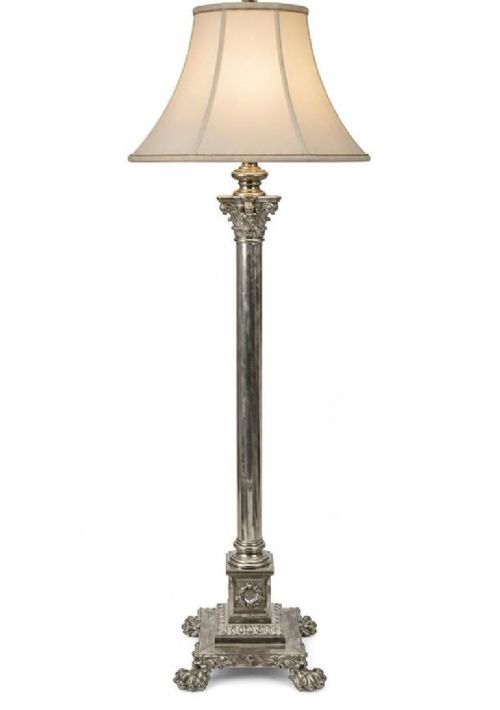
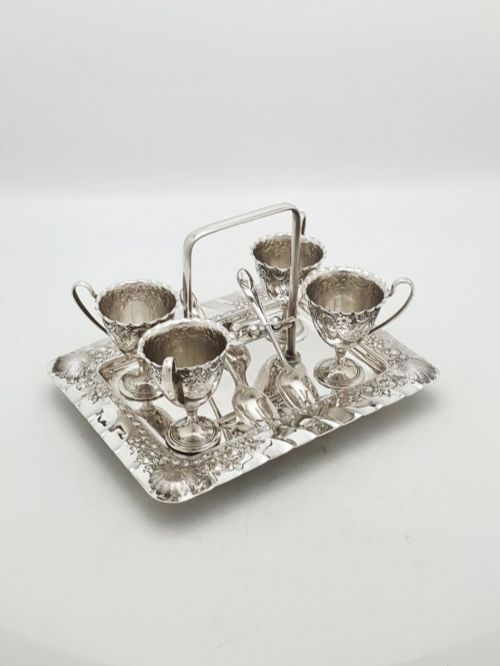
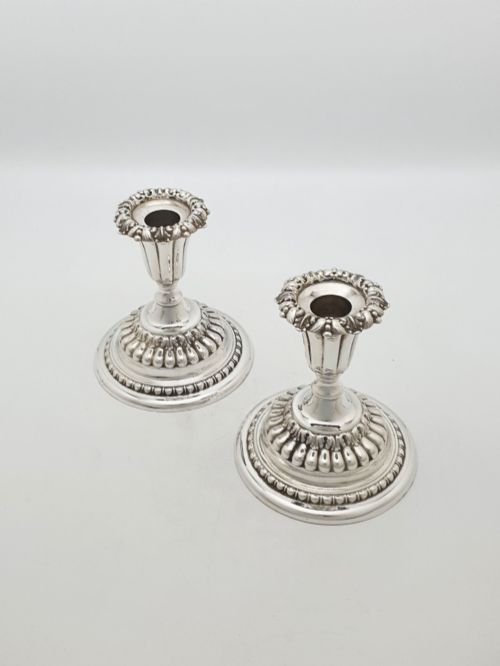
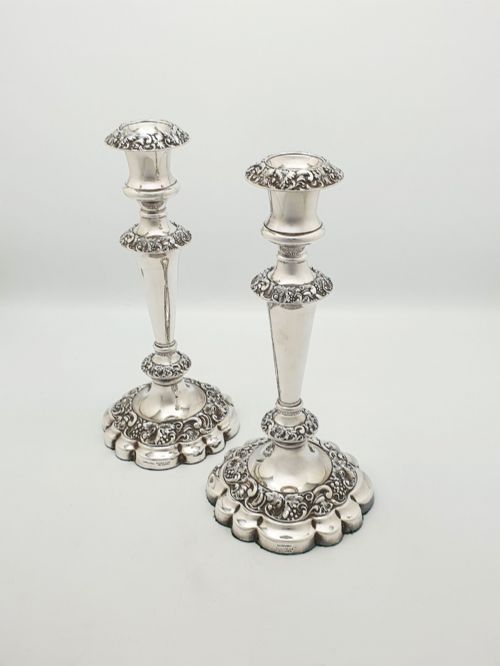
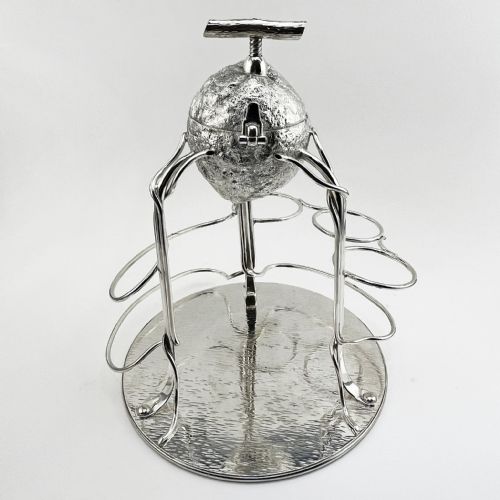
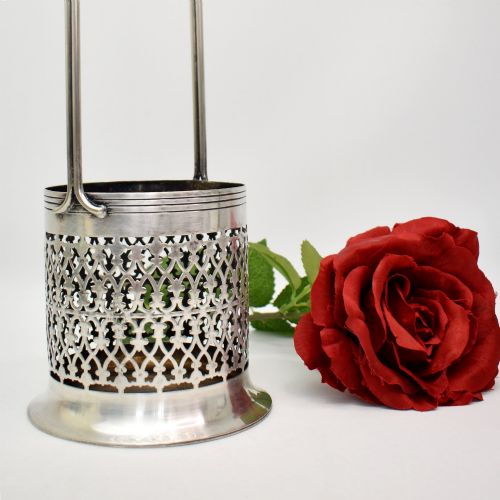
The term edwardian silver plate stand covers a diverse group of domestic metalwork designed for dining, lighting, and desk use during the early twentieth century. Buyers encounter everything from tall floor lamps and spirit kettles on frames to cruet sets and cake stands produced around nineteen hundred.
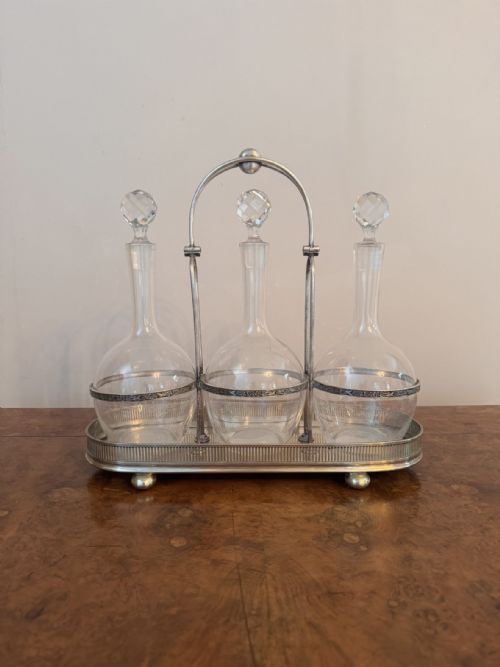
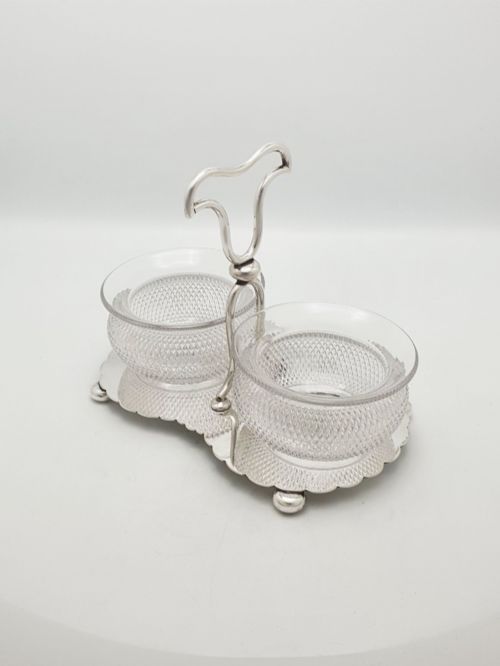
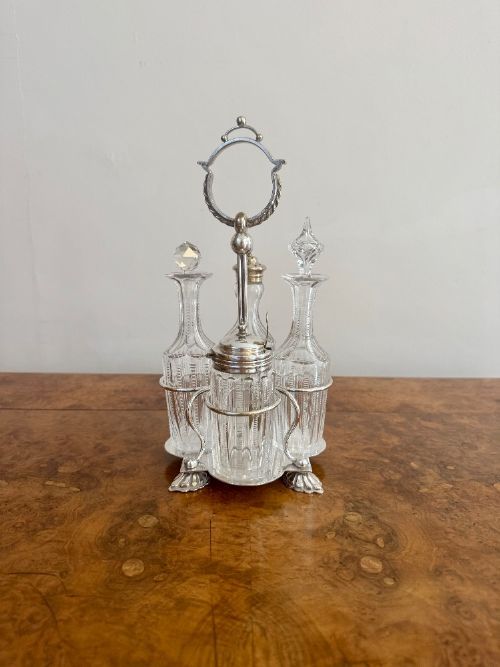
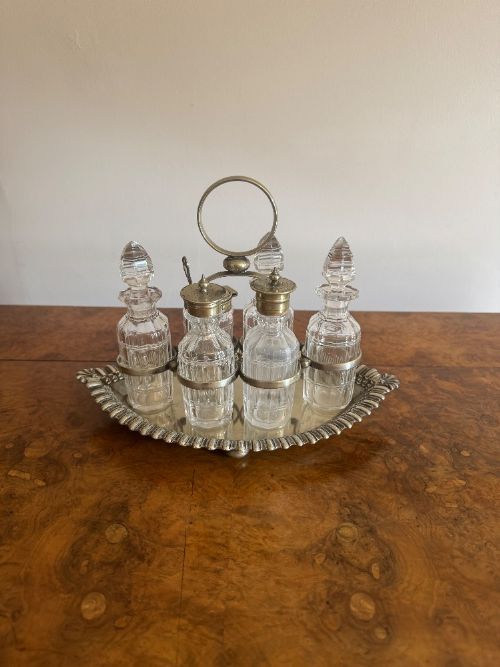
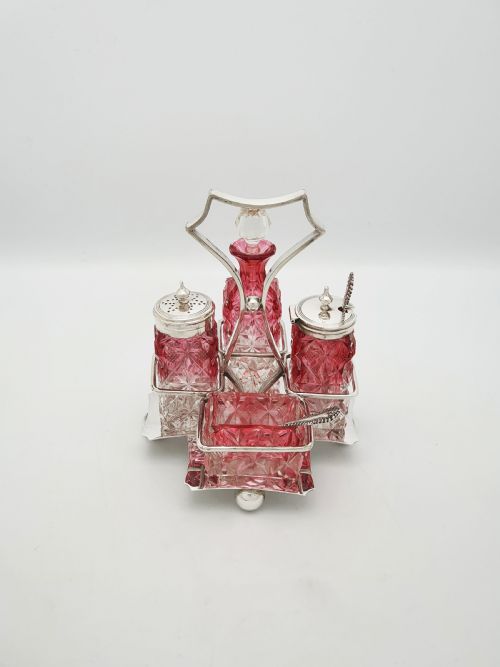
Cruet sets, condiment holders, and spirit kettles represent the most frequent forms seen within this category, often incorporating original glass elements. These table wares reflect the formal dining habits of the period, providing functional elegance for condiments, tea service, and beverages.
Materials and manufacturing techniques
Maker workshops utilised electroplated nickel silver as a base metal, applying a durable layer of silver over brass or other alloys to achieve a bright finish. This technique allowed intricate embossing, piercing, and reticulation without the heavy cost of solid silver.
Combinations of silver plate with cut glass, cranberry glass, vaseline glass, and amber glass define many pieces in this category. Wood components such as mahogany and oak also appear in bottle holders, coasters, and tantalus frames, adding textural contrast to the metalwork.
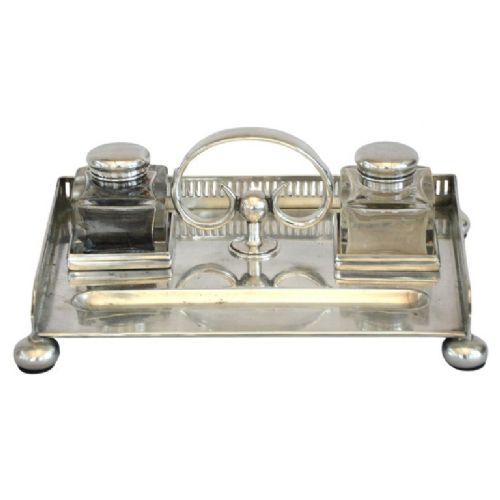
Object types documented in this category include cruet sets, spirit kettles, floor lamps, wine coasters, cake stands, and ink stands.
Distinctions in craftsmanship and design
The weight of the base metal and the crispness of embossed or pierced decoration distinguish superior examples from standard production items. Pieces with fully intact original glass inserts and functional mechanical elements, such as adjustable frames or spirit burners, demonstrate higher manufacturing standards.
Attribution to documented makers such as Mappin and Webb or Walker and Hall elevates a piece through superior finishing and maker marks. Overall condition of the silver plating and the absence of heavy wear reveal how carefully an item has been preserved.
Mappin & Webb·Walker And Hall·Hukin & Heath·Brook & Son Edinburgh·Doulton Burslem
The Edwardian Silver Plate Stand Glossary
- Electroplated nickel silver
- A base metal alloy coated with a layer of pure silver through an electrolytic process. This method became the standard industry practice for producing durable domestic tableware during the Victorian and Edwardian eras.
- Cruet set
- A matched assembly of small glass bottles or jars mounted on a dedicated metal frame. These sets held condiments like oil, vinegar, salt, and pepper for table service.
- Spirit kettle
- A water kettle mounted on a metal stand above a small burner. They were used to heat water at the tea table during formal afternoon gatherings.
- Tantalus
- A locking wooden or metal frame that holds decanters securely while displaying the contents. The design prevents unauthorized access to the liquor bottles inside.
- Reticulation
- An openwork pattern created by piercing or cutting decorative designs into sheet metal. This technique lightened the visual weight of cake stands and baskets.
Edwardian Silver Plate Stand: Frequently Asked Questions
How do I clean an edwardian silver plate stand safely?
Use a soft cloth and a gentle silver polish formulated specifically for plated items to maintain the metallic lustre. Avoid harsh abrasive cleaners that can wear away the thin silver layer over the base metal.
Take extra care around soldered joints and engraved details where residue can accumulate. Wash glass components separately in warm soapy water before reassembling them on the frame.
Were spirit kettles used on the dining table?
Spirit kettles were primarily utilised during afternoon tea service in drawing rooms rather than formal dining tables. The small burner beneath the kettle kept water hot for continuous tea pouring.
Guests would sit around low tables while the hostess operated the kettle on its stand. They remain decorative additions to sideboards and tea stations today.
How do I identify edwardian silver plate?
Look for manufacturer hallmarks and stamps hidden along the rims or bases of the metal frame. These marks often indicate the plating technique or the specific maker workshop responsible for production.
The style of decoration, such as Neoclassical revival motifs or subtle floral embossing, also points toward the early twentieth century aesthetic.
Can I use original glass inserts daily?
Original glass inserts such as cut glass cruet bottles and cranberry glass bowls can be utilised carefully for modern dining. Hand washing in lukewarm water preserves the antique glass without thermal shock.
Inspect the rims and bases for tiny chips before use, as antique glass is more delicate than contemporary tableware. Displaying them away from direct heat sources ensures their continued preservation.