




Edwardian Silver Plate Dish
An edwardian silver plate dish brings practical elegance to the dining table, combining sturdy base metals with bright metallic surfaces for everyday dining or formal display.
Edwardian Silver Plate Dish
A search for an edwardian silver plate dish reveals an array of serveware designed for formal dining tables, breakfast spreads, and afternoon tea service.
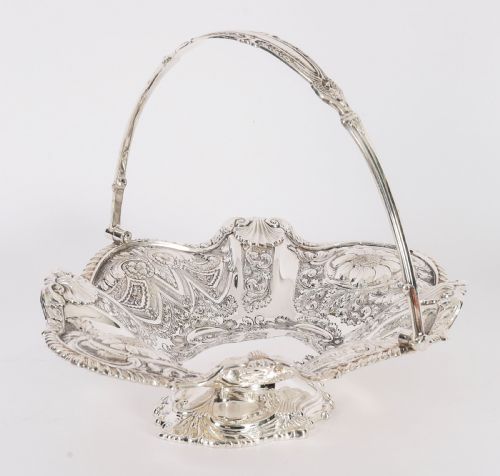
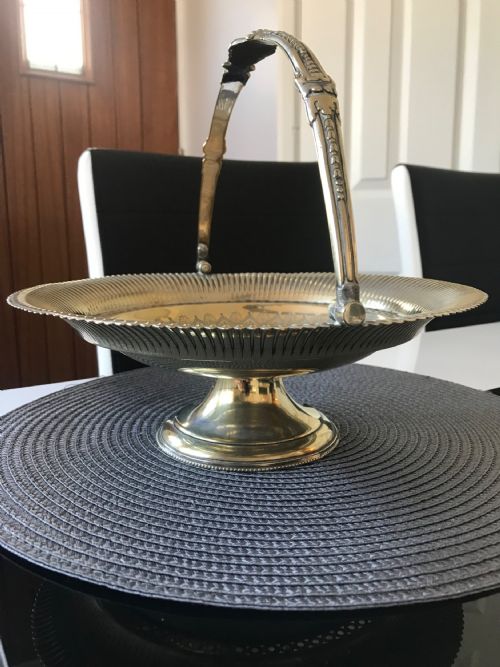
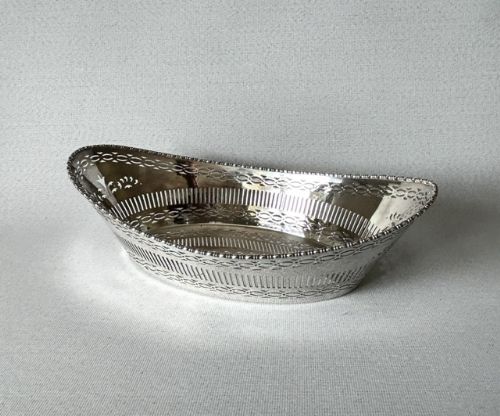
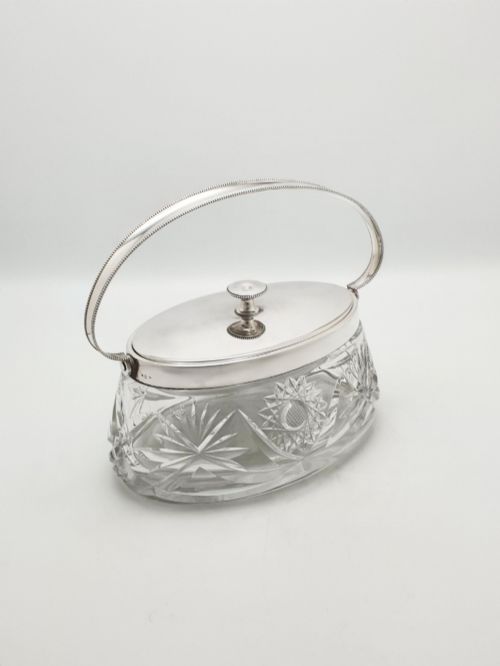
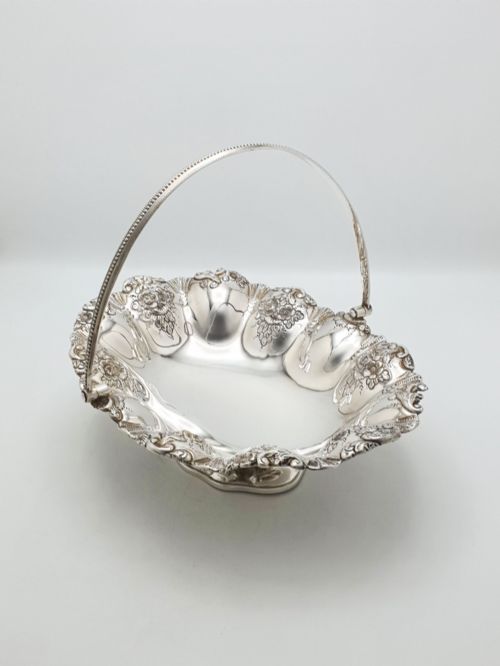
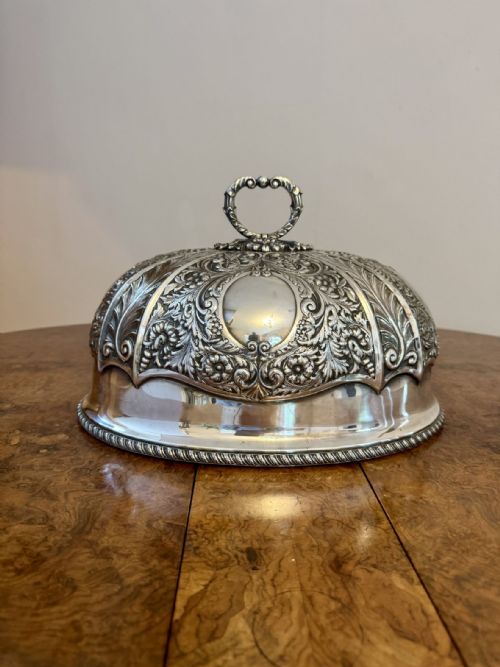
The objects span practical forms such as entree dishes, entree tureens, cake baskets, fruit bowls, condiment stands, and preserve holders originating from the late nineteenth and early twentieth centuries.
Buyers encounter distinct vessels including sardine dishes, nut bowls featuring squirrel motifs, butter dishes, and warming trays created for domestic hospitality.
Materials and Construction Techniques
Items on this page rely on silver plate and electroplated nickel silver, often abbreviated as EPNS, bonded to a durable white metal base.
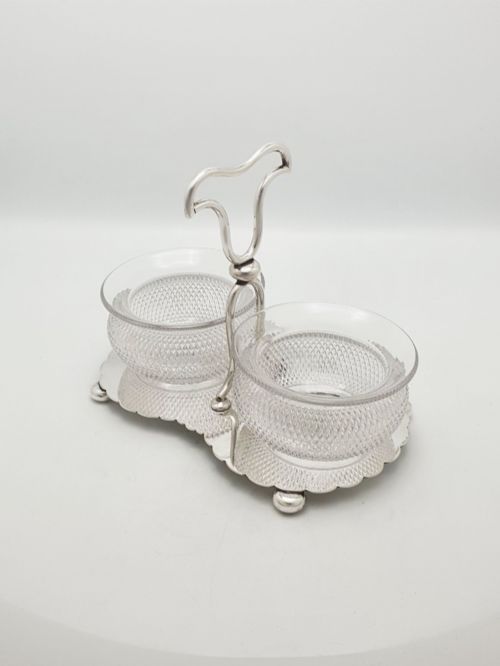
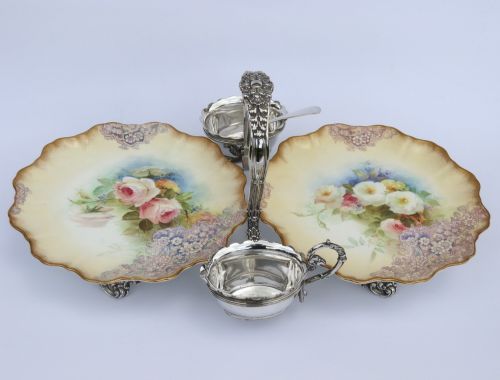
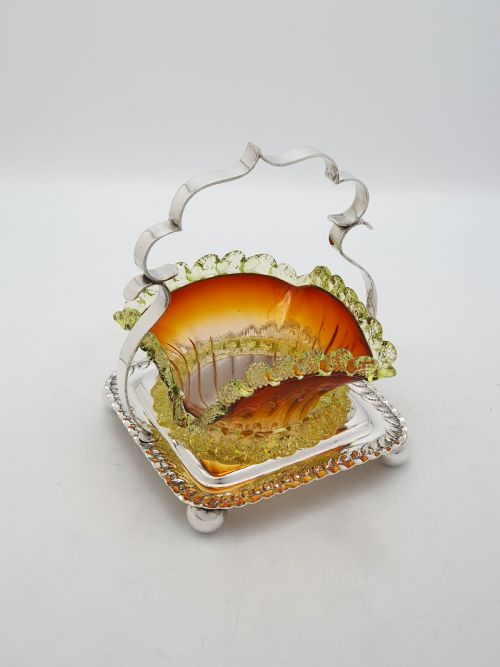
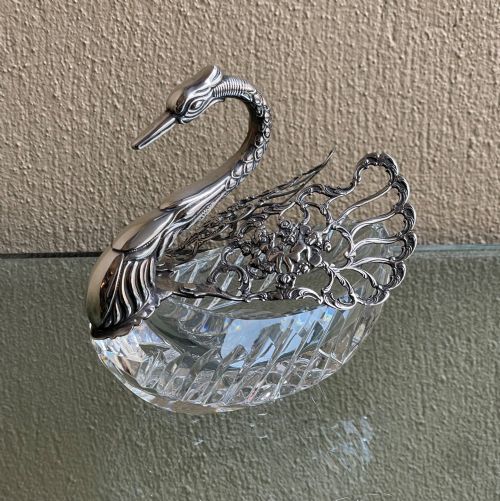
Glass liners in ruby, cranberry, amber, vaseline, and cut crystal sit inside pierced or repoussé metal frames, occasionally accompanied by ceramic elements from potteries like Doulton Burslem.
Decoration includes floral repoussé rims, swing handles, reeded borders, and neoclassical styling applied by leading makers of the era.
A metal squirrel nibbling on a nut sits atop several Edwardian dishes, guarding the contents.
Distinctions in Quality
Quality rests upon the weight and thickness of the underlying metal, the crispness of chased or repoussé ornamentation, and the durability of the original plating.
Pieces bearing the marks of prominent firms demonstrate superior finishing on hinges, handles, and internal framing compared to anonymous factory output.
The integrity of fitted glass inserts, such as cranberry or cut glass liners, and the survival of original matching spoons or stands elevate individual items.
George W. Scott And Sons Ltd·Mappin And Webb·Walker And Hall·Elkington·Thomas Bradbury·Asprey And Co·Hamilton And Inches·WMF
The Edwardian Silver Plate Dish Glossary
- Electroplated Nickel Silver
- A manufacturing process where a thin layer of silver is deposited onto a nickel silver alloy base via electrolysis. This method became standard for durable tableware during the Victorian and Edwardian periods.
- Repoussé
- A metalworking technique where the artisan hammers the design from the reverse side to form raised decorative reliefs on the surface. It is frequently seen on rims and borders.
- Entree Dish
- A covered serving vessel used for presenting hot meats or vegetables at the dining table. Many examples feature removable handles that convert lids into secondary serving platters.
- Cloche
- A bell-shaped cover used to retain heat over food dishes on the sideboard or table. These items are typically paired with matching serving trays or warmers.
- Vaseline Glass
- A type of glass coloured with uranium oxide that emits a distinct greenish-yellow glow under ultraviolet light. It appears frequently in Edwardian basket liners and bowls.
Edwardian Silver Plate Dish: Frequently Asked Questions
How were silver plate dishes used?
These vessels served functional roles in formal households, holding everything from morning butter and sardines to evening entree courses and post-dinner nuts.
Hosts utilised warming stands with heated water compartments to keep food at temperature during long dining rituals.
How do I clean my dish?
Maintenance requires gentle washing with warm soapy water and a soft cloth to protect the thin silver coating from abrasive wear.
Specialist silver polishes should be used sparingly and only when necessary to preserve the underlying nickel base.
Can I use these for daily dining?
Most pieces remain robust enough for regular service, provided acidic foods are not left in contact with the metal for extended periods.
Glass inserts protect the metal plating from preserves, fruits, and condiments during normal use.
How do I date an Edwardian piece?
Dating relies on stylistic clues such as Art Nouveau curves, neoclassical revival motifs, and maker's marks stamped into the base metal.
Manufacturer hallmarks often correspond to specific registration numbers or active trading dates recorded in historical archives.