


Edwardian Silver Jewellery Box
These edwardian silver jewellery box pieces combine precious metal with fitted interiors to secure personal treasures.
The Form of the Edwardian Silver Jewellery Box
An edwardian silver jewellery box serves to store small valuables, rings, and trinkets on a dressing table or desk. The pieces found here span the Edwardian period alongside adjacent years like nineteen hundred, nineteen ten, and nineteen twenty, reflecting the prevailing tastes of the era.
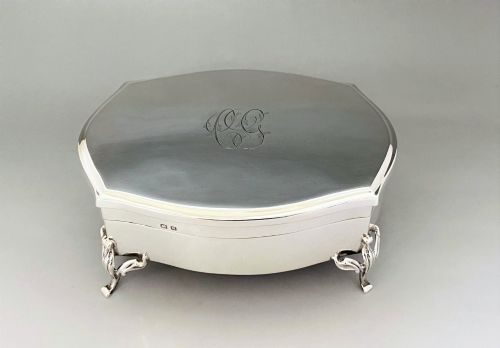
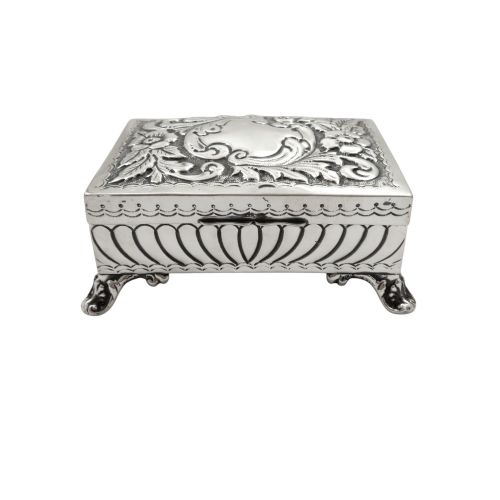
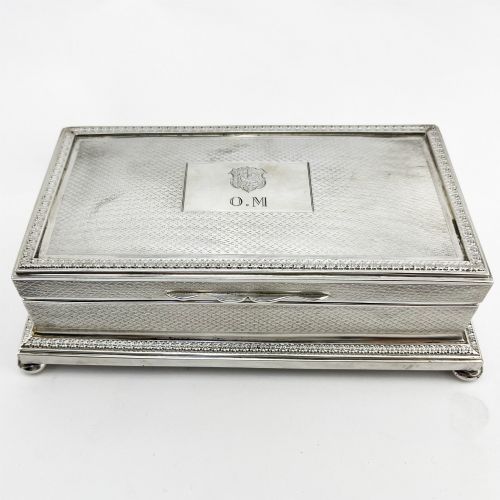
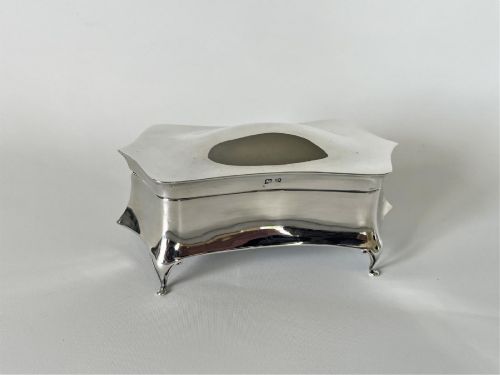
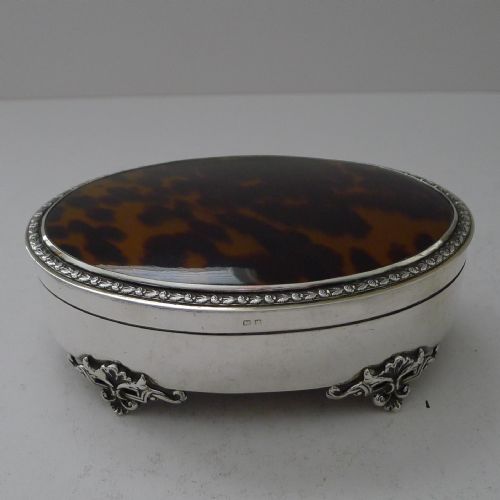
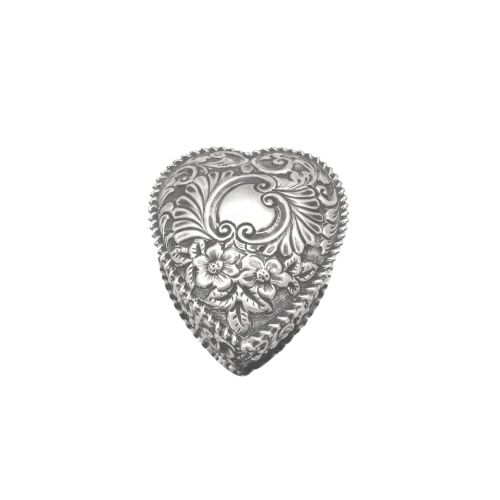
Makers produced these items in various configurations, including rectangular caskets, chest shapes, heart forms, and oval receptacles. Some double as ring boxes or pot pourri containers, lined internally with velvet to cushion delicate items.
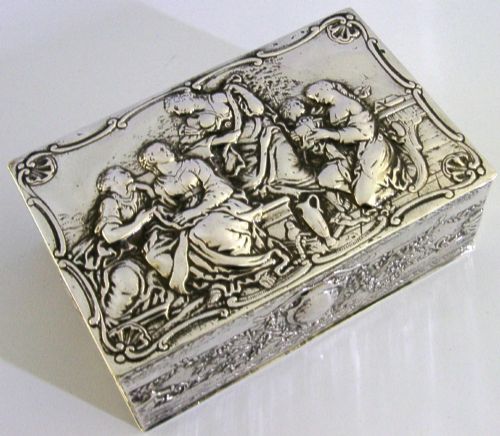
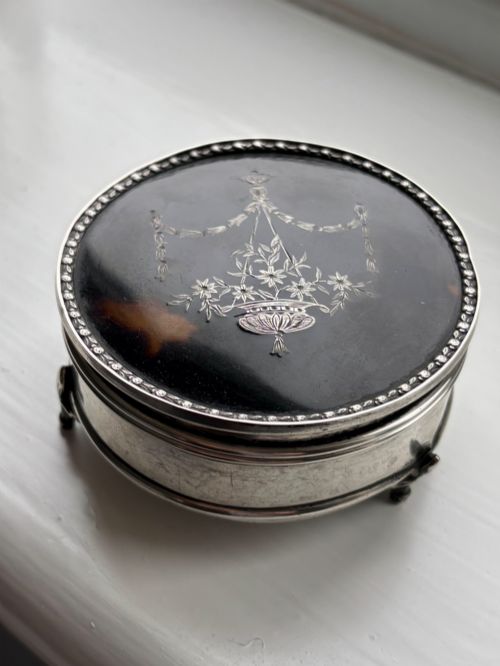
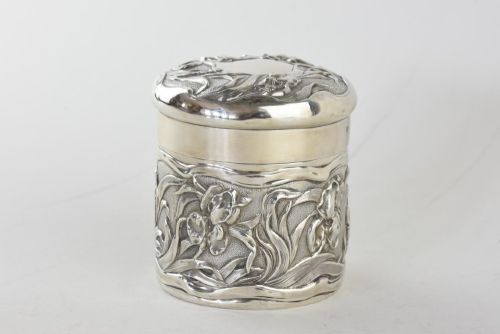
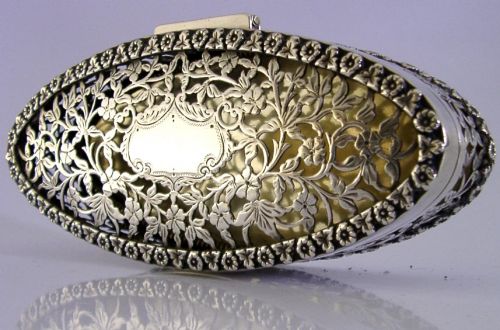
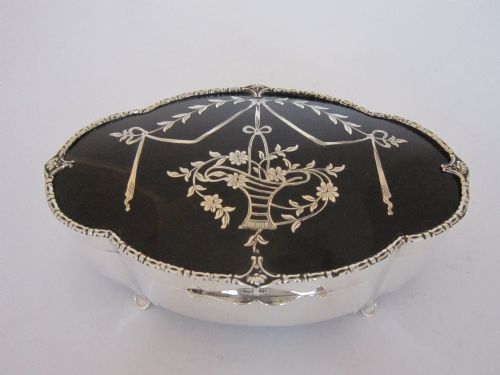
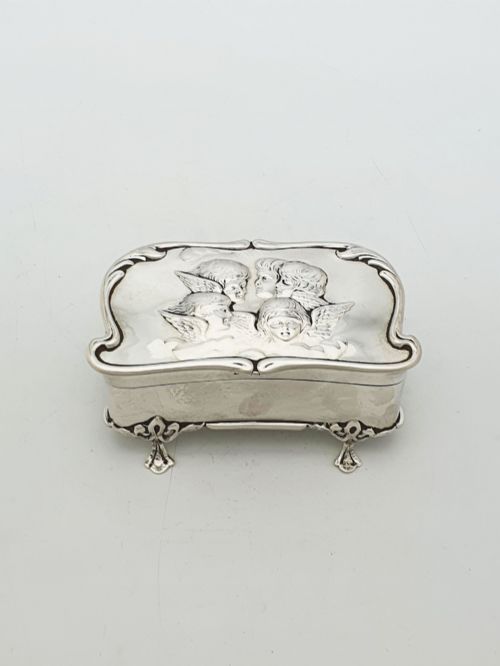
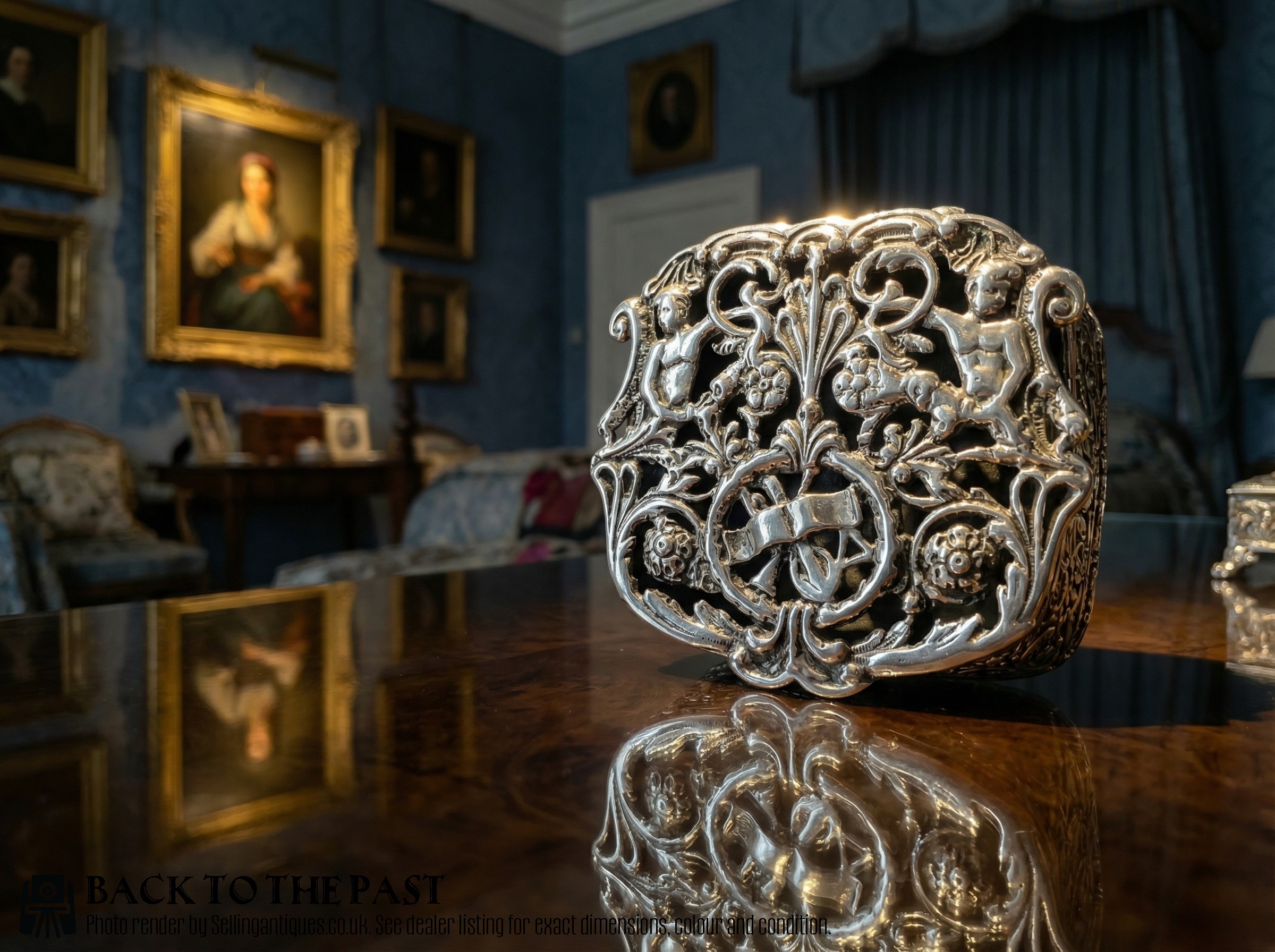
Styles vary from plain polished surfaces to elaborate chased decorations depicting classical figures, horse riding scenes, and Reynolds angels. Pieces also incorporate organic materials like tortoiseshell alongside the metalwork.
Materials and Construction
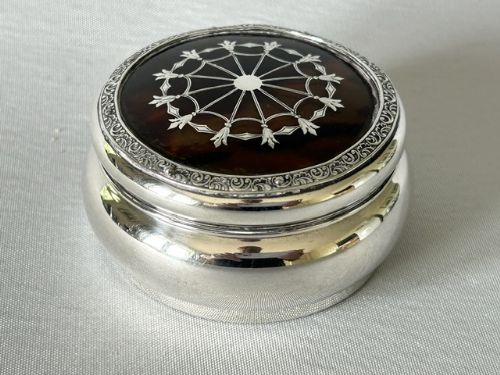
Silversmiths utilised sterling silver, solid silver, and standard silver to form the primary structure of each edwardian silver jewellery box. Many examples integrate contrasting panels of tortoiseshell, piqué work, or guilloche enamel into the hinged lid.
Techniques range from smooth planished finishes to profuse chased decorations and pierced silver lattice work. Interiors typically feature fitted red velvet or textile linings secured within metal frames.
Retail Price Guide 2026
Typical UK retail prices for edwardian silver jewellery box, calculated from the Sellingantiques database of over a million retail prices indexed since 2003. This retail price guide relies exclusively on Sellingantiques data; no external sources or auction records are used, so the figures do not describe the wider market.
Some Edwardian makers shaped their silver boxes like tiny chests, miniature dressing tables, or puffy hearts to charm the dressing table owner.
Evaluating Craftsmanship
The distinction between standard examples and exceptional pieces rests on the weight of the metal, the crispness of chased or embossed details, and the complexity of the form. Heavier gauges of silver and intricate figural repoussé work elevate a piece above simpler plain designs.
The integration of secondary materials like tortoiseshell or enamel demands precision fitting. Superior examples retain their original internal velvet linings and operate with robust, well-aligned hinges.
William Comyns·Mappin and Webb Ltd·Boardman Glossop and Co·A and J Zimmerman·C E Turner·Hazlewood and Co·James Dixon and Sons·J and R Attenborough·Elkington and Co·H Matthews
The Edwardian Silver Jewellery Box Glossary
- Sterling silver
- A silver alloy containing ninety-two point five percent pure silver by mass, with the remainder consisting of copper or other metals. This standard grade appears across the majority of these boxes.
- Tortoiseshell
- A material derived from the shell of larger sea turtles, utilised extensively for decorative panels and lids. It provides a warm, mottled brown contrast against polished silver mounts.
- Guilloche enamel
- A decorative technique where precise patterns are mechanically engraved into metal beneath a translucent layer of enamel. This method produces a geometric shimmer on the lid of the box.
- Chased decoration
- A metalworking technique where designs are hammered into the front surface of the silver from the outside, displacing metal rather than removing it to create raised pictorial scenes.
- Planished
- A surface finish achieved by hammering metal with a polished tool to create small, controlled facets. This texture diffuses light across the silver body.
Frequently Asked Questions
What is an edwardian silver jewellery box?
An edwardian silver jewellery box is a small lidded container fashioned from sterling silver, designed to hold rings, pins, and personal trinkets. These objects typically feature fitted velvet interiors and date from the early twentieth century.
Craftsmen produced them in various shapes, including hearts, ovals, and rectangular caskets, often decorating the exterior with chased figures, embossed motifs, or contrasting panels of tortoiseshell.
How do I clean an edwardian silver jewellery box?
Cleaning requires a soft cloth and specialised silver polish, applied gently to avoid disturbing any chased details or engraved patterns. Care must be taken to keep moisture away from internal velvet linings and organic materials like tortoiseshell.
Harsh chemical dips should be avoided, particularly on pieces that combine silver with enamel or tortoiseshell, as these substances require separate, delicate maintenance.
Were these boxes used only for jewellery?
While primarily intended for rings, brooches, and necklaces, many examples served alternative domestic functions. Some variations functioned as pin cushions, sewing boxes, or pot pourri containers.
The inclusion of internal dividers or specialised slots for rings indicates the specific intended storage purpose for individual pieces.
How do I date an edwardian silver jewellery box?
Dating relies heavily on British hallmarks stamped onto the silver, which indicate the assay office, the specific year letter, and the standard of the metal. Stylistic clues such as Art Nouveau motifs or classical revival designs also point toward the Edwardian era.
Makers' marks stamped alongside the hallmarks provide additional evidence to narrow down the exact year of production.