



Edwardian Silver Handbag
These edwardian silver handbag pieces are fine evening accessories offering delicate metalwork and period charm that collectors prize.
Edwardian Silver Handbag
How they were made
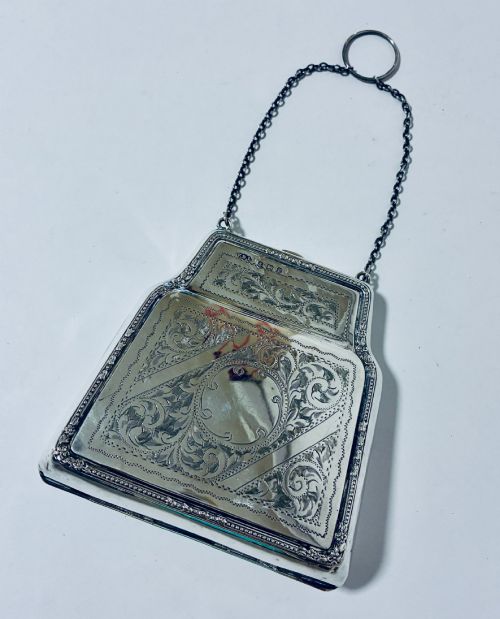
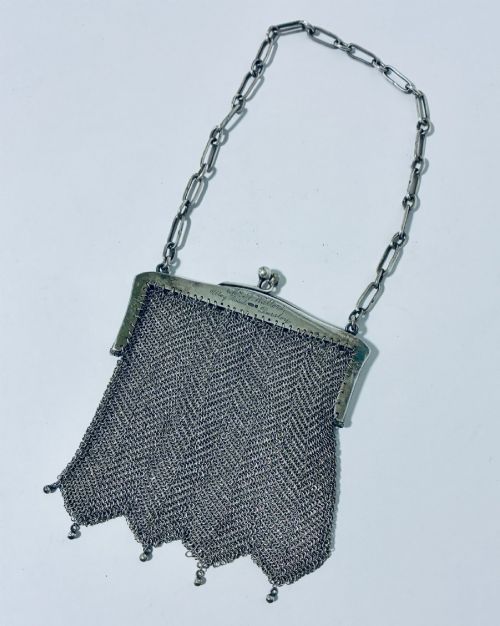
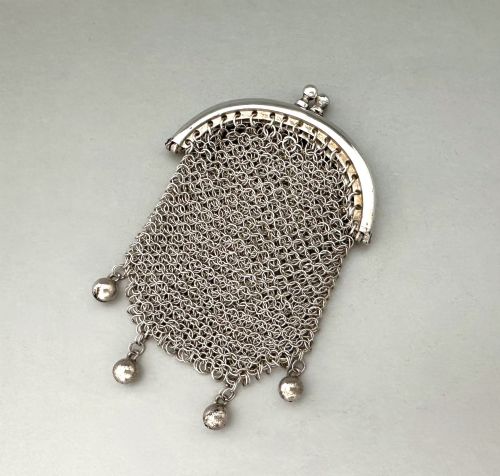
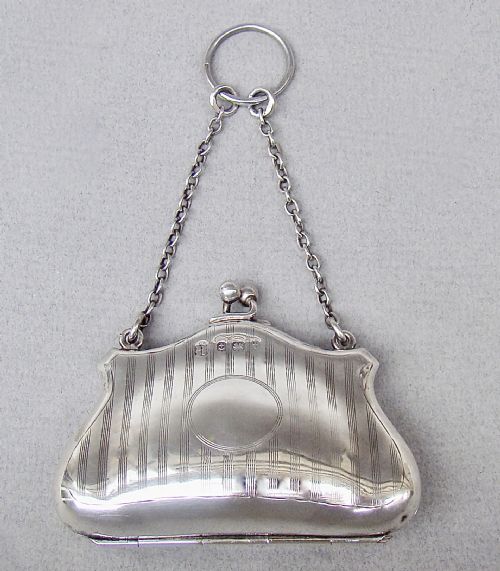
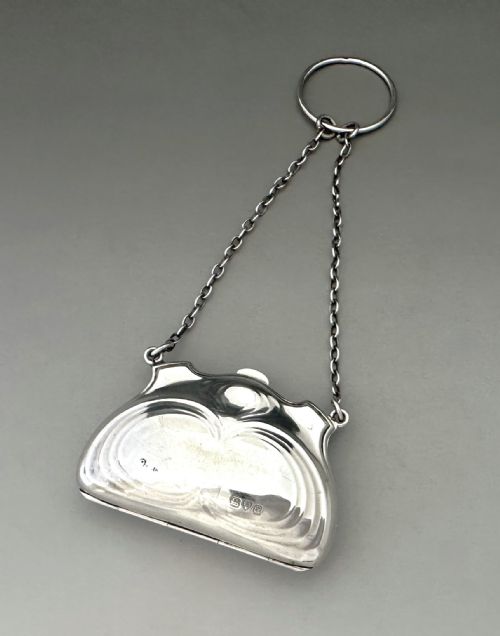
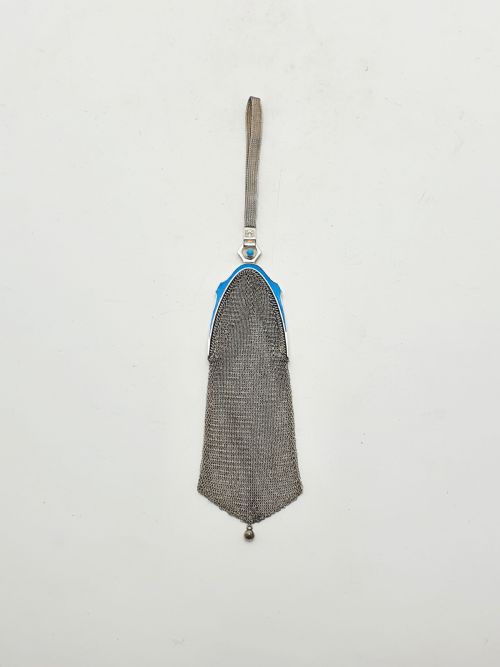
Makers utilised sterling silver and standard silver to form rigid frames and flexible chain links, often combining the metal with delicate silver mesh or chain mail. These structural elements required precise metalworking skills to ensure the bags remained both decorative and supple.
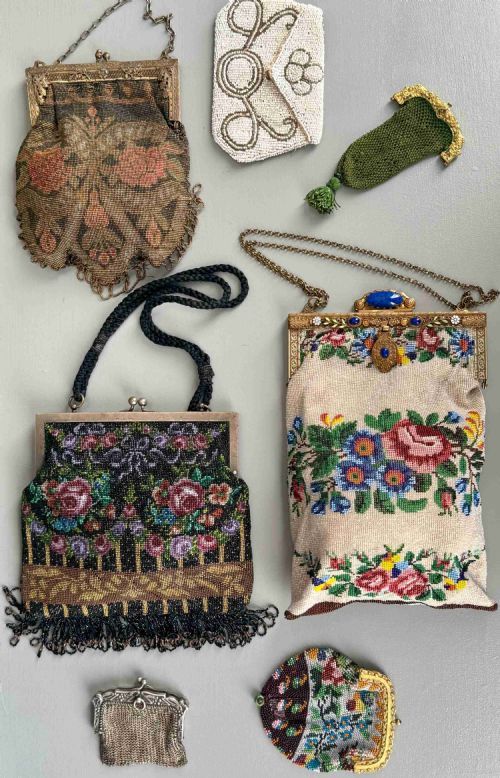
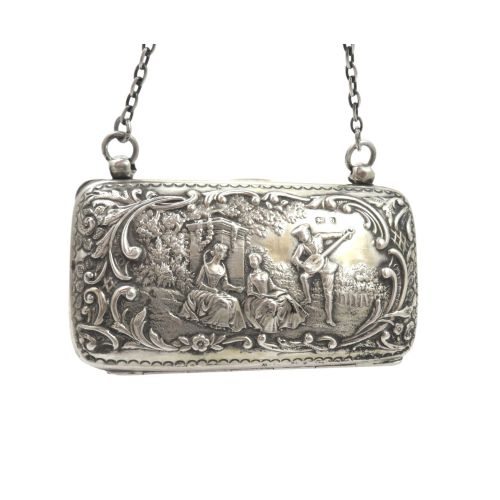
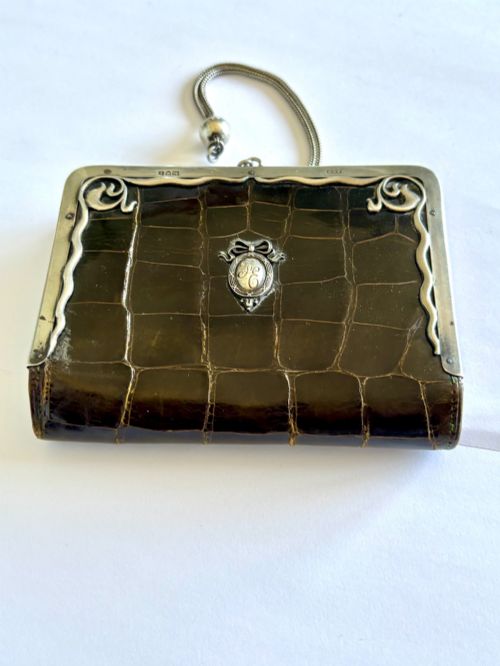
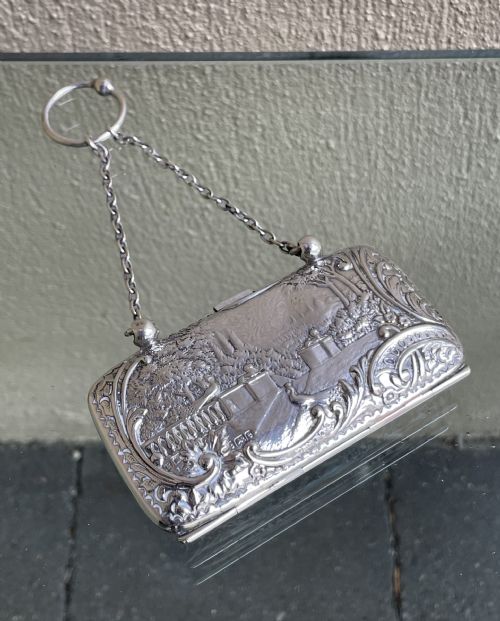
Textural contrast was achieved by integrating materials such as crocodile skin, fabric, glass beads, and blue guilloche enamel into the designs. Artisans also applied intricate repousse scenes and petit point needlework to the silver surfaces.
Listings feature sterling silver, silver mesh, and glass beads across periods spanning the late nineteenth century through the 1920s.
What varies in quality
The distinction between standard examples and the finest pieces lies in the complexity of the materials and the intricacy of the decorative techniques. Handbags featuring detailed guilloche enamel, pictorial repousse work, or unusual combinations like crocodile skin demonstrate superior craftsmanship.
Makers and import marks also influence the standing of a piece, with marked items from known workshops and assay offices commanding greater attention. The integrity of the mesh, the smoothness of the chain links, and the preservation of internal linings further separate the ordinary from the exceptional.
John Collard Vickery·The Boots Company·Robert Cawley·G. Norman
The Edwardian Silver Handbag Glossary
- Guilloche Enamel
- A decorative technique where an intricate geometric pattern is engine-turned into a metal surface before transparent enamel is applied. This creates a lustrous, patterned finish frequently seen on early twentieth-century vanity accessories.
- Repousse
- A metalworking method in which the artisan hammers the design from the reverse side to form a raised relief on the front. On these purses, this technique creates pictorial scenes and scrolling floral motifs.
- Chain Mail
- Interlinked metal rings forming a flexible, textile-like fabric that drapes gracefully. This construction gives certain evening bags their characteristic fluid movement.
- Petit Point
- A very fine count needlepoint stitch worked on canvas, used to create detailed pictorial panels on evening bags. It adds a tactile, colourful counterpoint to the rigid silver frames.
Edwardian Silver Handbag: Frequently Asked Questions
What were edwardian silver handbag designs used for?
These accessories served as elegant receptacles for ladies to carry essential items such as coins, calling cards, and smelling salts during evening outings and social visits.
Their compact scale and secure clasps made them practical for formal events while complementing fashionable evening attire of the period.
How do I care for silver mesh and chain mail?
Maintenance requires gentle handling to avoid bending the delicate links or puncturing the flexible metal fabric. Regular dusting with a soft cloth keeps the silver bright without damaging any integrated enamel or fabric components.
Harsh chemical dips should be avoided, as they can ruin fabric linings and discolour enamel work.
How can I tell an Edwardian piece from a Victorian one?
Edwardian items often display lighter, airier designs influenced by Art Nouveau aesthetics, featuring fluid lines and delicate chain work. Victorian pieces tend to be heavier, employing denser repousse decoration and more sombre, solid forms.
Assay office marks and date letters stamped on the silver provide the most definitive guide to the exact year of manufacture.
Did these bags always come with fitted interiors?
Many evening purses featured silk or fabric linings, sometimes fitted with small pockets for mirrors or coins. The presence of a maker's mark inside the frame often corresponds with a higher degree of interior finishing.
Over the decades, many linings have been replaced or removed entirely due to natural wear.