



Edwardian Silver Bowl Stand
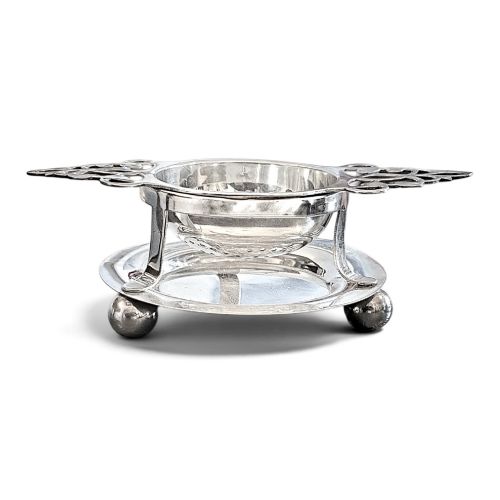
These edwardian silver bowl stand pieces are decorative dining vessels designed to hold glass inserts, combining metal frames with coloured or cut glass.
Edwardian Silver Bowl Stand
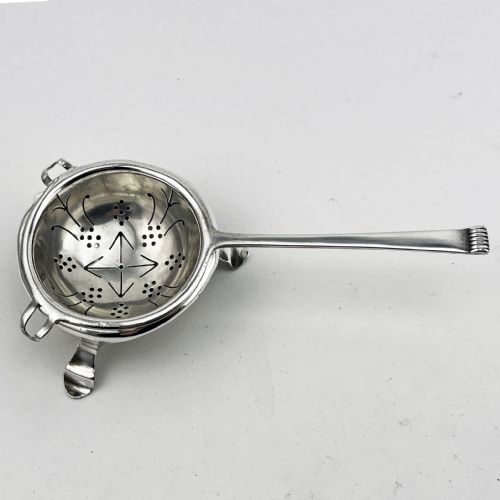
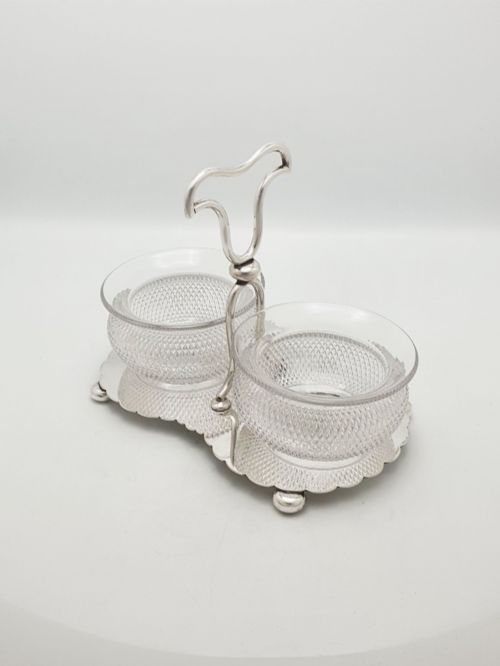
An edwardian silver bowl stand brings together a metal frame and a glass vessel, often designed for preserves, condiments, or fruit. The pieces seen here span pedestal dishes, centrepieces, and preserve dishes from the Edwardian era and surrounding decades.
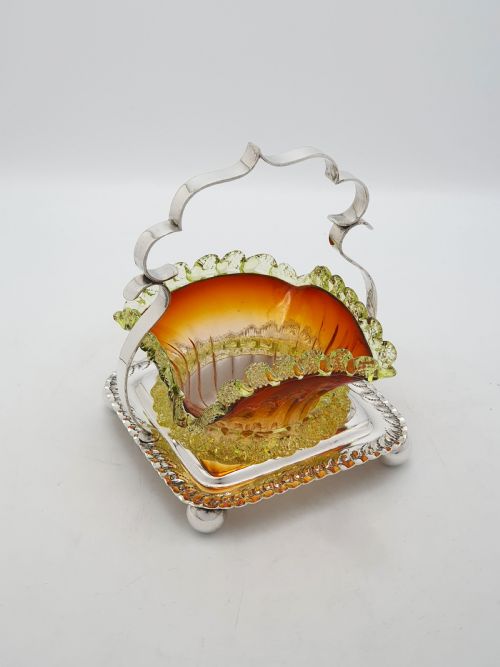
Most examples pair silver plate or sterling silver with coloured glass inserts such as cranberry, amber, or vaseline glass. These combinations serve functional dining roles while offering striking visual contrast on the table.
Forms range from simple condiment holders to large epergnes and footed stands influenced by Art Nouveau and Edwardian Neoclassical styles. They reflect the dining habits and interior aesthetics of the late nineteenth and early twentieth centuries.
How they were made
Frames are constructed from sterling silver or silver plate, often utilising piercing, casting, and repoussé techniques to shape the metal. Pewter also appears, particularly in continental designs.
Glass components are mouth-blown, moulded, or cut to fit the specific metal frames. Cranberry glass, amber glass, and cut crystal provide the coloured or textured inserts that rest within the stands.
Edwardian Silver Bowl Stand Retail Price Guide 2026
Typical asking prices for edwardian silver bowl stand among the pieces listed under this phrase on Sellingantiques today, from the lower quarter to the upper quarter. They describe what is for sale here now, not the wider market.
Some stands include original tiny spoons meant exclusively for spooning jam onto morning toast.
What varies in quality
Quality rests in the weight and thickness of the silver or silver plate and the crispness of any pierced or cast ornament. Finer pieces show careful finishing to the metalwork and precise fit between the frame and its glass insert.
The glass insert itself dictates much of the overall merit. Hand-blown coloured glass with deep tones and unblemished surfaces distinguishes superior examples from standard production.
Hammond, Turner and Sons·James Dixon and Sons·WMF
The Edwardian Silver Bowl Stand Glossary
- Silver Plate
- A base metal coated with a thin layer of silver. This technique allowed makers to produce elaborate dining wares at a lower cost than solid sterling silver.
- Cranberry Glass
- A transparent pinkish-red glass coloured with gold chloride. It appears frequently in Edwardian preserve dishes and jam bowls.
- Centrepiece
- A large decorative vessel placed in the middle of a dining table. These often feature elevated bowls or multi-armed frames.
- Pierced
- Metalwork decorated by cutting or piercing patterns through the surface. It lightened the appearance of large silver dishes and stands.
- Epergne
- An ornamental centrepiece featuring a central bowl with multiple hanging baskets or smaller dishes. They were used for fruit, sweets, or flowers during formal meals.
Edwardian Silver Bowl Stand: Frequently Asked Questions
What were these stands originally used for?
These stands held food items like jams, preserves, condiments, or fruit during formal meals. The glass bowls kept acidic foods away from direct contact with metal.
They sat upon dining tables or sideboards as both functional tableware and decorative centrepieces.
How do I clean the silver and glass?
Wash the glass inserts in warm soapy water and dry them thoroughly with a soft cloth. Avoid harsh abrasives that might scratch the surface.
Clean the metal frame with a gentle silver polish suitable for plate or sterling, taking care not to let polish residue gather in pierced crevices.
Are the glass bowls removable?
Most glass inserts lift out of the metal frames independently. This design made cleaning and refilling straightforward during dinner service.
Some smaller condiment frames secure the glass more tightly, so check the fitting gently before attempting removal.
How do I distinguish Edwardian from Victorian pieces?
Edwardian stands often feature lighter neoclassical motifs, slender pedestal forms, and flowing Art Nouveau curves. Victorian examples tend to be heavier with denser ornamentation and darker aesthetic movement influences.
Date hallmarks on sterling pieces provide exact years, while style and construction guide the dating of silver-plated items.