



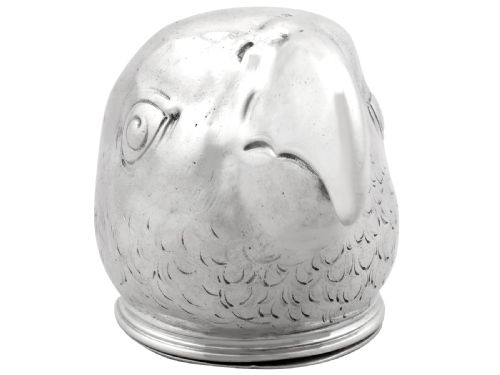


Edwardian Silver Animal
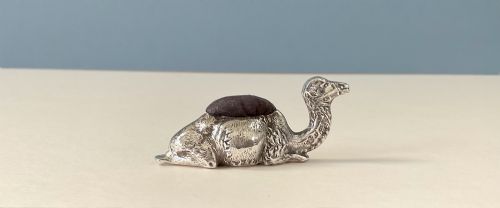
Edwardian silver animal pieces bring charm to a room, ranging from small pin cushions shaped like camels to pepper pots in the form of owls.
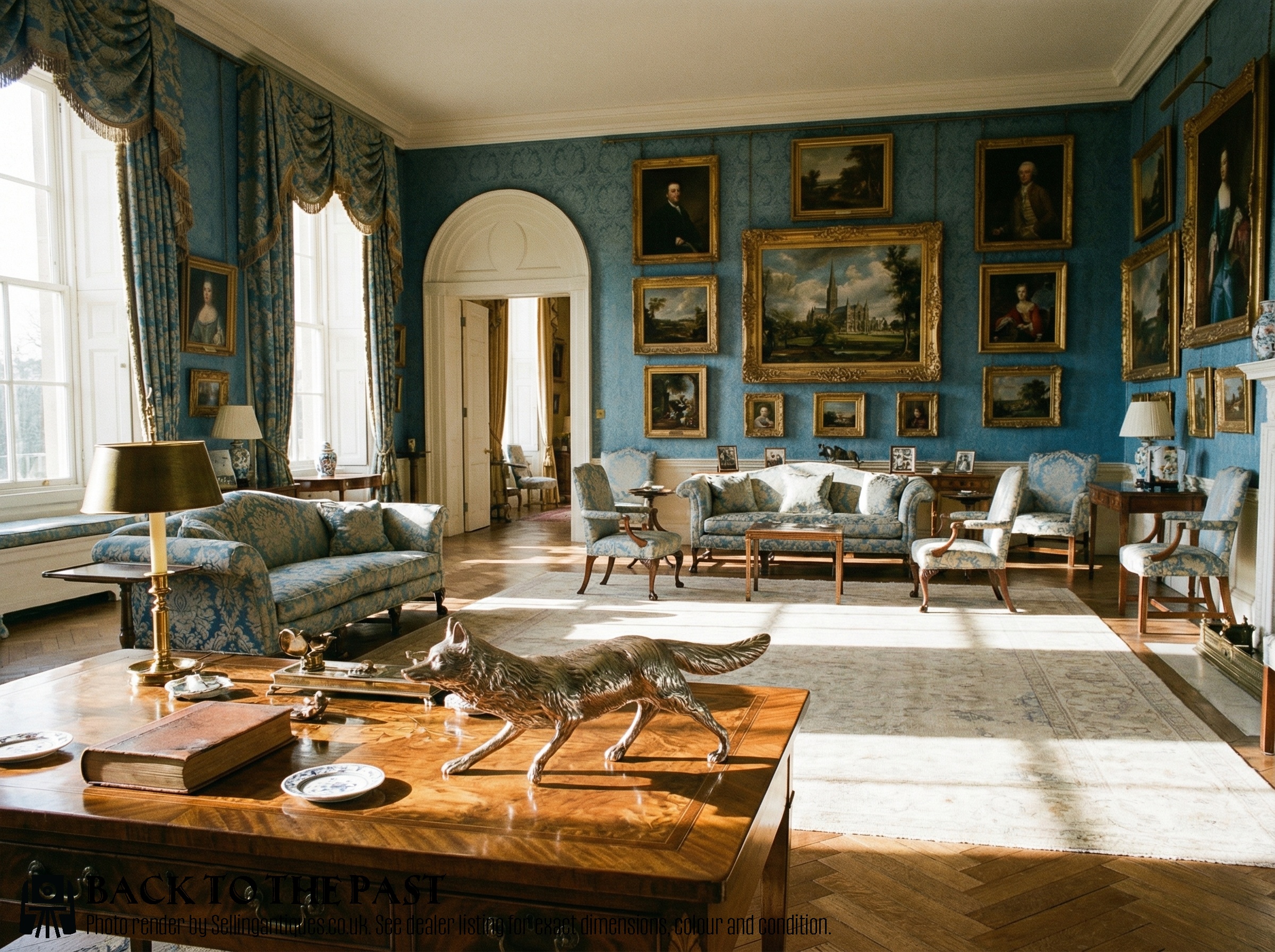
Edwardian Silver Animal
When searching for edwardian silver animal items, buyers encounter a delightful array of decorative and functional objects. Pin cushions, pepper pots, and novelty boxes form the core of what appears on this page.
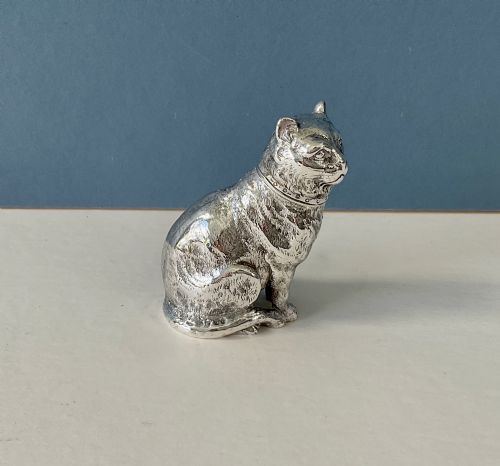
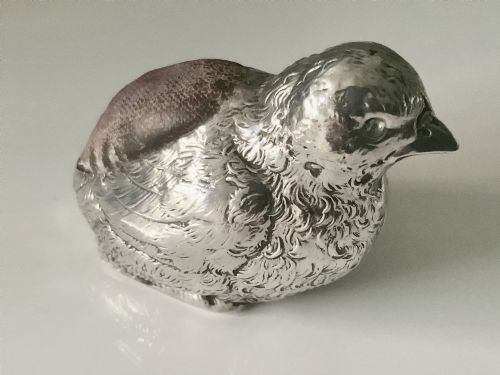
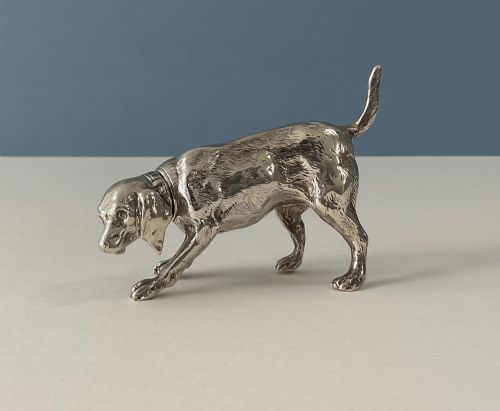
The period style leans heavily into Edwardian and Victorian novelties, capturing creatures with distinct character. Birds, dogs, foxes, and camels dominate the sculptural forms produced in solid silver.
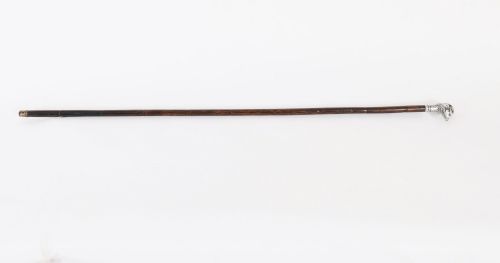
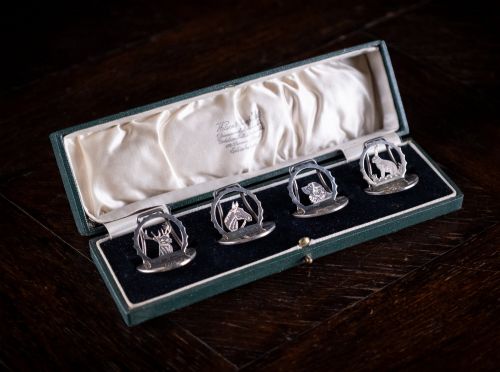
Beyond desk items and tablewares, animal motifs stretch to walking stick handles, brooches, menu holders, and scent bottles. These functional pieces double as miniature sculptures created to amuse and serve.
How they were made
Silversmiths utilised sterling silver and solid silver alongside silver plate to cast and shape these creatures. Many pin cushions incorporated velvet or fabric inserts beneath the silver frame to hold sewing pins securely.
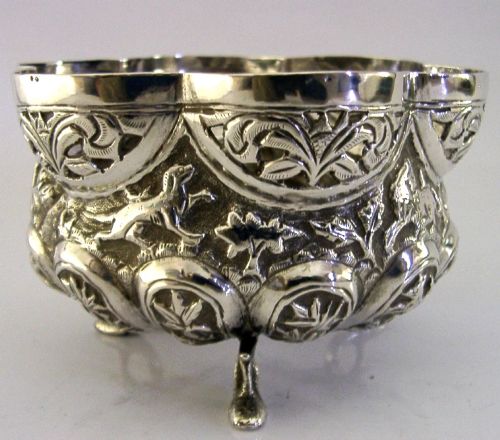
Makers employed detailed chasing and repoussé techniques to render feathers, fur, and facial expressions with striking realism. Glass inserts appeared in specific designs, such as eyes for owls or bodies for scent bottles.
Listings feature solid silver, glass, and velvet across periods spanning the Victorian era through the Edwardian years and into the Art Deco movement.
What varies in quality
The distinction between standard items and superior examples lies in the crispness of the modelling and the depth of the detail. Master silversmiths captured natural anatomy and texture with precision, whereas simpler pieces rely on basic stamping.
Proportion and stance dictate the visual success of a novelty animal piece. Superior objects possess a balanced weight and a convincing posture that brings the subject to life on a desk or dining table.
A. Wilcox·Levi and Salaman
The Edwardian Silver Animal Glossary
- Pin Cushion
- A small decorative object designed with a padded insert to hold sewing pins. These often took the humorous shape of animals like pigs, frogs, and bears.
- Novelty
- An object made in an amusing or unusual shape rather than a standard utilitarian form. Victorian and Edwardian makers excelled at turning pepper pots and inkwells into animals.
- Repoussé
- A metalworking technique where the silversmith hammers the design from the reverse side to create low relief. This method brought texture to feathers and fur on animal figures.
- Sterling Silver
- A standard alloy consisting of silver and other metals to increase durability. Most quality tableware and novelties from the period carried this composition.
Edwardian Silver Animal: Frequently Asked Questions
How do I identify an Edwardian silver animal piece?
Look for hallmarks stamped on the silver that indicate the assay office, standard, and date letter corresponding to the Edwardian reign. Stylistic cues also point to the era, particularly naturalistic novelty items.
Makers of this period favoured humorous domestic and exotic creatures, rendered with detailed casting and chasing rather than plain geometric forms.
Were these silver animals meant for the dining table?
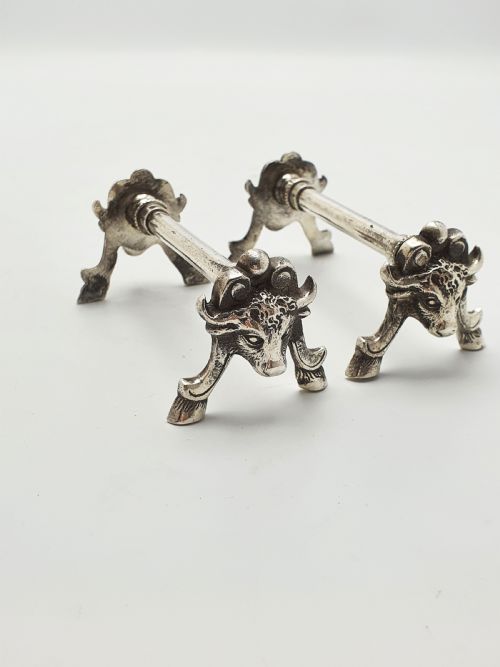
Many animal forms served functional roles during meals, appearing as pepper pots, menu holders, knife rests, and sugar boxes. Guests would encounter silver foxes, owls, and pigs integrated into the tablescape.
These pieces brought conversation to dinner parties by turning everyday vessels into sculptural representations of wildlife.
What materials accompany the silver in these pieces?
Fabric and velvet frequently appear inside the frames of pin cushions to provide a soft base for pins. Glass was also utilised, forming the eyes of owls or the bodies of scent bottles.
Base metals and silver plate occasionally feature in larger items or utility wares alongside solid sterling silver.