


Edwardian Side Table Stretcher
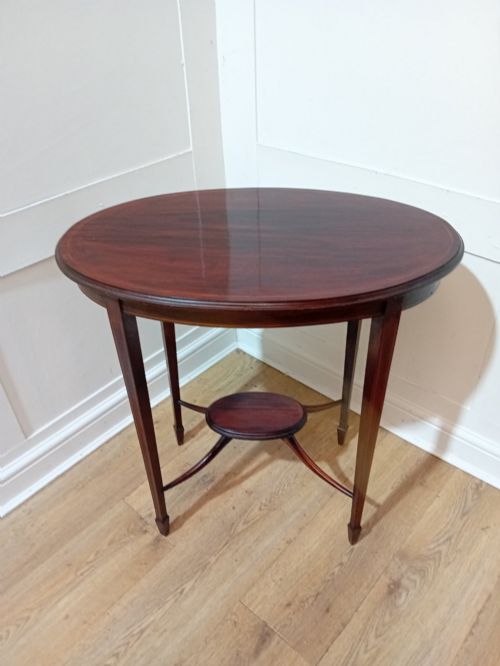
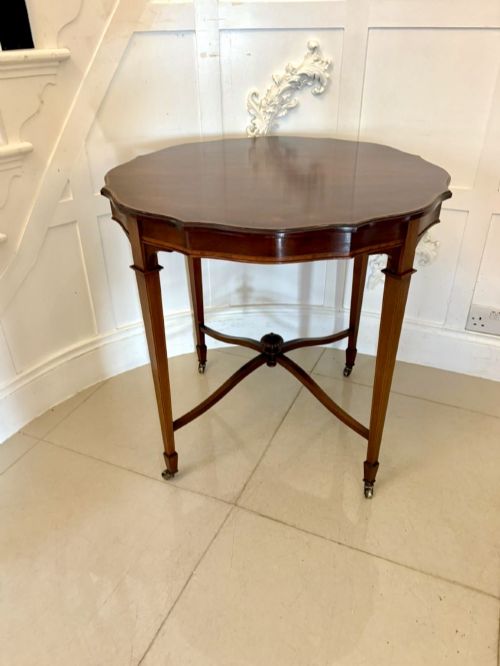
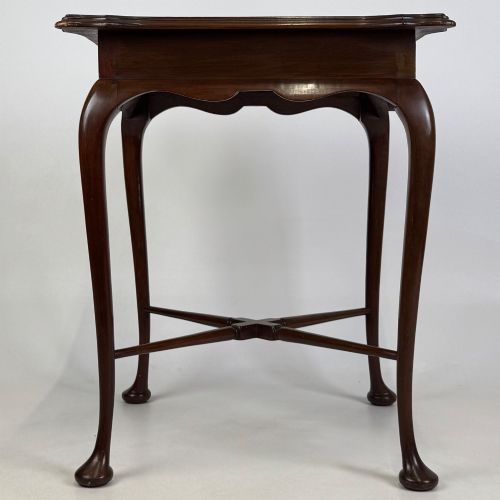
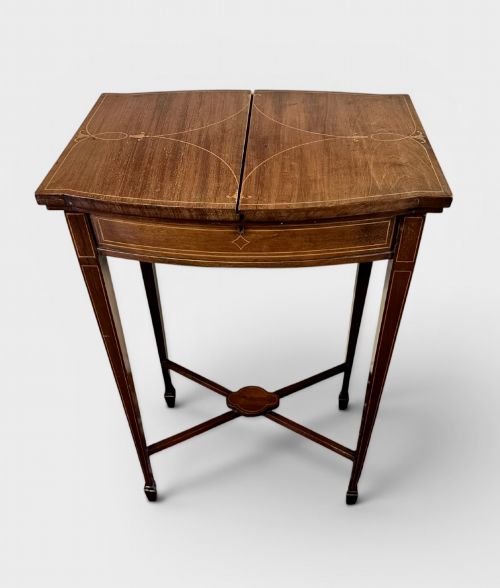
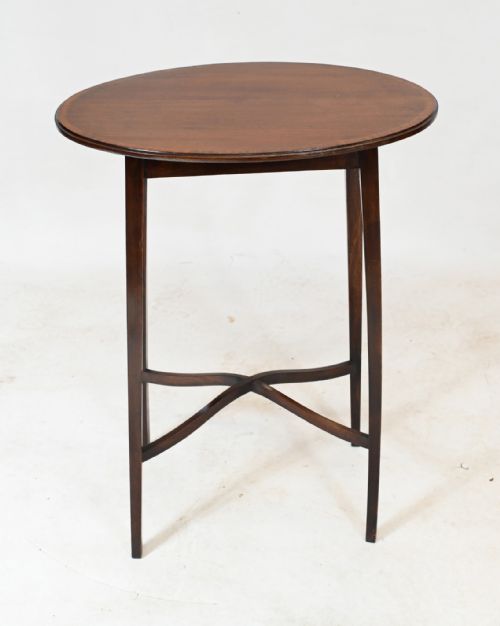
An edwardian side table stretcher brings sturdy elegance and practical surface space to a hallway or sitting room.
Edwardian Side Table Stretcher
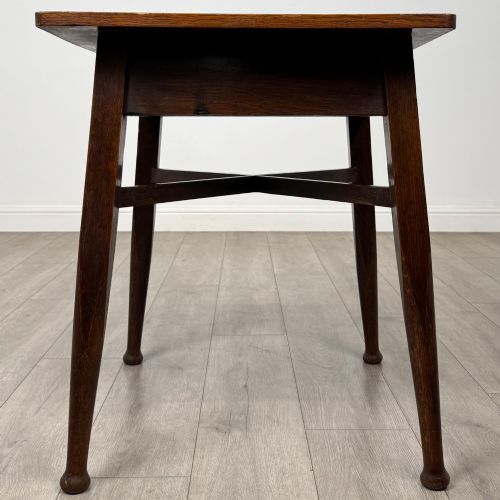
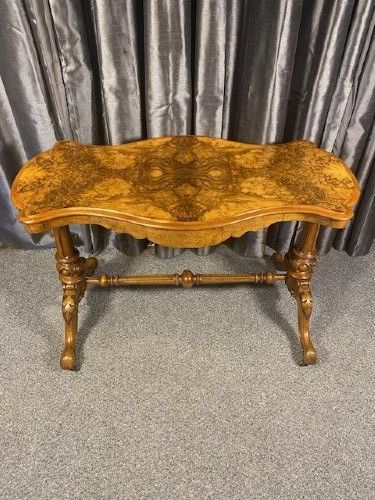
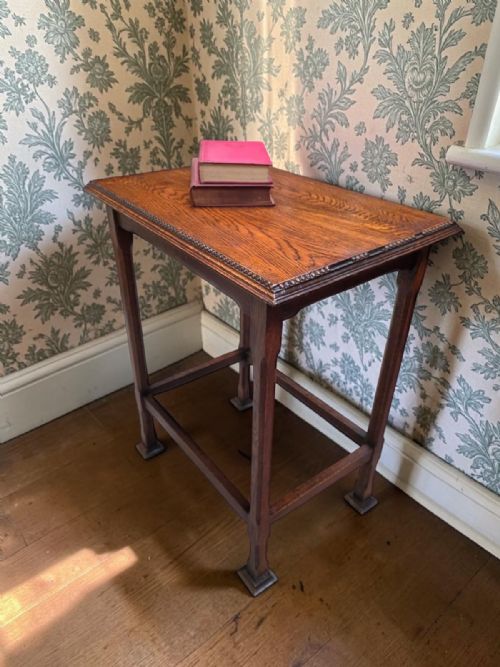
When you search for an edwardian side table stretcher, you encounter compact occasional tables and centre pieces designed for domestic utility from the late nineteenth century through to the early twentieth century. These domestic items frequently appear in mahogany, oak, and walnut, often bearing revival styles such as Sheraton, Jacobean, or Arts and Crafts.
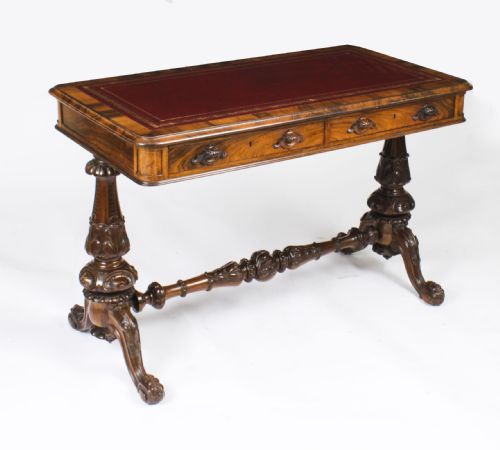
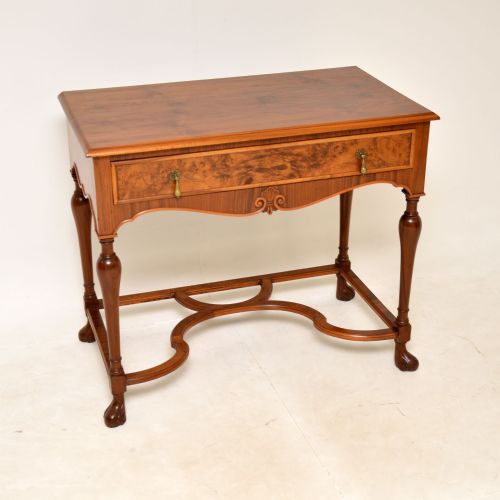
You are most likely to meet mahogany or oak versions featuring lower stretchers connecting the legs, alongside satinwood and burr walnut examples with delicate inlays. The forms range from simple square and oval occasional tables to console and writing tables equipped with functional drawers.
The evidence shows periods spanning the Victorian era through the Edwardian years up to the nineteen-twenties, reflecting a steady evolution in domestic furniture design. Makers such as Edwards & Roberts and W J Mansell appear among the archived pieces, adding historical pedigree to these functional wooden tables.
How they were made
Cabinet makers utilised dense hardwoods like mahogany, oak, and walnut for the primary framework and legs, ensuring stability through internal stretchers. Surface decoration often incorporated satinwood, boxwood, and marquetry inlays to create contrasting patterns on the tops.
Joining techniques relied on traditional mortise and tenon construction, particularly where stretchers brace the lower legs for added rigidity. Selected pieces display carved details, fiddleback figuring, and fitted interiors showing precise woodworking skill.
Materials span mahogany, oak, walnut, satinwood, burr walnut, rosewood, boxwood, and pitch pine across multiple revival styles.
What varies in quality
The refinement of the timber selection and inlay work separates standard utility pieces from exceptional examples. Fiddleback grain, figured burr walnut, and intricate boxwood stringing indicate higher workshop standards.
Structural integrity depends on the tightness of the stretcher joints and the weight of the timber used in the top and legs. Subtle details like hand-carved mouldings and fitted drawer interiors distinguish finer items from simpler production.
Edwards & Roberts·W J Mansell
The Edwardian Side Table Stretcher Glossary
- Stretcher
- A horizontal wooden rail connecting the legs of a table to provide structural support. These components often take an X-shape in revival designs.
- Satinwood
- A durable hardwood with a lustrous yellowish grain used extensively for veneers and decorative inlays on table tops.
- Marquetry
- The art of applying decorative pieces of veneer to a structure to form intricate patterns. This technique appears frequently on nineteenth-century centre tables.
- Fiddleback
- A figure in timber, particularly mahogany, characterised by undulating grain patterns resembling the back of a violin. It marks a superior grade of wood.
- Occasional table
- A small, versatile table designed for a specific, intermittent domestic use rather than a fixed daily function.
Edwardian Side Table Stretcher: Frequently Asked Questions
What is an edwardian side table stretcher?
An edwardian side table stretcher is a small wooden table featuring connecting rails near the base for structural bracing and stability. These items served diverse domestic purposes in sitting rooms and hallways during the early twentieth century.
They combine practical surface area with decorative timbers such as mahogany, oak, and satinwood, often incorporating inlays or small drawers.
How do I use a stretcher table?
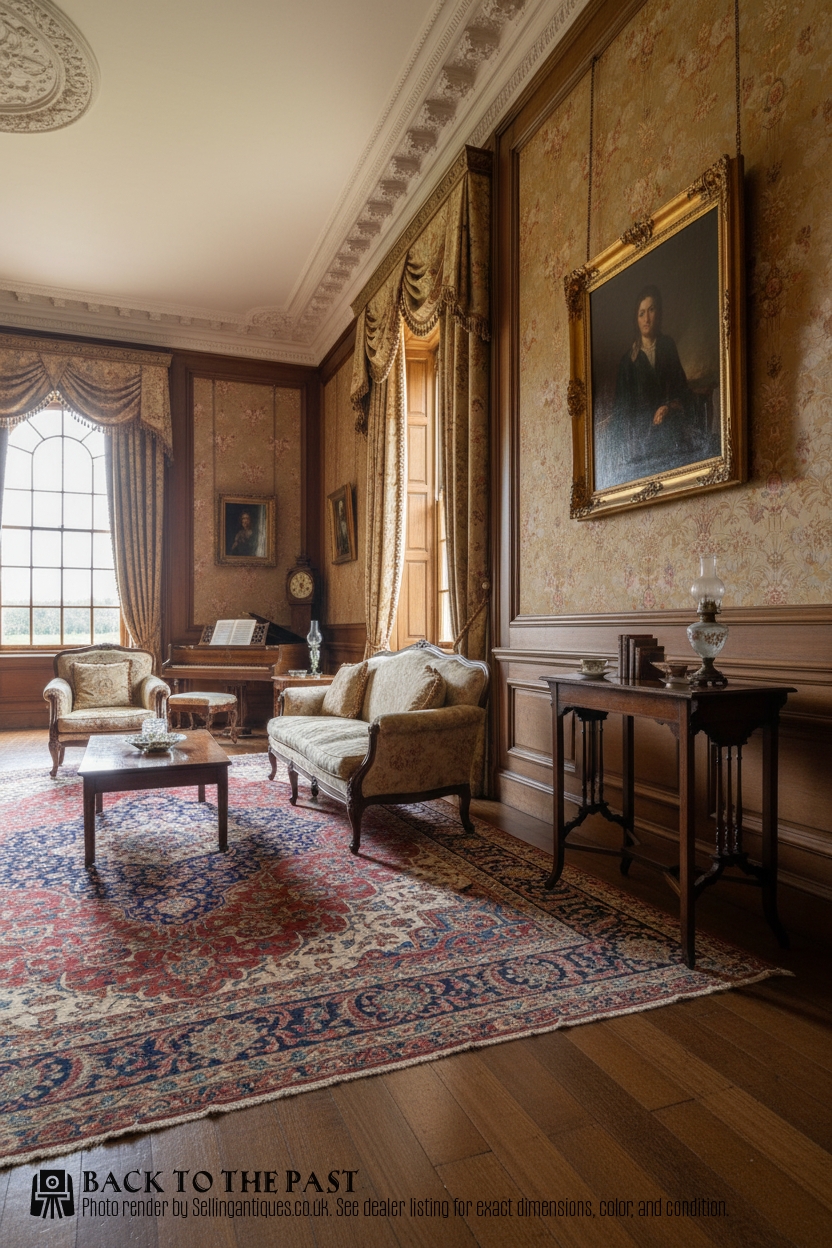
These tables function well as lamp stands, small desks, or occasional surfaces for displaying books and decorative objects. The lower stretchers provide a stable foundation on carpeted or wooden floors.
Position them beside armchairs, in narrow hallways, or against walls where larger furniture would overwhelm the space.
How do I tell Edwardian from Victorian?
Victorian furniture from the nineteenth century frequently employs heavier timbers and darker finishes, with robust proportions and exuberant carved details. Edwardian pieces often display lighter woods, greater restraint in decoration, and influences from Sheraton or Arts and Crafts revivals.
Checking the listed period and wood type helps identify the manufacturing era accurately.
What woods were used?
Makers utilised a range of domestic and imported timbers, predominantly mahogany, oak, and walnut. Decorative variations include burr walnut, rosewood, and satinwood.
Boxwood and marquetry frequently provided contrasting details for inlaid borders and central motifs on table tops.