
Antique Bedside Side Table
An antique bedside side table bridges functional domestic utility and fine period craftsmanship, offering compact surface space and enclosed storage beside a bed.
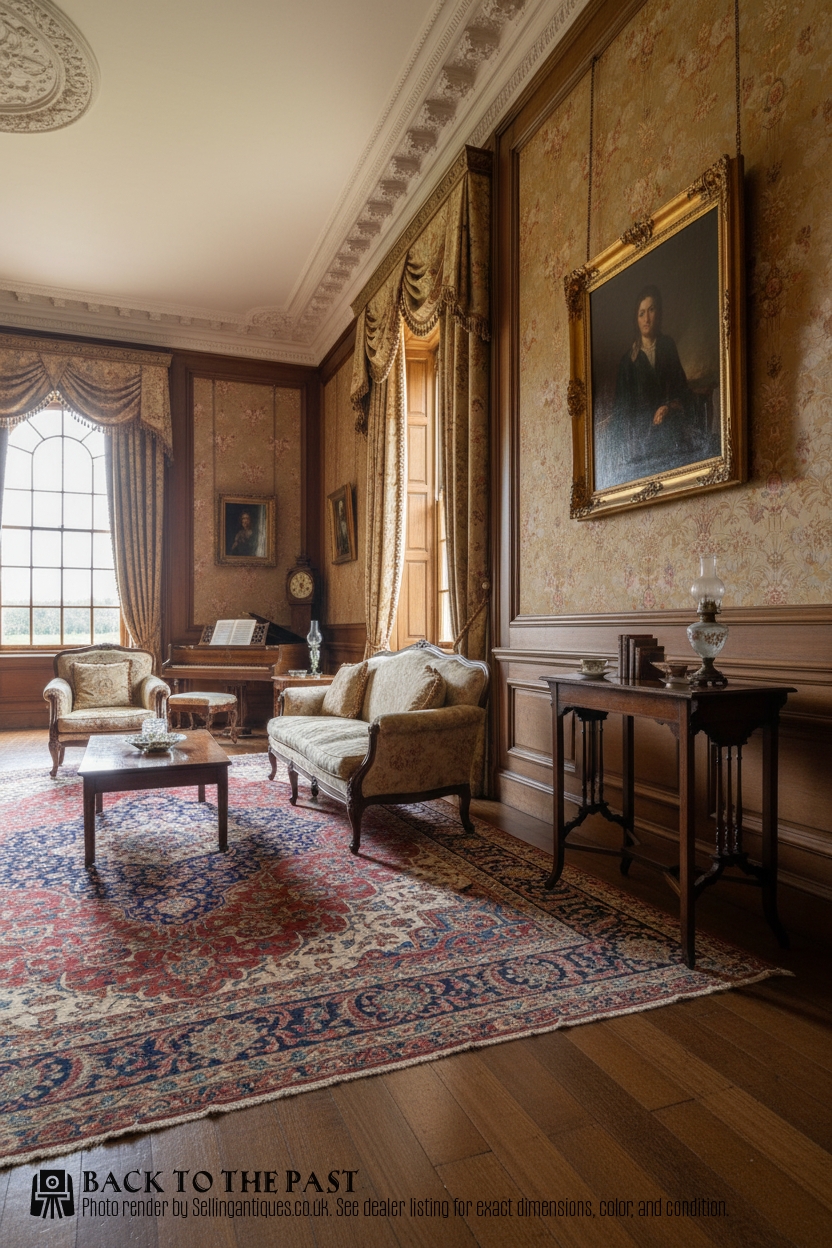
Antique Bedside Side Table
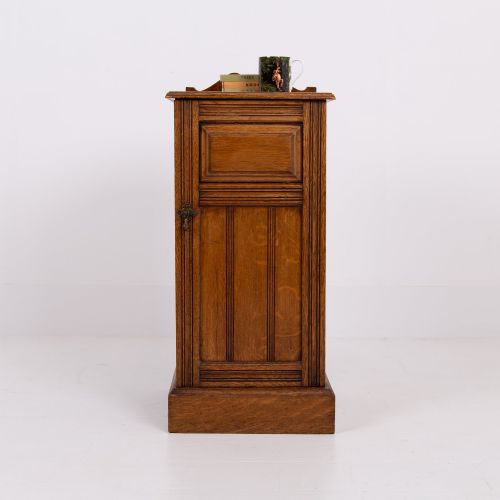
When searching for an antique bedside side table, buyers encounter a diverse selection of small furniture spanning the Georgian, Victorian, Edwardian, and early twentieth-century periods.
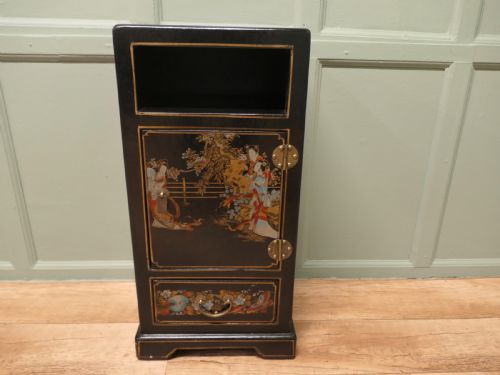
The category encompasses enclosed pot cupboards, small chests of drawers, open lamp tables, and marble-topped nightstands originating from English, French, and regional workshops.
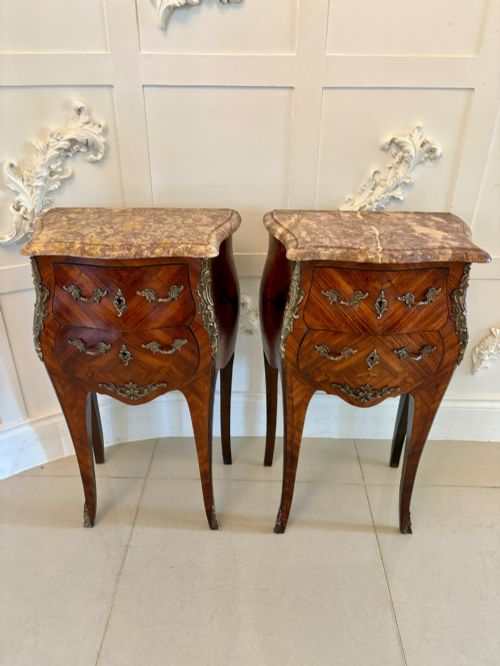
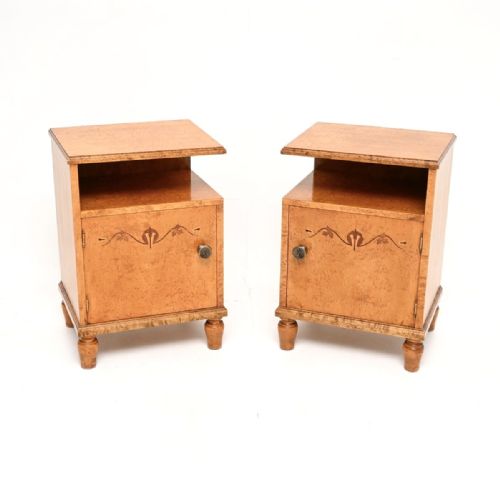
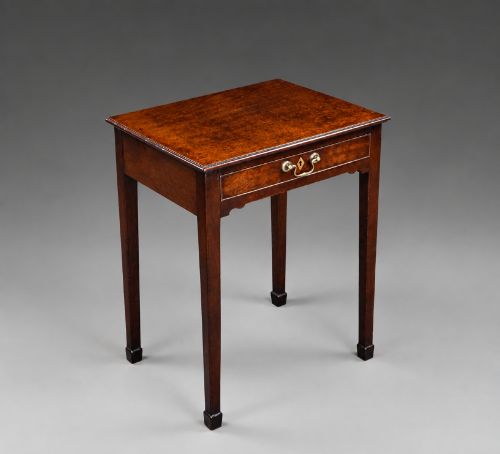
Edwardian satinwood cabinets and mahogany Georgian designs appear alongside French Louis XV style marquetry pieces and Art Deco bedside tables.
Materials and Construction
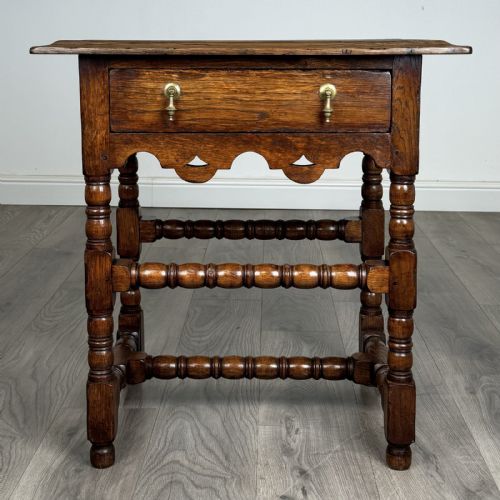
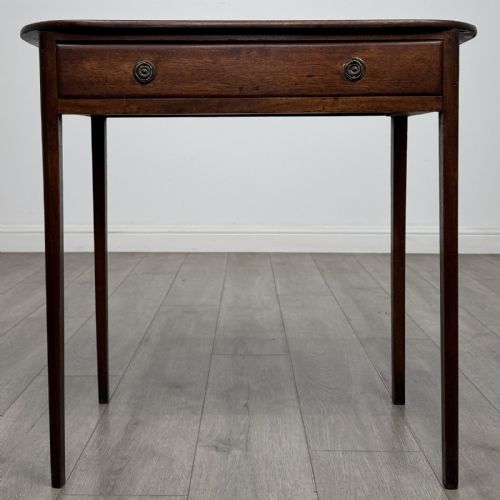
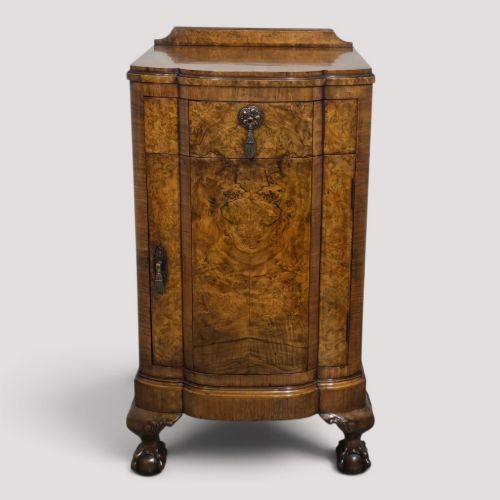
Cabinet makers utilised dense hardwoods such as mahogany, walnut, and oak for structural integrity, often applying veneers of satinwood, kingwood, or burr walnut to visible surfaces.
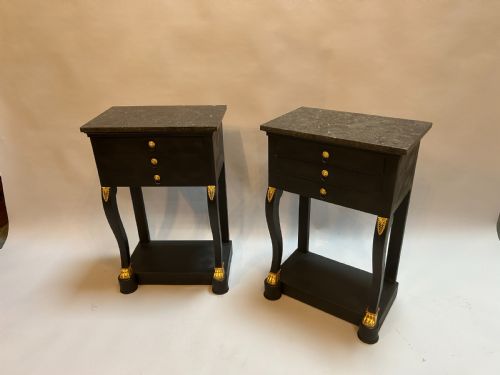
Decorative embellishments include hand-cut marquetry and parquetry patterns, brass or ormolu mounts, and inset white or veined marble tops.
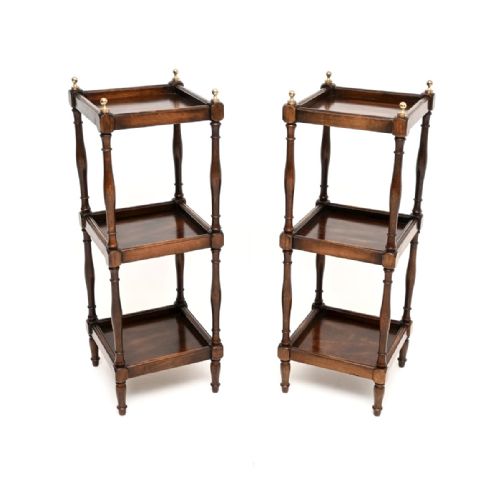
Joinery techniques ranged from traditional dovetailed drawers to turned columns and inlaid stringing.
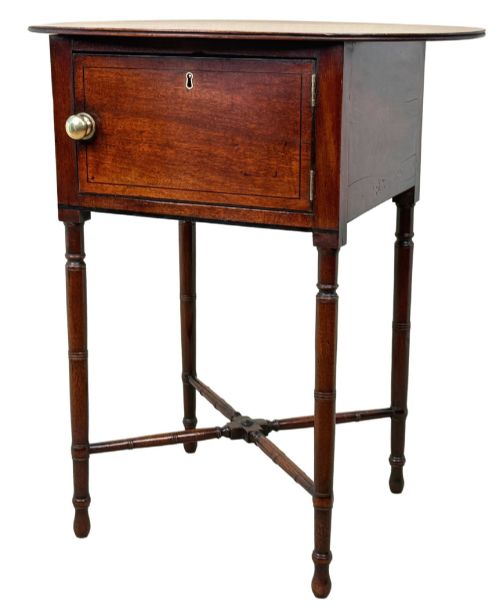
The selection includes Georgian pot cupboards, Victorian marble-topped cabinets, and Art Deco lamp tables from English and French makers.
Assessing Craftsmanship
The standard of an antique bedside side table depends largely on the selection of timber veneers, the precision of inlay work, and the weight of cast bronze or ormolu mounts.
Finer examples display consistent grain matching across drawer fronts, robust internal secondary woods, and well-fitted doors or smooth-running drawers.
Maker attribution and structural originality elevate certain pieces above standard utilitarian items from the same era.
François Linke·Gillows·Heals·E Rousseau
The Antique Bedside Side Table Glossary
- Pot cupboard
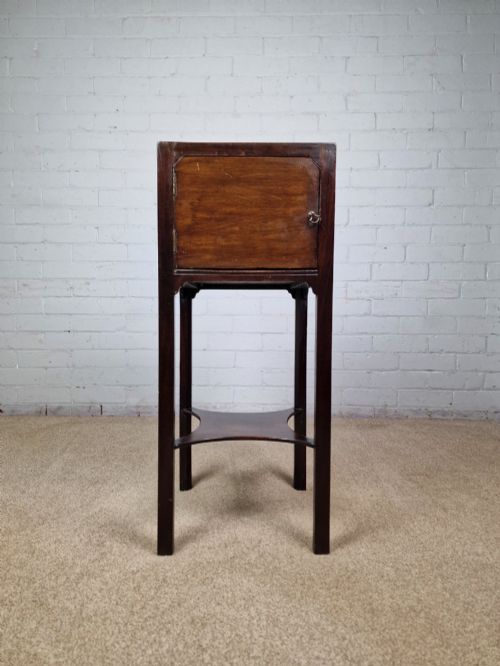
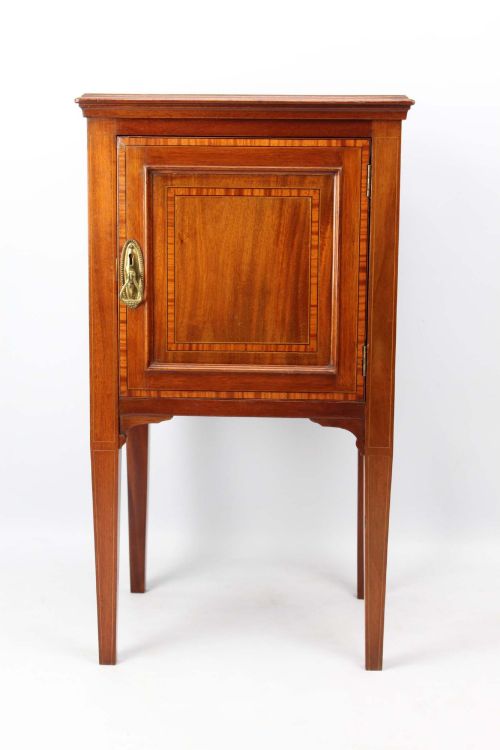
- A small enclosed bedside cabinet originally designed to house a chamber pot. These practical items often feature a single door above a concealed interior shelf.
- Marquetry
- The decorative art of applying small pieces of wood veneer to a structure to form intricate pictorial designs. Artisans used contrasting timbers like satinwood and walnut to achieve varied tones.
- Ormolu
- Gilded bronze mounts applied to furniture edges, feet, and key escutcheons. This decorative technique is particularly common on French tables from the nineteenth century.
- Parquetry
- Geometric wood inlay patterns resembling mosaics. It frequently decorates the top surfaces of French nightstands and side tables.
- Nightstand
- An alternative term for a bedside table or cabinet. These pieces provide a convenient surface for lamps and nighttime accessories.
Antique Bedside Side Table: Frequently Asked Questions
What is a pot cupboard?
A pot cupboard is a compact enclosed bedside cabinet designed with a door to conceal a chamber pot.
Over time, these versatile pieces evolved into standard bedside storage for personal items and books.
Are bedside tables usually sold as pairs?
Many surviving antique bedside tables and cabinets were originally produced as matching pairs for twin beds.
Single examples also appear frequently, reflecting varied historical bedroom layouts and individual piece sourcing.
What wood was most commonly used?
Mahogany remains the predominant timber found in these pieces, valued for its rich dark grain and durability.
Walnut, satinwood, oak, and kingwood also feature prominently across different periods and regional styles.
How do I identify French styles?
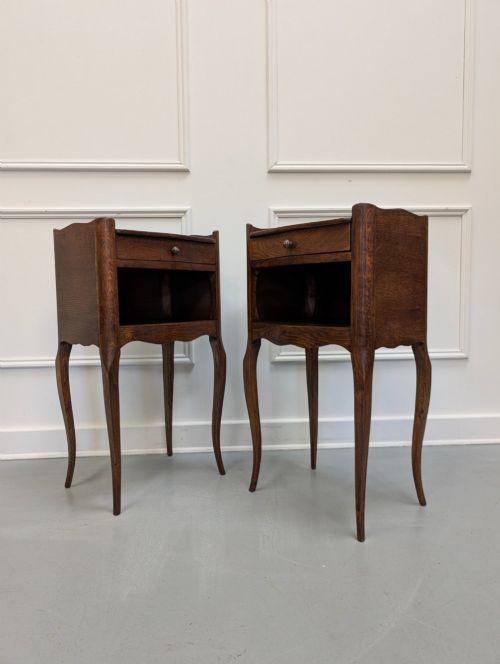
French bedside tables often incorporate curved cabriole legs, intricate marquetry, and polished marble top slabs.
Ormolu mounts and delicate inlay work further distinguish continental pieces from simpler English designs.