

Edwardian Settee
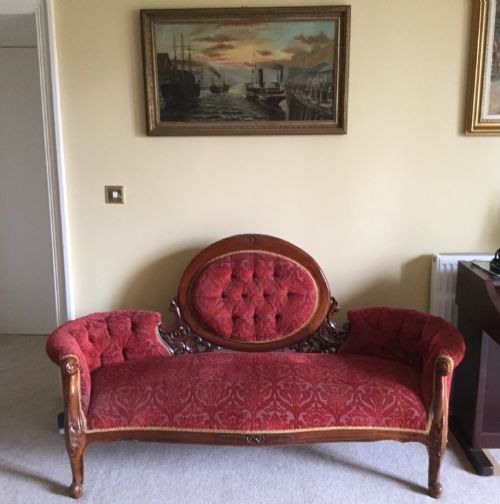
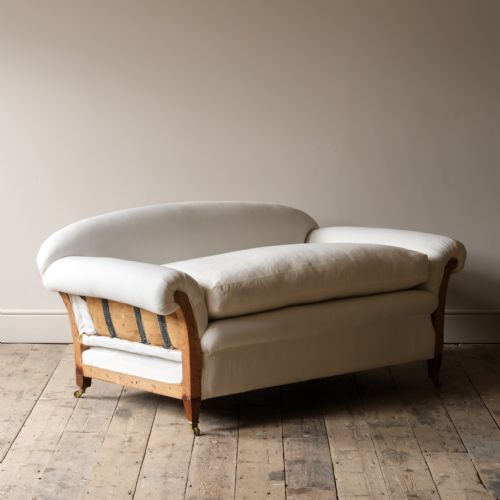
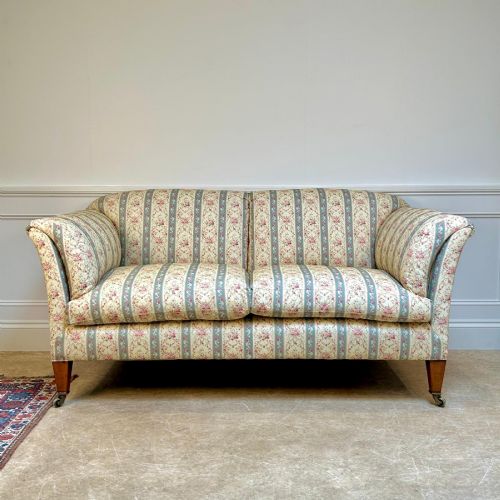
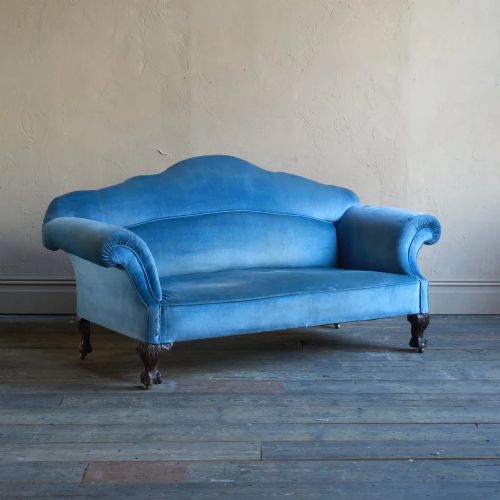
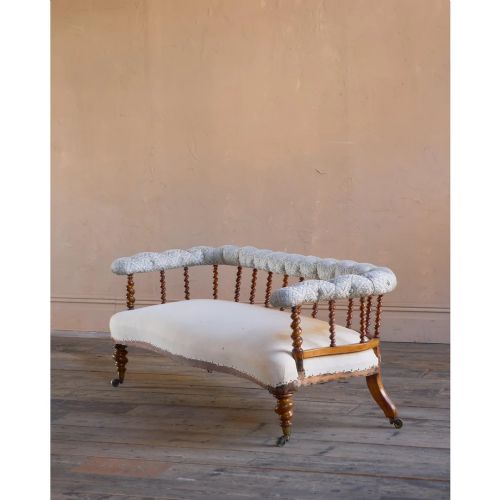
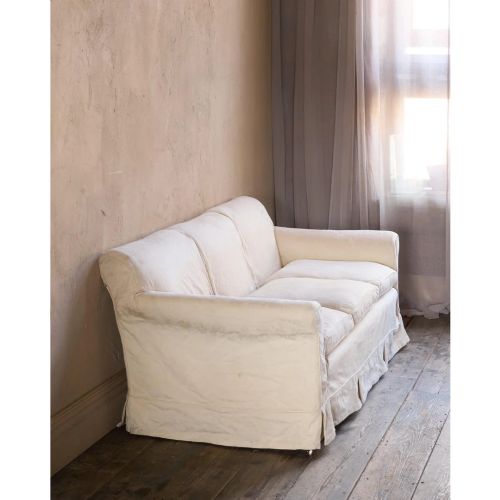
An edwardian settee brings understated elegance and comfortable seating to a traditional interior, bridging late Victorian gravitas and early twentieth-century lightness.
Edwardian Settee
The edwardian settee encompasses a variety of two and three-seater forms produced during the early twentieth century, drawing heavily on earlier Georgian, Sheraton, and Chippendale revival motifs.
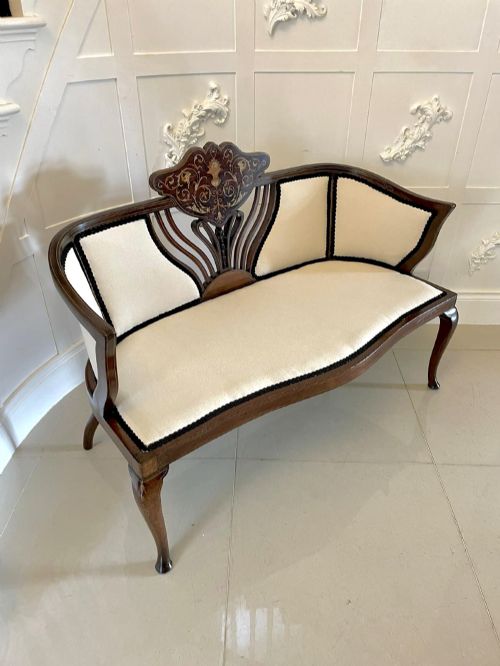
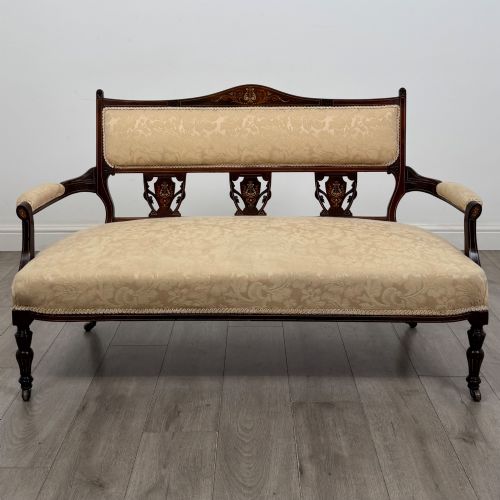
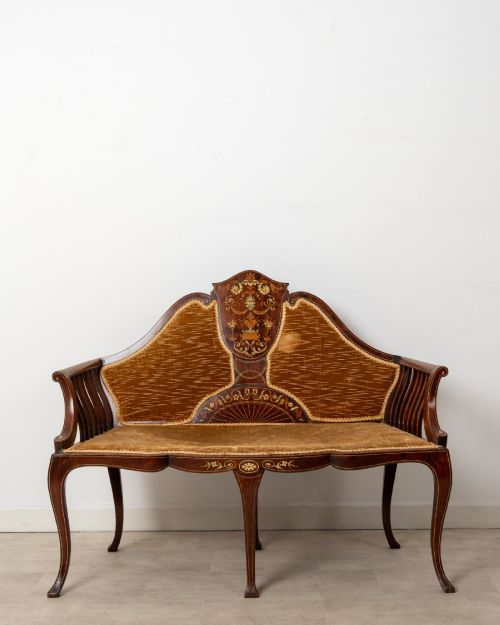
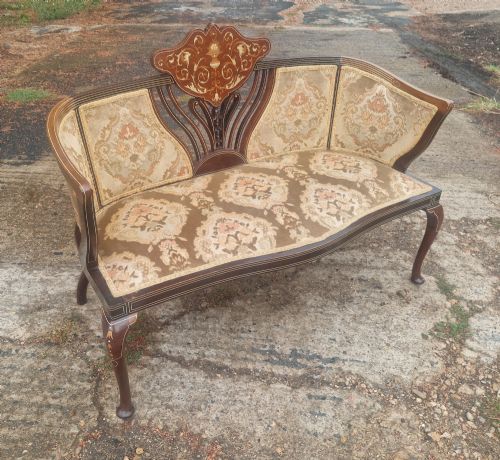
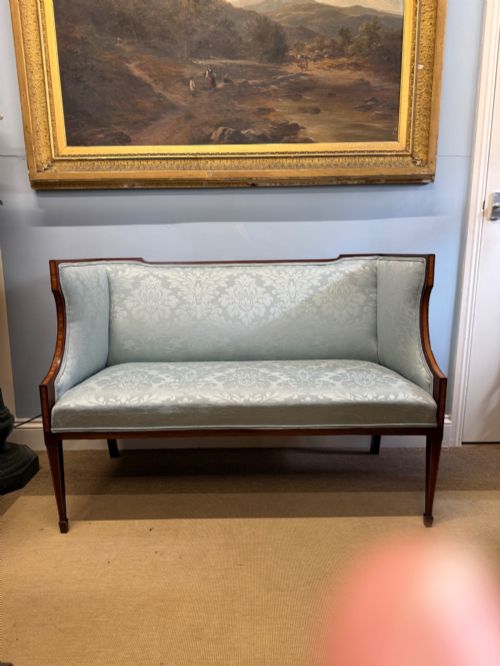
Most examples found in current and archive records are constructed from mahogany or satinwood, frequently decorated with marquetry inlay and supported by slender legs.
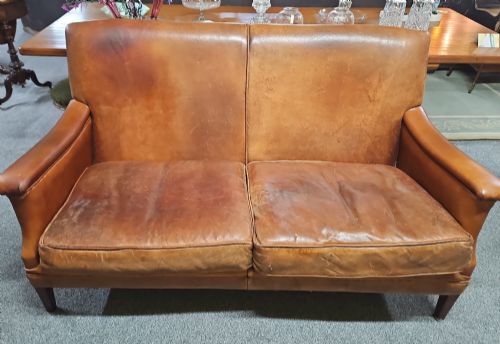
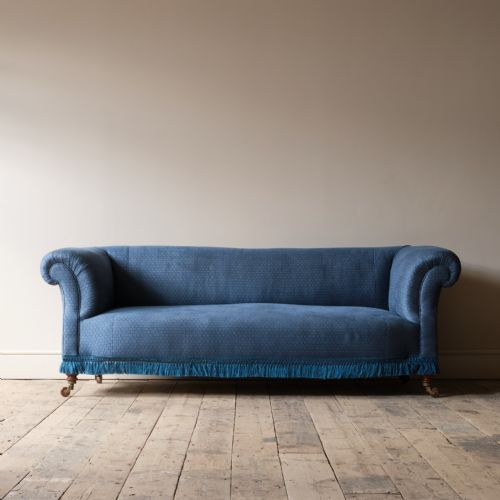
While formal salon settees with inlaid frames dominate the selection, buyers also encounter comfortable country house styles, deep-seated leather Chesterfields, and cane-backed bergere designs.
Materials and Construction
Makers relied primarily on timbers such as mahogany, satinwood, and walnut for the structural frames, often utilising contrasting stringing and marquetry to create decorative panels.
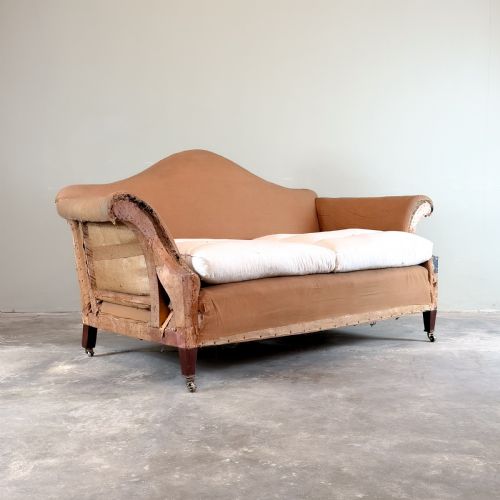
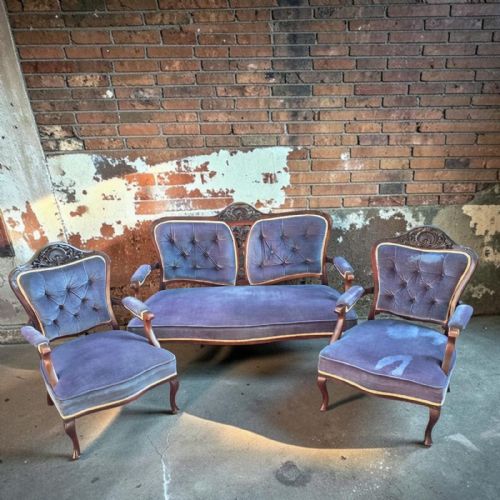
Upholstery techniques varied from traditional horsehair stuffing and sprung bases to modern deep-pile brocades, leather, velvet, and woven cane panels.
Carved details, including ball and claw feet or Chippendale-style pierced splats, were executed by hand on the more ambitious frames.
Listings feature walnut, mahogany, and satinwood alongside brass fittings and various fabric upholstery types.
Assessing Craftsmanship
Quality rests on the crispness of the timber carving, the precision of the contrasting wood inlays, and the structural integrity of the frame joints.
Superior pieces retain their original show-wood surfaces and incorporate high-grade secondary timbers, whereas lesser items display mechanical rather than hand-cut joinery.
The choice of upholstery materials, from hand-dyed leather to fine silk brocade, significantly alters the character and finish of the seating.
Hampton and Sons·Howard and Sons·C. Hindley and Sons
The Edwardian Settee Glossary
- Marquetry
- Decorative patterns formed by inserting thin pieces of wood, ivory, or shell into a veneered surface. This technique creates intricate floral or geometric designs on the backrests of formal settees.
- Bergere
- An enclosed upholstered armchair or sofa with wooden frames and woven cane sides or backs. Originating in France, this style gained popularity in English drawing rooms for its lighter appearance.
- Satinwood
- A durable, yellowish wood prized for its lustrous grain and smooth texture. It was frequently used as a contrasting veneer on mahogany parlor furniture.
- Chippendale Revival
- A late nineteenth and early twentieth-century style replicating the mid-eighteenth-century designs of Thomas Chippendale. Pieces often feature elaborate carved ribbon backs and cabriole legs.
Edwardian Settee: Frequently Asked Questions
How do I identify an authentic edwardian settee?
Authentic pieces generally date from the period between eighteen-eighty and nineteen-twenty, displaying characteristic mahogany frames with satinwood inlay and lighter proportions than heavy Victorian predecessors.
Examine the secondary timbers underneath and check for traditional hand-cut joinery rather than modern metal brackets to confirm the period of manufacture.
What is the difference between a settee and a sofa?
Historically, the term settee referred to a light wooden or upholstered bench with a back and arms, often intended for two people in a parlor or bedroom.
Over time, the distinction blurred as manufacturers adopted both terms interchangeably for larger upholstered seating suites found in country houses and drawing rooms.
Can I use an antique settee for daily seating?
Many surviving examples retain sturdy frames and comfortable sprung bases suitable for everyday use in a living space or hallway.
Buyers should inspect the internal webbing and horsehair stuffing, as older pieces occasionally require professional reupholstering or re-springing to support regular weight.
Where should I place a window seat settee?
Window seats and end-of-bed settees feature low profiles and compact dimensions designed to fit beneath windows or at the foot of bedroom furniture without blocking natural light.
Their finished backs allow them to sit freestanding in a bay window or a spacious landing.