



Edwardian Satinwood Sofa
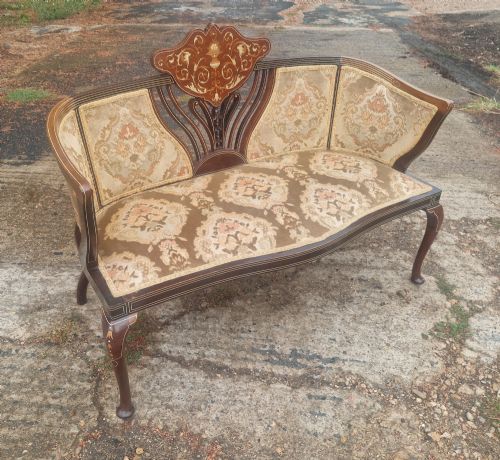
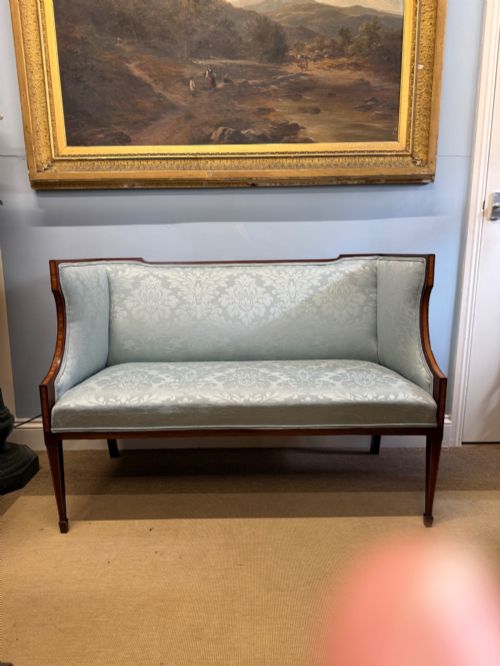
These delicate pieces of edwardian satinwood sofa design bring light woods and refined upholstery into the drawing room.
Edwardian Satinwood Sofa
An edwardian satinwood sofa combines pale, figured timber with light framing to create a graceful seating option. These settees and two-seater sofas frequently appear alongside occasional tables and salon suites.
Most examples date from the Edwardian period and the early twentieth century, though nineteenth-century variants also emerge. Makers drew heavily on Sheraton revival and Neo-Classical idioms to shape these settees.
Materials and Construction
Cabinet makers utilised satinwood and mahogany as primary timbers, often enhanced by boxwood and marquetry inlay. Some variants incorporate painted surfaces, caned panels, and delicate bone details.
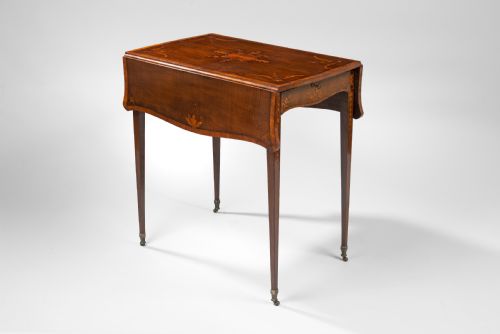
Joiners built these frames for lighter domestic settings rather than heavy daily lounging. Drop-leaf and inlaid elements required precise cabinet work to ensure stability across tables and settees alike.
Listings incorporate items spanning the eighteenth century through to the 1920s, featuring satinwood, mahogany, rosewood, and painted finishes.
Assessing Quality and Execution
Quality rests upon the crispness of the marquetry and the choice of banded satinwood veneers. Finer pieces demonstrate superior control over painted decoration and harmonious timber selection.
The density and figuring of the grain dictate visual depth across the frame. Masterful construction ensures that inlaid details remain flush and secure within the surrounding wood.
The Edwardian Satinwood Sofa Glossary
- Satinwood
- A pale, lustrous timber native to tropical regions, prized for its golden sheen and reflective grain. Cabinet makers utilised it extensively for veneers and decorative stringing.
- Marquetry
- The art of forming decorative patterns using thin veneers of different woods, metals, or shells. Artisans inlaid these elements directly into the structural surface.
- Sheraton Revival
- A late nineteenth and early twentieth-century design movement inspired by the neoclassical furniture of Thomas Sheraton. Pieces from this revival favour slender proportions and delicate painted motifs.
- S Sutherland Table
- A narrow drop-leaf table where the leaves fold down almost vertically. It rests on a hinged gateleg frame.
- Pembroke Table
- A small occasional table featuring two hinged drop leaves on opposing sides. Many examples include a single small drawer beneath the top.
Edwardian Satinwood Sofa: Frequently Asked Questions
How do I care for satinwood furniture?
Keep these items away from direct sunlight and excessive moisture to protect the pale veneers. Regular dusting with a soft, dry cloth preserves the polished surface.
Avoid placing hot or damp objects directly onto the wood. Mild wax polish applied sparingly maintains the natural lustre without building up heavy residue.
How can I tell an Edwardian piece from an 18th-century original?
Edwardian items often show machine-assisted precision in their internal framing and standardised brass fixings. They lean heavily on Sheraton revival motifs rather than genuine eighteenth-century construction methods.
Examine the secondary timbers and the underside of the frame for clues regarding tool marks and period-typical assembly techniques.
Can these settees be re-upholstered?
Many salon settees and salon chairs are designed to accept new fabric to match modern interiors. Professional upholsterers can replace worn springs and webbing while respecting the original frame lines.
Ensure the restorer uses traditional methods to maintain the correct profile and height of the seat.