



Edwardian Rosewood Tea Table
An Edwardian rosewood tea table brings polished dark timber and fine inlay into a room, serving as a practical surface for afternoon hospitality.
Edwardian Rosewood Tea Table
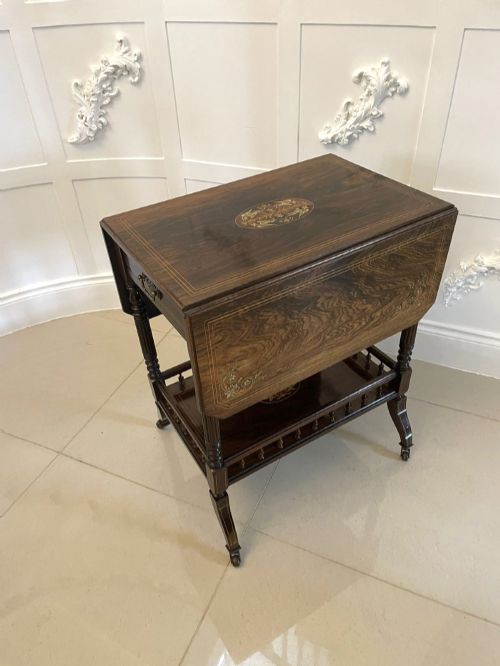
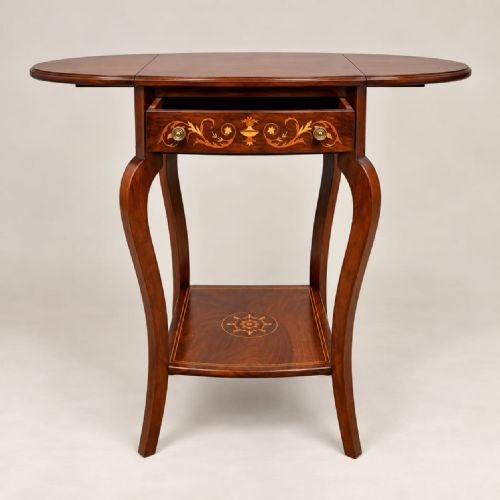
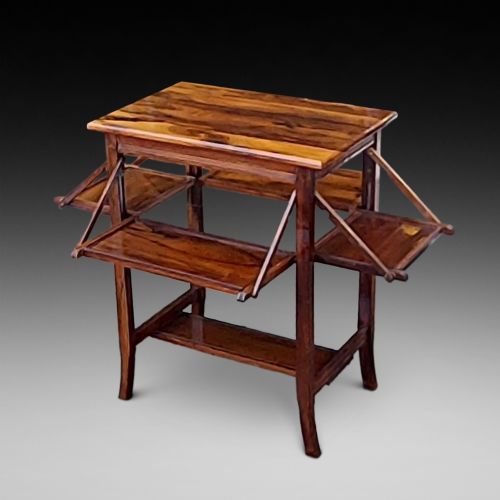
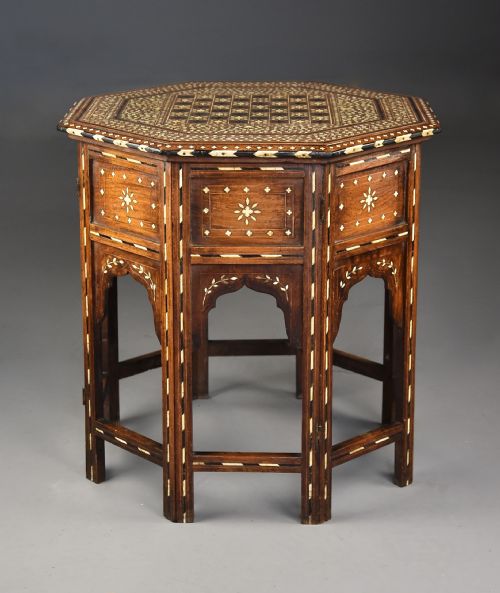
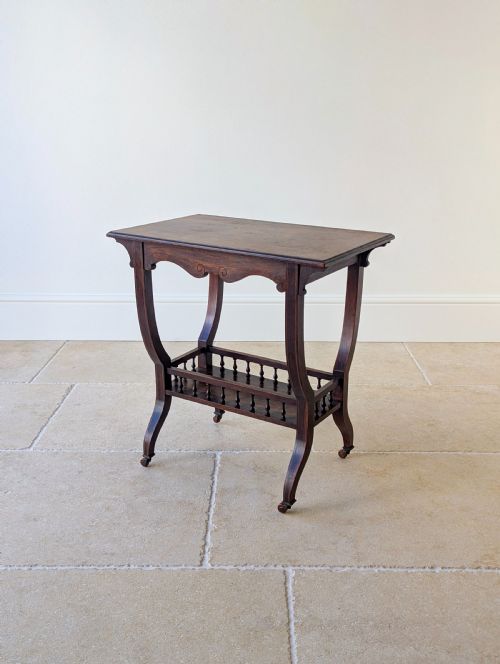
An edwardian rosewood tea table is typically a folding or drop-leaf surface designed for serving tea, appearing frequently in Edwardian, Victorian, and 19th-century forms. The pieces gathered under this search phrase span occasional tables, card tables, and centre tables alongside the primary tea-serving designs. Rosewood forms the primary timber, often augmented by satinwood, boxwood, and bone inlay in patterns that reflect the aesthetic tastes of the period.
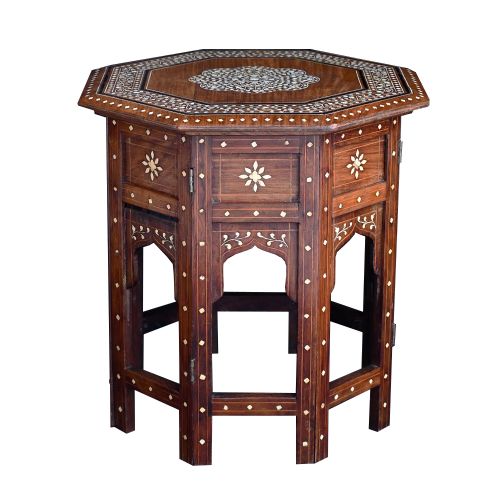
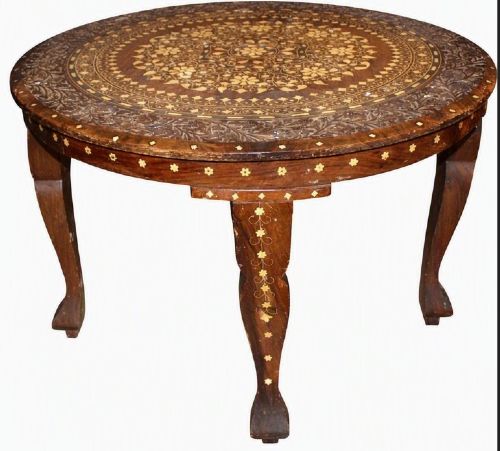
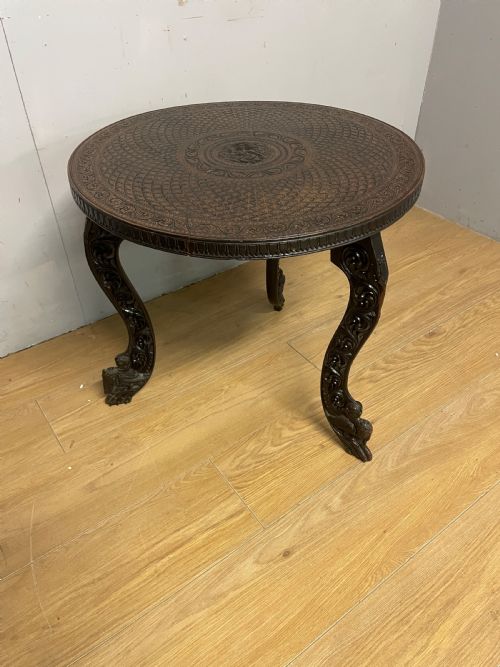
Makers and workshops of the era produced these tables in various shapes, including octagonal, oval, and rectangular formats with drop leaves or swivel tops. While Edwardian examples dominate the selection, related pieces from Victorian and Regency periods sit alongside Anglo-Indian carved tables. Buyers encounter drop-leaf mechanisms, fold-over card tops, and occasional tables intended for drawing rooms and parlours.
How they were made
Cabinet makers utilised dense tropical rosewood as the structural foundation, cutting the timber into solid sections or applying veneers over secondary woods. Tops and aprons frequently received intricate contrasting stringing and marquetry using lighter timbers such as satinwood and boxwood. Some regional variations incorporate bone and ebony inlay set directly into the dark grain.
Joinery techniques included hinged drop flaps, swivel mechanisms for games tops, and folding frames designed for portability or compact storage. Anglo-Indian examples from the evidence demonstrate deep surface carving across octagonal and circular forms rather than smooth veneered surfaces. Brass fittings appear on castors and hinges to support the movement of drop leaves and card tables.
Materials recorded across the inventory include rosewood, satinwood, boxwood, bone, ebony, and brass.
What varies in quality
The refinement of the inlay work separates standard production pieces from finer examples, particularly where satinwood, boxwood, and bone are precisely fitted without gaps. Crispness in the carving of Edwardian and Anglo-Indian surfaces distinguishes skilled handwork from simpler commercial output. The stability of the swivel or drop-leaf mechanism dictates the mechanical integrity of the table.
Selection of the rosewood grain contributes to the visual presence of the piece, with richly figured timber commanding greater attention. Original hardware, intact brass castors, and well-preserved structural joins without excessive restoration maintain the integrity of the antique.
Shoolbred & Co·Liberty & Co·Gillows
The Edwardian Rosewood Tea Table Glossary
- Rosewood
- A dense, heavily figured dark timber native to tropical regions, valued for its rich colour and smooth polished finish. It served as the primary material for high-end occasional and tea tables.
- Inlay
- A decorative technique where contrasting materials such as satinwood, boxwood, or bone are set into recesses flush with the surrounding rosewood surface. This method created geometric borders and floral motifs.
- Drop leaf
- A hinged section of a table top that folds down when not in use and is supported by movable brackets or swing legs. It allowed tables to expand for tea service or contract for compact placement.
- Swivel top
- A table top design that rotates on its base to reveal a concealed compartment or to allow a folded leaf to open flat. It is commonly found on games and card tables.
- Marquetry
- The art of applying pieces of veneer to a structure to form decorative patterns and pictorial designs. Craftsmen utilised various exotic woods to achieve tonal contrast.
Edwardian Rosewood Tea Table: Frequently Asked Questions
What is an edwardian rosewood tea table?
An edwardian rosewood tea table is a small parlour or drawing room table constructed from dark rosewood, often featuring light wood inlay and folding leaves.
These pieces were built to hold tea service items during the Edwardian period, though similar examples date from the late Victorian era and the nineteenth century.
How were tea tables used?
Tea tables served as movable surfaces for pouring and presenting afternoon tea in domestic reception rooms. The folding leaves allowed households to expand the surface area when guests arrived and tuck the furniture away afterwards.
Many designs doubled as occasional or games tables, adapting to different social activities throughout the day.
How do I tell an Edwardian table from a Victorian one?
Edwardian tables generally display lighter, more delicate proportions with finer satinwood stringing and restrained inlay. Victorian examples tend to be heavier in construction with darker finishes and bolder decorative carving.
Construction methods and secondary timbers inside the frame also help indicate the manufacturing decade.
Where should I place a tea table at home?
These tables fit well as occasional surfaces beside seating in a living room or study where their inlaid tops remain visible. Their compact footprints suit hallways and empty corners that benefit from a warm timber surface.
Care should be taken to keep them away from direct heat sources and strong sunlight to protect the rosewood veneer.