


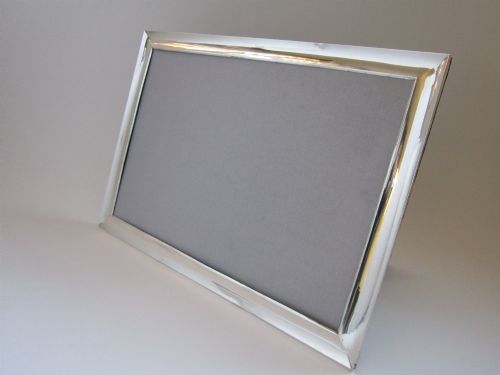
Edwardian Portrait in Frame
An edwardian portrait in frame brings character to a room, capturing faces and personalities preserved behind glass and enclosed in period timber or precious metal.
Edwardian Portrait in Frame
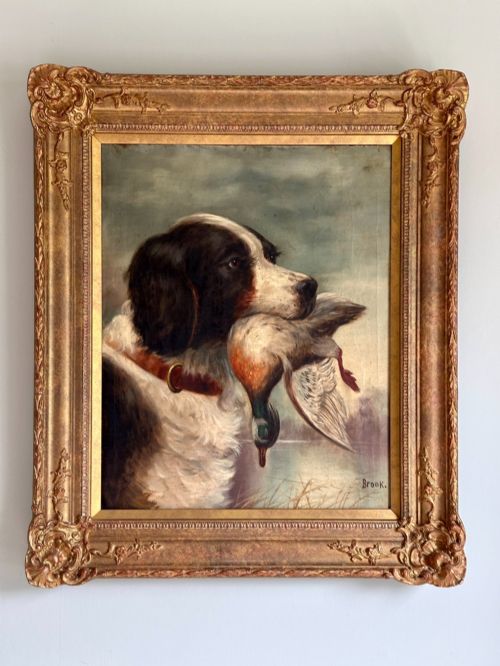
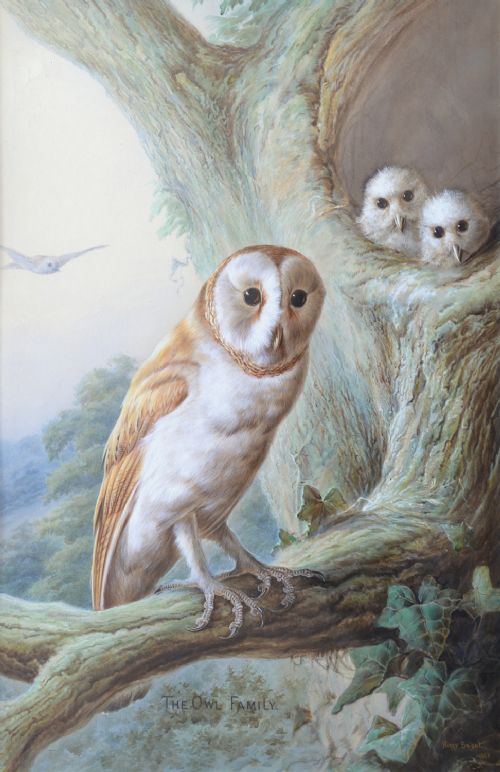
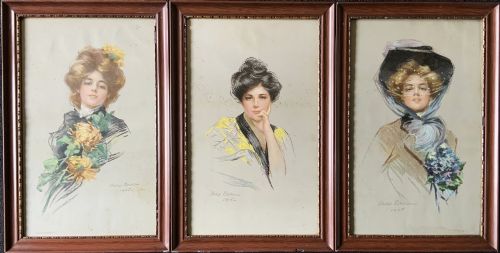
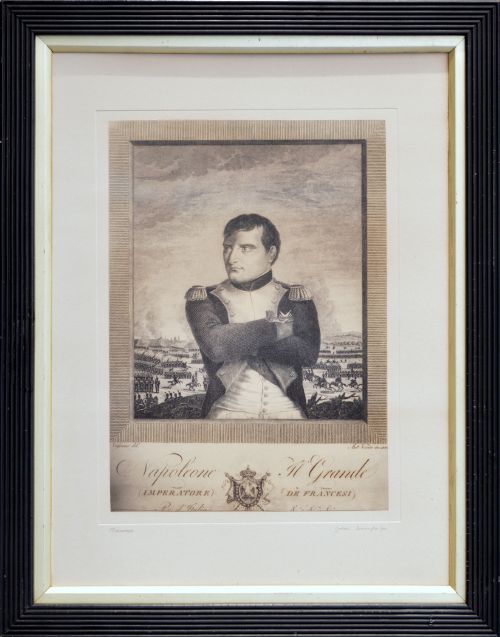
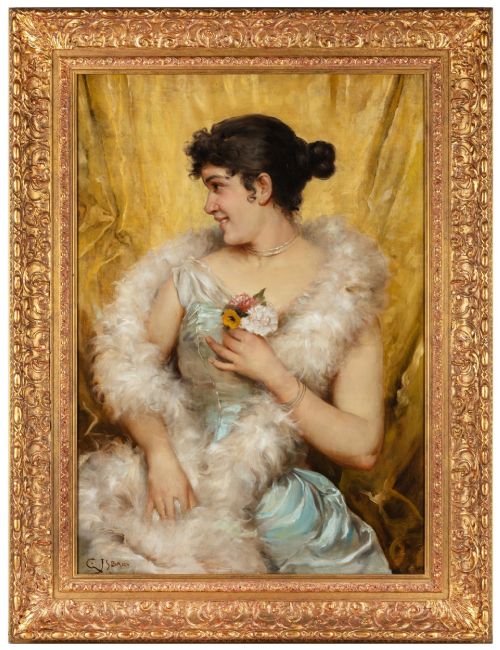
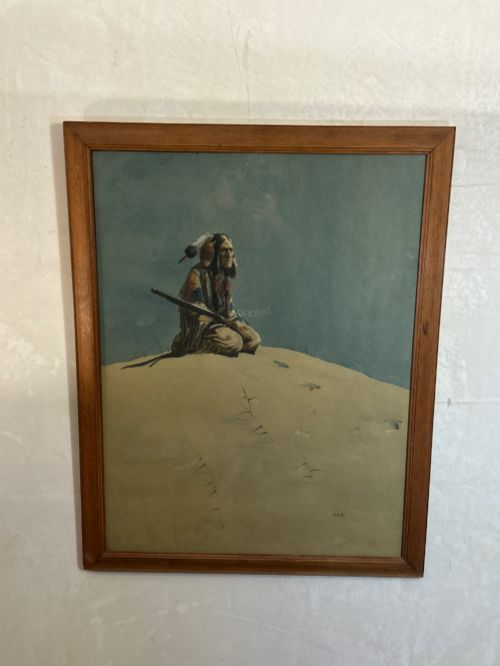
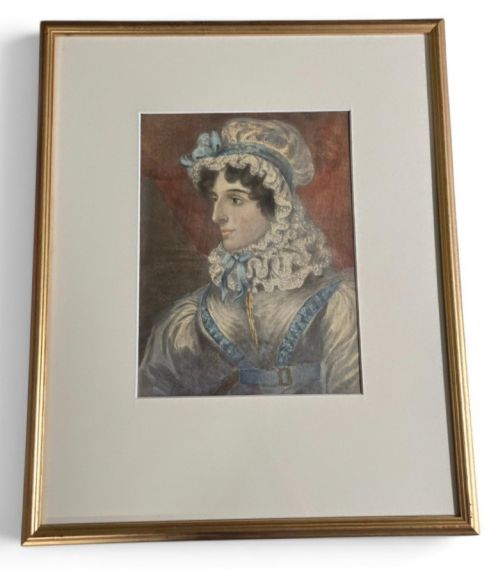
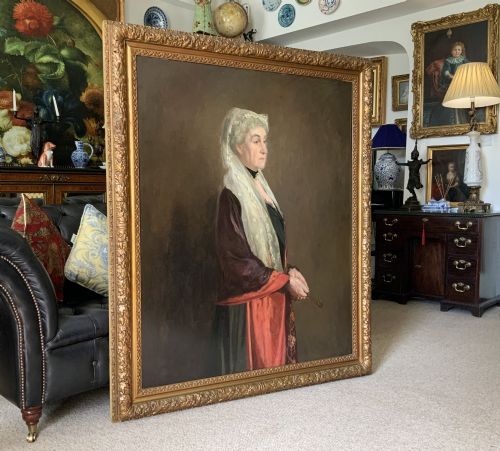
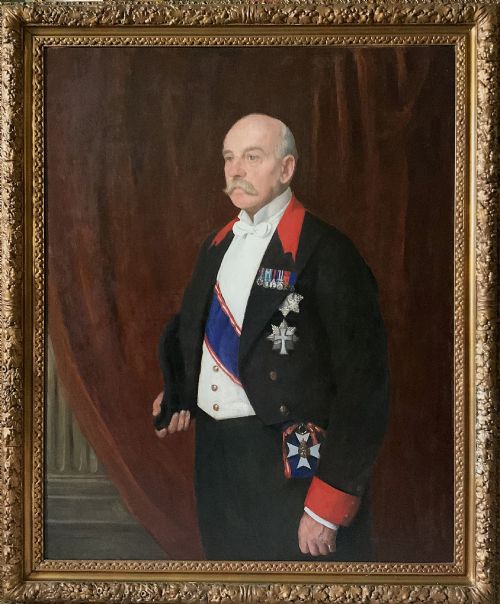
When you search for an edwardian portrait in frame, you are looking at likenesses of people and animals captured during the early twentieth century and the surrounding decades. These works range from monumental oil paintings on canvas to delicate pastel drawings and watercolours on paper.
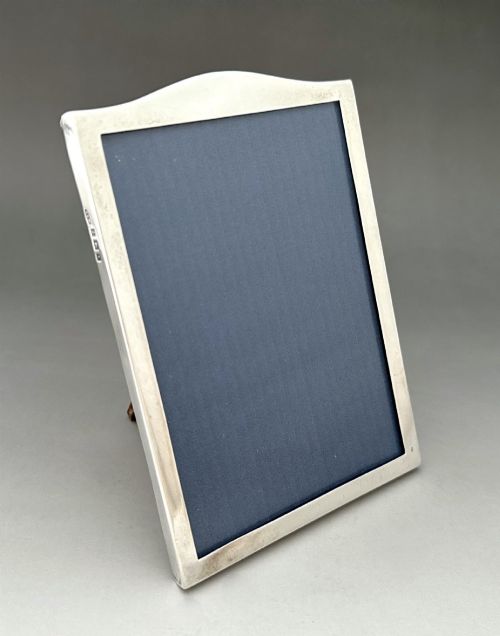
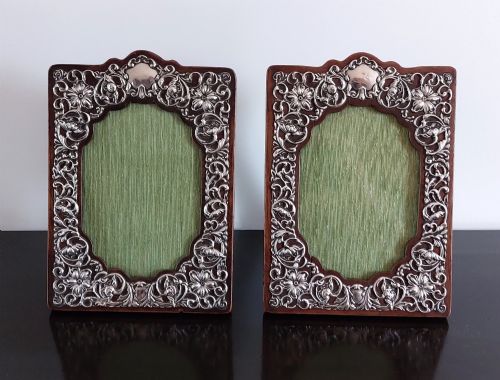
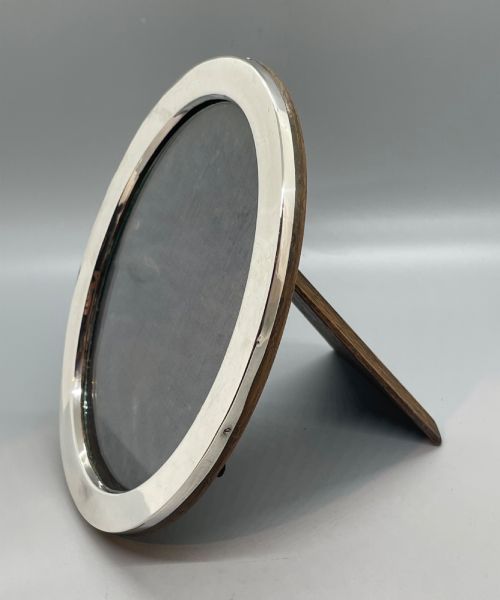
You will frequently meet depictions of ladies, gentlemen, and animals housed within original picture frames or sterling silver photograph surrounds. The materials span from oil and pastel to needlework and pencil studies, reflecting the varied tastes of the period.
How They Were Made
Portraits of this era were executed using oil on canvas or board, watercolour, and pastel on paper, handled by artists working in academic or illustrative traditions. The supporting surrounds were constructed from timber such as burr maple or giltwood, alongside hand-worked sterling silver and ormolu.
Silver photograph frames were fashioned by silversmiths in assay offices like Birmingham and Sheffield, often incorporating intricate stamped decoration such as Reynolds Angels or Art Nouveau motifs. Wood frames relied on traditional joinery and gilding techniques to complement the artwork within.
Several portraits preserve the solemn gazes of pampered King Charles spaniels and Pekingese dogs, proving our ancestors loved their pets just as much.
What Varies in Quality
The distinction between tiers of work rests upon the skill of the artist's hand, seen in the rendering of anatomy, expression, and light. Confident brushwork in an oil painting or precise draughtsmanship in a pastel study elevates a piece above standard decorative output.
Quality also depends on the preservation of the original framing, whether silver, giltwood, or burr maple, and the harmony between the artwork and its surround. Hallmarks on silver mounts and signed signatures on canvases provide further indicators of provenance and maker distinction.
John Maler Collier·John Hassall·William Comyns·William Hutton and sons·Augustus John
The Edwardian Portrait in Frame Glossary
- Giltwood
- Wood that has been covered with a thin layer of gold leaf or gesso and leaf. This finish was widely used on picture frames to add reflective warmth.
- Pastel
- A dry medium composed of powdered pigment and a binder, pressed into stick form. It produces velvety surfaces that require glass protection.
- Sterling silver
- An alloy consisting of ninety-two point five percent silver and seven point five percent other metals, chiefly copper. It forms the structure of many desk and portrait frames.
- Ormolu
- Ground bronze or brass finished with a gold-coloured mercury amalgam, applied to mountings and decorative frames.
- Berlin work
- A type of coloured wool embroidery worked on canvas from printed grid patterns. It was popular during the nineteenth century for decorative panels and household items.
Edwardian Portrait in Frame: Frequently Asked Questions
How do I date an Edwardian portrait?
Dating relies on costume, hair styling, and the sitter's pose, alongside any signatures or exhibition dates recorded on the reverse. Sterling silver frames often carry clear hallmarks indicating the year of assay and the maker's mark.
Matching the frame style to the period provides additional confirmation, as original combinations are frequently preserved intact.
Were these portraits painted from life?
Many formal commissions and intimate pastel studies were painted directly from life in the artist's studio. Other works, particularly illustrative pieces or posthumous tributes, relied on preliminary sketches or early photographs.
The immediacy of the brushwork often indicates whether the artist worked in the direct presence of the sitter.
How should I care for pastel portraits?
Pastel drawings on paper require protection behind glass to prevent the delicate pigment from smudging or lifting. They should be hung away from direct sunlight to avoid fading the colours over time.
Humidity control is also essential to prevent mould growth behind the sealed glass backing.
What is the difference between oil and pastel portraits?
Oil paintings utilise pigment suspended in drying oil applied to canvas or board, offering a durable surface with rich depth of tone. Pastels use dry pigment sticks on paper, creating a soft, matte texture with a distinctive powdery luminosity.
Oils are generally more robust, whereas pastels demand careful handling and secure framing.