
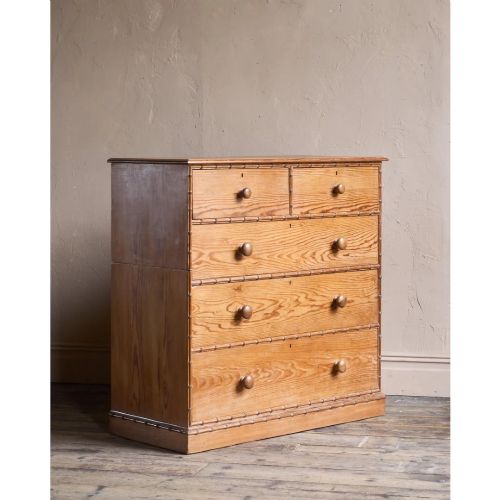
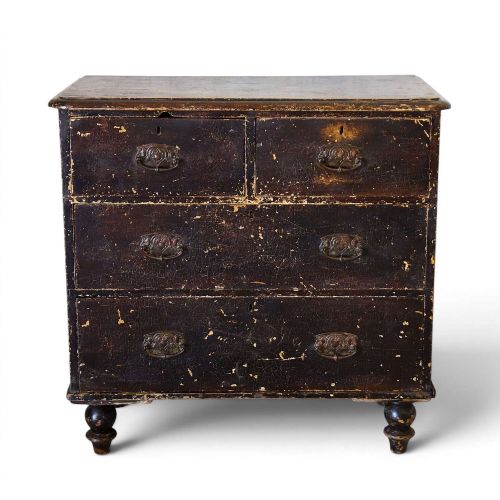
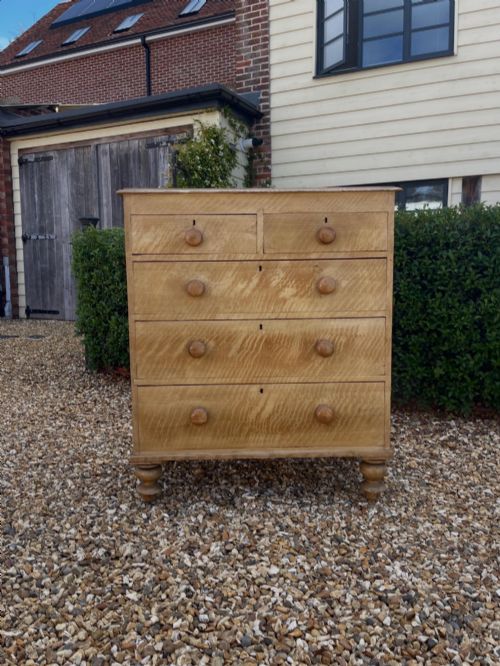
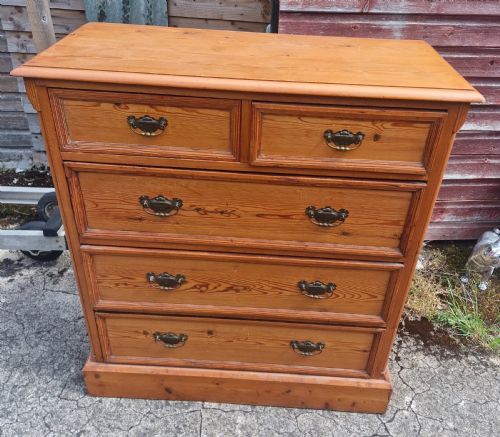


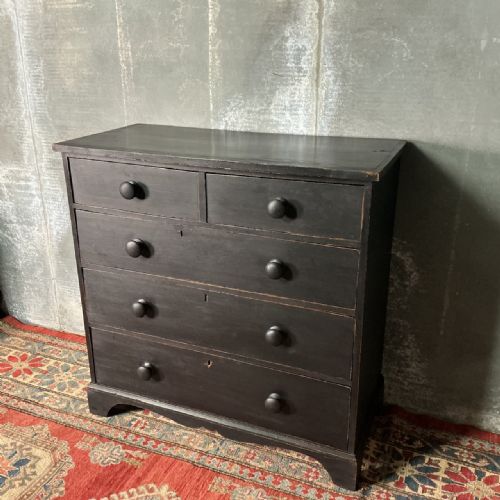


Edwardian Pine Tallboy
These edwardian pine tallboy pieces are sturdy storage units offering practical character, ideal for adding warmth to a bedroom or utility space.
Edwardian Pine Tallboy
When searching for an edwardian pine tallboy, buyers encounter a variety of tall storage furniture, including chests of drawers and multi-drawer banks dating from the nineteenth and twentieth centuries. The pieces on this page span several eras, notably Victorian and Edwardian periods, featuring diverse forms such as campaign chests and pharmacy drawers.
The practical utility of these items remains central, offering deep storage capacity within vertical dimensions. Most examples utilise solid pine or pitch pine construction, presenting either waxed surfaces or original painted finishes.
While specific tallboy configurations appear sparingly, the selection includes related tall storage formats like seven-drawer Wellington chests and multi-drawer watchmaker banks. These tall formats provide substantial storage volume while occupying minimal floor space.
Construction and materials
Construction relies primarily on pine and pitch pine, chosen for their robust structural qualities and accessibility during the nineteenth and twentieth centuries. Joinery techniques support everyday domestic and commercial use, often paired with brass or metal hardware.
Surfaces receive different treatments depending on the intended aesthetic, ranging from traditional wax finishes that highlight the natural grain to original brown scumble paint applications. These finish choices define the visual character of each piece.
One listed storage cupboard cleverly partially dismantles for easy transport.
Distinguishing quality factors
Quality differentiation lies in the integrity of the timber and the retention of original surface treatments, such as early scumble paint or distinct hardware. Superior examples demonstrate careful joinery and well-balanced proportions across taller drawer configurations.
The sophistication of the form also influences standing, with specialised pieces like pharmacy chests or campaign configurations offering greater complexity than standard domestic chests.
Howard and Sons
The Edwardian Pine Tallboy Glossary
- Scumble paint
- A decorative glaze technique applied over a base coat to imitate wood grain or create textured patterns. It appears frequently on period painted furniture.
- Pitch pine
- A dense, resinous variety of pine known for its durability and prominent grain pattern. It was often utilised for heavy-duty storage furniture.
- Wellington chest
- A tall, narrow chest of drawers secured by a hinged locking side stile. This design provides compact security for multiple drawers.
- Campaign chest
- Portable furniture built in sections with recessed brass handles for military transport. These pieces are designed for durability and ease of movement.
Edwardian Pine Tallboy: Frequently Asked Questions
What is an edwardian pine tallboy?
An edwardian pine tallboy is a tall storage unit designed to maximise vertical space while holding clothing or household goods.
These pieces typically utilise pine or pitch pine construction and offer multiple stacked drawers within a single compact footprint.
How do I care for waxed pine?
Waxed pine surfaces require occasional re-waxing to maintain their lustre and protect the timber from drying out. Avoid placing these items in direct sunlight or near heat sources.
Regular dusting with a soft cloth keeps the finish clean without stripping the protective wax layer.
Where can I use a tall pine chest?
These tall storage units suit bedrooms, hallways, or utility rooms where floor space is limited. Their vertical proportions provide significant storage capacity in compact areas.
They also function effectively in studies or workshops for organising documents or smaller items.
How do I identify the period?
Dating relies on construction details, hardware choices, and overall form relative to documented styles from the Victorian and Edwardian eras. Original paint finishes and secondary timbers also offer clues to age.
Comparing the construction methods to known period examples helps clarify the date of manufacture.